



Virginia Marijuana Sales Bill Advances: What's Next for Legal Weed
Virginia's taking another major step toward legal recreational marijuana sales. The state Senate just advanced an amended bill that could finally create a regulated cannabis market—but not without some serious negotiations ahead. After removing controversial criminal penalties from the measure, lawmakers are now setting up what could be a heated debate between the Senate and House versions of the legislation.
Virginia's Weird Cannabis Limbo: Legal to Have, Nowhere to Buy
Here's where things get wild. Virginia legalized personal possession of marijuana back in 2021, allowing adults 21 and over to possess up to one ounce of cannabis and grow up to four plants at home. Sounds great, right? But there's a massive catch. The state never created a legal way to actually buy it. That's right—you can legally have weed, but you can't legally buy it anywhere in Virginia. No dispensaries. No retail shops. Nothing. This bizarre situation has left Virginia consumers in a regulatory gray zone for years now. People have turned to home cultivation, gifting arrangements that skirt the law, or they've been buying THCA flower and other hemp-derived products that remain federally legal under the 2018 Farm Bill. It's been frustrating for consumers who want legal access and for would-be business owners watching a potential market sit idle. The Senate bill now heading to a floor vote aims to finally fix this mess. It would establish a regulated retail market with licensed dispensaries, cultivation facilities, and product manufacturers. But getting there requires the Senate and House to agree on the details—and that's where things get complicated.


What Changed: Criminal Penalties Stripped from the Bill
One of the most significant amendments made during the Senate committee hearing was the removal of new criminal penalties that had been added to the legislation. This is huge. The original version included provisions that would've created additional criminal consequences for certain cannabis-related activities, which frankly contradicted the entire spirit of legalization. Cannabis reform advocates have been pushing back hard against adding more criminal penalties when the whole point is to move away from criminalization. Why legalize marijuana sales only to create new ways to arrest people? It doesn't make sense. The Senate committee apparently agreed, stripping those provisions before advancing the bill. This amendment signals a more consumer-friendly and equity-focused approach to legalization. Virginia's already dealt with decades of cannabis prohibition that disproportionately impacted communities of color. Adding new criminal penalties would've just perpetuated that harm under a different name. The removal of these penalties represents a win for reform advocates who've been fighting for sensible, equitable cannabis policy.


Senate vs. House: Two Different Visions for Virginia Cannabis
Now comes the tricky part. The Senate and House have passed different versions of marijuana sales legislation, which means they'll need to negotiate and reconcile those differences before anything becomes law. These aren't just minor technical tweaks—there are likely substantial disagreements about licensing structure, tax rates, social equity provisions, and regulatory oversight. Typically, when this happens, both chambers appoint members to a conference committee that hashes out a compromise version. Both the Senate and House would then need to vote on that final negotiated bill. This process can take weeks or even months, and there's always the risk that negotiations fall apart entirely. We've seen it happen in other states where cannabis legalization got tangled up in legislative gridlock. What are the key sticking points? While the specific differences haven't been fully detailed in public reporting, common areas of contention in cannabis legalization bills include how many licenses to issue (and to whom), what tax revenue should fund, whether to allow home delivery, and how to handle social equity applicants who've been harmed by the War on Drugs. Virginia lawmakers will need to find common ground on all these issues. The clock's ticking, and consumers are watching closely.
What This Means for Virginia Cannabis Consumers
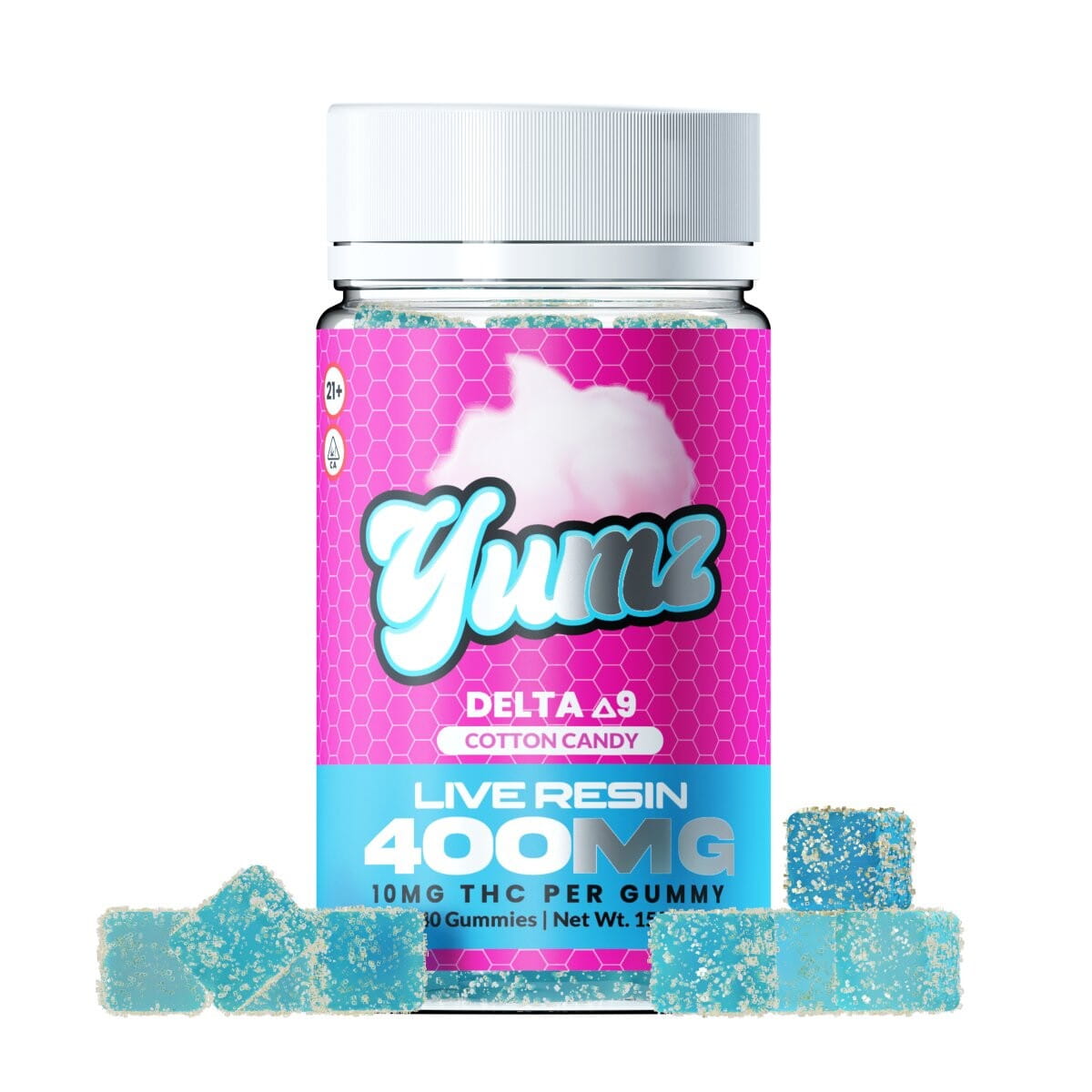
So when can Virginia residents actually walk into a dispensary and buy legal weed? Honestly, it's still going to be a while. Even if the Senate and House successfully negotiate a compromise bill and the governor signs it into law, there's a significant implementation period before the first dispensaries open their doors. State regulators need to create the licensing framework, accept and review applications, conduct background checks, and establish testing and safety standards. Realistically, we're probably looking at 2027 at the earliest for the first legal sales—maybe later depending on how negotiations go and how quickly regulators can stand up the program. That's a long wait for folks who've been sitting in this legal limbo since 2021. In the meantime, Virginia consumers have been turning to legal alternatives available right now. Hemp-derived products containing Delta-9 THC (under the 0.3% dry weight limit mandated by federal law) remain legal and accessible. THC gummies made from hemp are available online and provide real psychoactive effects while staying within federal guidelines. Similarly, THCA disposable vape products offer another legal option. THCA is the raw, unheated form of THC found in cannabis plants—it's not psychoactive until you heat it, which happens automatically when you smoke or vape. These products have become incredibly popular in states where marijuana sales remain illegal or unavailable. For Virginia consumers wondering where to buy legal THC products online while waiting for state dispensaries, hemp-derived options fill that gap.
Industry Impact: Business Opportunities and Economic Potential
Let's talk money. Virginia's recreational cannabis market could be absolutely massive. The state has a population of over 8.6 million people, and research from other legal states suggests that roughly 15-20% of adults participate in legal cannabis markets. We're potentially looking at hundreds of millions in annual sales once the market matures. That kind of market attracts serious business interest. Multi-state operators (MSOs) that already run dispensaries in other legal states are undoubtedly watching Virginia closely, ready to apply for licenses the moment applications open. Local entrepreneurs and social equity applicants are also preparing their business plans. The economic opportunity extends beyond just retail—cultivation facilities, processing and manufacturing operations, testing laboratories, distribution companies, and ancillary businesses all benefit from legalization. Tax revenue is another major consideration that's likely being debated between the Senate and House. Legal cannabis generates substantial tax income that states use to fund education, drug treatment programs, criminal justice reform initiatives, and general budgets. Colorado, for example, has collected over $2 billion in cannabis tax revenue since legalization. Virginia lawmakers are definitely thinking about how to structure taxes to maximize revenue without pricing legal products so high that consumers stick with the illicit market. It's a delicate balance, and getting it right matters for both the state budget and the success of legal businesses.

The Bigger Picture: Virginia Joins a National Trend
Virginia's movement toward regulated marijuana sales fits into a broader national trend that's been building for years. Currently, 24 states plus Washington D.C. have legalized recreational cannabis for adults, and more states consider legalization measures every year. Public opinion has shifted dramatically—recent polling shows that roughly 70% of Americans support legalizing marijuana. But here's what makes Virginia interesting: it's a Southern state breaking from regional norms. Most cannabis legalization has happened in Western states, the Northeast, and parts of the Midwest. The South has generally been more resistant to reform. Virginia becoming a fully legal recreational market could influence neighboring states and demonstrate that cannabis legalization isn't just a "blue state" or "West Coast" phenomenon. The federal landscape is also evolving, though slowly. While marijuana remains illegal under federal law (classified as Schedule I under the Controlled Substances Act), there's been ongoing discussion about rescheduling or descheduling cannabis entirely. The 2018 Farm Bill legalized hemp and hemp-derived cannabinoids, creating the legal framework for products like THCA vape carts that have become popular nationwide. State-level legalization keeps building pressure on federal lawmakers to finally reform cannabis laws at the national level.
Conclusion
Virginia's moving closer to finally creating a legal recreational marijuana market, but there's still work to do. The Senate's advancement of this amended bill—especially after removing problematic criminal penalties—is encouraging news for reform advocates and consumers. Now comes the negotiation phase between chambers, where the details get hammered out. For Virginia cannabis enthusiasts, the wait continues, but legal hemp-derived alternatives remain accessible in the meantime. This is a big deal for the cannabis industry, the state's economy, and everyone who's been stuck in Virginia's legal limbo since 2021.

Stay tuned to YumzLab.com for your daily dose of cannabis industry news and culture.


