



Missouri Hemp THC Bill Blocked: What It Means for Legal Cannabis
Missouri lawmakers just hit the brakes on hemp THC restrictions, and the cannabis industry is watching closely. A bill that would've immediately imposed federal limits on intoxicating hemp products stalled Wednesday after a Senate filibuster, with critics arguing the state needs to pump the brakes before accidentally crushing legitimate businesses.
The Hemp-Derived THC Boom That Lawmakers Can't Ignore
Let's be real: the hemp industry has exploded since the 2018 Farm Bill legalized hemp and its derivatives. But here's where it gets interesting. That federal law defined hemp as cannabis containing less than 0.3% Delta-9 THC by dry weight, which opened the door for producers to create all kinds of intoxicating products that technically stay within legal limits. We're talking Delta 9 gummies, THCA flower, Delta-8 products, and more. The result? A multi-billion dollar legal hemp market that's available in gas stations, online shops, and wellness stores across the country. These products deliver real psychoactive effects, and they're completely legal under federal law. But state lawmakers are getting nervous. Some view these products as a loophole that circumvents traditional marijuana regulations. Others see them as legitimate wellness products that deserve protection. Missouri's proposed legislation aimed to fast-track federal restrictions before they're even finalized at the national level. That's a bold move. The federal government has been working on new rules for hemp-derived intoxicants through the USDA and FDA, but those regulations aren't set in stone yet. Missouri wanted to jump ahead and implement whatever limits Washington eventually decides on. Immediately. But not everyone thinks that's a smart play. As Missouri Independent's Rebecca Rivas reported, critics raised a critical concern: "We have to make sure that we don't have unintended consequences, and destroy things that do not need to be destroyed." That's the heart of this debate right there.
What Went Down in the Missouri Senate
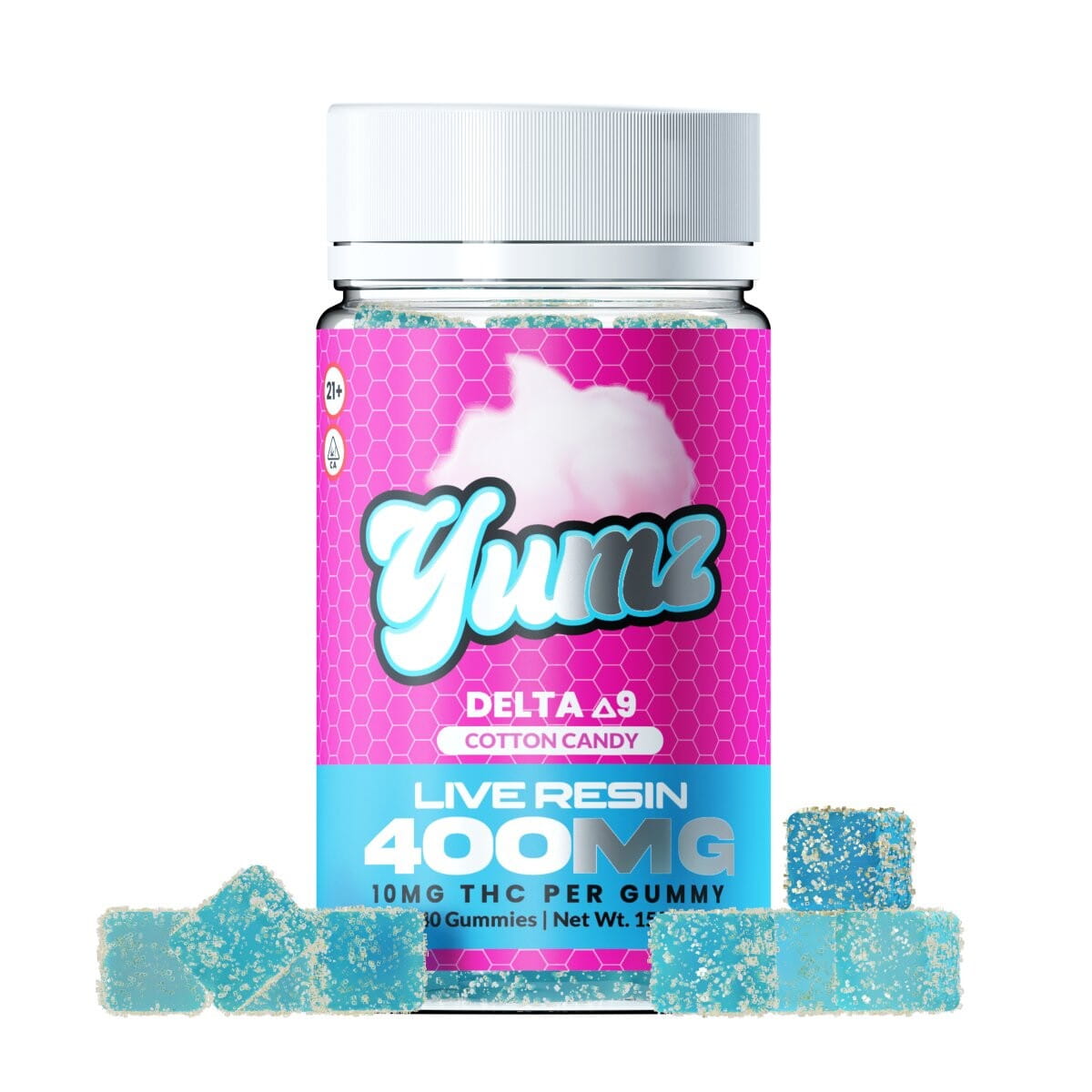
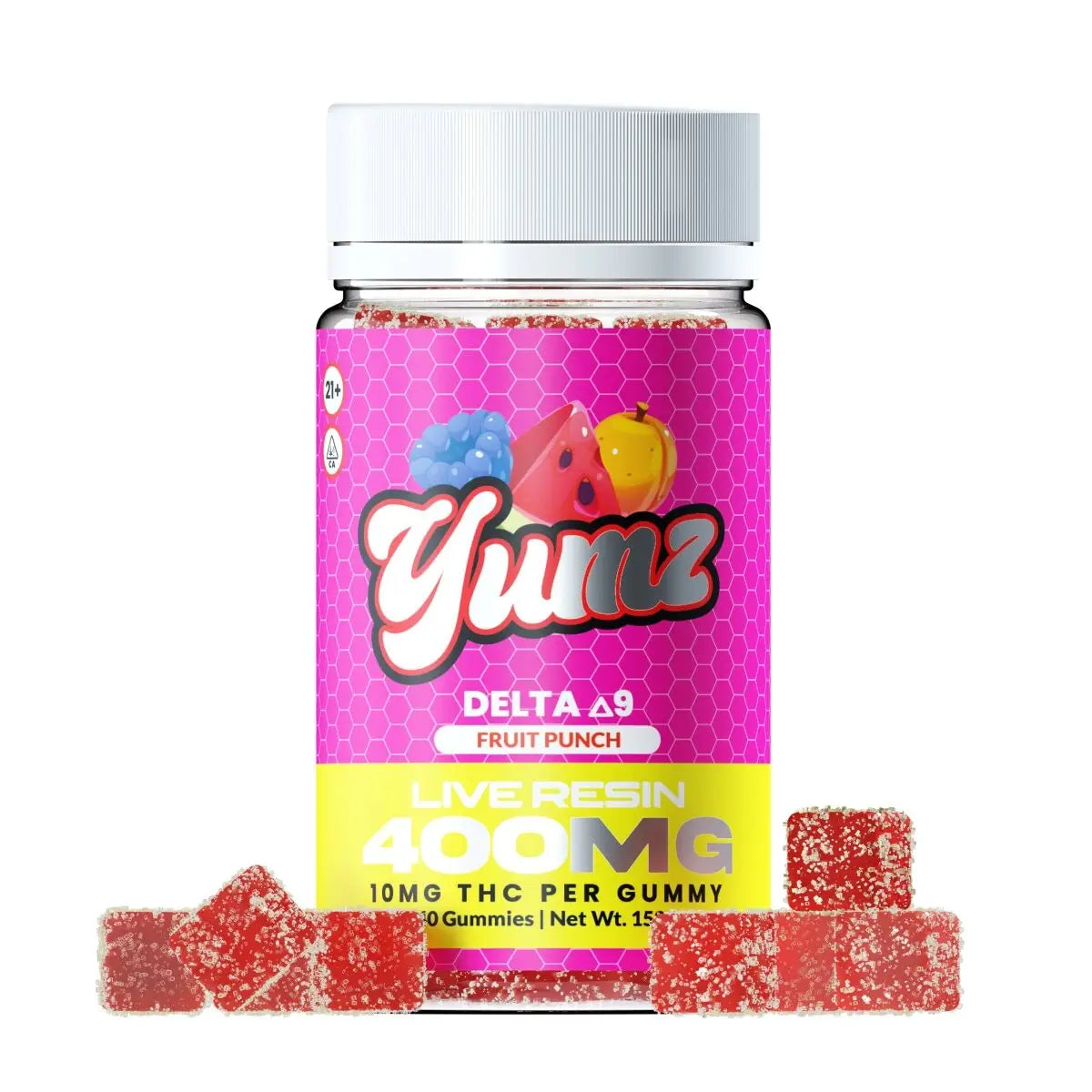
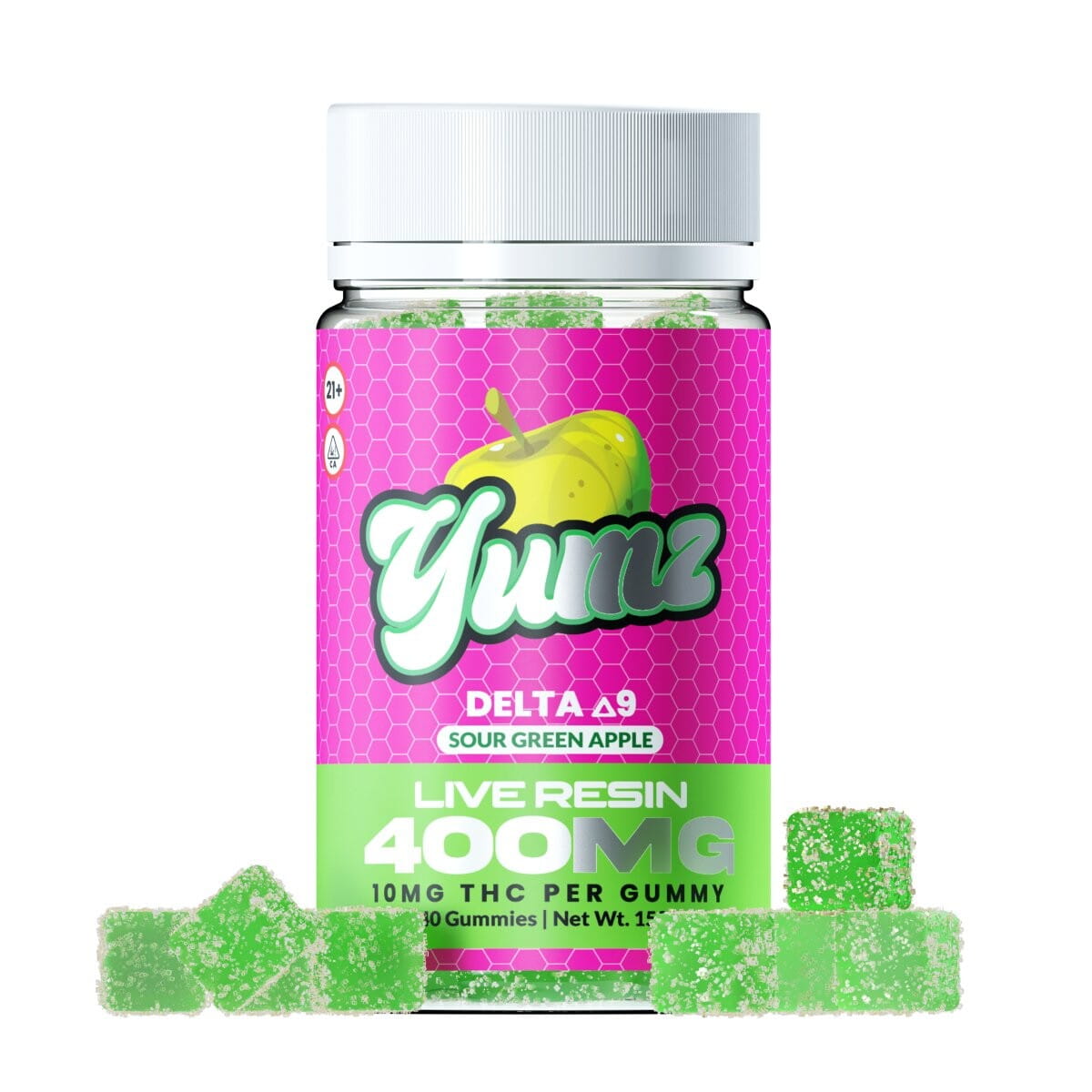
Wednesday's filibuster wasn't just political theater. It was a genuine pushback against rushing hemp regulations without fully understanding the consequences. Several senators stood firm against the bill, arguing that Missouri should wait for clarity from federal regulators before making sweeping changes to state law. The filibuster effectively killed the bill's momentum, at least for now. Senate filibusters require sustained debate that can block legislation from moving forward, and that's exactly what happened here. Opponents weren't necessarily against all regulation of hemp THC products. They just wanted a more measured approach. Here's the thing: Missouri already has a legal marijuana program. Adult-use cannabis became legal in the state in 2023, creating a regulated market with licensed dispensaries, testing requirements, and age restrictions. So why the panic about hemp products? It comes down to competition and control. Some marijuana industry stakeholders argue that unregulated hemp products undercut their heavily taxed and regulated businesses. Hemp producers counter that their products serve different markets and fill gaps where traditional dispensaries don't exist. The debate also touches on consumer safety. While many hemp brands (like Yumz Lab) prioritize third-party lab testing and quality control, the hemp market does have some bad actors selling untested or mislabeled products. Finding the right balance between protecting consumers and preserving business freedom is tricky.


Federal vs. State Hemp Policy: A Regulatory Mess
Let's zoom out for a second. The current hemp regulatory situation is honestly a mess, and Missouri's situation highlights exactly why. The 2018 Farm Bill federally legalized hemp but left states to create their own additional rules. Meanwhile, the FDA has been dragging its feet on clear regulations for hemp-derived cannabinoids, especially when it comes to intoxicating compounds. Different states have taken wildly different approaches. Some have banned Delta-8 and similar hemp cannabinoids entirely. Others have created specific regulations around potency limits, labeling requirements, and age restrictions. And some, like Missouri (for now), have left the hemp market relatively open while they figure things out. This patchwork creates confusion for consumers and headaches for businesses trying to operate across state lines. The federal government has signaled that new hemp intoxicant regulations are coming, but nobody knows exactly what they'll look like or when they'll arrive. The USDA oversees hemp cultivation, but the FDA has authority over hemp-derived products meant for human consumption. The DEA also has a say when it comes to controlled substances. It's a bureaucratic tangle that hasn't been sorted out. Missouri's attempt to preemptively adopt federal limits before those limits even exist shows how eager some lawmakers are for clarity. But it also shows the risk of moving too fast. What if Missouri locked in restrictions that turn out to be more strict than what federal regulators eventually decide? Or what if the federal rules take years to finalize? These are legitimate questions that the filibuster forces lawmakers to consider.
What This Means for Hemp THC Consumers
If you're someone who enjoys THCA disposable vape pens, hemp edibles, or other legal cannabinoid products, this Missouri situation matters even if you don't live there. Here's why. First, it shows that the hemp THC market still has strong defenders in state legislatures. The filibuster proves that lawmakers recognize the difference between protecting consumers and needlessly harming businesses. That's good news for the industry's long-term stability. When legislators take time to get regulations right instead of rushing through restrictive laws, everyone benefits. Second, it highlights the importance of buying from reputable brands. As regulations evolve, companies that already follow best practices—third-party lab testing, accurate labeling, quality ingredients—will be better positioned to adapt. When you're looking at where to buy legal hemp THC products online, choosing established brands with transparent testing gives you peace of mind regardless of what happens legislatively. Third, this debate underscores that hemp-derived cannabinoids aren't going anywhere. Even critics of the Missouri bill aren't calling for complete prohibition of hemp THC products. They're asking for thoughtful regulation. That's a huge shift from just a few years ago when any intoxicating cannabis product faced automatic hostility from lawmakers. The conversation has matured. For consumers, the takeaway is clear: stay informed about your state's laws, buy from trusted sources, and support reasonable regulations that prioritize safety without killing innovation. The hemp market has created access to wellness products that weren't available before, and that's worth protecting.

Industry Impact and the Road Ahead
The Missouri filibuster sends a signal that resonates beyond one state's borders. Hemp businesses nationwide are watching to see how states handle the intoxicating hemp question, and Missouri's pause button is actually good news for the industry. Why? Because rushed, overly restrictive regulations could've set a dangerous precedent. If Missouri had pushed through immediate federal restrictions before those federal rules even exist, other states might've followed suit. That could've created a domino effect of harsh limitations that don't actually serve consumer safety—they just protect marijuana industry competitors who view hemp as a threat. The hemp industry has created thousands of jobs and generated hundreds of millions in economic activity since 2018. Small farmers, product manufacturers, retailers, and testing labs all depend on reasonable hemp policies. Research from industry groups suggests the hemp-derived cannabinoid market could reach $28 billion by 2028, driven by consumer demand for legal, accessible wellness products. But let's be honest: the industry also needs to clean up its act in some areas. Better quality control, clearer labeling, and responsible marketing would go a long way toward building public trust. When consumers see THCA vape carts or other hemp products backed by certificates of analysis and transparent ingredient lists, they feel confident in their purchases. That consumer confidence is what will ultimately keep hemp regulations sensible. Looking ahead, Missouri will likely revisit hemp THC regulations once federal guidelines become clearer. That's the smart move. Other states facing similar questions should take note: patience and careful consideration beat rushed legislation every time. The hemp market isn't going anywhere, so there's time to get the rules right.
Conclusion
Missouri's hemp THC filibuster isn't just a local political story—it's a snapshot of the ongoing tension between hemp innovation and regulatory caution happening nationwide. The decision to hit pause on rushed restrictions shows that thoughtful policymaking can still win out, even in contentious areas like cannabis regulation. As federal guidelines take shape and states figure out their approaches, consumers and businesses alike benefit from careful, informed lawmaking that protects safety without crushing a thriving industry.

Stay tuned to YumzLab.com for your daily dose of cannabis industry news and culture.


