



Federal Hemp Ban Looms: Why Regulation Beats Prohibition Every Time
Congress is about to make the same old mistake again. Instead of creating smart, science-based regulations for hemp-derived THC and CBD products, lawmakers are pushing for an outright ban—and they're doing it without waiting for the research that's supposed to guide these decisions.
The 2018 Farm Bill Created a Hemp Boom—Now Politicians Want to Hit the Brakes
When the 2018 Farm Bill legalized hemp and its derivatives, it opened the floodgates for a multi-billion dollar industry. Products containing CBD, Delta-8 THC, Delta-9 THC (under 0.3% on a dry weight basis), and THCA flower flooded the market, giving millions of Americans access to legal cannabis products for the first time. The law was clear: hemp-derived cannabinoids are federally legal as long as they meet specific THC thresholds. But here's where things get messy. The explosion of hemp-derived products caught regulators off guard. Gas stations started selling THC gummies next to energy drinks. Online retailers offered premium hemp flower that looks, smells, and acts nearly identical to marijuana. And suddenly, lawmakers who supported hemp legalization realized they'd created something way bigger than CBD oils and rope. Now, instead of taking the time to understand this market and create smart guardrails, Congress is reportedly considering a federal ban on certain hemp-derived cannabinoid products. The reasoning? They need to "protect public health" and "prevent abuse of the system." Sound familiar? It should—it's the same logic that fueled cannabis prohibition for nearly a century, and we all know how well that worked out.
Why Banning First and Studying Later Never Works
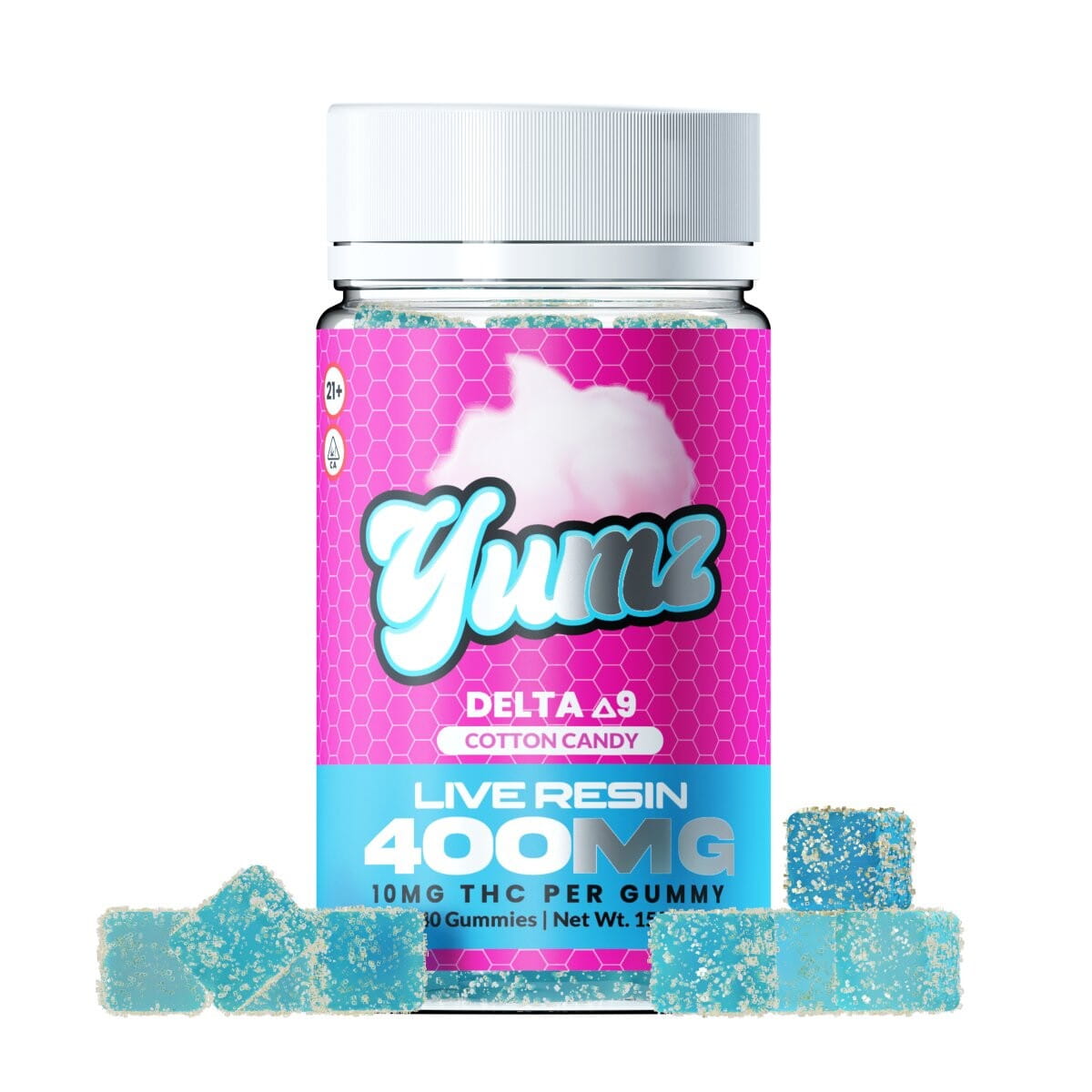
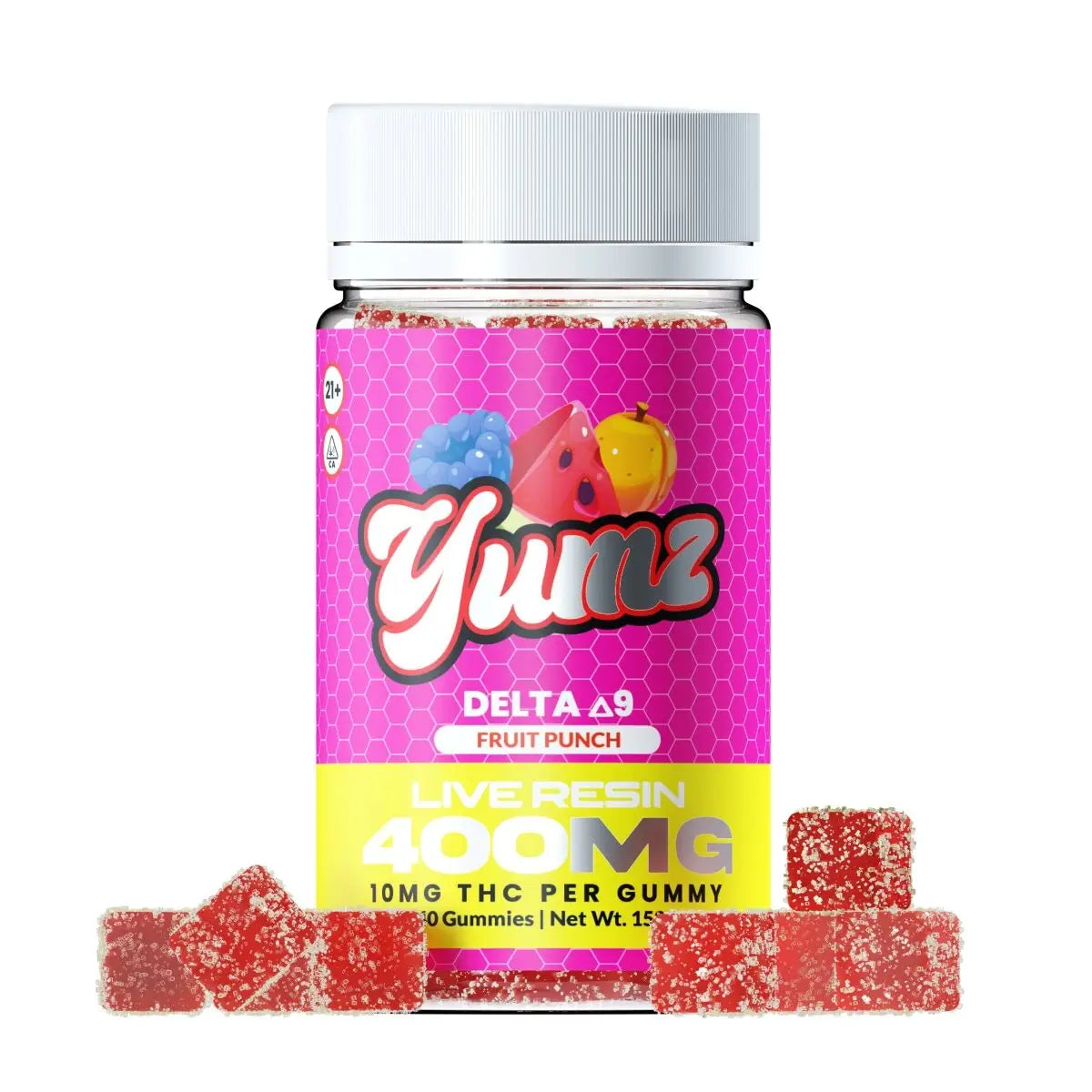
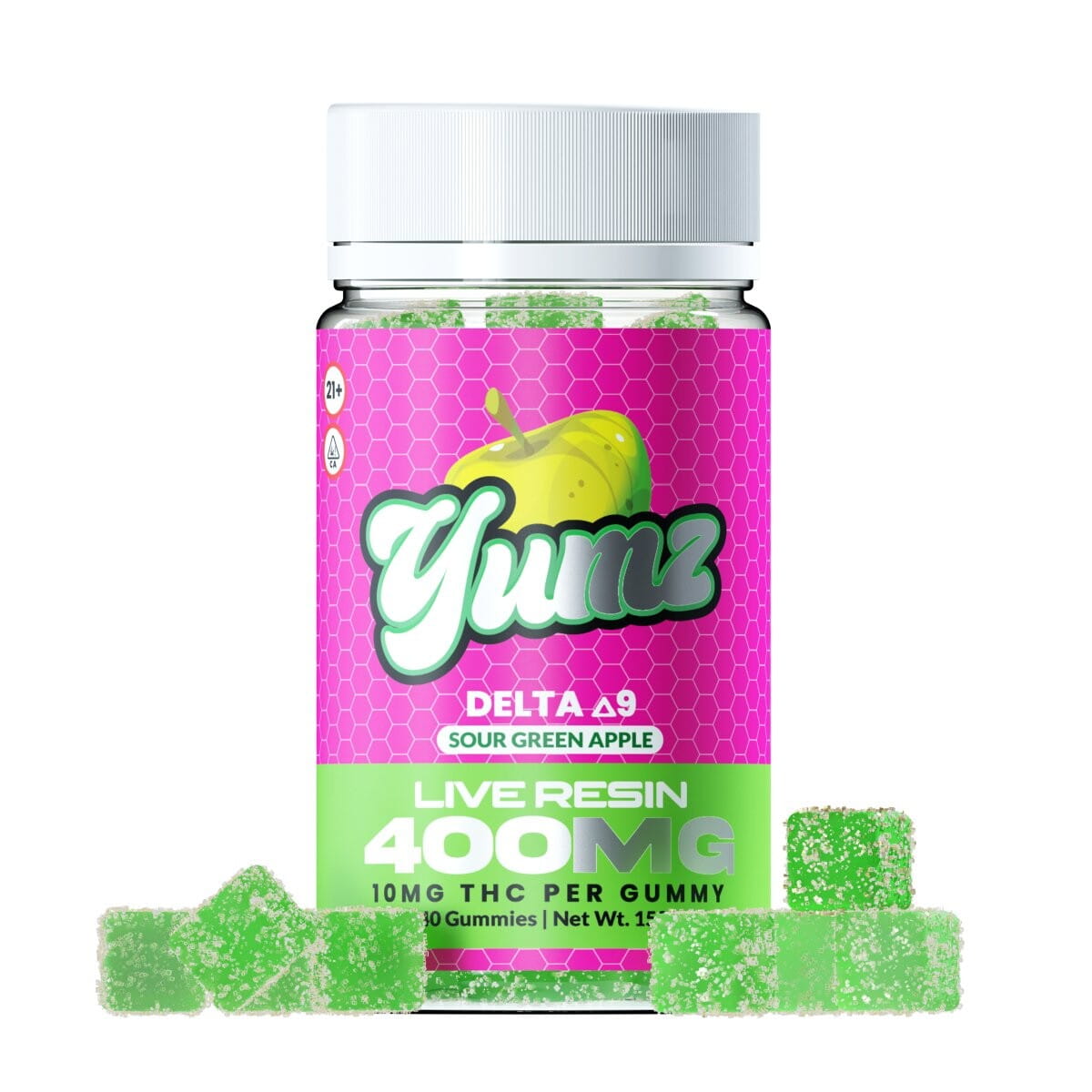
There's a pattern here, and it's frustrating as hell. Politicians panic, pass restrictive laws, and then—years or decades later—admit those laws did more harm than good. We've seen this movie before with cannabis prohibition, the war on drugs, and countless other policies that prioritized fear over facts. Here's what actually makes sense: regulated markets with clear testing standards, age restrictions, proper labeling, and quality control. You know, the kind of framework that protects consumers while allowing legal businesses to operate transparently. States like California, Colorado, and Oregon have proven that regulated cannabis markets work—they generate tax revenue, create jobs, reduce black market activity, and give consumers access to lab-tested products. The hemp industry isn't asking for a free-for-all. Legitimate operators like Yumz Lab already follow strict quality protocols: third-party lab testing, clear cannabinoid labeling, age verification, and compliance with federal THC limits. What we need are consistent federal regulations that establish nationwide standards for hemp-derived products, not knee-jerk bans that push consumers back to unregulated black markets. Good science takes time. Research into cannabinoids, their effects, their safety profiles, and their therapeutic potential is still emerging. Universities and research institutions are finally able to study these compounds legally, but they need more than a few months to produce meaningful data. Rushing to ban products before we fully understand them isn't evidence-based policy—it's reactionary politics.


What's Actually at Stake for Cannabis Consumers
Let's get real about what a federal hemp ban would mean for you. Millions of Americans rely on hemp-derived CBD products for wellness support—managing stress, improving sleep, and addressing discomfort. Many consumers prefer THCA disposable vapes and other hemp products specifically because they're federally legal and accessible without needing a medical card or living in a recreational state. A ban wouldn't make these products disappear. It would just drive them underground. Consumers who currently purchase lab-tested, regulated hemp products from licensed retailers would be forced to seek alternatives from unverified sources. That's not safer—it's significantly more dangerous. Black market products don't come with certificates of analysis, quality guarantees, or any accountability if something goes wrong. There's also the question of personal freedom. If you're an adult who wants to use hemp-derived cannabinoids responsibly, why should the federal government prevent you from accessing legal products that millions of people use without issue? This isn't about protecting public health—it's about control and the unwillingness to adapt outdated drug policies to modern reality. And honestly, this impacts more than just recreational users. People in non-legal states rely on hemp-derived products as their only legal option for cannabis wellness. Veterans, seniors, chronic pain patients, and countless others have found relief through CBD and other cannabinoids. Taking that away doesn't solve any problems—it creates new ones.
The Industry Perspective: Regulation Creates Accountability
From a business standpoint, the hemp industry actually wants regulation. Reputable companies have been calling for clear federal guidelines since day one because regulations create a level playing field and weed out bad actors who cut corners or mislead consumers. Right now, the market is like the Wild West. Some brands follow best practices—rigorous testing, transparent sourcing, accurate labeling—while others pump out questionable products with inflated potency claims and zero quality control. Federal regulations would establish baseline standards that every company must meet, protecting consumers and legitimizing the industry. Consider what good regulations could include: mandatory third-party lab testing for potency and contaminants, childproof packaging requirements, clear labeling with cannabinoid content and serving sizes, age restrictions for purchase, and manufacturing standards that ensure product safety. These aren't burdensome restrictions—they're common-sense protections that benefit everyone. The hemp industry has created tens of thousands of jobs and generates billions in economic activity. Farmers grow hemp, manufacturers process it, retailers sell it, and ancillary businesses provide everything from packaging to payment processing. A federal ban would destroy this entire ecosystem overnight, putting countless people out of work and eliminating a legitimate agricultural sector that was supposed to revitalize rural America. Plus, there's the tax revenue consideration. Regulated hemp markets contribute to state and local economies through sales taxes and business licensing fees. Why would Congress want to eliminate this revenue stream and push economic activity back into black markets that generate zero tax dollars?
What Cannabis Consumers Should Do Right Now
So what's your move while Congress debates the future of hemp? First, don't panic—but do pay attention. This isn't the first time federal lawmakers have threatened hemp regulations, and it probably won't be the last. But you have more power than you think. Contact your representatives. Seriously. Congressional offices track constituent feedback, and a wave of calls and emails from actual voters can influence decisions. Tell your senators and representatives that you support smart hemp regulations, not prohibition. Explain how hemp products benefit your life and why banning them would be a mistake. Make it personal and specific. Support businesses that do things right. When you're looking to buy THCA vape cartridges or other hemp products, choose companies that prioritize transparency and quality. Check for third-party lab results, read ingredient lists, and avoid brands that make outrageous health claims or can't back up their quality standards. Stay informed about both federal and state-level hemp regulations. Laws change quickly in this space, and what's legal today might face new restrictions tomorrow. Follow trusted industry news sources and advocacy organizations that track cannabis policy developments. Knowledge is your best defense against confusing or contradictory regulations. Finally, remember that federal law isn't the only factor. State laws vary wildly when it comes to hemp-derived cannabinoids. Some states have embraced the hemp market with open arms, while others have imposed additional restrictions beyond federal requirements. Know your local laws and shop accordingly.

The Bipartisan Case for Smart Hemp Policy
Here's something that doesn't happen often in today's political climate: agreement across party lines. Republicans, Democrats, and independents alike recognize that evidence-based regulation makes more sense than blanket prohibition. Conservative voters appreciate the free market principles and agricultural opportunities hemp represents. Progressive voters support personal freedom and criminal justice reform. And everyone can agree that protecting consumers through quality standards beats driving them to black markets. This isn't a partisan issue—it's a practical one. The 2018 Farm Bill passed with strong bipartisan support because lawmakers understood hemp's economic potential and its distinction from marijuana. That same coalition should come together now to create a regulatory framework that addresses legitimate concerns without throwing out the entire industry. What would smart hemp policy look like? Start with clear definitions that distinguish between different cannabinoids and their effects. Establish testing requirements that screen for heavy metals, pesticides, residual solvents, and microbial contaminants. Create labeling standards that give consumers accurate information about what they're buying. Set reasonable age restrictions and implement penalties for businesses that violate the rules. None of this requires a ban. It requires thoughtful policymaking based on data, consumer feedback, and input from industry experts. It requires acknowledging that hemp-derived cannabinoids aren't going away, so we might as well regulate them properly instead of pretending prohibition will solve anything. The clock is ticking, and Congress needs to choose: ban first and study later, or take the time to craft regulations that actually work. Based on history, we already know which approach causes less harm and better serves the public interest.
Conclusion
The choice facing Congress isn't complicated. Smart, science-based regulations for hemp-derived THC and CBD products will protect consumers, support legitimate businesses, and generate economic benefits—while prohibition will accomplish none of those goals. Cannabis consumers, industry stakeholders, and anyone who believes in evidence-based policy should make their voices heard now, before lawmakers repeat the same mistakes that led to decades of failed drug prohibition.

Stay tuned to YumzLab.com for your daily dose of cannabis industry news and culture.


