



Why THC Isn't the Enemy: Cultivation Quality Over Cannabinoid Wars
THC has become the villain in cannabis wellness conversations, blamed for everything from anxiety to lost productivity while CBD gets crowned as the hero. But this cannabinoid cage match completely misses what actually matters: how your cannabis is grown, not just what's in it.
The Great Cannabinoid Divide: How We Got Here
Somewhere along the way, the cannabis industry split into two camps. Team CBD positioned itself as the responsible, wellness-focused choice for soccer moms and executives. Team THC got painted as the stoner cousin—fun at parties but not someone you'd trust with important stuff. This divide isn't just annoying. It's scientifically misleading. The 2018 Farm Bill created a legal framework distinguishing hemp (under 0.3% Delta-9 THC) from marijuana, which inadvertently fueled this war. Suddenly, CBD companies could operate openly while demonizing THC to differentiate themselves. Marketing departments ran wild with claims about "non-psychoactive" benefits while positioning THC as dangerous or irresponsible. But here's what they won't tell you: the entourage effect—where cannabinoids work better together—is supported by research published in peer-reviewed journals including the British Journal of Pharmacology. Consumers got caught in the crossfire. People who might benefit from full-spectrum products containing THC avoid them entirely due to stigma. Others chase high-THC percentages without understanding that a 35% THC flower grown with pesticides and synthetic nutrients isn't superior to a 20% organic flower grown in living soil. The conversation became about numbers on a label instead of what's actually in your lungs or bloodstream. And that's a problem.
Why Cultivation Methods Matter More Than THC Percentages
Let's talk about what actually affects your experience with cannabis. Two plants with identical cannabinoid profiles can produce completely different effects based on how they were grown. This isn't stoner philosophy—it's agricultural science. Plants grown in living soil with beneficial microbes develop more complex terpene profiles than those grown hydroponically with synthetic nutrients. According to research from agricultural universities studying cannabis cultivation, soil health directly impacts the plant's secondary metabolite production, which includes terpenes and minor cannabinoids. These compounds work synergistically with major cannabinoids like THC and CBD to produce the effects you're actually seeking. That's why premium hemp flower grown with care can outperform higher-THC products from careless cultivators. Then there's the pesticide issue. Cannabis is a bioaccumulator, meaning it absorbs whatever's in its environment—including heavy metals, pesticides, and fungicides. Studies have shown that some cannabis products contain pesticide residues that, when combusted or vaporized, convert into toxic compounds. You could be consuming "clean" THC percentages while inhaling seriously harmful chemicals. The focus should be on clean cultivation practices, third-party lab testing for contaminants, and transparent sourcing. Here's the thing: a 15% THC flower grown organically in sun-grown conditions with proper curing might give you a better experience than a 30% THC flower rushed through production with PGRs (plant growth regulators) and dried too quickly. The industry's obsession with THC percentages has created a race to the bottom where cultivation quality gets sacrificed for impressive numbers on packaging.

The Real Wellness Conversation We Should Be Having
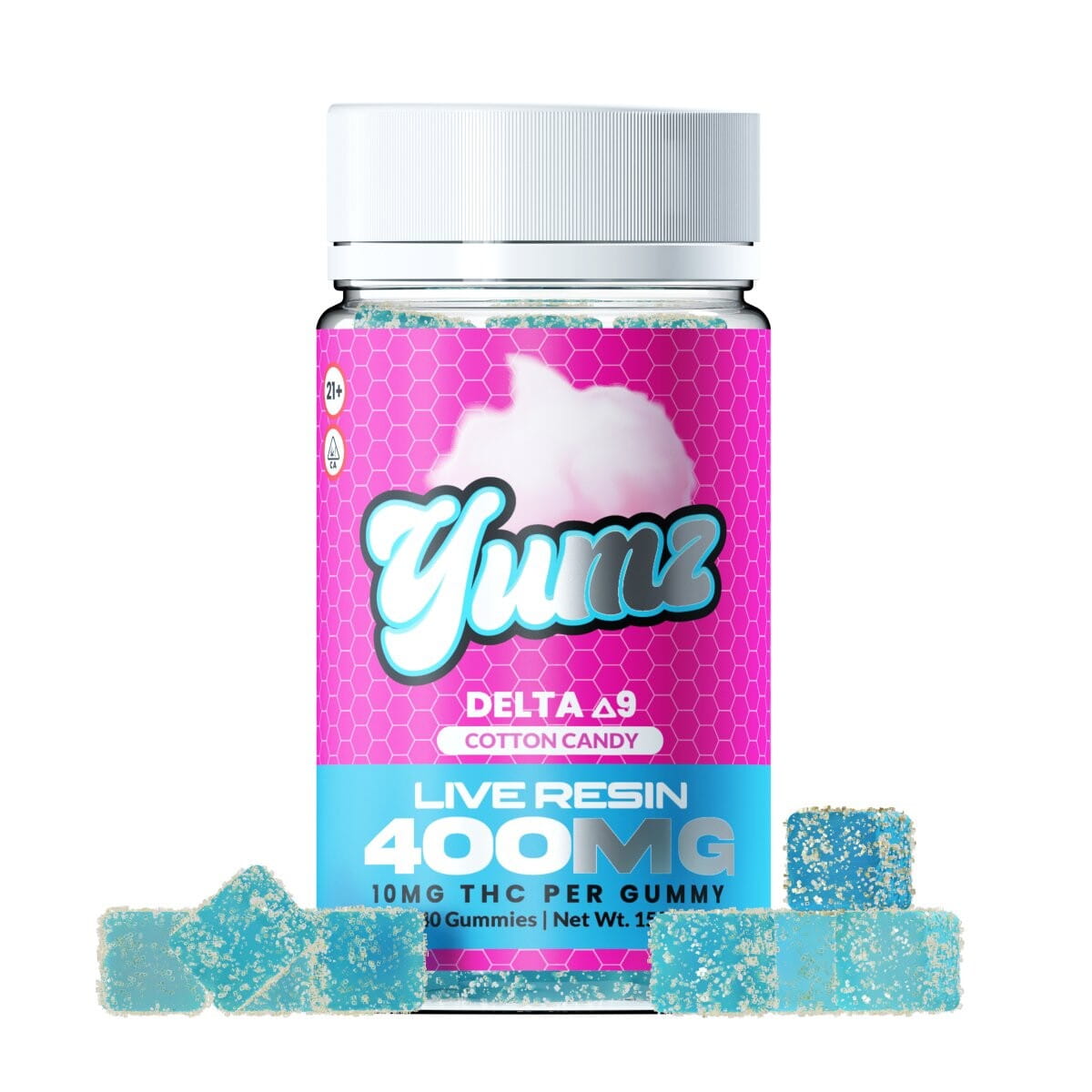
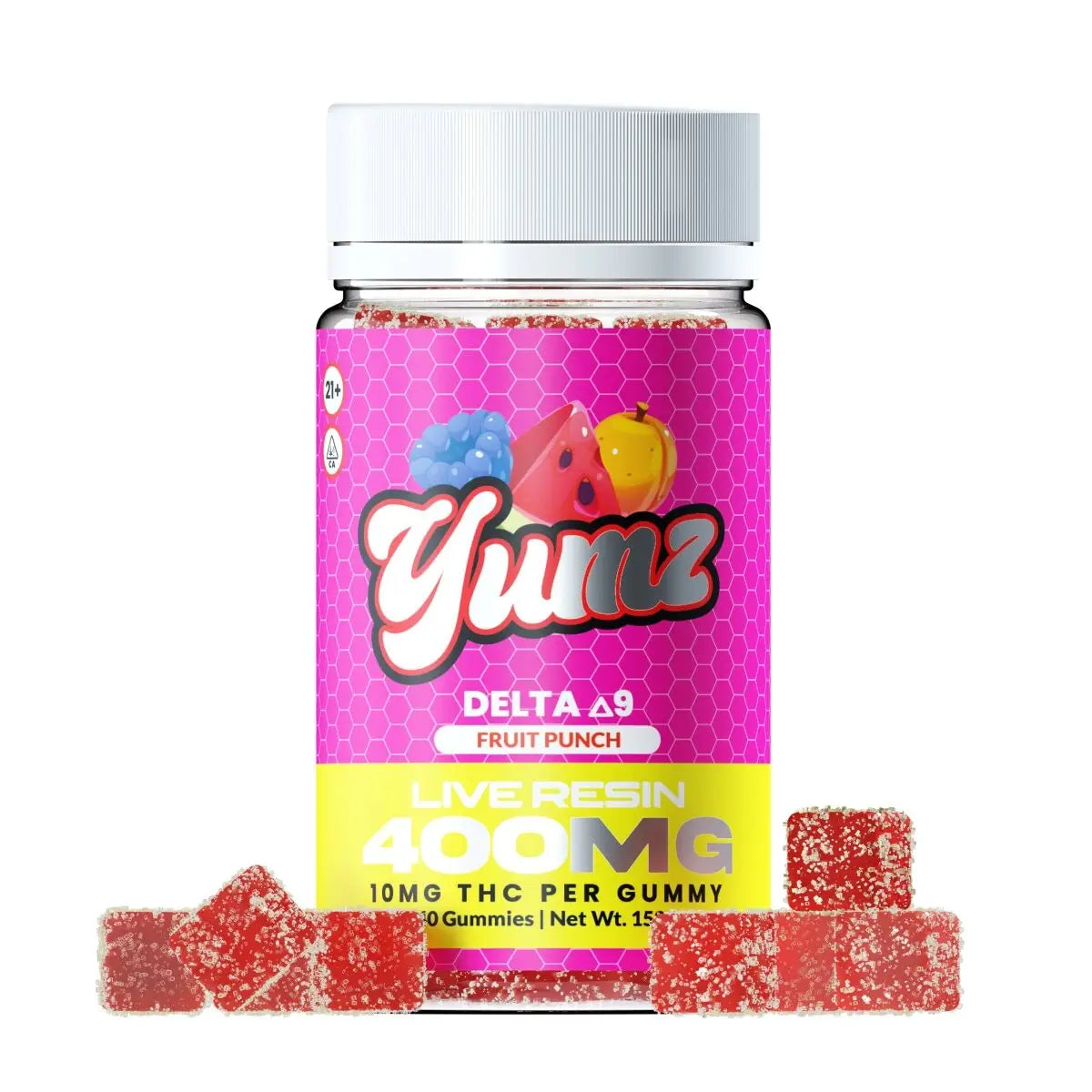
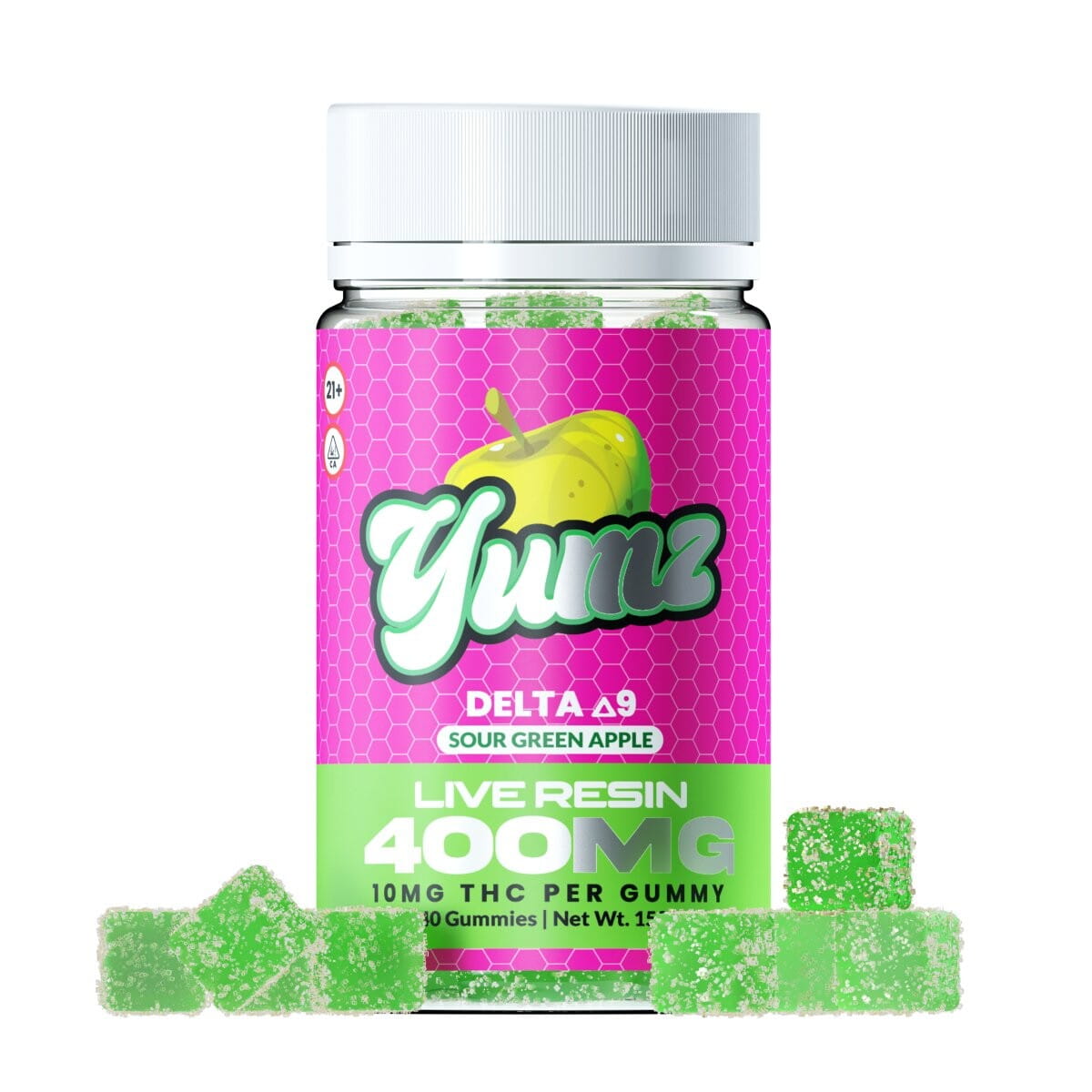
Cannabis wellness isn't about picking sides between THC and CBD. It's about understanding that both cannabinoids serve important purposes, and the quality of the source material determines whether you're supporting your wellness or compromising it. Clinical research suggests that THC offers legitimate therapeutic potential for conditions including chronic pain, nausea, and appetite stimulation. The National Academies of Sciences, Engineering, and Medicine published a comprehensive review finding substantial evidence for cannabis's effectiveness in treating chronic pain in adults. Demonizing THC means people who could benefit avoid it entirely, often due to misinformation rather than actual contraindications. That's not wellness—that's marketing. Meanwhile, the CBD-only crowd often misses out on the entourage effect. Full-spectrum products containing legal levels of THC (like those derived from hemp under the 2018 Farm Bill provisions) may offer more complete benefits than CBD isolate products. Whether you're exploring Delta 9 gummies or CBD tinctures, the source and extraction method matter more than the cannabinoid ratio. The conversation should focus on: Are the plants grown organically or with synthetic inputs? Is the flower tested for pesticides, heavy metals, and microbials? How was it dried and cured? What's the full cannabinoid and terpene profile, not just THC percentage? These questions tell you infinitely more about product quality than whether it contains THC or not.
What Consumers Should Actually Look For
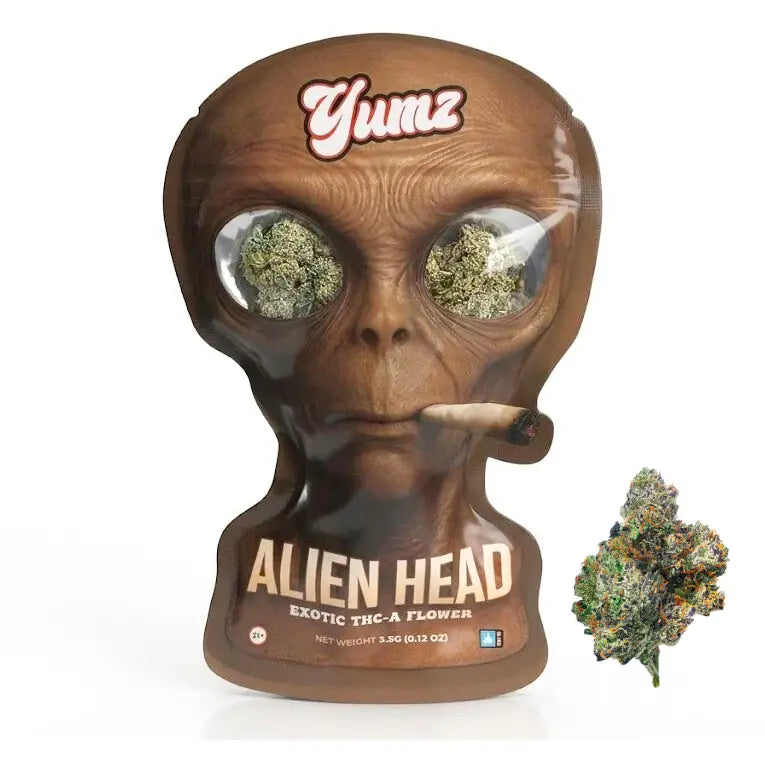
So what does quality-first cannabis shopping actually look like? Start by finding brands that prioritize transparency about their cultivation practices. Look for companies that provide complete Certificates of Analysis (COAs) showing not just cannabinoid percentages but also testing for contaminants. Organic or regenerative farming practices matter. Cannabis grown in living soil with cover crops and beneficial insects produces cleaner, more complex products than plants grown in sterile media with synthetic nutrients. Some cultivators are even pursuing organic certification despite federal restrictions making this challenging. Sun-grown or light-assisted greenhouse cultivation often produces more complex terpene profiles than indoor grows optimized purely for THC percentage. Third-party lab testing is non-negotiable. These statements have not been evaluated by the FDA, and these products are not intended to diagnose, treat, cure, or prevent any disease, but you still deserve to know exactly what you're consuming. Reputable brands test for potency, terpenes, pesticides, heavy metals, residual solvents, and microbial contamination. If a company won't provide current lab results, that's a red flag. When you're looking for the highest quality THCA flower grown with organic methods, cultivation transparency should be the first thing you evaluate. The same applies whether you're shopping for THCA disposable vapes or tinctures—the source material determines everything downstream.

Moving Beyond the Cannabinoid Wars
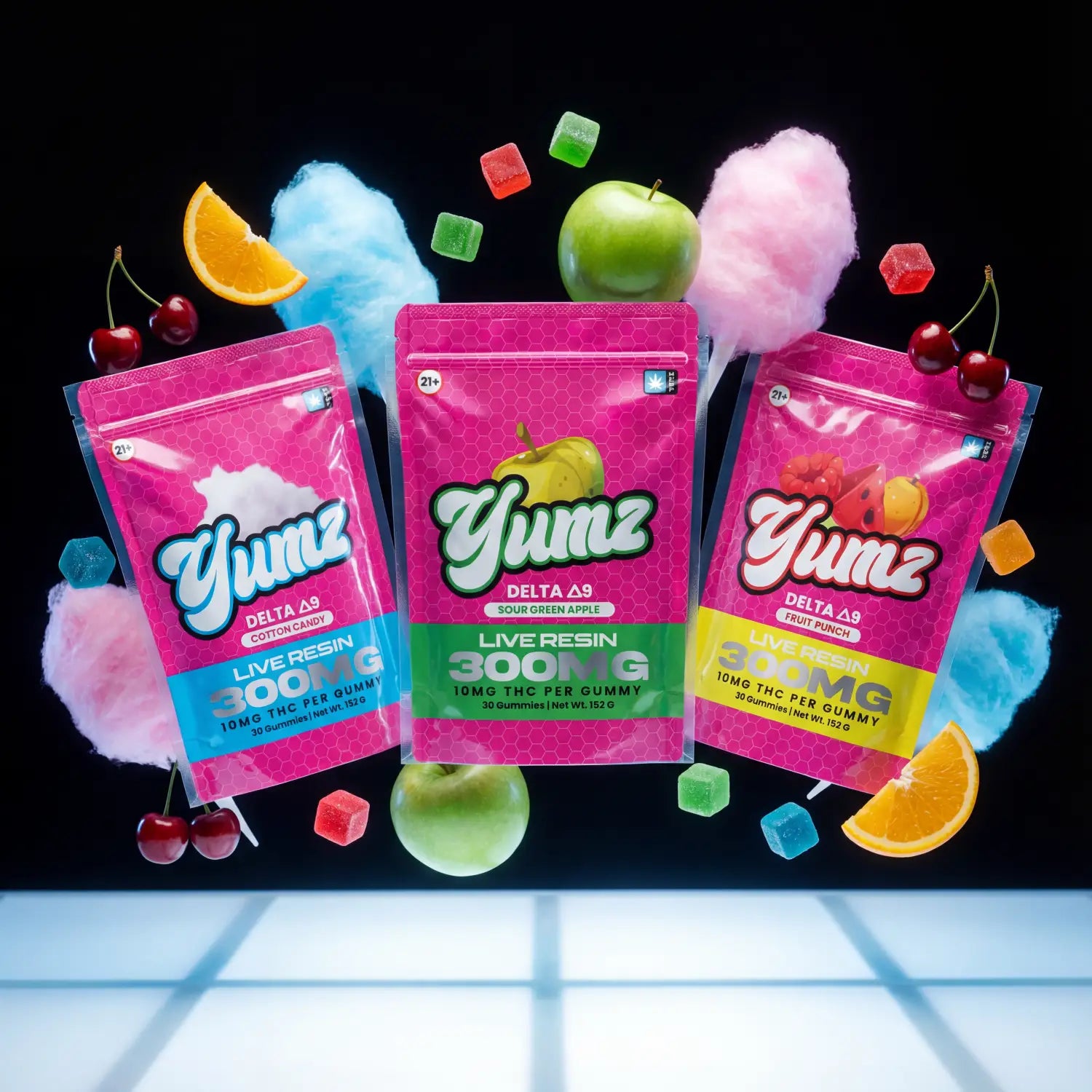
The demonization of THC serves marketing departments more than it serves consumers. It creates artificial divisions that ignore both scientific research and consumer experiences. Some people thrive with CBD-only products. Others need THC for specific wellness applications. Most benefit from some combination of cannabinoids working together. What actually matters is advocating for clean cultivation standards across the industry. States with legal cannabis markets should require pesticide testing and set limits on contaminants. Hemp regulations under the 2018 Farm Bill should expand to include cultivation practice standards, not just THC percentage thresholds. Consumers should demand transparency about growing methods, not just flashy packaging and high percentages. At Yumz Lab, we're committed to sourcing products from cultivators who prioritize quality over shortcuts. Whether you're exploring THC products for the first time or you're a seasoned cannabis enthusiast, you deserve to know that what you're consuming was grown with care, tested thoroughly, and produced without harmful chemicals. The future of cannabis wellness isn't about THC versus CBD. It's about clean cultivation, transparent testing, and empowering consumers to make informed decisions. That's a conversation worth having.
Conclusion
The cannabis industry's obsession with demonizing THC while glorifying CBD misses the entire point. What matters isn't which cannabinoid wins some arbitrary wellness competition—it's how the plant was grown, what contaminants it may contain, and whether the final product delivers clean, effective results. Demand better from brands, prioritize cultivation quality over flashy percentages, and don't let marketing departments dictate your wellness decisions.
Stay tuned to YumzLab.com for your daily dose of cannabis industry news and culture.


