



Ohio Cannabis Industry Faces Division Over New Marijuana and Hemp Restrictions
Ohio is at a crossroads in its cannabis journey. A grassroots effort is underway to challenge new restrictions on recreational marijuana and intoxicating hemp that many say could reshape the state’s cannabis market. This split is stirring debate among consumers, businesses, and advocates about how regulations should balance safety, profits, and product access.
Background: The Rise of Ohio’s Marijuana Law and the New Restrictions
Ohio voters approved recreational marijuana legalization with high hopes for a regulated market that supports consumer safety and economic growth. However, a freshly passed law is now poised to alter that original framework by imposing new bans on intoxicating hemp products and tightening controls on marijuana sales. This regulatory shift sparked immediate backlash. The group Ohioans for Cannabis Choice launched a referendum drive to collect signatures necessary for putting the measure before voters. They argue the law prioritizes profits from “unregulated intoxicating hemp” and gas station weed over public health. Critics, including some cannabis businesses, see the restrictions as a step backward that could stifle innovation and limit consumer options.
The ongoing debate highlights a key tension in cannabis policy: how to regulate emerging hemp-derived cannabinoids while safeguarding product quality and user safety. Ohio’s regulations reflect broader industry challenges, as states struggle to balance consumer access with controlling potentially intoxicating hemp products that exist in a complex legal gray area. With the referendum in motion, Ohioans will soon weigh directly in on this contested future.

Why This Matters: Navigating the Divide Over Hemp and Marijuana Regulations
What’s really at stake here? It’s not just a legal dispute; it’s about how Ohio’s cannabis market shapes up under competing visions. On one hand, supporters of the restrictions emphasize public health and safety. Intoxicating hemp products like Delta-8 THC or high-potency hemp concentrates can cause unpredictable effects because they fall outside the typical marijuana regulatory framework that requires product testing and strict licensing.
On the flip side, entrepreneurs and some consumers argue these restrictions threaten a burgeoning segment of the market that relies on hemp-derived cannabinoids which are federally legal under the 2018 Farm Bill. They fear that banning these products in Ohio will push consumers toward illicit or unregulated channels, compromising safety rather than improving it. This divide also reveals larger questions about the future of legal cannabinoids like THCA and Delta-9 THC, and how states classify and regulate them. Ohio’s debate mirrors nationwide industry tensions around managing new cannabinoids responsibly while allowing consumers to explore a wide array of legal cannabis options.


Analyzing the Regulatory Implications for Ohio’s Cannabis Market
Ohio’s legal cannabis space is particularly complex because it sits at the intersection of state-legal marijuana and federally legal hemp markets. Marijuana products are tightly regulated, requiring third-party lab testing, licensing, and strict limits on potency and sales. Hemp, defined federally as containing less than 0.3% Delta-9 THC, remains legal but many hemp-derived cannabinoid products now offer psychoactive effects that challenge those limits.
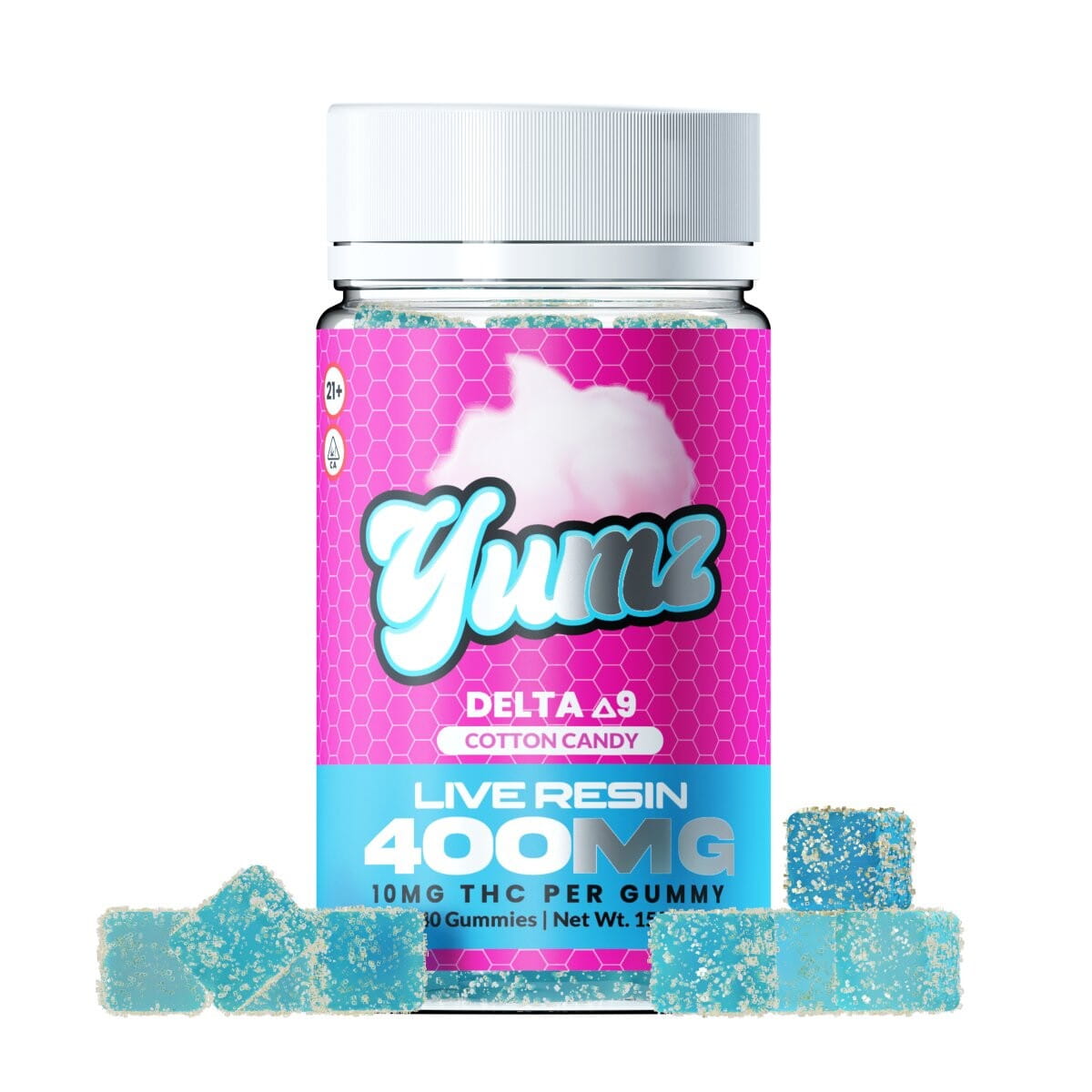
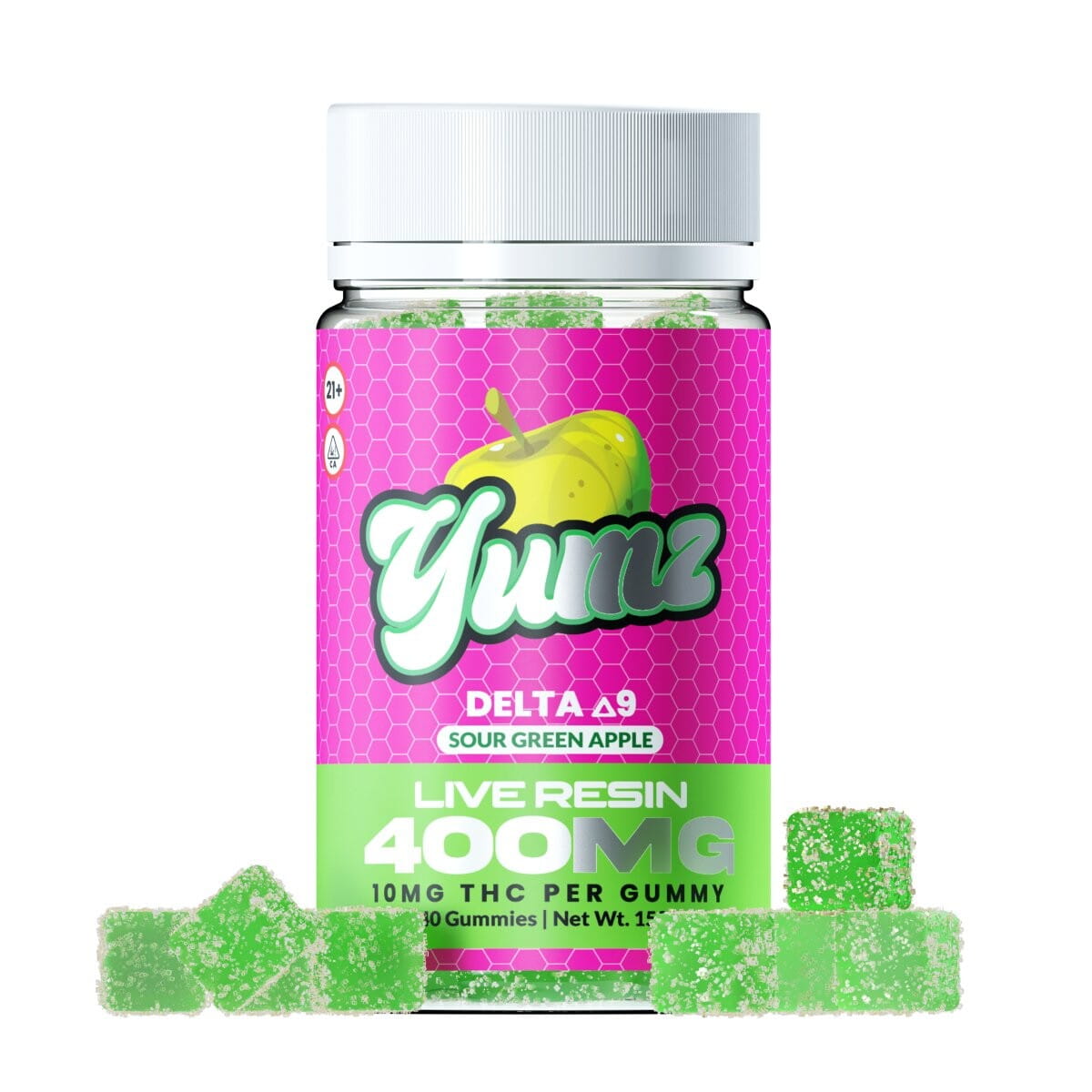
The new law’s ban on intoxicating hemp products effectively restricts substances that fall between these legal definitions. This has important implications for brands that sell THCA disposable vapes, premium hemp flower, and various THC gummies that are popular among consumers seeking legally available alternatives to traditional marijuana. The restrictions raise questions about product innovation and consumer choice. Will businesses adapt by focusing solely on fully regulated marijuana products? Or will consumer demand for exotic cannabinoids push more users to the black or grey markets?
This tension is not unique to Ohio. Many states face similar regulatory uncertainty as federal law evolves and the cannabis industry grows more diverse. The outcome of Ohio’s referendum will send a clear signal to the market about how much room there is for hemp-derived cannabinoid products in a regulated environment.
What This Means for Cannabis Consumers in Ohio
For you as a cannabis consumer, these developments could have a direct impact on what products you can access and how much they cost. If the referendum effort succeeds, it could roll back the state’s ability to restrict intoxicating hemp products, potentially allowing more hemp-based items like THCA vape carts and legal weed gummies to remain available. That would mean more options for consumers who prefer hemp-derived cannabinoids but still expect safety and quality assurance.
On the other hand, if the restrictions remain in place, consumers might find their choices limited primarily to marijuana products offered through licensed dispensaries. While this could increase product safety standards due to compliance requirements like COA testing and GMP certification, it might also increase prices and reduce access to less-regulated hemp alternatives that many find beneficial.
In either scenario, it’s vital for consumers to remain informed and prioritize products from trustworthy sources like Yumz Lab, a legal cannabis shop emphasizing lab-tested, high-quality products. Remember, not all THC products are created equal—look for transparency in cannabinoid content and testing to protect your wellness and safety.
The Broader Industry Impact: Business and Market Implications
This regulatory conflict in Ohio reflects a pressing issue for cannabis businesses nationwide—how to navigate a shifting and often contradictory legal environment around THC and hemp-derived cannabinoids. Multi-state operators (MSOs), cultivators, and retailers must carefully evaluate risk when deciding whether to invest in hemp alternatives or stick to marijuana products.
For local businesses in Ohio, the stakes are even higher. Compliance costs could rise sharply if the state pursues aggressive enforcement against intoxicating hemp. But restricting hemp products could also open opportunities in the fully regulated marijuana space for brands focusing on high potency flower and other sought-after cannabis items.
As cannabis research expands, showing therapeutic benefits of cannabinoids including THCA and Delta-9 THC, consumer demand is expected to grow—both for recreational enjoyment and wellness applications. Ohio’s legal framework will heavily influence which companies survive and thrive. The upcoming referendum isn't just a local vote; it's a test case for the nuanced balance of cannabis legalization, hemp regulation, and consumer freedom that many states will be watching closely.

Looking Ahead: What Cannabis Enthusiasts Should Watch For
What does all this mean for the near future? Ohio’s campaign to block marijuana and hemp restrictions is more than a political battle. It’s a pivotal moment that could redefine access, safety, and innovation within the growing cannabis market. Consumers and businesses alike need to stay engaged as the referendum process unfolds.
Keep an eye on how lawmakers and regulators adapt to new science around cannabinoids and the evolving marketplace. The federal government’s stance, particularly around hemp-derived products like weed pens and vegan THC gummies, will also influence state policies. For users, continuing education on cannabinoid profiles, dose control, and product sourcing remain essential to ensure safety and satisfaction.
Ohio’s cannabis community is clearly passionate and divided. The outcome will shape not only local cannabis law but also set a precedent that could ripple through the broader industry. This is your chance to be part of a pivotal chapter in cannabis legalization and regulation—stay informed, vote thoughtfully, and continue exploring legal, quality products that support your wellness journey.
Conclusion
Ohio’s cannabis industry stands at a critical crossroads where consumer safety, market innovation, and regulatory control collide. The referendum challenging new marijuana and hemp restrictions is a defining moment for the state’s cannabis future. While the debate rages, one thing’s certain: knowledgeable consumers who prioritize high-quality, lab-tested products from trusted sources will navigate whatever comes next with confidence.


Stay tuned to YumzLab.com for your daily dose of cannabis industry news and culture.


