



How Tegridy Farms Changed Randy’s Character and What It Means for Cannabis Culture
When a beloved character like Randy Marsh from South Park gets reduced to a one-dimensional role, it raises eyebrows. The shift mirrors a deeper change in how cannabis culture has been absorbed and transformed by industry forces. Let's unpack what this means—not just for fans, but for cannabis consumers and the evolving market as a whole.
From Free-Spirited to Formulaic: The Evolution of Randy Marsh
Randy Marsh once epitomized the free-spirited, unpredictable vibe that made cannabis culture relatable and genuine in mainstream media. His transformation into Tegridy Farms’ spokesperson coincided with a shift from complex humor to a narrow caricature. This shift is more than just a comedic pivot; it mirrors how cannabis commercialization has simplified something rich and nuanced into a product line and corporate message. Randy’s story is a reminder of how cannabis has moved from countercultural roots to a structured industry, affecting cultural perceptions along the way. This change reflects what many cannabis enthusiasts have experienced: as the market grows, the emphasis shifts from community and experience to branding and profit. It’s a cautionary tale about losing authenticity. For consumers who care about the soul of cannabis culture, this highlights a growing tension between art, legacy, and capitalism. The change isn’t unique to South Park; it’s a cultural echo of the cannabis space becoming more commercialized and less about individual expression.
Cannabis Capitalism’s Impact on Culture and Consumer Perceptions
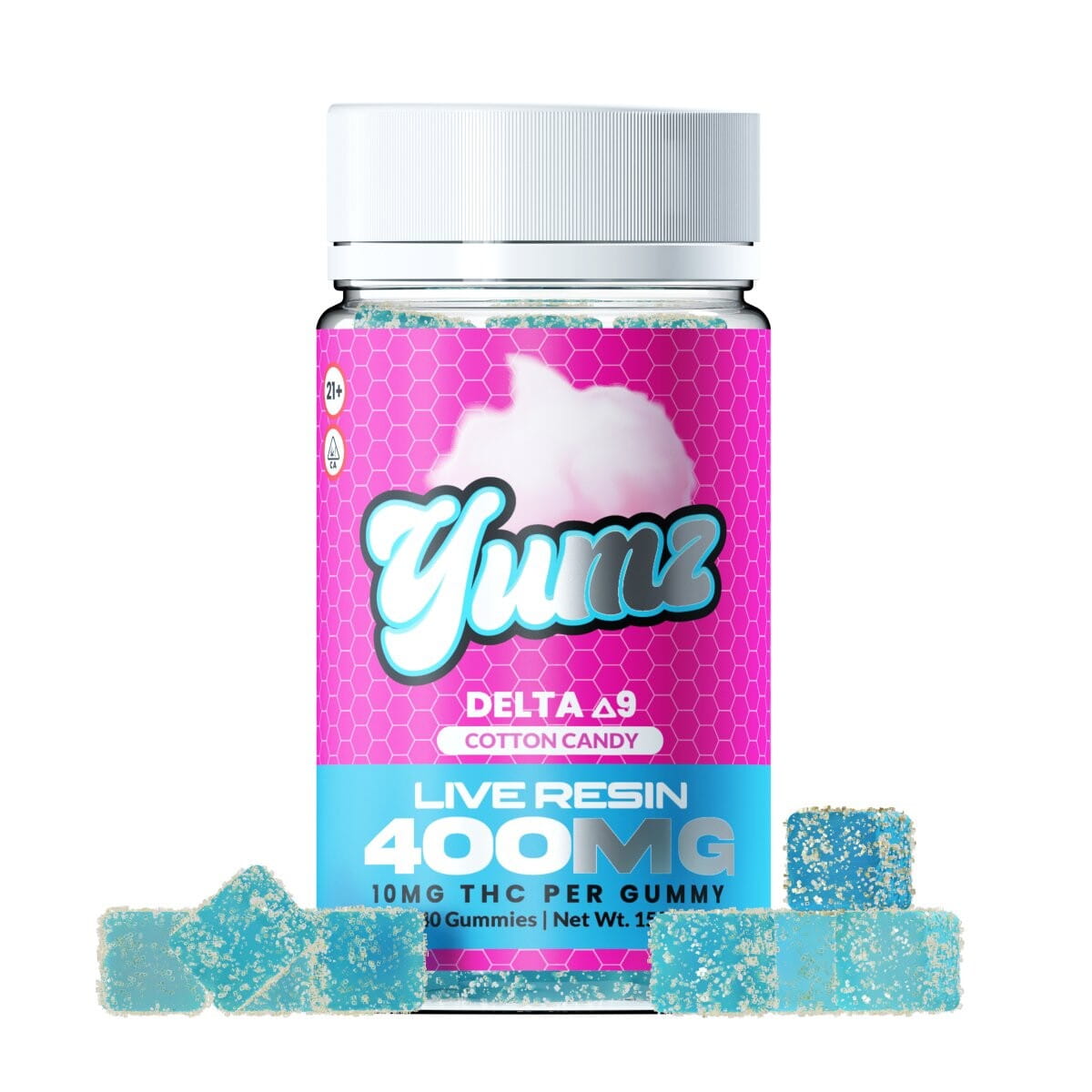
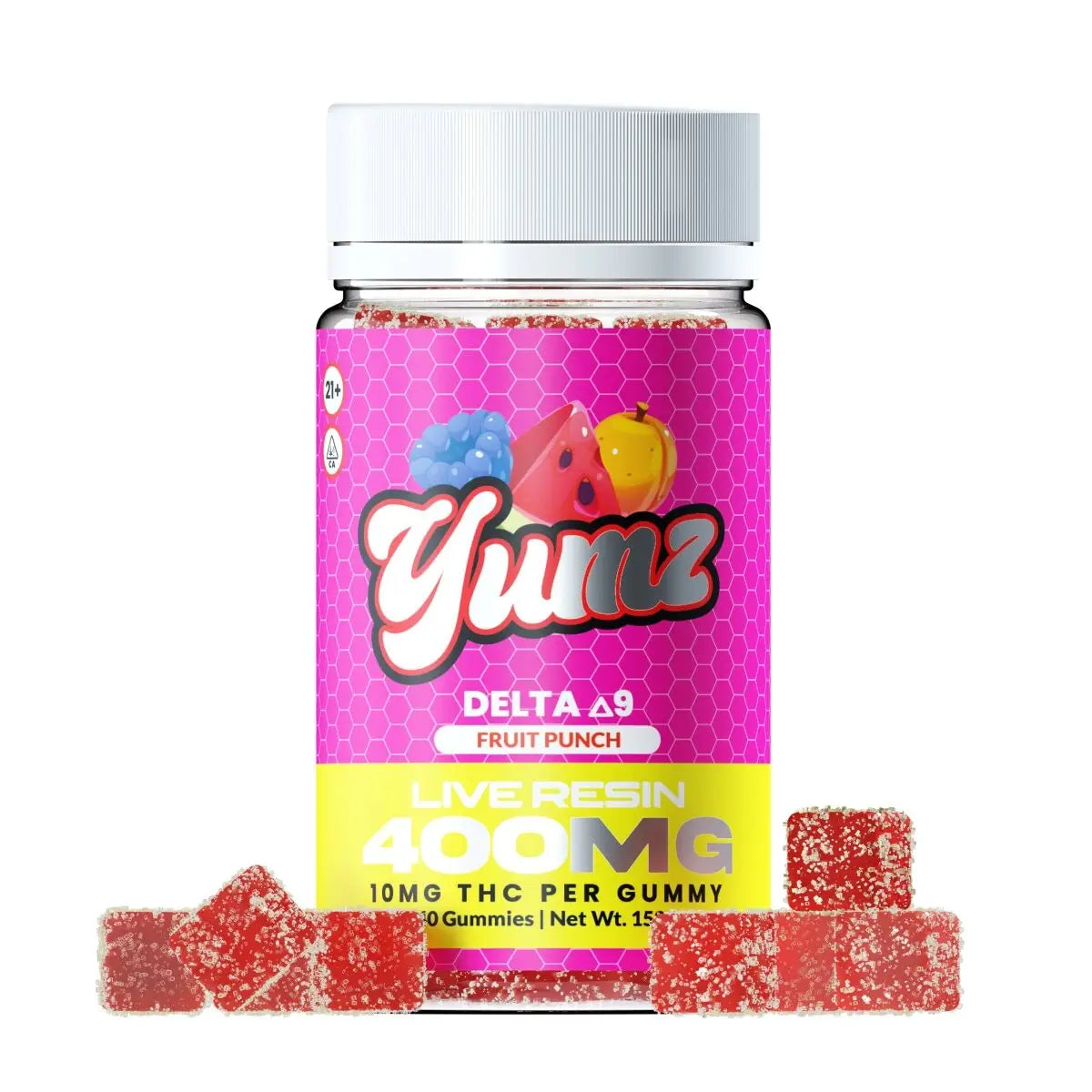
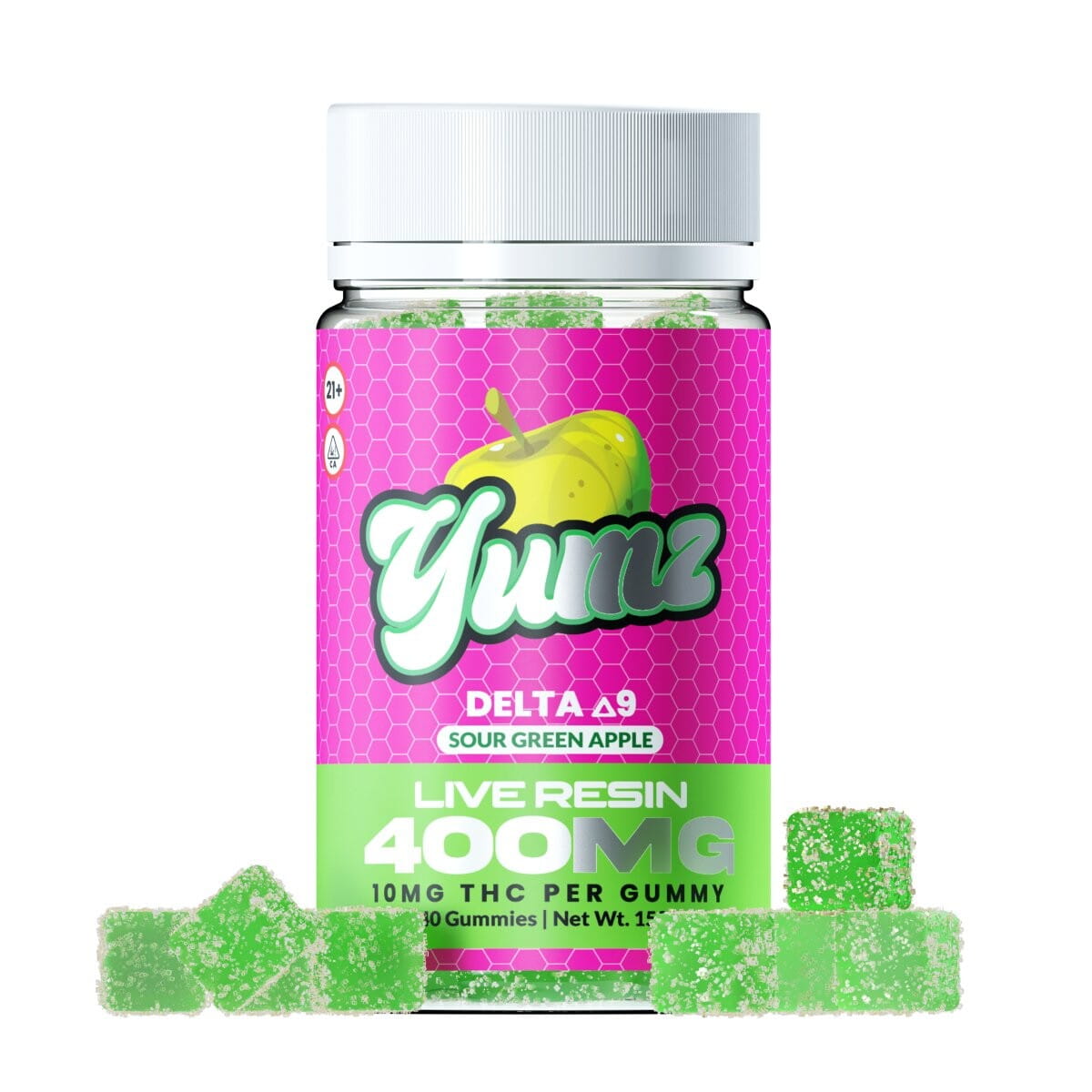
Cannabis capitalism describes the shift towards treating cannabis primarily as a commercial commodity, heavily influenced by market demands and regulatory frameworks. This economic model drives decisions that prioritize profits over cultural authenticity or community values. The Tegridy Farms storyline serves as a cultural case study: popular cannabis narratives get streamlined into marketing tools, losing much of their original complexity. This shift affects not only storytelling but also consumer expectations. Many cannabis users seek products that embody the ‘real’ roots of cannabis culture—creativity, freedom, and wellness. Instead, they often encounter carefully controlled branding. It’s why finding genuine expressions through products like premium hemp flower or artisanal vegan THC gummies is so important. These represent a bridge connecting quality, tradition, and new standards of production in a regulated market.
Navigating the Complex Regulatory Environment of Hemp and THC Products
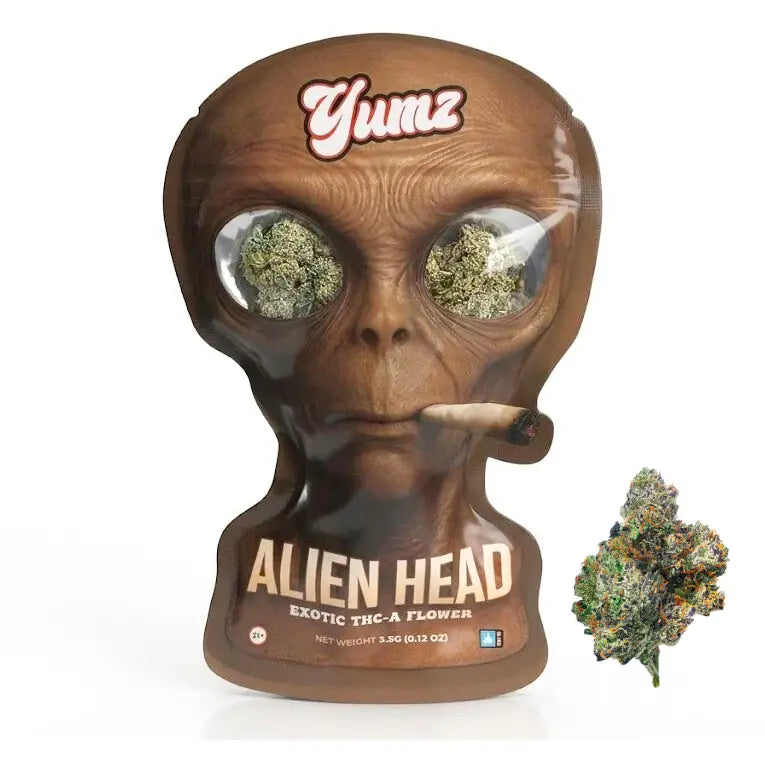
The regulatory environment around cannabis, especially hemp-derived products, has tightened dramatically since the 2018 Farm Bill legalized hemp with less than 0.3% Delta-9 THC federally. This distinction creates a legal split: hemp products are federally legal, while marijuana’s legal status varies by state. For consumers, understanding this landscape is crucial to access safe, legal products like THCA flower and THCA vape carts. Amid this patchwork of laws, brands must hold themselves to rigorous quality standards, including third-party lab testing and transparent THC content labeling. This protects consumers from unscrupulous products and helps maintain trust in the evolving market. Considering how industry trends affect availability and product innovation helps users make informed choices about what they consume, whether it’s hemp edibles or weed pens.
Why Consumers Should Care: Authenticity, Quality, and Wellness
So what does Randy’s transformation have to do with your cannabis experience? The answer lies in authenticity and quality. Just like Randy’s character was reduced, cannabis culture can lose its richness if consumers settle for generic or over-commercialized products. Choosing quality items such as Delta 9 gummies or THCA disposable vapes manufactured under strict standards preserves the connection between wellness, potency, and tradition. Moreover, authentic products are often supported by robust lab testing, ensuring safety and accurate cannabinoid profiles. Current studies suggest that cannabinoids like THCA and CBD contribute to wellness in unique ways, without the intoxicating effects found in Delta-9 THC. This emerging science highlights the importance of well-crafted products from trusted sources like Yumz Lab, an online headshop committed to transparency and consumer education. Understanding product differences and regulatory nuances empowers you to navigate the space confidently, supporting both your personal wellbeing and the broader shift towards responsible cannabis consumption.

Industry Implications: Balancing Growth and Cultural Integrity
Tegridy Farms’ narrative reflects a wider tension in the cannabis industry: growing demand fueled by legalization collides with preserving the culture that made cannabis special. Multi-State Operators (MSOs) and large dispensaries often focus on scalability and profit margins, potentially sidelining craft growers and legacy brands. This dynamic risks turning cannabis into a sterile commodity rather than a plant woven into communities and wellness practices. However, there’s a counter-movement gaining momentum as consumers demand more transparency, quality, and authenticity. Business models prioritizing artisanal hemp products, exotic THCA strains, and thoughtfully produced 510 thread carts are responding directly to this demand. This balance will shape the future of cannabis — can the market expand while honoring the plant’s cultural roots? The answer depends on consumer choices and industry leaders committed to ethical practices.
Conclusion
Randy’s turn from a complex character to a marketing tool is more than a shift in a TV show—it’s a lesson for cannabis consumers watching their culture change. As cannabis moves deeper into legality and commerce, staying connected to authentic, quality products matters more than ever. You hold the power to support a cannabis industry that values wellness, transparency, and legacy just as much as growth.
Stay tuned to YumzLab.com for your daily dose of cannabis industry news and culture.


