



Arkansas Supreme Court Ruling Sparks Backlash Over Medical Marijuana Access
A recent Arkansas Supreme Court ruling has stirred significant concerns by potentially allowing lawmakers to roll back medical marijuana access retroactively. This unexpected move threatens decades of progress in cannabis policy, prompting serious questions about what’s next for patients and the wider cannabis industry in Arkansas and beyond.
How Did Arkansas Arrive at This Controversial Ruling?
Arkansas has a long history with medical cannabis, slowly building access over 115 years through voter-approved initiatives and legislative efforts. But the recent state Supreme Court decision took many by surprise—it applies changes retroactively, affecting legal protections and medical marijuana programs that patients have relied on for years. This ruling effectively challenges the stability of Arkansas’ medical marijuana system by allowing lawmakers to restrict access even after patients have been legally using cannabis products.
Emily Williams, a chemotherapy patient who found relief from nausea and appetite loss with medical marijuana, voiced frustration: "The most troubling part is the retroactive impact. It disregards the hard work and votes from Arkansans over more than a century." This reaction highlights the uncertainty medical cannabis consumers now face. The ruling signals a potential rollback that might undo the progress patients and advocates fought hard to achieve.
Understanding the Legal and Regulatory Impact
This Arkansas ruling isn’t just about one state’s medical program—it raises serious regulatory questions tied to cannabis legalization across the U.S. Usually, laws affecting marijuana are applied prospectively, meaning they take effect going forward. But applying changes retroactively can jeopardize patient rights and industry operations. Retroactivity in cannabis law is rare and controversial because it disrupts the trust that legal cannabis users and providers place in the system.
Arkansas’ situation also reflects the broader conflict between state and federal cannabis laws. While Arkansas operates a state-legal medical marijuana program, cannabis remains federally illegal under the Controlled Substances Act. Hemp-derived products with less than 0.3% Delta-9 THC are federally legal under the 2018 Farm Bill, but marijuana with higher THC levels is not. This decision may muddy the waters for cultivators, dispensaries, and consumers trying to navigate this complex patchwork of regulations.


What This Means for Medical Cannabis Patients and Consumers
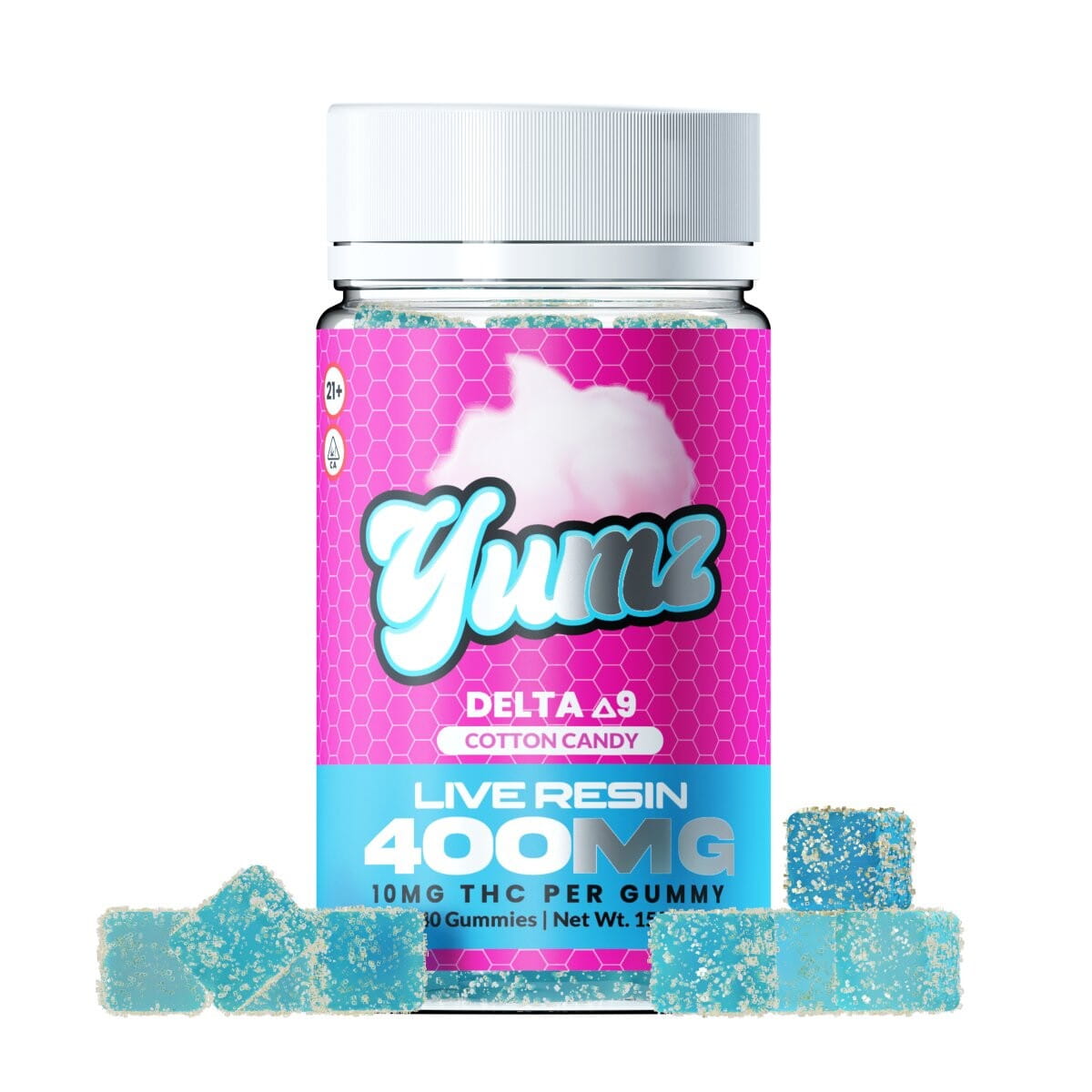
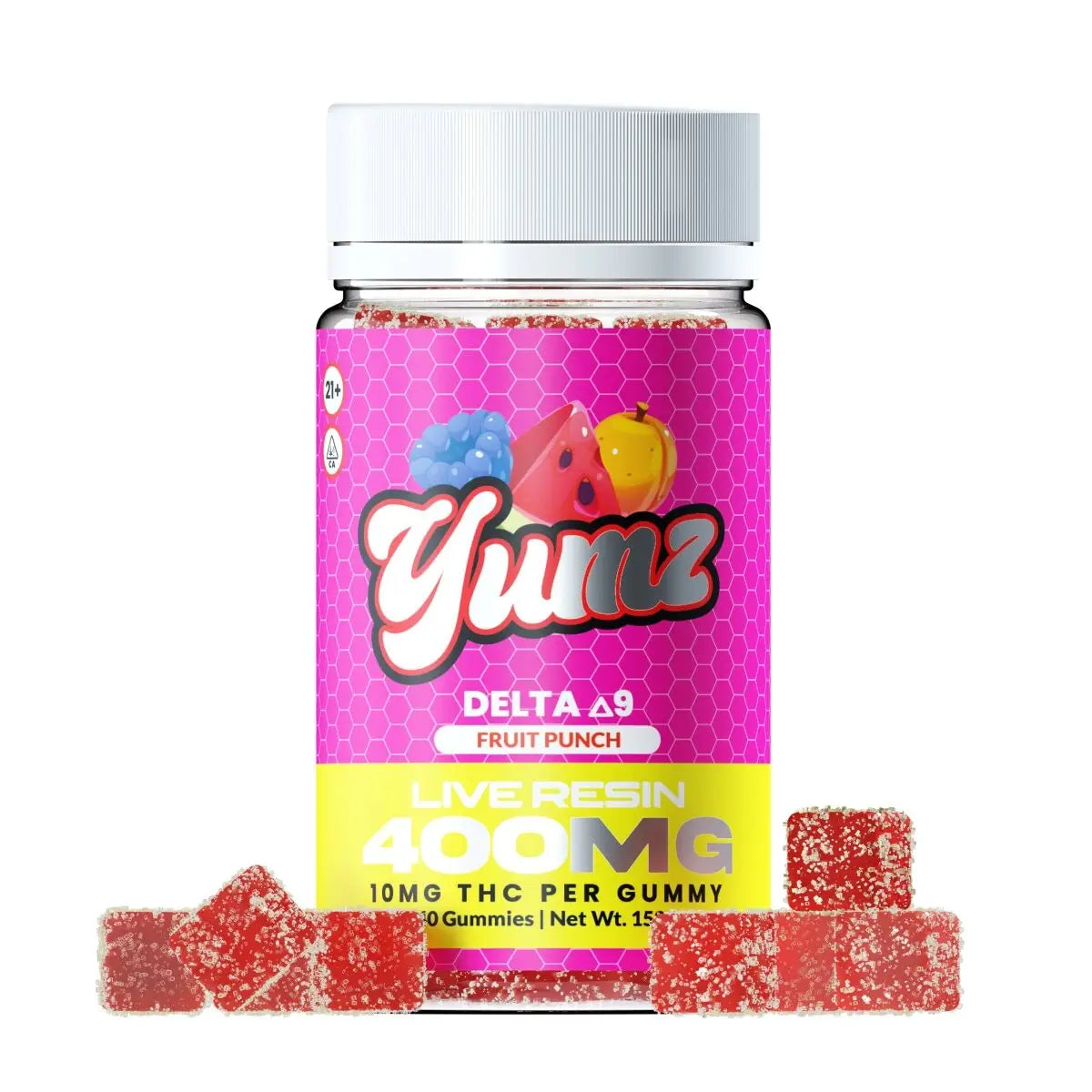
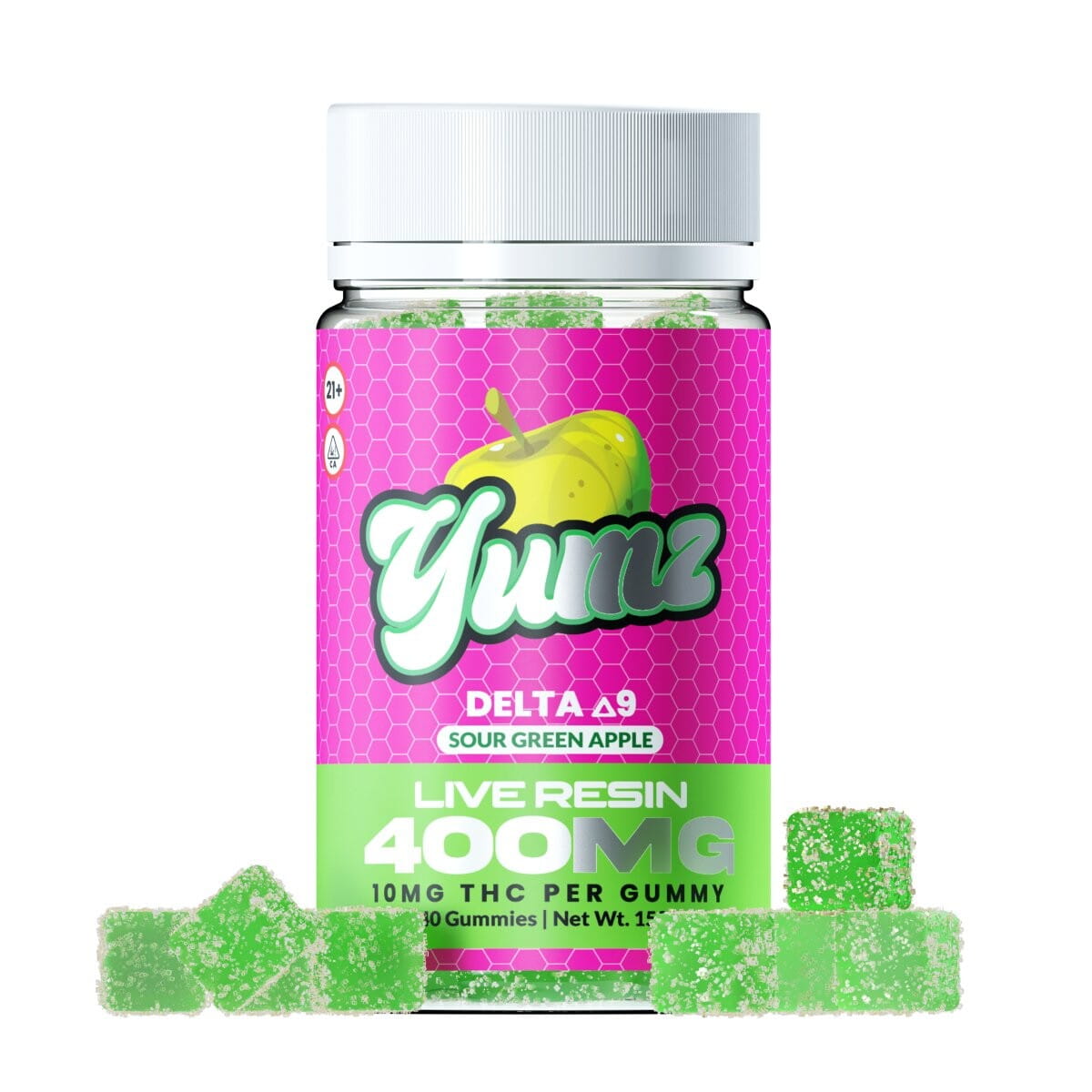
If lawmakers roll back access based on this ruling, patients could lose essential relief options overnight. Medical cannabis users often turn to THC products like premium hemp flower and Delta 9 gummies to manage symptoms including chronic pain, nausea, and anxiety. Restricting access could push patients back to opioids or less effective pharmaceuticals, increasing health risks.
Consumers also face uncertainty about product availability. Legal cannabis shops and online headshops like Yumz Lab strive to offer safe, lab-tested options such as THCA disposable vapes and THCA vape carts. But volatile legal frameworks make consistent supply and product quality harder to guarantee. This ruling could dampen industry confidence and product innovation, impacting what you find on store shelves.
The Business and Market Ripple Effects in Cannabis
The Arkansas decision could disrupt local cannabis businesses and investors. Medical marijuana dispensaries, cultivators, and ancillary services rely on predictable regulations to plan their operations. Instability from retroactive changes may slow industry growth, limit job creation, and shake investor confidence. For multi-state operators (MSOs) considering expansion, this ruling is a cautionary tale about legal risks.
It also highlights the ongoing challenges hemp producers face. With the tight 0.3% Delta-9 THC limit defining hemp vs marijuana, regulatory hesitation or restrictions can affect both markets. Legal cannabis is evolving rapidly, but regulatory clarity is needed to support vibrant, compliant markets. This ruling is a reminder that legal reforms require careful balance between public health, patient needs, and business viability.

What Cannabis Enthusiasts and Hemp Users Should Know Now
So, what’s your takeaway if you’re a cannabis user or hemp enthusiast? First, stay informed about your state’s laws—Arkansas shows how quickly access can change. If you rely on medical marijuana for wellness benefits, keep an eye on legislative developments and patient advocacy efforts.
Second, quality matters now more than ever. Whether you prefer THCA flower, hemp edibles, or vape products, choose brands that prioritize third-party lab testing and transparency. This approach helps ensure safety and cannabinoid potency, crucial in uncertain regulatory environments. Remember, hemp products containing less than 0.3% Delta-9 THC are federally legal, but state restrictions vary widely.
Finally, if you’re a patient, always consult healthcare professionals about your treatment options. Research from institutions like the National Institute on Drug Abuse shows cannabis can support symptom management, but it’s not a cure-all. Responsible use paired with expert advice is key.
Conclusion
Arkansas’ Supreme Court ruling introduces a jarring twist in the state’s medical marijuana story—one with real consequences for patients, consumers, and the cannabis industry overall. This moment urges all cannabis enthusiasts and stakeholders to stay vigilant and engaged with evolving policies. While setbacks occur, the passion and resilience within the cannabis community remain strong, pushing for access, safety, and progress. Keep watching this space as Arkansas’ cannabis journey unfolds, because what happens here matters to all of us invested in the future of THC, CBD, hemp, and wellness.


Stay tuned to YumzLab.com for your daily dose of cannabis industry news and culture.


