



Pennsylvania Marijuana Legalization Stalemate: What It Means for Cannabis Consumers
Pennsylvania is once again at a crossroads in its cannabis journey. House Democratic lawmakers are pressing the Republican-led Senate to act on marijuana legalization after the governor reintroduced it in his budget proposal. This political deadlock brings fresh urgency to the question: what’s next for cannabis consumers and the industry in the state?
The Political Backdrop: Why Pennsylvania’s Marijuana Legalization Faces Stalling
The current tug-of-war in Pennsylvania’s legislature revolves around adult-use cannabis legalization, with House Democrats championing reform and the GOP-controlled Senate showing resistance. The governor’s latest budget proposal reaffirms his commitment to pass a legalization bill, yet Senate inaction keeps the issue frozen. This stalemate is not unique to Pennsylvania; it reflects broader political dynamics seen in states grappling with cannabis policy shifts. For years, Pennsylvania has allowed medical cannabis and hemp-derived products under strict regulations. Despite growing consumer demand and successful medical programs, recreational legalization has stalled repeatedly. The stakes are high, given the expanding market for THC products like THCA flower and THC gummies, which attract both wellness users and recreational consumers. This deadlock isn’t just political theater—it underscores challenges balancing public health, safety concerns, tax revenues, and law enforcement priorities. Democrats argue that legalization would end unfair criminal penalties, boost the economy, and provide regulated access. Meanwhile, opposition voices demand more clarity on regulatory frameworks and social equity. This ongoing debate reflects the complexity of moving cannabis from the shadows into a full-fledged legal market.
The Importance of Legalizing Adult-Use Cannabis for Pennsylvania Consumers
Why does legalization matter to everyday cannabis consumers? For one, adult-use legalization promises safer access to a wider array of products under regulated quality standards. Legalization opens the door for licensed businesses to offer high-quality, lab-tested items like THCA vape carts and THCA disposable vapes, ensuring that consumers avoid untested or illicit marijuana with unknown potency or contaminants. Current restrictions limit consumers mostly to medical cannabis or federally legal hemp products capped at 0.3% Delta-9 THC. This leaves a big gap, especially for those seeking more potent THC experiences or flavored edibles and concentrates. Legal adult-use options also create economic opportunities by reducing the underground market’s share and enabling consumer protections through transparent ingredients and third-party lab verifications. Research shows that regulated cannabis markets can reduce youth access, improve product safety, and drive tax revenues for public health initiatives. But more than economics, legalization supports cannabis enthusiasts’ wellness goals, offering alternatives for relaxation, pain relief, or mental health support. The stalled progress means Pennsylvanians miss out on these benefits while still risking penalties in a confusing legal landscape.


Regulatory Roadblocks: Navigating Pennsylvania’s Complex Cannabis Policies
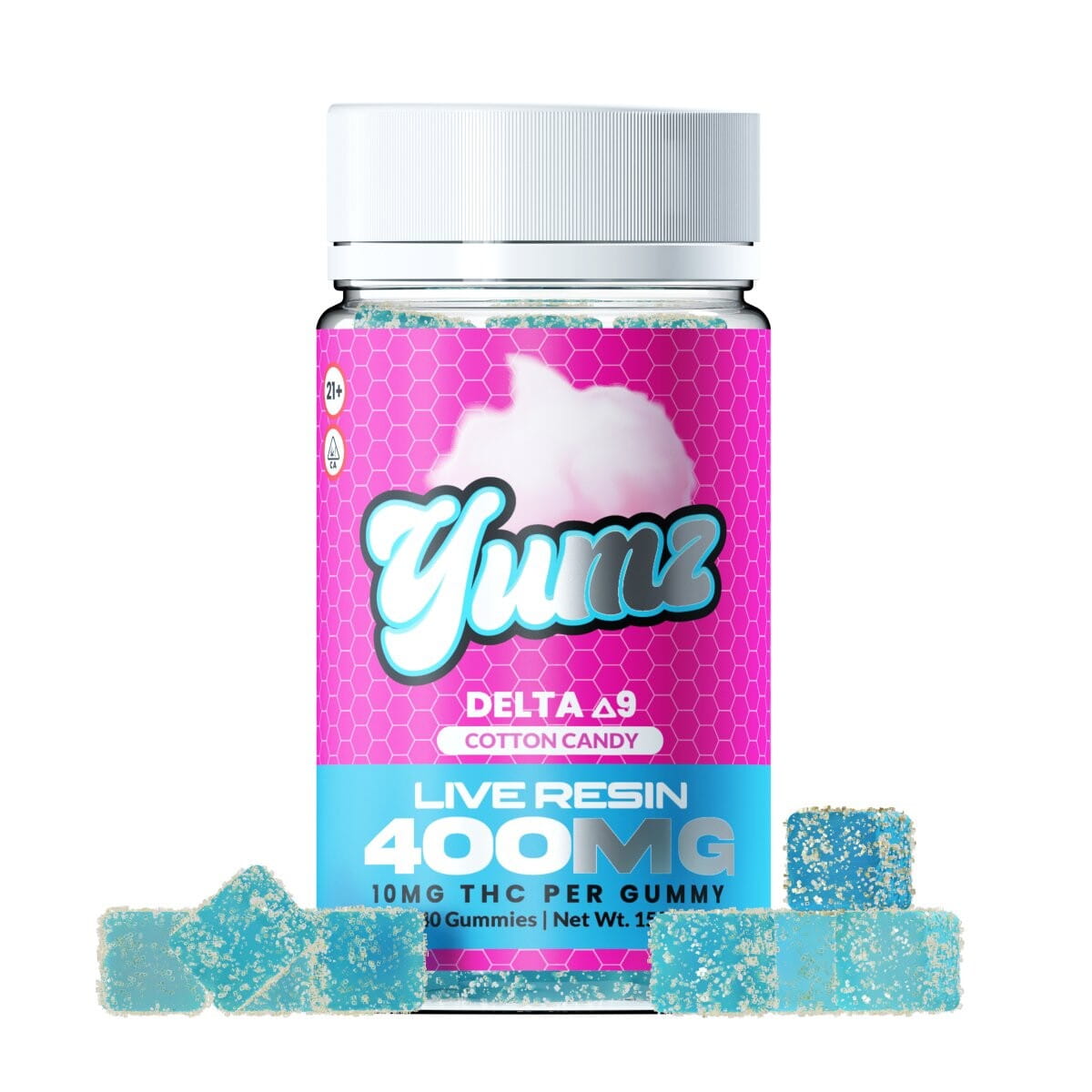
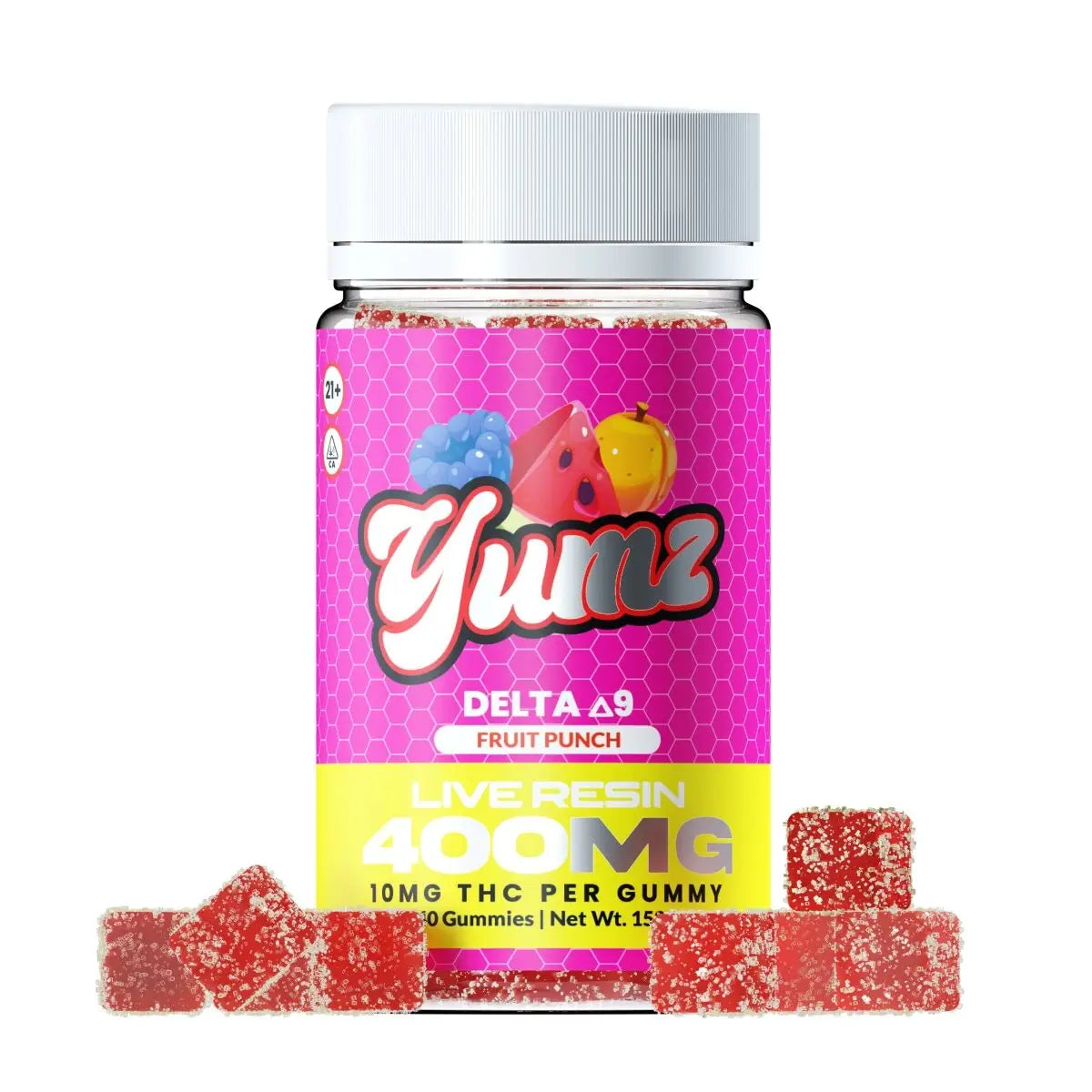
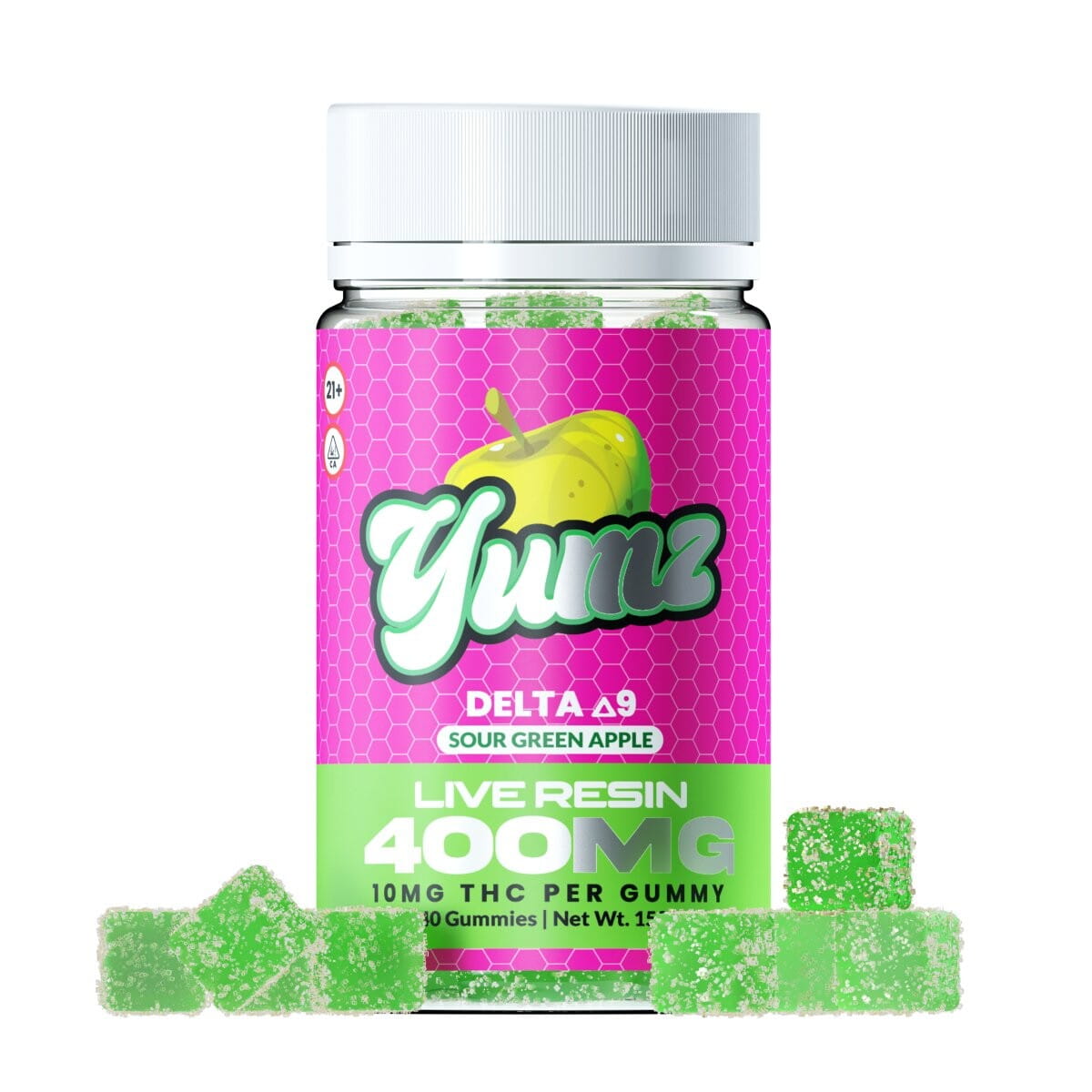
Pennsylvania’s hesitation partly stems from the intricate regulatory hoops needed to manage a safe, equitable adult-use cannabis market. Unlike hemp, which falls under the 2018 Farm Bill with a federal THC cap of 0.3%, marijuana legalization requires state-specific laws that address licensing, taxation, social justice, and public safety. The Senate’s concerns include how to balance tax structures that don't fuel a black market, how to design licensing that promotes social equity, and how to ensure public safety without over-policing. States that have legalized marijuana provide valuable case studies—some have struggled with overtaxation pushing consumers back to unregulated markets, while others have excelled by adopting fair licensing and community reinvestment programs. Meanwhile, Pennsylvania’s medical cannabis program has demonstrated that structured, regulated cannabis commerce is possible. Many advocates argue the path is clear to extend adult-use frameworks, emphasizing safeguards like mandatory lab testing, use of COA certifications, and GMP manufacturing standards to deliver safe products. Consumers looking for legal cannabis options are already turning to trusted sources like Yumz Lab’s legal cannabis shop to find quality hemp-derived alternatives while the state stalls on policy.
What This Means for Cannabis Consumers: Product Availability and Safety
With legalization blocked, consumers face confusing choices between medical cannabis, hemp products, and illicit marijuana. This affects product variety, pricing, and above all, safety. Hemp-derived products such as premium hemp flower and legal weed gummies offer legal access to cannabinoids like THCA and low-THC Delta-9, but they don’t provide the same effects as recreational marijuana with higher THC content. For wellness-minded users, this means settling for less potent options or sourcing from unregulated dealers, which poses risks. Consumers increasingly seek transparency—knowing the cannabinoid profile, purity, and terpenes help tailor experiences for anxiety relief, pain management, or sleep support. Without legalization, reliable access to these tailored products remains limited. The question “How does this affect my ability to buy THC online or find reliable vape pens?” is on many users’ minds. Trusted online headshops like Yumz Lab are stepping up with high-quality weed pens and vape cartridges, filling the void for consumers seeking safer, enjoyable options amid regulatory uncertainty.
Industry Impact: What the Legalization Stalemate Means for Businesses and Market Growth
The stalled marijuana legalization directly affects businesses aiming to enter Pennsylvania’s cannabis market. Entrepreneurs and Multi-State Operators (MSOs) face an unpredictable environment, delaying investment decisions and limiting job creation in cultivation, processing, and retail sectors. Without clear adult-use regulations, companies must rely heavily on hemp products and medicinal cannabis, which cap revenue potential. The market is ripe with anticipation, especially for high-demand products like exotic exotic THCA strains and popular hemp edibles. However, legislators dragging their feet indirectly prolong the black market’s stronghold, creating lasting challenges for compliance and quality control. On a broader scale, Pennsylvania’s experience signals to other states watching the cannabis policy scene that political will remains the toughest hurdle. Yet, the demand for cannabis products and the wellness benefits from cannabinoids like CBD and Delta-9 THC only intensify. Businesses that can adapt by offering a diverse range of hemp-derived THC products and emphasize quality assurance through lab testing are best positioned to thrive in this murky climate.

Looking Ahead: The Future of Cannabis Legalization in Pennsylvania and Beyond
So, when will Pennsylvania break this deadlock? The ongoing calls from the House and the governor’s renewed push suggest that pressure is mounting. As public opinion continues shifting in favor of legalization, and state coffers eye cannabis-derived tax revenues, momentum could soon tip the scales. If and when legalization passes, Pennsylvanians can expect rapid expansion of product availability, from flower and vape pens to edibles and concentrates. Consumer safety will improve as regulated vendors must comply with established industry standards, including third-party lab reports and GMP practices. This progress will empower cannabis users seeking anything from relaxing hemp vape pens to potent legal weed flower for recreational enjoyment. In the meantime, consumers and industry stakeholders alike should stay informed about shifting policies and continuing research into cannabinoids’ health benefits. Remember, although cannabis is a promising wellness tool, these statements have not been evaluated by the FDA, and products are not intended to diagnose, treat, cure, or prevent any disease. With patience and informed choices, Pennsylvania’s cannabis enthusiasts can navigate today's challenges while preparing for a more open future.
Conclusion
Pennsylvania’s cannabis legalization stalemate is more than a political impasse; it’s a defining moment that shapes access, safety, and growth in the state’s cannabis space. For consumers craving quality and variety, the wait is frustrating but underscores the complexity of balancing public health with policy. As momentum builds, those interested should focus on trusted sources like Yumz Lab to find reliable, lab-tested THC and hemp products for their wellness and recreational needs.

Stay tuned to YumzLab.com for your daily dose of cannabis industry news and culture.


