



How Cannabis Helped Transform Recovery in a State Fighting Weed
Cannabis isn’t just a recreational plant—it’s a lifeline for many fighting addiction and seeking wellness. In states that still criminalize marijuana, individuals are finding unexpected recovery and creative inspiration through this misunderstood herb. Let’s explore why this matters and what it means for cannabis users and advocates alike.
The Complex Intersection of Cannabis, Addiction, and Recovery
In many states across the U.S., cannabis laws remain strict despite growing evidence supporting its medical and wellness benefits. For people battling addiction, this creates a paradox: a plant that could help them heal is often illegal or feared. The story of cannabis as a tool for recovery isn’t new, but it’s rarely told in places where marijuana is still hunted by law enforcement. Besides being a natural alternative to harsh pharmaceuticals, cannabis can support mental health, relieve anxiety, and help reduce dependency on substances like opioids and alcohol. According to research from the National Institute on Drug Abuse, cannabinoids like THC and CBD have properties that may ease withdrawal symptoms and decrease relapse risk, making cannabis a valuable option in some recovery programs. But there’s a catch: legal restrictions still cause many potential users to hide their use, risking legal consequences instead of embracing cannabis’s therapeutic potential.
Cannabis and Creativity: More Than Just a High
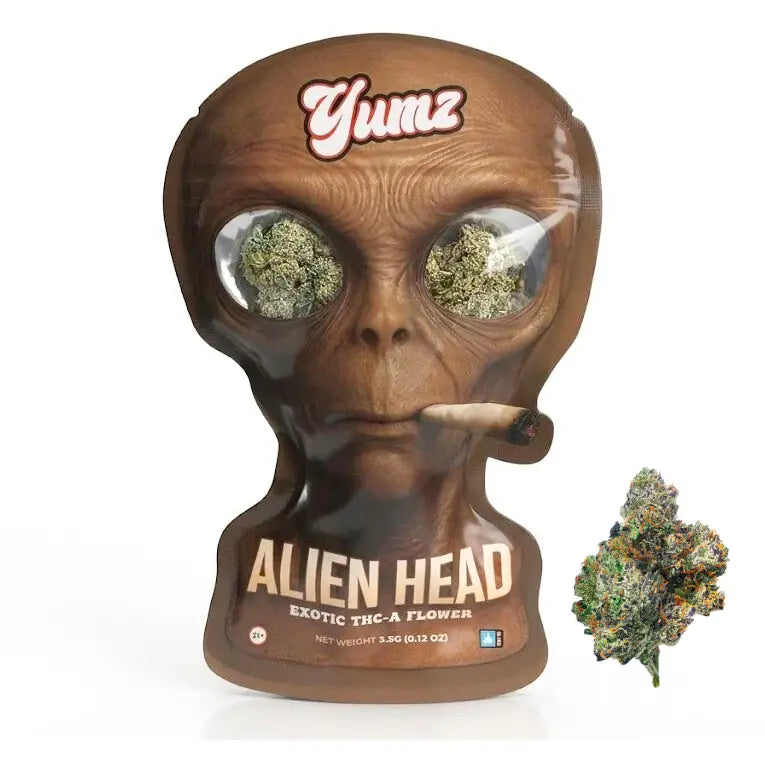
One fascinating aspect of cannabis use in recovery is its ability to reignite creativity and a sense of purpose. For many, addiction dims their creative spark—that essential drive that colors life and offers meaning beyond survival. Cannabis’s psychoactive compounds, especially THC, interact with brain receptors involved in mood, memory, and creativity. This can help users reconnect with passions and hobbies that support long-term wellness. Consider the role of exotic THCA strains from premium hemp flower, which deliver a more nuanced cannabinoid profile than traditional marijuana strains. These products offer therapeutic benefits without intense intoxication, aligning perfectly with recovery goals that emphasize function and self-awareness. It’s not just about getting high—it’s about finding clarity and joy, which is priceless in healing journeys. Cannabis in this light is a tool for transformation and rediscovery, not just a recreational escape.

Navigating Legal Challenges and Regulatory Realities
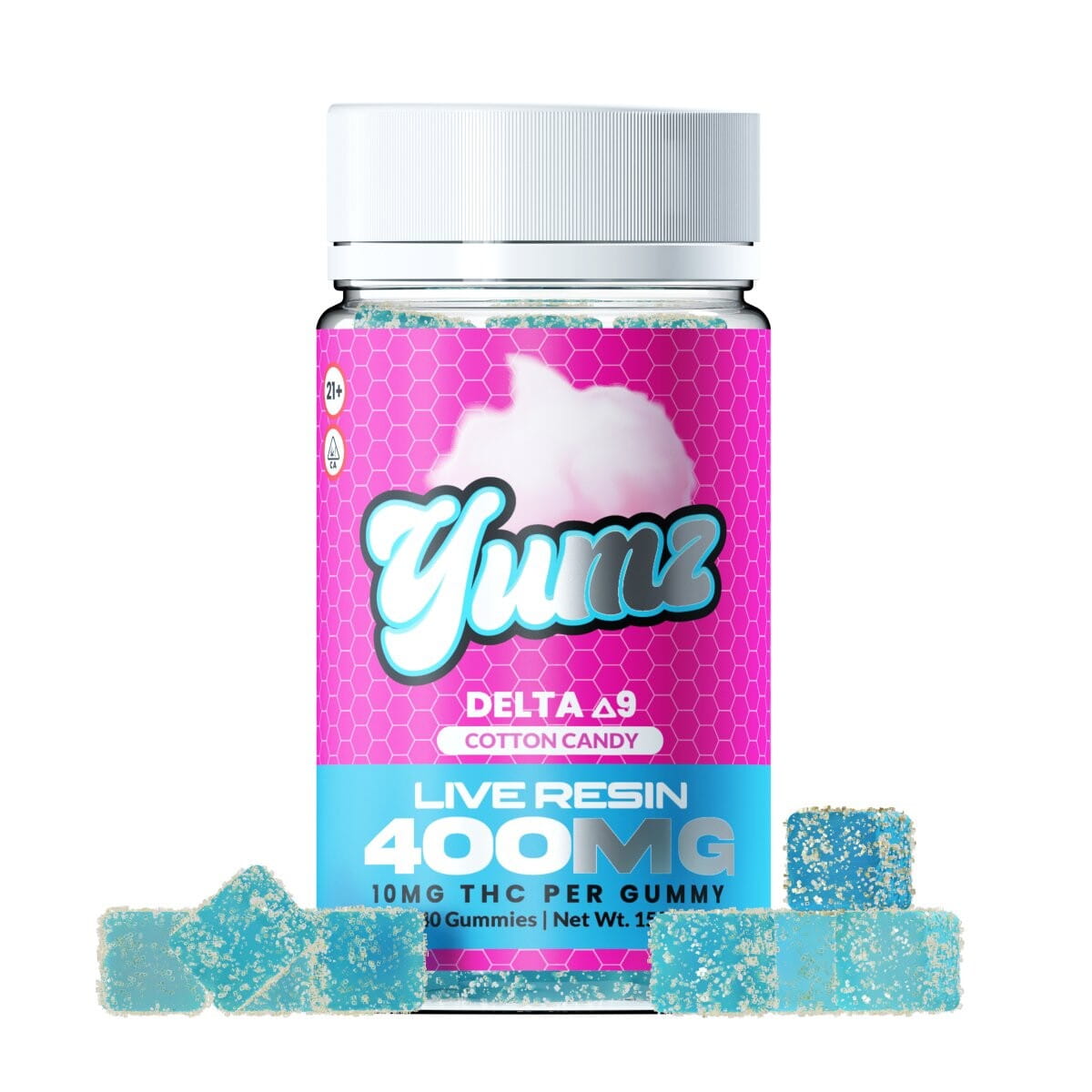
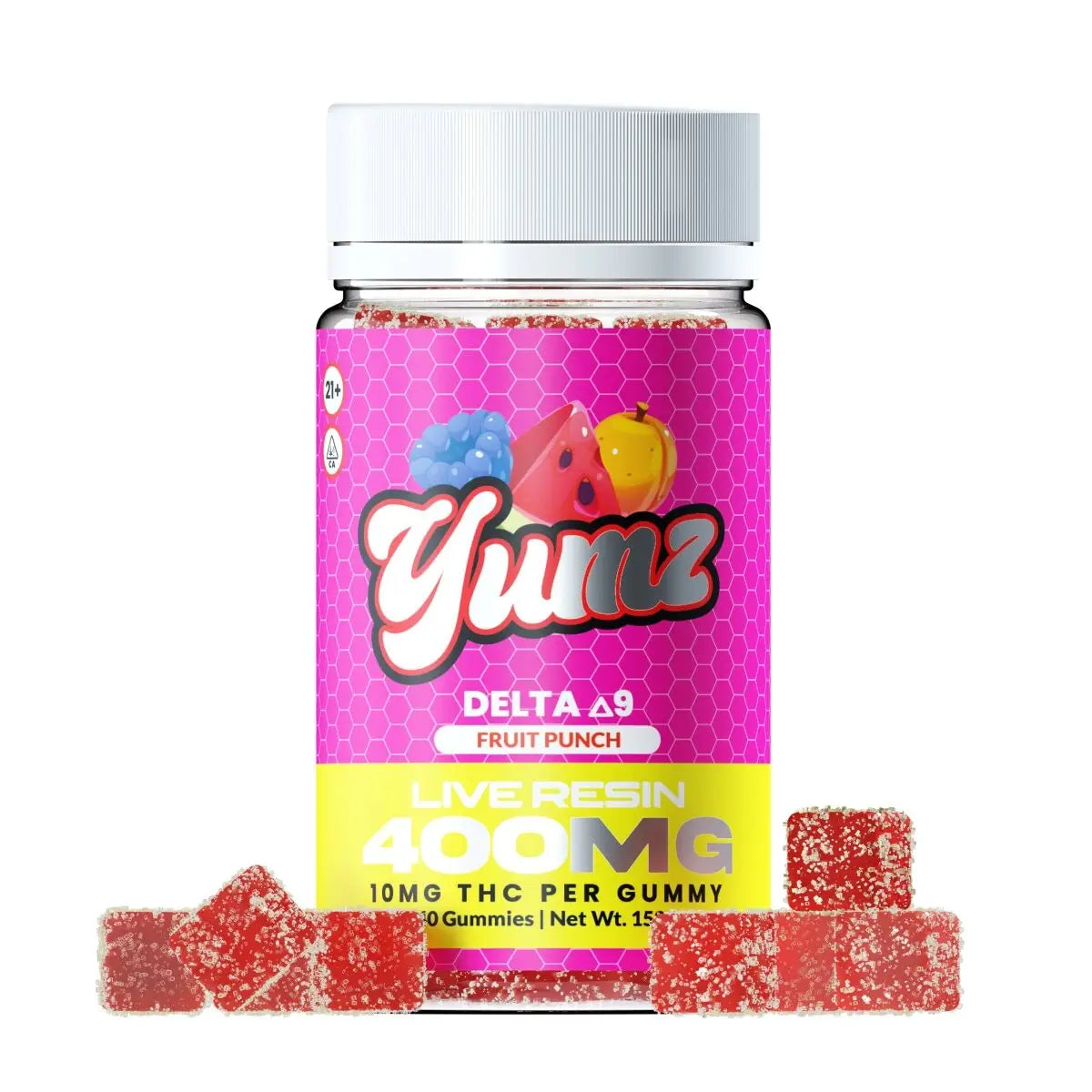
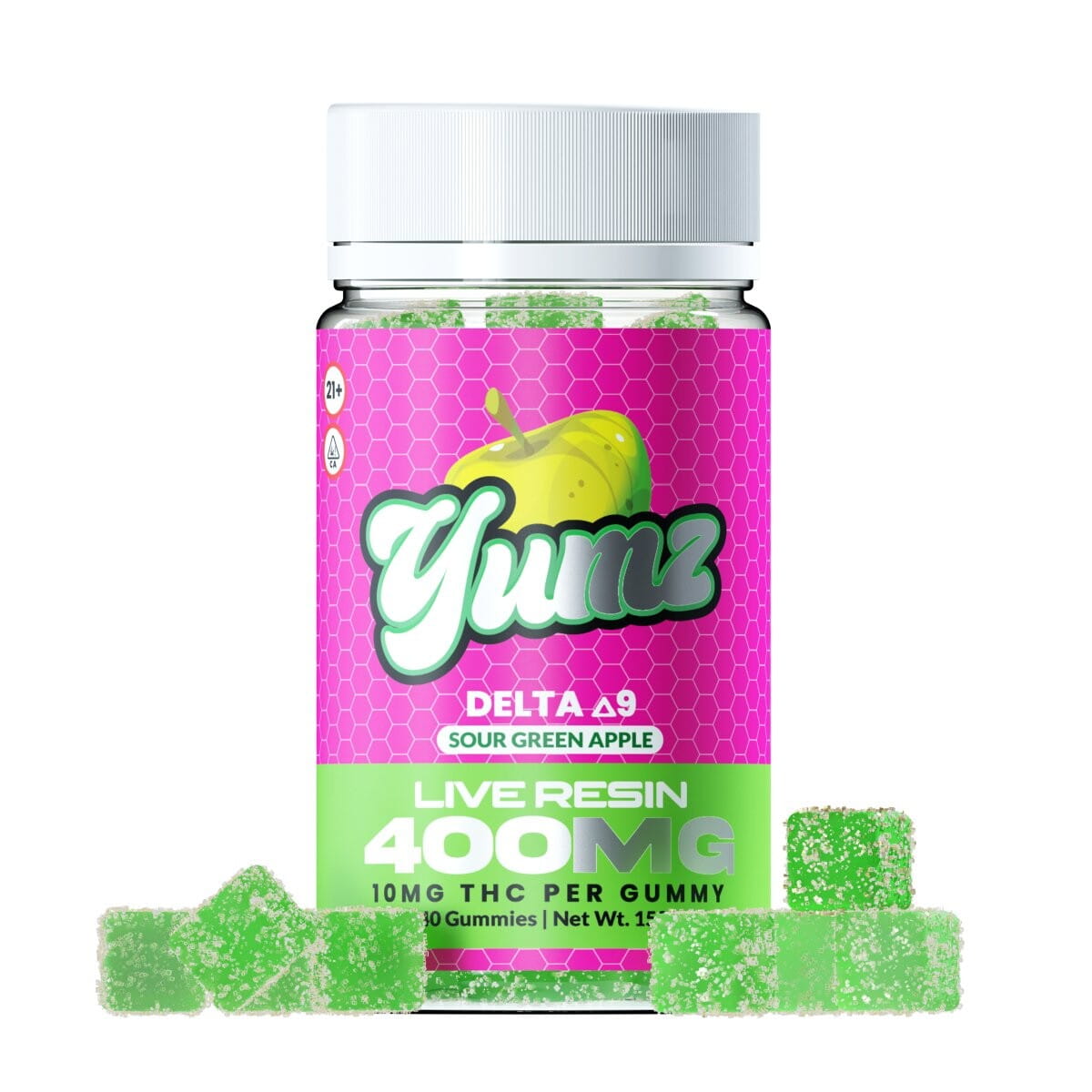
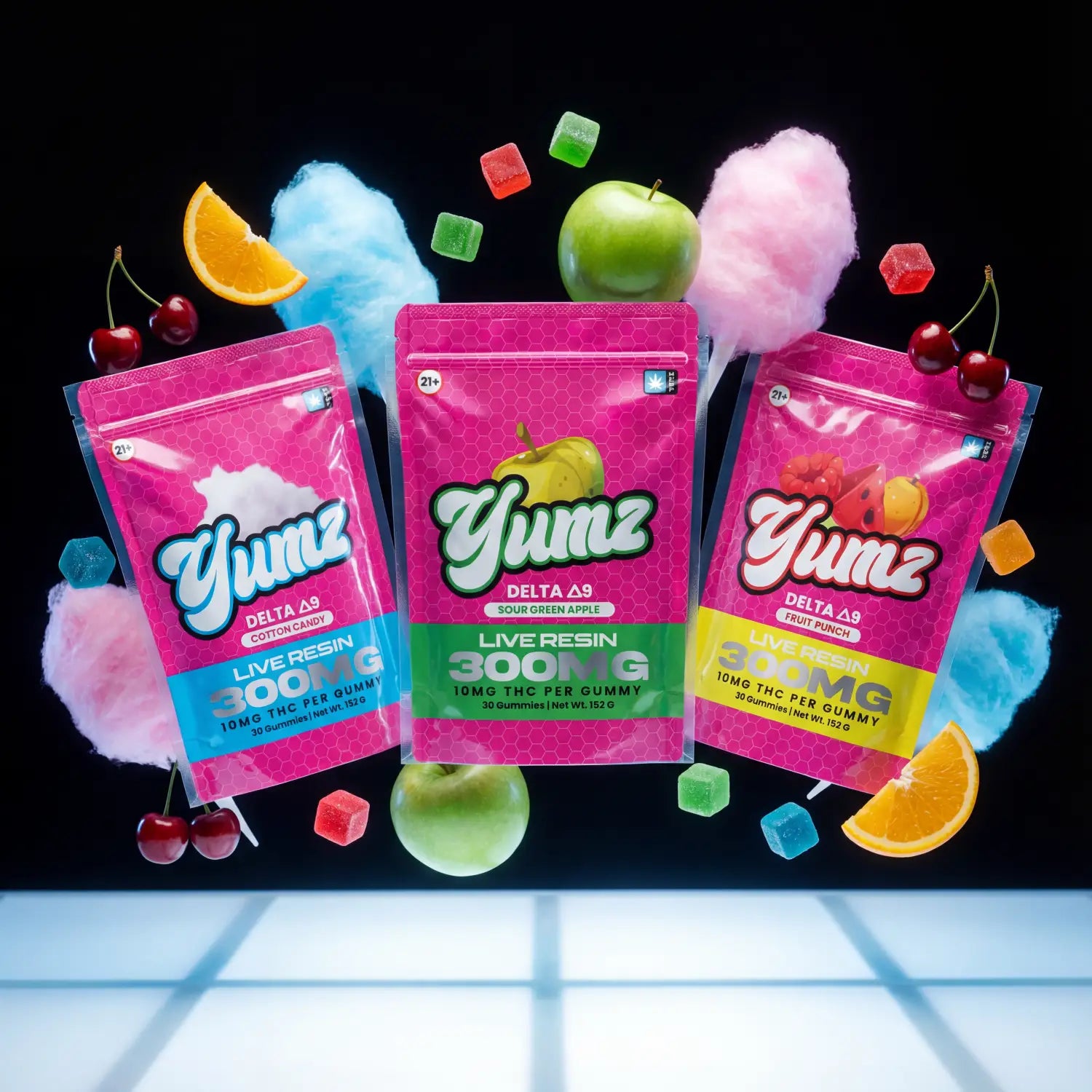
The legal gray area around cannabis complicates its use for recovery in states that have yet to legalize recreational or medicinal marijuana. Federally, hemp-derived products containing less than 0.3% Delta-9 THC are legal under the 2018 Farm Bill, but many states maintain harsh penalties for cannabis possession or use. This forces consumers to turn towards federally compliant products with alternative cannabinoids, like Delta-9 gummies or vegan THC gummies, which provide consistent dosing and legal safety. These products aren't just convenient—they represent a growing market segment addressing consumer needs while navigating complex laws. Patients and wellness seekers must remain vigilant, understanding their state laws and product origins to avoid risks. This patchwork regulation affects not only users but also cultivators, dispensaries, and multi-state operators struggling to balance compliance and consumer demand. That’s why online headshops like Yumz Lab play a crucial role in education and safe access.
Quality, Safety, and Consumer Confidence in Cannabis Products
With the rise of cannabis’s popularity in recovery and wellness, quality control becomes critical. Consumers no longer want just any weed pen or disposable vape—they demand clean, tested, and potent products. This is where the difference between a low-quality item and a premium THCA disposable vape or a reliable THCA vape cart comes into sharp focus. Laboratories testing for purity, potency, and contaminants ensure products meet industry standards like GMP and ISO certifications. Research indicates that inconsistent dosing or contaminated products may compromise recovery efforts or cause unwanted effects. This pushes brands and consumers towards transparency and accountability, fostering trust. It’s why Hemp and CBD users prioritize certificates of analysis (COAs) when buying online or in dispensaries. The cannabis community is learning fast: responsible sourcing and education on cannabinoids is essential, especially for those incorporating cannabis into addiction recovery plans.
What This Means for Cannabis Consumers Today
If you’re exploring cannabis for wellness or recovery, what should you take away from all this? First, understanding your local laws is crucial. States vary widely in how they treat marijuana versus hemp, especially regarding products like legal weed flower or Delta 8 formulations. Secondly, look for high-quality, lab-tested options that align with your goals—whether that’s managing anxiety, improving sleep, or sparking creativity. Cannabis can be a safe wellness aid if approached with knowledge and care. And don’t forget to consider the cannabinoid profiles; CBD, THC, and THCA offer different effects, so finding the right product is about experimentation and education. Finally, remember that cannabis recovery is personal. Some find success blending this natural medicine with traditional therapies, while others use it as a stepping stone to a fuller life. What you choose should empower you, not complicate your path.

The Broader Cannabis Industry and Market Implications
This personal recovery story echoes a larger shift in the cannabis industry toward functional, wellness-first products and more accessible consumer experiences. As legalization spreads, brands and growers are focusing on extracts, vape carts, gummies, and hemp edibles that meet regulatory standards without sacrificing quality or efficacy. The rising demand for safe, effective cannabinoids is driving innovation in cultivation and product design, pushing multi-state operators (MSOs) and smaller companies to adopt best practices. Regulatory clarity, federal reform, and public education will further open doors for medicinal use, especially in states hesitant to embrace legalization fully. For consumers, this means more options with greater transparency and trustworthiness. And for advocates, stories of healing through cannabis provide essential ammunition to push policy change—one life at a time.
Conclusion
Cannabis has emerged as a powerful ally in recovery and creativity, even amid tough legal battles. Understanding the science, quality, and regulatory context empowers consumers to make safe, informed choices. As the cannabis industry shifts toward wellness and transparency, brands like Yumz Lab support this evolution by providing education and trusted products. The journey isn’t just about legalization; it’s about transforming lives and reclaiming health—one thoughtful step at a time.
Stay tuned to YumzLab.com for your daily dose of cannabis industry news and culture.


