



Jim Belushi’s Cannabis Journey: Why Belushi’s Farm Stopped Cultivating Weed
Jim Belushi, a well-known actor and cannabis advocate, recently shared what’s been happening behind the scenes with his cannabis brand, Belushi’s Farm. His decision to halt cultivation signals shifts in the cannabis industry’s challenges and opportunities that buyers and growers alike should understand.
The Rise and Pause of Belushi’s Farm Cannabis Cultivation
Jim Belushi burst onto the cannabis scene with Belushi’s Farm, aiming to create high-quality, craft marijuana with a strong connection to wellness and natural products. But in a candid conversation, he revealed why the brand has stopped growing cannabis. Issues like market saturation, regulatory hurdles, and operational complexities have made continued cultivation tough. It’s a story many cannabis entrepreneurs face as the industry matures. Given the strict state regulations for marijuana cultivation, coupled with high overhead costs and intense competition from multi-state operators (MSOs), smaller brands often struggle to stay afloat. Belushi’s decision highlights how even high-profile names can feel the squeeze. But this doesn’t mean Belushi is stepping away from cannabis entirely. Instead, he’s shifting focus toward products that can meet regulatory demands more smoothly, such as hemp-derived THC options. This pivot follows a broader industry trend where hemp-sourced cannabinoids like THCA and Delta-9 are gaining traction due to their federal legality under the 2018 Farm Bill. People curious about premium hemp flower or exotic THCA strains can now access potent options through legal channels, creating new market possibilities beyond traditional marijuana cultivation.


Understanding the Regulatory Maze in Cannabis Cultivation
Marijuana cultivation is a complex business. Each state has its own rules, licenses, and standards. Growers face strict compliance checks — from pesticide rules to testing for potency and contaminants. This can make running a small or mid-size grow operation feel overwhelming. Even celebrities like Jim Belushi find the burden heavy enough to reconsider. Contrast that with hemp cultivation, which is federally legal if the plant contains less than 0.3% Delta-9 THC. Hemp-derived cannabinoids like THCA offer a legal loophole to get potent cannabinoids to consumers without violating federal laws. This regulatory difference matters a lot for brands aiming to sell nationwide. Companies focusing on THCA flower or THCA disposable vape products are navigating a path with less legal risk and wider market access compared to full marijuana growers. Still, the patchwork of state laws means consumers must stay informed. In states without full legalization, buying marijuana-derived products remains illegal, while hemp products containing legal cannabinoids can often be sold openly. This tension keeps the industry dynamic and challenging for everyone, from farmers to final users.


The Consumer Shift: From Traditional Cannabis to Legal Hemp-Derived Products
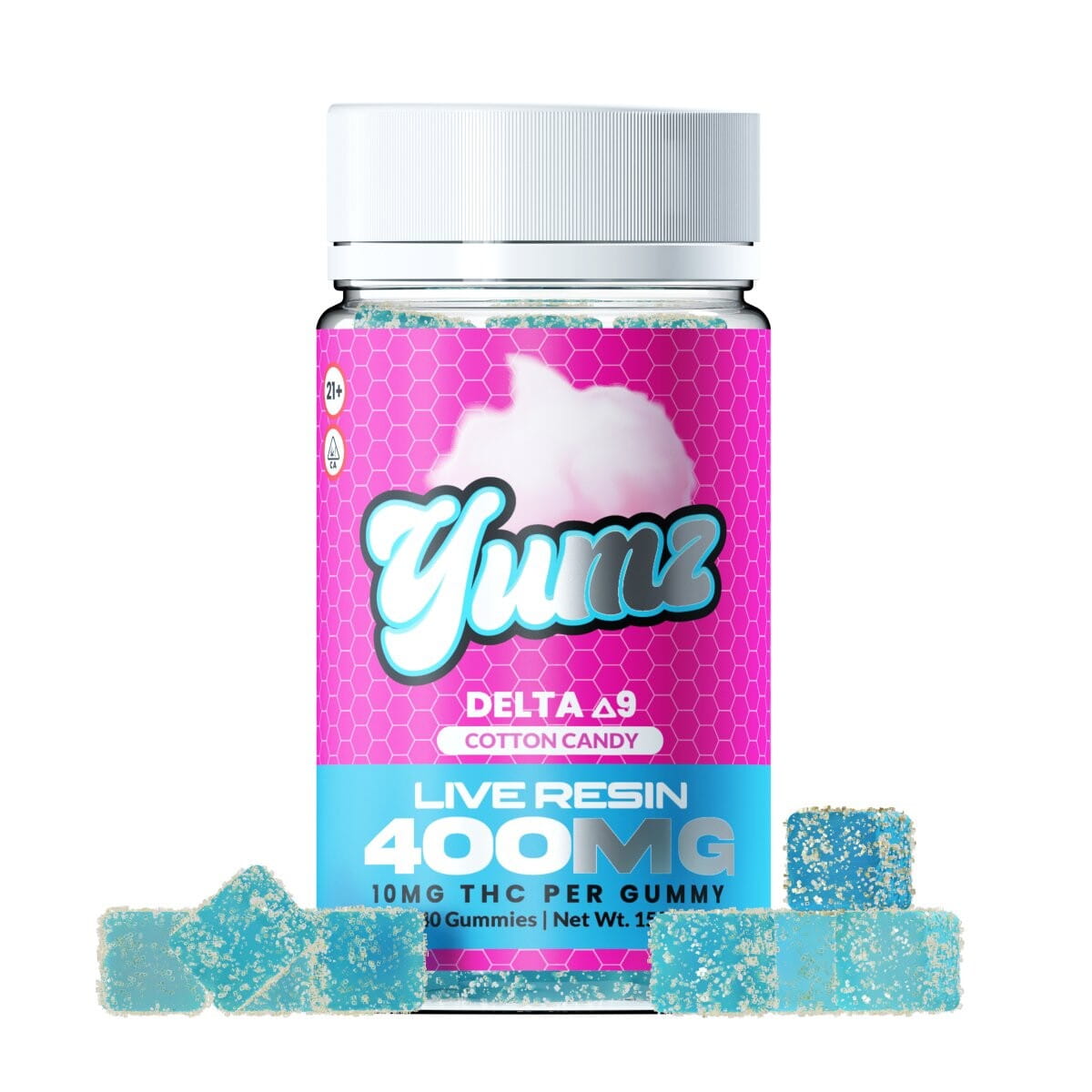
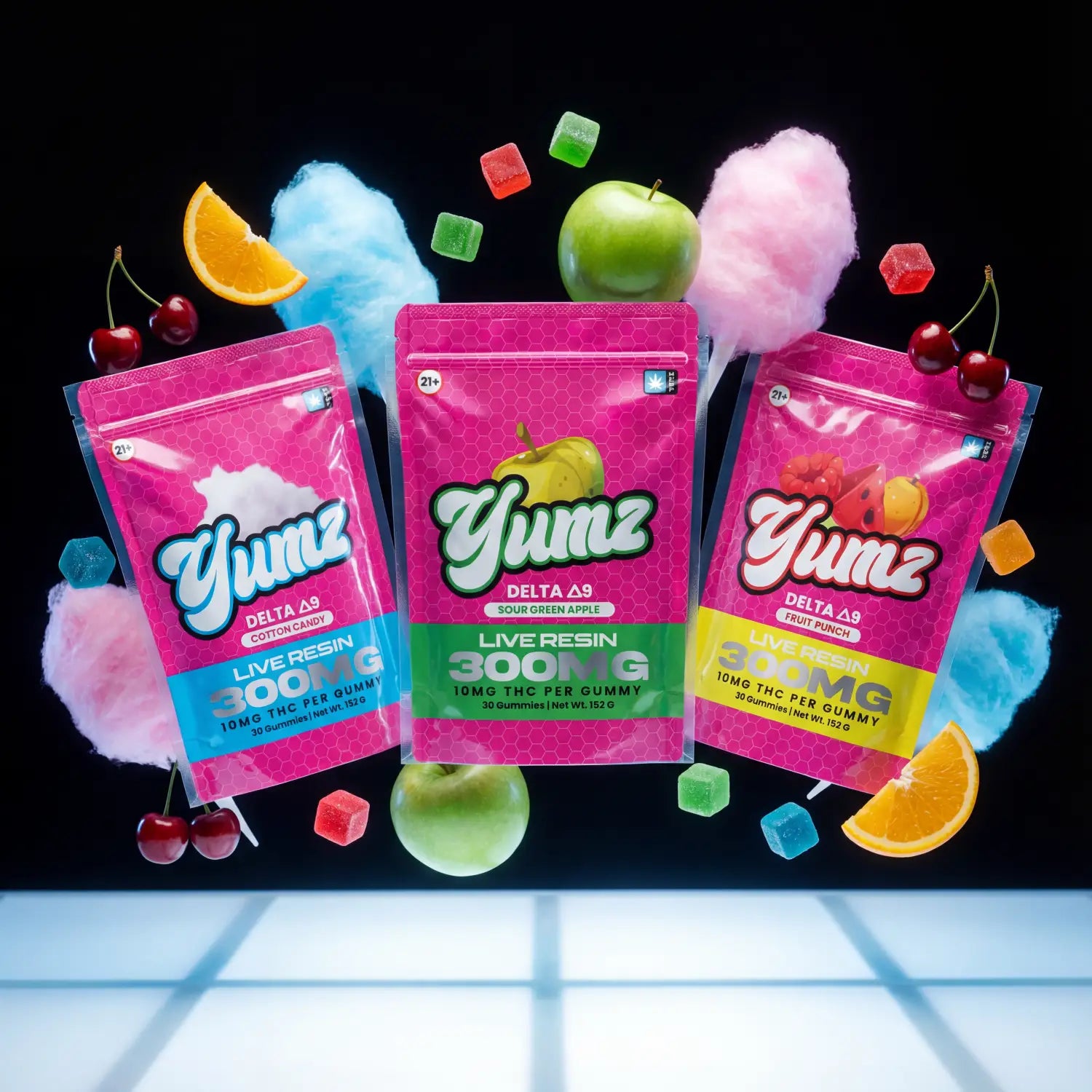
So how does this affect you — the consumer or cannabis enthusiast? Jim Belushi’s move away from marijuana cultivation mirrors growing consumer interest in alternatives like Delta-9 gummies, hemp edibles, and vape pens derived from hemp cannabinoids. These products often fall under the legal umbrella allowing for safer shipping, broader availability, and sometimes lower prices. Brands are focusing on delivering quality with consistent potency. For example, Delta 9 gummies and THCA vape carts offer reliable dosing with lab-verified cannabinoid profiles. This is crucial given the wellness focus many users seek today — whether for stress relief, pain management, or recreational relaxation. Consumers are learning to check for third-party lab results and Certificates of Analysis (COAs), ensuring product safety and potency, especially for hemp-based THC products. Belushi’s pivot highlights how the industry is moving toward products that empower users with transparency and legality. It’s no longer just about the classic marijuana flower. Today’s cannabis market includes a wide range of legal cannabinoids — many available in convenient formats that fit diverse lifestyles and legal frameworks.
Industry Trends: Why Marijuana Cultivation Faces Tougher Challenges
The cannabis market’s rapid expansion brought opportunities — and growing pains. Large multi-state operators (MSOs) have gained significant market share, often outpacing smaller cultivators. High taxes, heavy regulation, and difficulty securing banking create pressure on smaller brands. This environment makes it hard to maintain sustainable grows without massive capital. Experts say these pressures contribute to market consolidation — fewer but larger players dominate cultivation. Meanwhile, hemp growers and processors tap into growing demand for legal cannabinoids, such as THCA, Delta-8, and broad-spectrum CBD products. The hemp-derived segment complements regulated marijuana markets by serving regions with liquor-store-level access to legal cannabis-like products. Jim Belushi’s shift away from cultivation into alternative cannabinoid products exemplifies a strategic response to these trends. As regulators continue clarifying classification and safety standards for hemp-derived THC, expect more brands to align with hemp-focused innovation rather than traditional marijuana farming.
What This Means for Cannabis Consumers and Enthusiasts
If you’re buying cannabis, here is what you should know moving forward. Keeping tabs on cannabinoid types and product origins isn’t optional anymore. Marijuana products may provide the classic cannabis experience but remain limited by state laws, taxes, and availability. Hemp-derived products — like legal weed gummies or hemp vape pen options — offer accessible cannabinoid experiences with federally accepted thresholds. Consumers seeking high potency and legal safety will find growing options in THCA flower or THCA disposable vape devices. Just make sure to buy from trusted sources such as Yumz Lab, an online headshop with rigorous testing standards. Also, because the market is evolving fast, staying informed on regulatory changes in your state can save you headaches and ensure compliance. If you're trying cannabis for wellness or medicinal reasons, choosing products with known cannabinoid profiles and verified safety can make a huge difference.

Looking Ahead: The Future of Cannabis and Hemp Products
Jim Belushi’s experience shows that the cannabis industry is far from simple. But it also reveals where things are headed. Market players are adapting to shifting laws and consumer preferences, pushing innovation in hemp-derived cannabinoids and user-friendly formats like gummies, vape cartridges, and premium flower. Research keeps uncovering more about cannabinoids’ effects, fueling demand for functional cannabis products tailored to wellness. Brands that prioritize transparency, lab testing, and regulatory compliance will lead the way. The gap between marijuana’s strict regulations and hemp’s broad legality opens avenues for both consumers and businesses craving consistent, safe, and legal products. For those in the cannabis community, this means more choices and better access to quality cannabinoids — from full-spectrum hemp extracts to high-potency THCA flower. It also underscores the value of supporting brands that balance passion with smart business decisions, helping to push the entire cannabis space forward.
Conclusion
Jim Belushi’s decision to pause marijuana cultivation reveals key challenges facing cannabis entrepreneurs today — from regulatory pressures to market shifts toward hemp-derived cannabinoids. For cannabis consumers, it means expanding opportunities to explore legal, lab-tested, and quality THC products across formats. Staying informed and choosing trusted sources like Yumz Lab can help you navigate this complex space confidently. The industry is evolving rapidly, but with clarity and caution, cannabis enthusiasts stand to benefit from better products and greater access than ever before.
Stay tuned to YumzLab.com for your daily dose of cannabis industry news and culture.


