



Florida Legal Cannabis Off the 2026 Ballot: What It Means for Consumers and Industry
Florida won’t see legal cannabis on the ballot in 2026, a move that has sparked significant discussion across the cannabis community. This decision impacts not just potential adult-use legalization but also the broader conversations about medical marijuana and hemp regulation in the state.
Background: What Led to Florida's Exclusion of Legal Cannabis on the 2026 Ballot
The road to placing legal cannabis initiatives on state ballots is always complex, woven with regulatory hurdles and political pushback. In Florida’s case, officials announced in early 2026 that no legal cannabis measures will appear on the upcoming ballot, deflating hopes for rapid change. This is in the context of increasing national momentum for cannabis legalization but with Florida’s unique regulatory and political environment slowing the process. The state has had a medical marijuana program in place since 2016, but gaining adult-use legalization votes has repeatedly met challenges. Additionally, the political climate in Florida favors conservative approaches toward cannabis legislation, further complicating voters’ opportunities to influence policy through ballot initiatives.
Regulatory and Political Landscape Affecting Cannabis Legalization in Florida
Florida’s cautious stance fits within a broader national patchwork of cannabis regulations, where state and federal laws often conflict. While hemp-derived products with low THC (under 0.3% Delta-9) are federally legal under the 2018 Farm Bill, marijuana laws remain state-dependent. Florida’s medical marijuana program allows patients access to vetted cannabis products, but adult-use legalization — which could open doors to recreational use and expanded markets — remains stalled. Lawmakers and regulators exercise strong influence, and recent signals indicate continued resistance to expanding cannabis access beyond medical frameworks. This hesitation also comes as other states pursue or pass recreational cannabis laws, highlighting Florida’s conservative approach. Notably, medical marijuana advocates in Florida and elsewhere emphasize patient access to cannabis products rich in cannabinoids like CBD and THC, but political resistance limits their reach.


Other State Cannabis and Psychedelic Developments to Watch in 2026
While Florida hits pause on legal cannabis ballot initiatives, other states are moving forward with notable votes and legislative actions in related areas. For example, Idaho is collecting signatures for medical cannabis, demonstrating growing grassroots activism. West Virginia and Mississippi are pushing for roles in ibogaine vote initiatives, a psychedelic substance gaining attention for addiction treatment. Meanwhile, Wisconsin debates legalization bills for adult-use cannabis. Texas lawmakers continue discussing hemp regulation and the commercial potential of hemp-derived cannabinoids. These developments reflect a diverse national cannabis ecosystem where local politics shape opportunities differently from state to state. For consumers and businesses, staying informed on these emerging markets and shifting policies is critical. It also underscores how regulatory uncertainty influences product availability — including potent cannabis formulations like THCA flower and THC gummies.
Why This Matters: Implications for Cannabis Consumers in Florida
If you’re a cannabis consumer in Florida, what does the absence of legal cannabis on the 2026 ballot mean for you? Simply put, increased access to recreational marijuana won’t happen anytime soon through ballot initiatives, keeping the status quo intact. Medical marijuana patients can still access their prescribed products under existing laws, but those interested in adult-use cannabis will need to stay patient or look to other states. This also means consumers should prioritize understanding federally legal hemp products, often rich in cannabinoids like CBD and THCA, which remain accessible under federal statutes. For example, legal products such as THCA disposable vapes and THCA vape carts offer alternatives that comply with hemp regulations, featuring high potency formulas that can meet wellness or recreational preferences without crossing legal thresholds.
How Industry Professionals Are Navigating Florida’s Cannabis Market Challenges
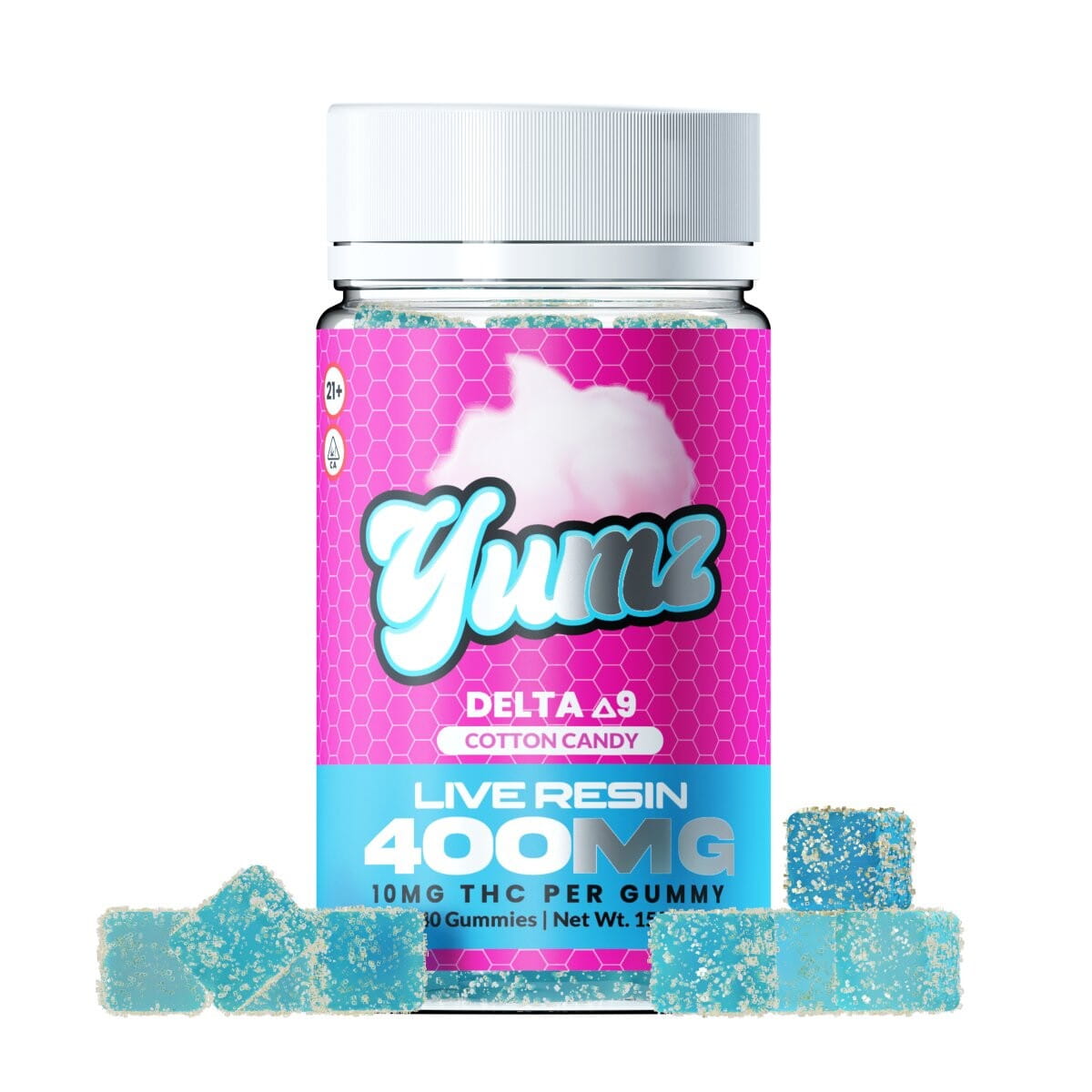
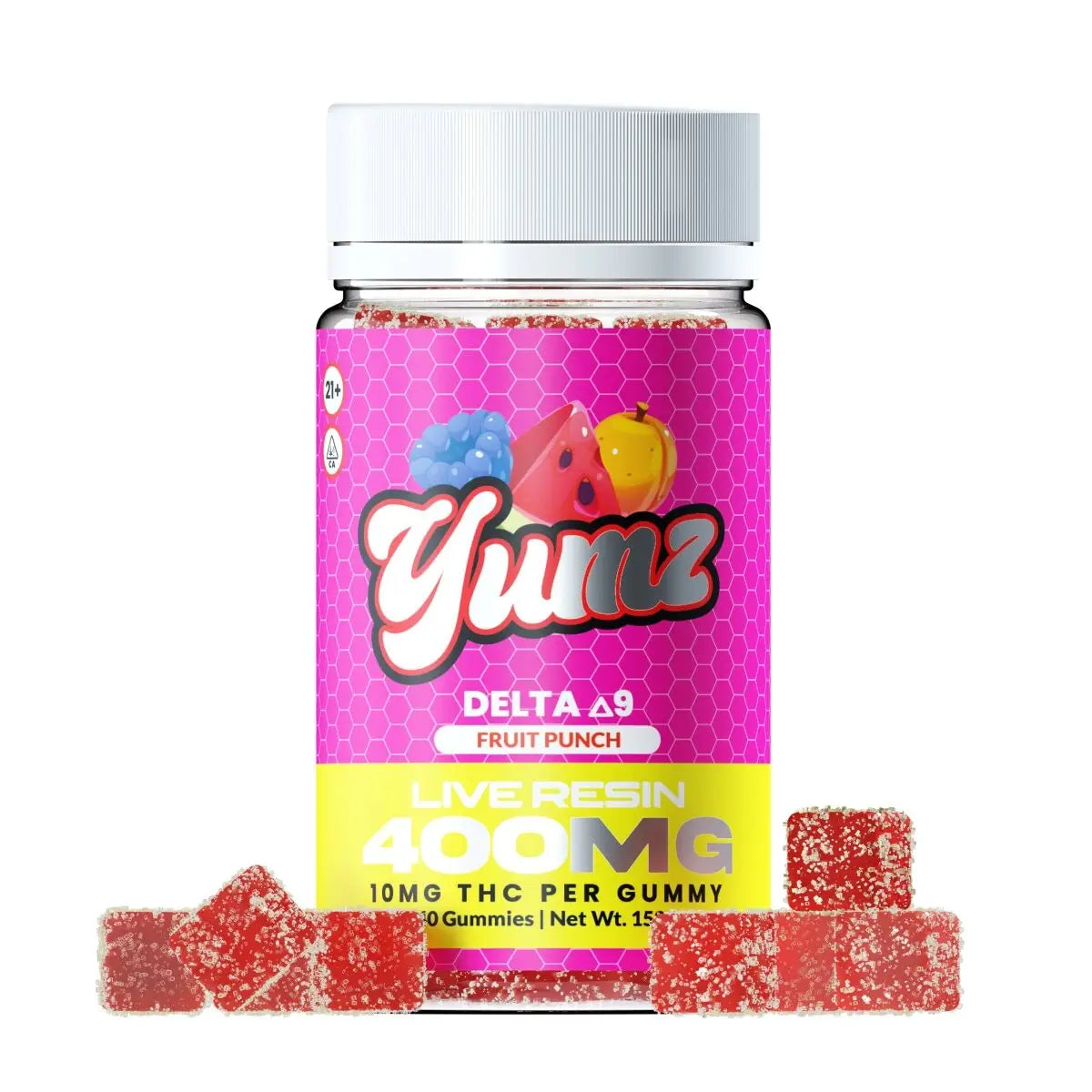
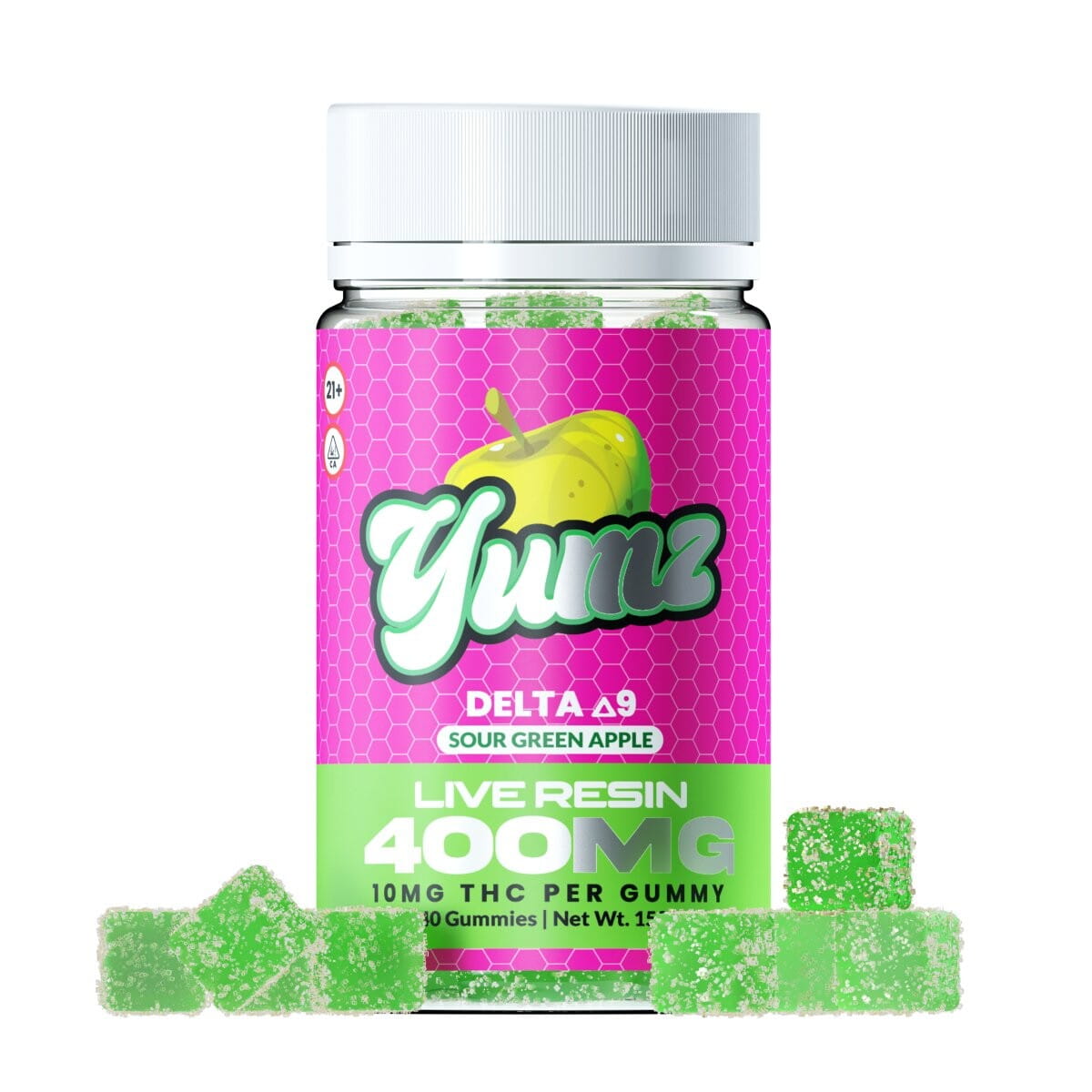
For growers, retailers, and entrepreneurs in Florida’s cannabis space, the lack of adult-use legalization on the ballot forces strategic recalibration. Companies increasingly focus on medical cannabis and federally compliant hemp-derived products. Businesses also put emphasis on quality assurance practices such as third-party lab testing and Certificates of Analysis (COAs) to build consumer trust — vital in a state with tight regulatory scrutiny. Innovation in product forms like hemp edibles and vegan legal weed gummies is growing, allowing brands to differentiate within current legislative constraints. This cautious but steady approach helps industry players maintain resilience while advocating for progressive reforms. Meanwhile, consumer education on cannabinoid distinctions and safety remains a priority, helping reduce stigma and misinformation in the Florida market.

What This Means for the Future of Cannabis Legalization and Consumer Access
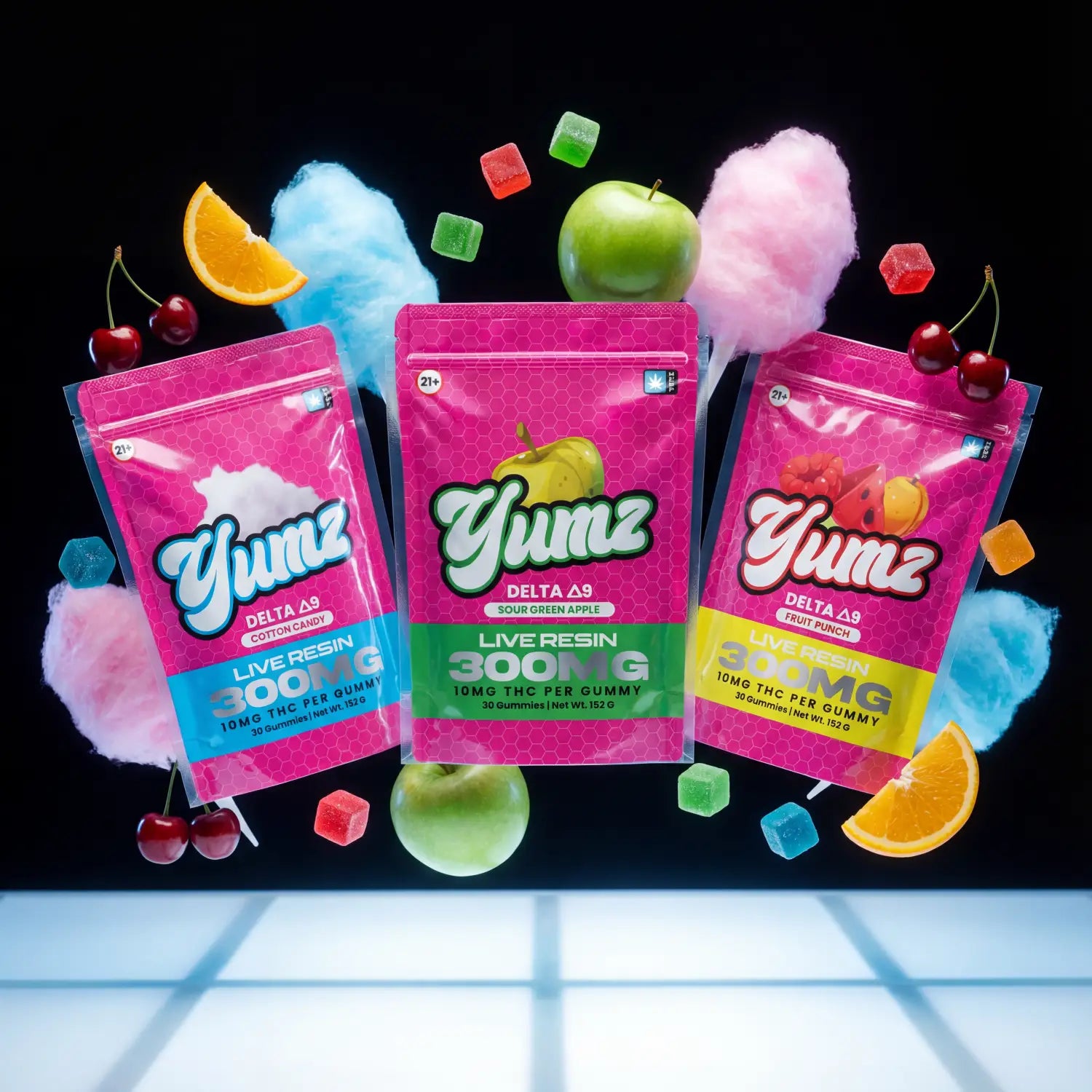
The delay of legal cannabis on Florida’s 2026 ballot doesn’t mean the conversation is over. It’s a pause, not a full stop. Cannabis advocates and industry experts are likely to keep pushing for meaningful reforms that balance regulatory caution with the growing demand for expanded access. The evolving acceptance of hemp-derived cannabinoids and innovative products will play a crucial role in shaping consumer choices and market dynamics. You might wonder: how long before Florida changes course? While that’s uncertain, it’s clear the market will keep growing in complexity. Keeping informed through reliable channels and trusting quality-focused brands like Yumz Lab will help users navigate their options safely and effectively.
Conclusion
Florida’s decision to exclude legal cannabis from the 2026 ballot underscores the ongoing challenges in balancing public opinion, regulation, and political will. For consumers and businesses, this means the space will continue evolving mostly within medical and hemp product frameworks for now. Knowing the differences between hemp-derived cannabinoids like THCA and full marijuana products is vital. While frustration is understandable, this moment invites patient optimism and informed engagement with safer, legal options supported by science and quality assurance. The cannabis journey in Florida is far from over—and the next chapter could come sooner than many expect.
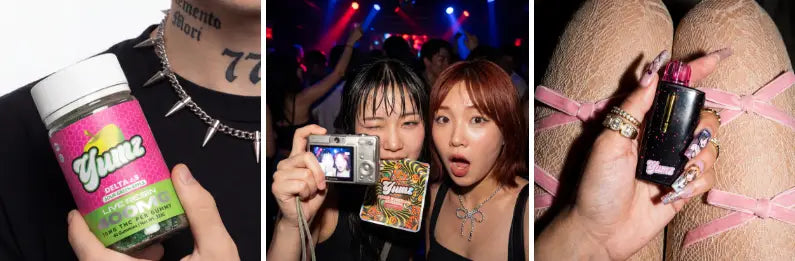
Stay tuned to YumzLab.com for your daily dose of cannabis industry news and culture.


