



NORML and NRA Unite to Challenge Cannabis Gun Ban in Supreme Court
A rare alliance between the National Organization for the Reform of Marijuana Laws (NORML) and the National Rifle Association (NRA) has emerged to challenge a key federal restriction: banning cannabis users from owning firearms without proof of impairment. This unusual coalition is fighting a Supreme Court case that could reshape how cannabis consumers' Second Amendment rights are treated under federal law.
Understanding the Federal Cannabis Gun Ban and Its Origins
Since the passage of the Gun Control Act of 1968, federal law has prohibited anyone who uses "controlled substances" from purchasing or possessing firearms. At face value, this means that cannabis users—whether consuming medical marijuana, recreational cannabis, or even hemp-derived products containing trace THC—fall under federal restrictions, regardless of proof they are currently impaired or intoxicated. This ban has created a chilling effect on cannabis consumers’ gun ownership rights nationwide because cannabis remains a Schedule I controlled substance at the federal level, despite growing legalization across more than 30 states. Groups like NORML have long pushed for reform, emphasizing that cannabis consumers who legally obtain their products under state laws should not face automatic disarmament. Meanwhile, the National Rifle Association (NRA), known for defending gun rights, rarely aligns with cannabis advocates but shares the concern that current federal laws unfairly strip rights based on cannabis use alone. This strange partnership highlights a pivotal moment—the Supreme Court is now considering whether the federal government’s broad prohibition stands up without concrete evidence of impairment. At stake is not just the intersection of cannabis legalization and firearms, but constitutional rights as a whole.

Why NORML and the NRA Are Taking a Stand Together
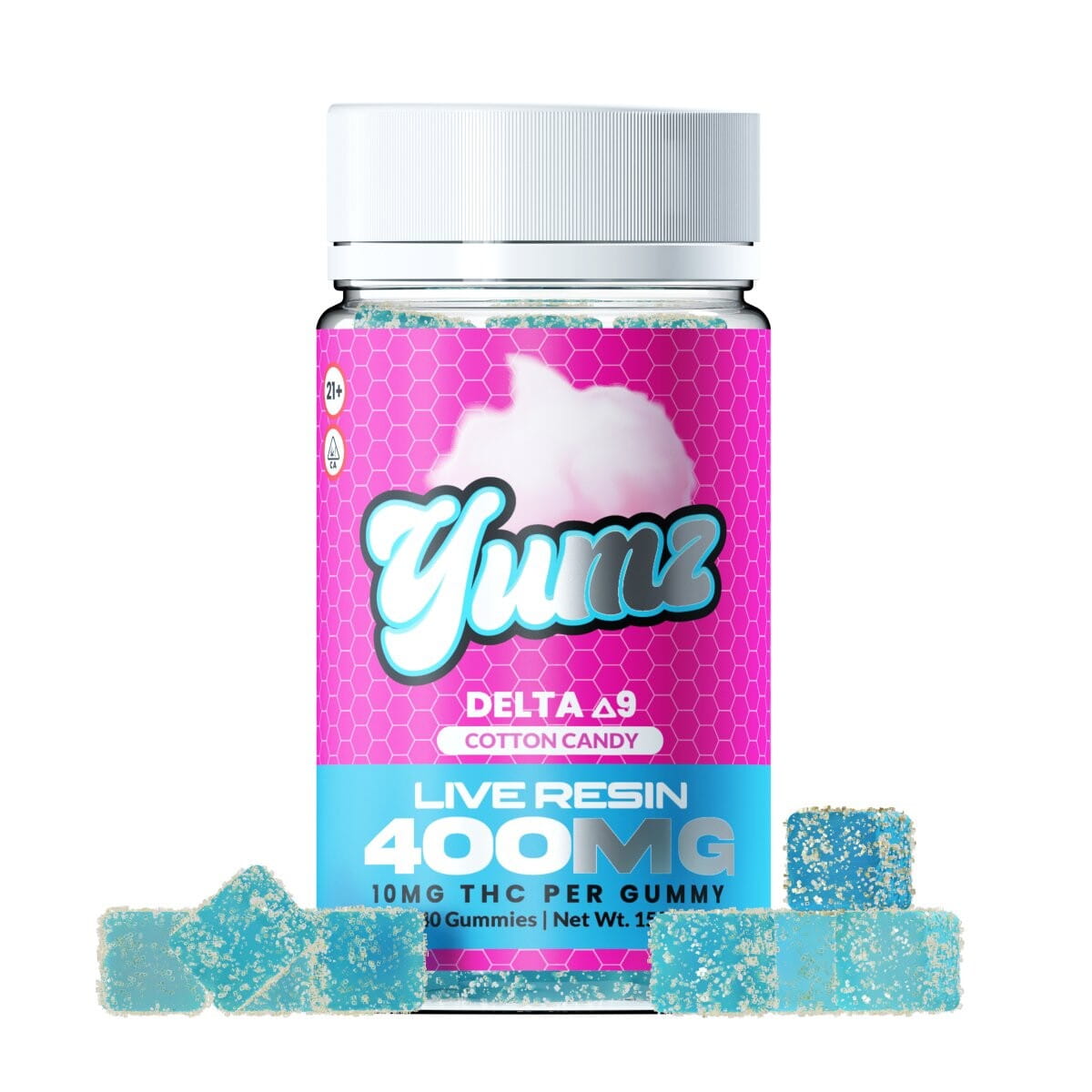
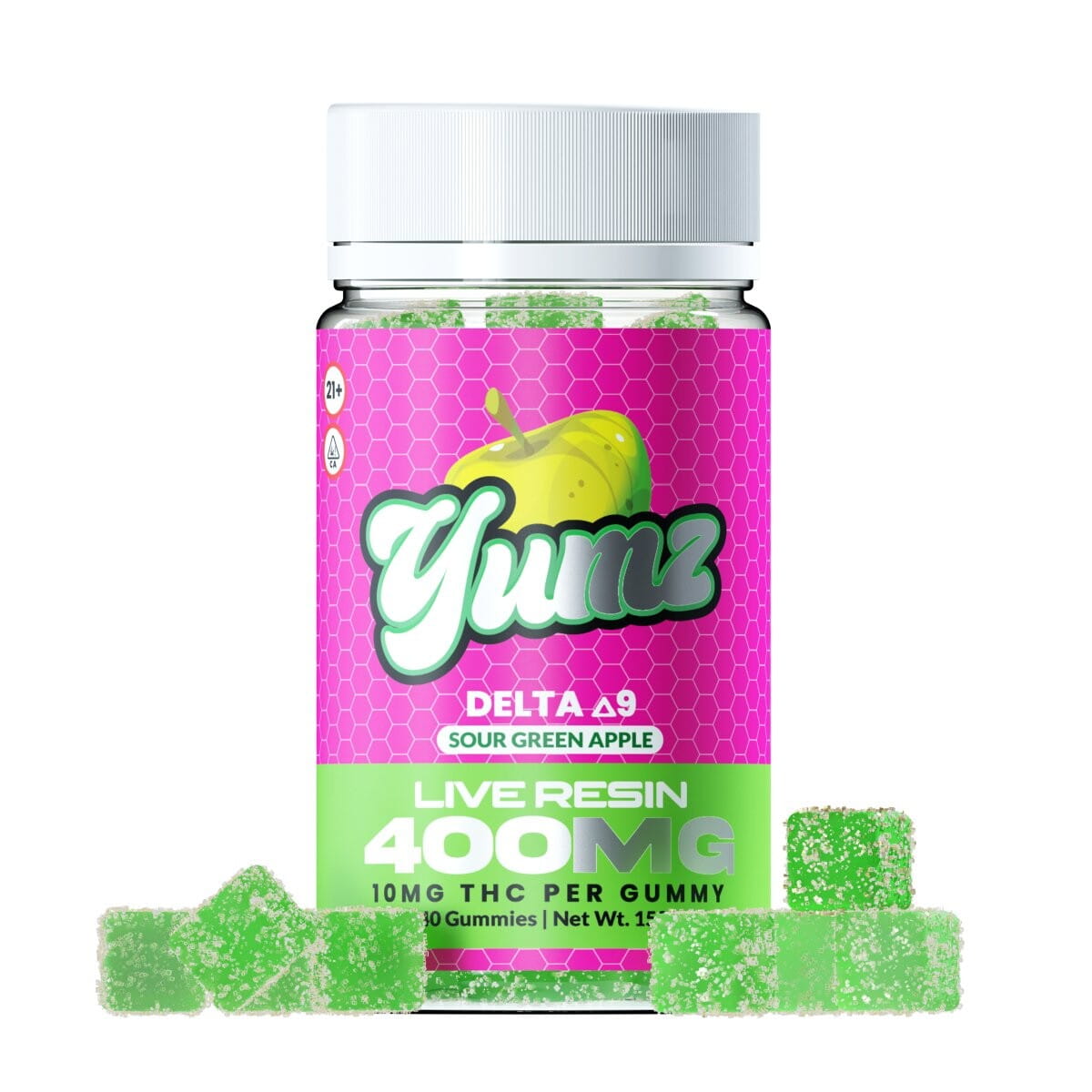
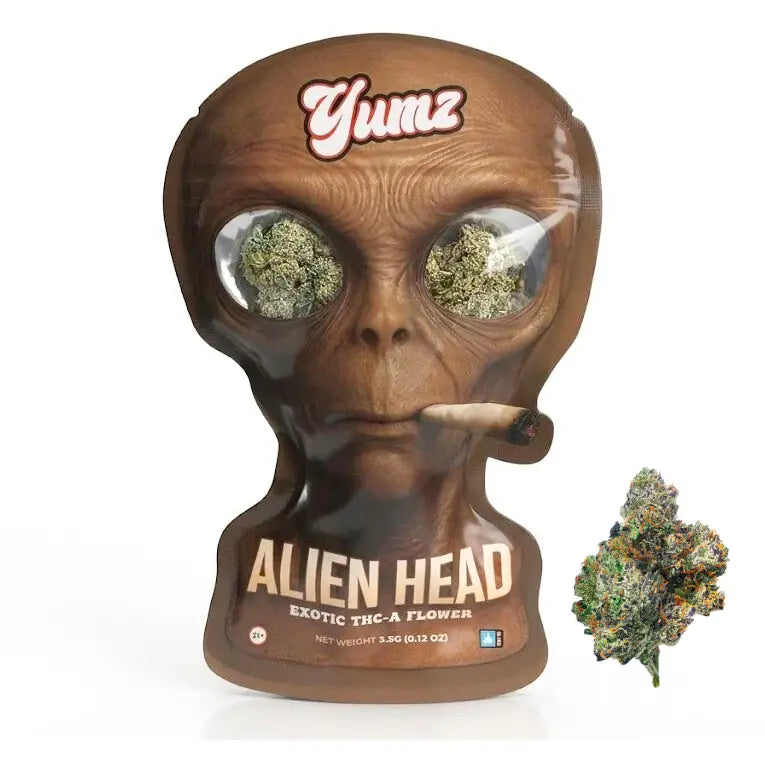
It's tempting to ask: What do pro-cannabis reform advocates and gun rights champions really have in common? In this case, it comes down to a shared fight against what they see as an overreach of federal power infringing on individual liberties. NORML’s mission is to reform marijuana laws, supporting safe, legal access to cannabis for wellness and recreation. The NRA fights fiercely to uphold Second Amendment protections for lawful gun owners. When the federal government uses a blanket ban on cannabis users owning guns—even when there’s no evidence of impairment—it violates core rights both groups defend. This unusual alliance is strategic. NORML brings expertise on cannabis policy reform and user rights, while the NRA offers legal muscle in gun rights defense. Together, they're challenging a law that punishes consumers before any proof of wrongdoing. The case could force federal lawmakers to rethink outdated policies rooted in cannabis’s Schedule I classification and push for adjustments that acknowledge the evolving cannabis market—including legal THC products such as premium hemp flower and Delta 9 gummies that deliver cannabinoids within legal limits.

Regulatory and Legal Implications for the Cannabis Industry
This Supreme Court case lands at a complex crossroads where state and federal laws don’t match up. While many states have legalized cannabis for medical or recreational use, federal law still classifies it as illegal. Hemp-derived products containing less than 0.3% Delta-9 THC, per the 2018 Farm Bill, are federally legal but can contain cannabinoids like THCA and Delta-9 in trace amounts that might still confuse law enforcement regarding firearms ownership. If the Supreme Court narrows the federal ban or demands the government prove impairment before disarming users, it sets a precedent affecting millions of consumers who legally purchase cannabis or hemp products. This could also influence how cannabis-related businesses operate, from dispensaries selling hemp vape pens to producers crafting THCA vape carts. The decision might encourage clearer guidelines for labs testing products and set standards ensuring consumers aren’t unfairly penalized based on cannabinoid use alone. For industry players, it could mean less regulatory pressure and greater consumer trust.
What This Means for Cannabis Consumers and Firearms Owners
Cannabis users often find themselves caught in a legal fog about their rights. For many, the fear of losing firearms rights because of consuming legal weed flower or hemp edibles chills the market and harms personal freedoms. This case raises the question: Should consumers be punished solely for cannabis use without evidence they are incapable of safely exercising the right to own a gun? If these restrictions are rolled back or redefined, cannabis enthusiasts can gain peace of mind that responsibly enjoying their products won’t cost them their Second Amendment rights. It also encourages safer practices: users may be more motivated to distinguish between impairment and responsible use. This is a win for wellness, supporting the idea that cannabis is part of a balanced lifestyle—whether someone chooses to consume through smoking, edibles, or vaping—and that those choices should coexist with lawful gun ownership.

Potential Effects on the Cannabis Business and Regulatory Environment
This legal battle could ripple across the cannabis industry, nudging regulatory policies to evolve alongside consumer realities. As more states embrace cannabis legalization, businesses and consumers need clarity to navigate overlapping laws. A ruling that limits overly broad federal restrictions can boost investor confidence, encourage responsible product innovation, and reduce compliance headaches. Companies offering products such as vegan THC gummies and 2g disposable vape devices will benefit from a clearer legal environment. It could also push lawmakers to update federal cannabis policy, bridging the gap between hemp’s federally legal status and marijuana’s state-dependent legality. The ripple effect might shape future hemp regulations and even influence how quality standards, lab testing, and consumer protection measures are crafted in the rapidly growing market.
Conclusion
This rare pairing of NORML and the NRA highlights a critical clash between cannabis consumers’ rights and federal gun laws that may soon be decided by the Supreme Court. The outcome could change how cannabis users navigate their rights as consumers and gun owners, challenging outdated policies that penalize people without proof of impairment. For cannabis enthusiasts, this debate underscores the evolving nature of the industry and the urgent need for fair, science-based regulations that respect both wellness and constitutional freedoms.
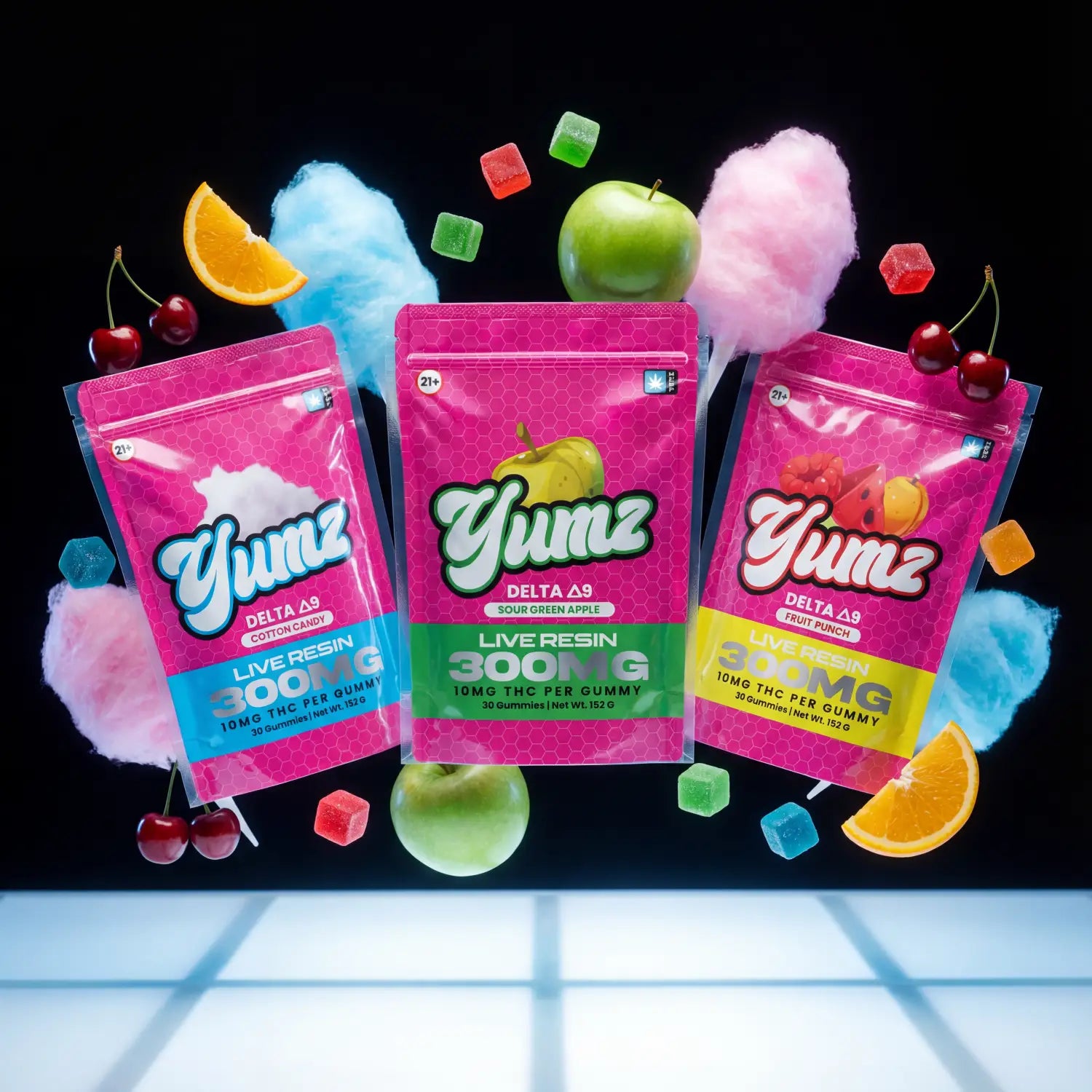
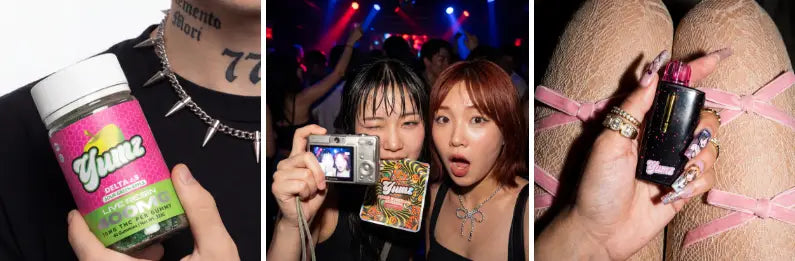
Stay tuned to YumzLab.com for your daily dose of cannabis industry news and culture.


