



Nebraska Medical Cannabis Commission Chair Resigns: What It Means for the State and Consumers
The unexpected resignation of Nebraska’s Medical Cannabis Commission chair signals a pivotal moment for the state’s medical marijuana efforts. After just nine months in the role, this leadership change raises pressing questions about Nebraska’s approach to cannabis regulation and patient access. So, why does this matter to cannabis consumers and industry players alike?
Background: The Nebraska Medical Cannabis Commission and Its Role
Nebraska’s Medical Cannabis Commission was established to oversee the implementation and regulation of medical cannabis within the state. This body works to identify which health conditions qualify for medical cannabis treatment and ensures regulations meet patient needs while complying with state law. Governor Jim Pillen appointed the current chair about nine months ago, placing significant responsibility on her shoulders to guide this sensitive and complex policy area. But the chair’s recent resignation underscores the challenges Nebraska faces as it works to create a well-regulated medical cannabis program. The state is still in the early stages of medical cannabis legalization, navigating how best to balance patient access with regulatory caution. As the chair stated, Nebraska has to "seize the opportunity to be slow and deliberate," recognizing that every decision impacts patients, healthcare providers, and the wider cannabis industry.
Why the Chair’s Resignation Matters: Regulatory and Policy Implications
Leadership turnover in a critical role like this can slow down regulatory progress and cloud the direction of cannabis policies. Nebraska’s cautious stance reflects broader tensions seen in many states with emerging medical cannabis programs. A steady hand is crucial when defining appropriate medical conditions for cannabis use, ensuring that science and patient feedback guide decisions rather than political pressure. Without clear guidance, states risk fragmenting patient access or creating overly restrictive rules that limit potential benefits. This moment highlights the delicate balance regulators face: they must consider the latest scientific research on cannabinoids such as THC and CBD, while also respecting Nebraska's conservative political climate. It’s complexity like this that makes the chair’s departure such a headline moment for industry watchers.


Cannabis Legalization and Medical Use: What Nebraska’s Experience Shows Us
Nebraska's slow and deliberate strategy is a contrast to states that rushed to pass broad cannabis laws, sometimes facing backlashes and regulatory confusion. Medical cannabis legalization involves more than just policy—it's about building trust with consumers and healthcare professionals. This process demands clear definitions around cannabinoids, especially THC, the psychoactive compound that’s strictly regulated. For instance, hemp-derived products like THCA flower and THC gummies have federal legal protections under the 2018 Farm Bill, providing a different path than marijuana-derived products which remain state-based. Proper regulation aligns with patient safety measures such as third-party lab testing and quality assurance, validating the potency and purity of products. Nebraska’s cautious approach may lead to a more stable regulatory environment, but it also highlights the challenges patients face statewide as they wait for official programs and product availability.
What This Means for Cannabis Consumers in Nebraska and Beyond
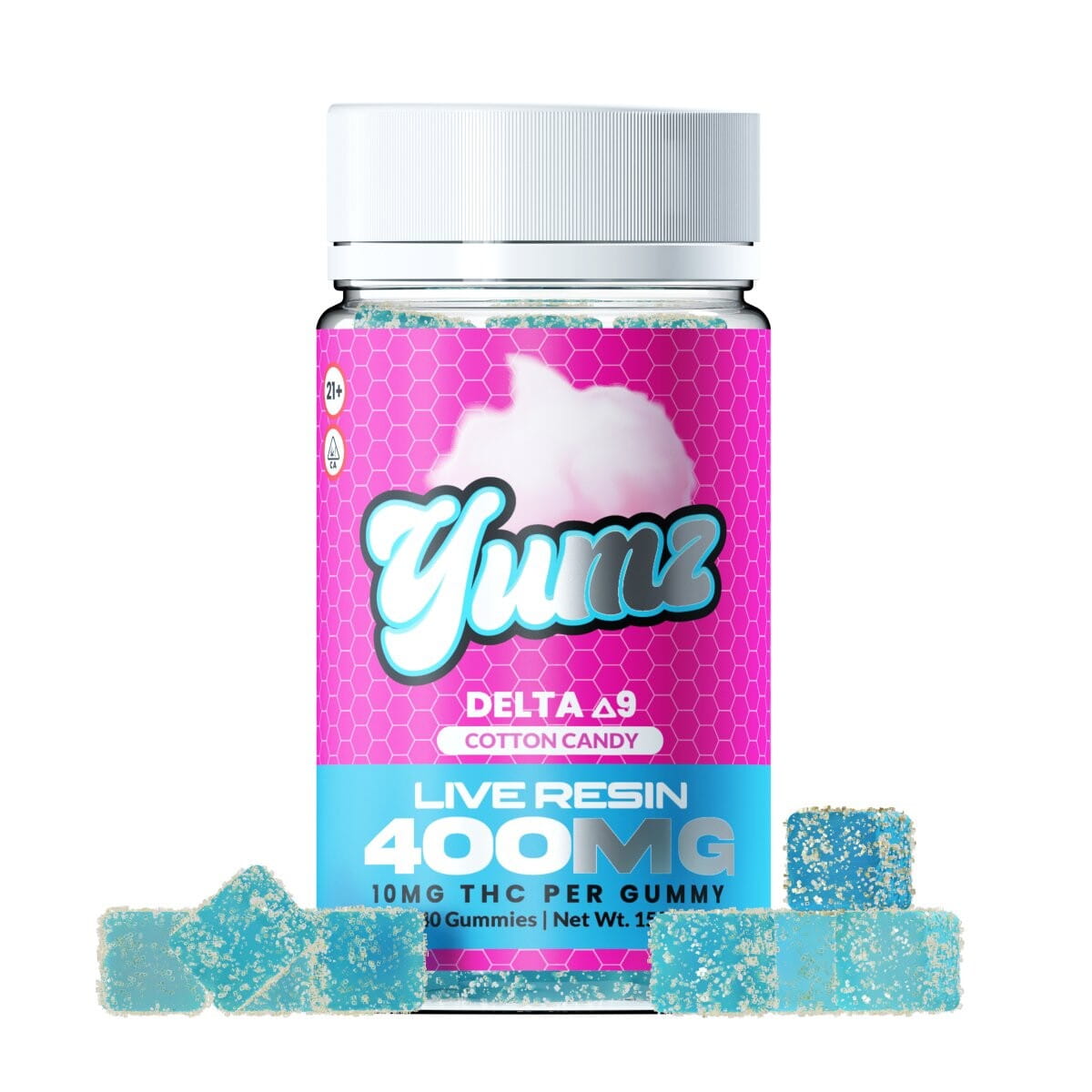
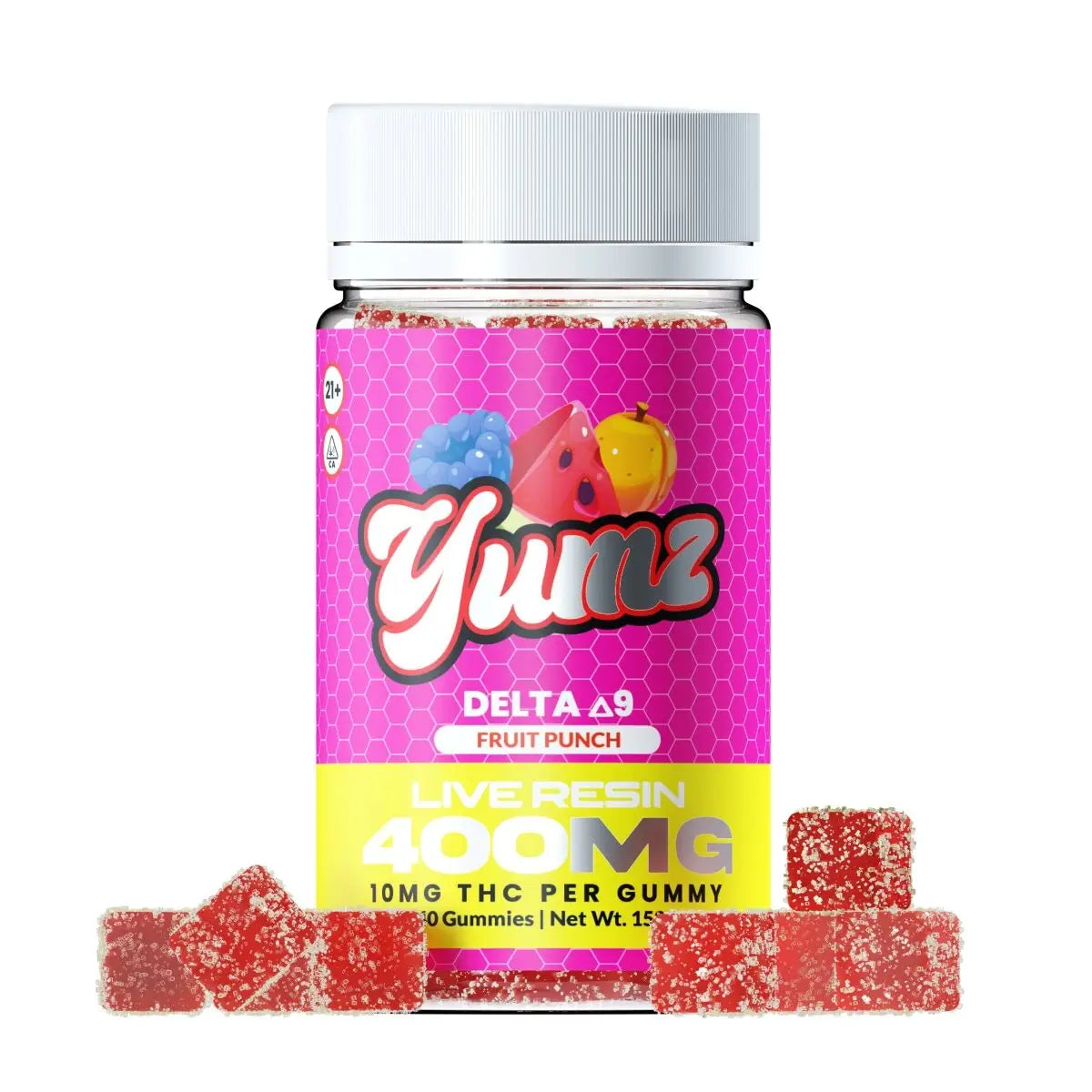
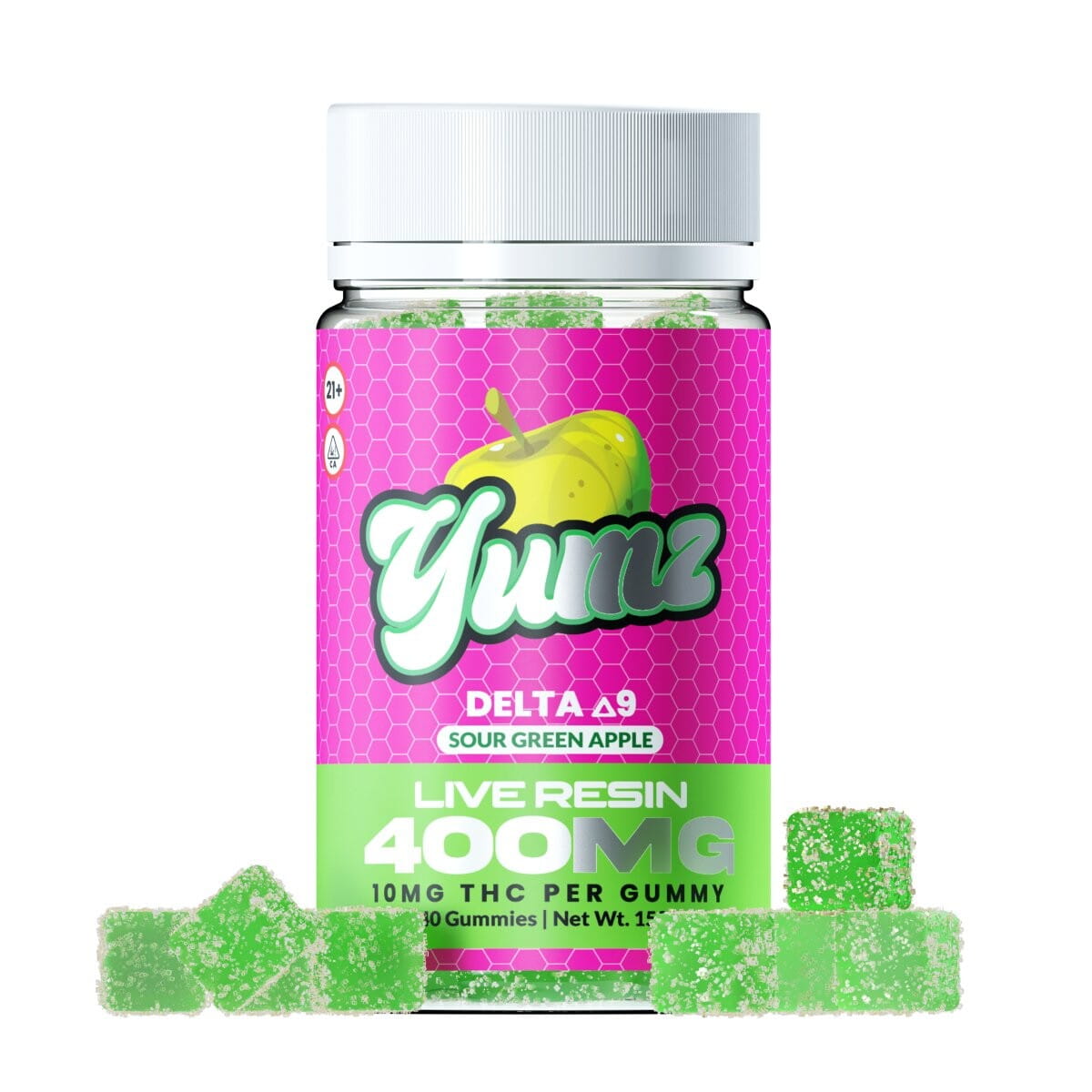
If you’re a medical cannabis patient or a cannabis enthusiast in Nebraska, this leadership shakeup means uncertainty around product availability and qualifying conditions. Access to medical-grade products like THCA disposable vape pens or THCA vape carts may remain limited until the commission sets clearer rules. Patients often rely on products tested for potency and free from contaminants, essential for safe consumption. This pause stresses the importance of understanding hemp versus marijuana distinctions—hemp products, limited to 0.3% Delta-9 THC federally, can offer alternatives while marijuana laws evolve. Patients must also stay informed and consult healthcare professionals before using cannabis therapeutically, especially given the varying state-by-state legal status. While Nebraska works through these regulatory issues, consumers might explore premium hemp flower or legal Delta 9 gummies available from trusted sources, ensuring access to high-quality, compliant cannabinoid products.
Industry Impact: Nebraska’s Regulatory Challenges and Market Outlook
For businesses, this resignation signals potential delays in market development and licensing. Multi-State Operators (MSOs) and local dispensaries eyeing Nebraska face uncertainty on operational timelines and compliance requirements. The cannabis industry thrives with clear regulatory frameworks that allow producers and retailers to plan investments confidently. Without solid leadership, delays could suppress innovation in product offerings like hemp edibles and premium cannabis cultivars. On the flip side, Nebraska’s slow approach might attract brands focused on quality and safety assurance, creating space for products that meet strict standards, such as those verified through GMP-certified processes and third-party COA testing. This might help differentiate products in areas including exotic THCA strains or high-potency flower, ultimately benefiting serious consumers who care about transparency and efficacy.

The Future of Medical Cannabis Regulation in Nebraska: What to Watch
Nebraska’s path forward will depend heavily on who replaces the commission chair and how quickly the state can resume its regulatory work. Stay tuned for updates on qualifying medical conditions and how the state integrates evolving cannabinoid science into lawmaking. This moment is a reminder that cannabis legalization is an ongoing negotiation requiring collaboration between patients, policymakers, and industry stakeholders. It also highlights the importance of continuing education around cannabinoid therapies, including the benefits of full-spectrum versus broad-spectrum CBD products, and the role of functional wellness supplements like adaptogens and mushrooms in holistic health regimens. For cannabis enthusiasts and medical users, understanding these nuances empowers smarter choices, especially in a market where legal structures are fluid and often state-specific. It’s a key reason why brands like Yumz Lab work hard to provide clear, reliable access to legal cannabis products with full transparency.
Conclusion
Nebraska’s medical cannabis program is at a crossroads following the commission chair’s resignation. How the state moves forward could shape patient access, regulatory clarity, and market opportunities for years to come. For cannabis users and businesses, this serves as a vivid example of the challenges in balancing cautious governance with the pressing needs of patients. As the conversation continues, staying informed about hemp and marijuana distinctions and legal product options remains crucial. The cannabis space is evolving fast—are you ready to navigate it?


Stay tuned to YumzLab.com for your daily dose of cannabis industry news and culture.


