


Why Smoking Cannabis in the Dominican Republic Feels So Normal Despite Legal Risks
Ever wondered why lighting up cannabis in the Dominican Republic feels strangely familiar even though it’s illegal? This island blends old traditions with modern restrictions in a way that challenges how we think about cannabis laws and culture. Let’s explore why this experience feels so normal and what it means today.
A Complex Backdrop: Cannabis and Culture in the Caribbean
The Dominican Republic sits at a crossroads of legal restrictions and cultural acceptance when it comes to cannabis. Officially, marijuana remains illegal for recreational use, yet the tropical climate, tourism industry, and local attitudes create an environment where cannabis consumption feels surprisingly normalized. This is due, in part, to the island’s deep history with plant-based traditions and less rigid enforcement practices compared to other regions. Travelers and locals alike encounter cannabis in unexpected ways — especially in beach resorts where the warm ocean breeze seems to accelerate both smoke and tolerance. Caribbean islands have long shown a unique relationship with cannabis, often linked to traditional uses and evolving social norms. The Dominican Republic’s cannabis scene is no exception. While government regulations aim to control its use, the reality is a patchwork of legal ambiguity mixed with cultural acceptance. This contrast shows how law sometimes struggles to keep pace with society’s views, especially in areas heavily influenced by tourism where economic opportunities can sometimes outweigh strict enforcement.
Legal Restrictions vs. Cultural Reality: Why the Discrepancy Matters
You might ask, what does it mean when a plant is illegal, yet the social atmosphere indicates otherwise? The key is in understanding the difference between law on paper and law in practice. Dominican laws still prohibit marijuana, reflecting wider regional and global restrictions on THC products. However, enforcement often prioritizes bigger concerns like violent crime or trafficking rather than casual consumer use. This phenomenon isn’t unique. Many cannabis markets around the world experience similar tension between traditional stigma, legal frameworks, and emerging acceptance. For cannabis enthusiasts and industry watchers, this gap signals a potential shift: either toward more relaxed enforcement policies or an eventual regulatory overhaul. But until formal laws change, consumers remain in a legally gray zone. The situation also highlights the importance of knowing product origins and legal classifications — such as distinguishing federally legal hemp products from marijuana. For example, premium hemp flower offers cannabis-like experiences but falls under different legal rules because of its minimal Delta-9 THC content. Understanding these nuances helps consumers make safer, more informed choices while navigating uncertain regulatory climates.
Insights Into Consumer Behavior and Tourism Influence
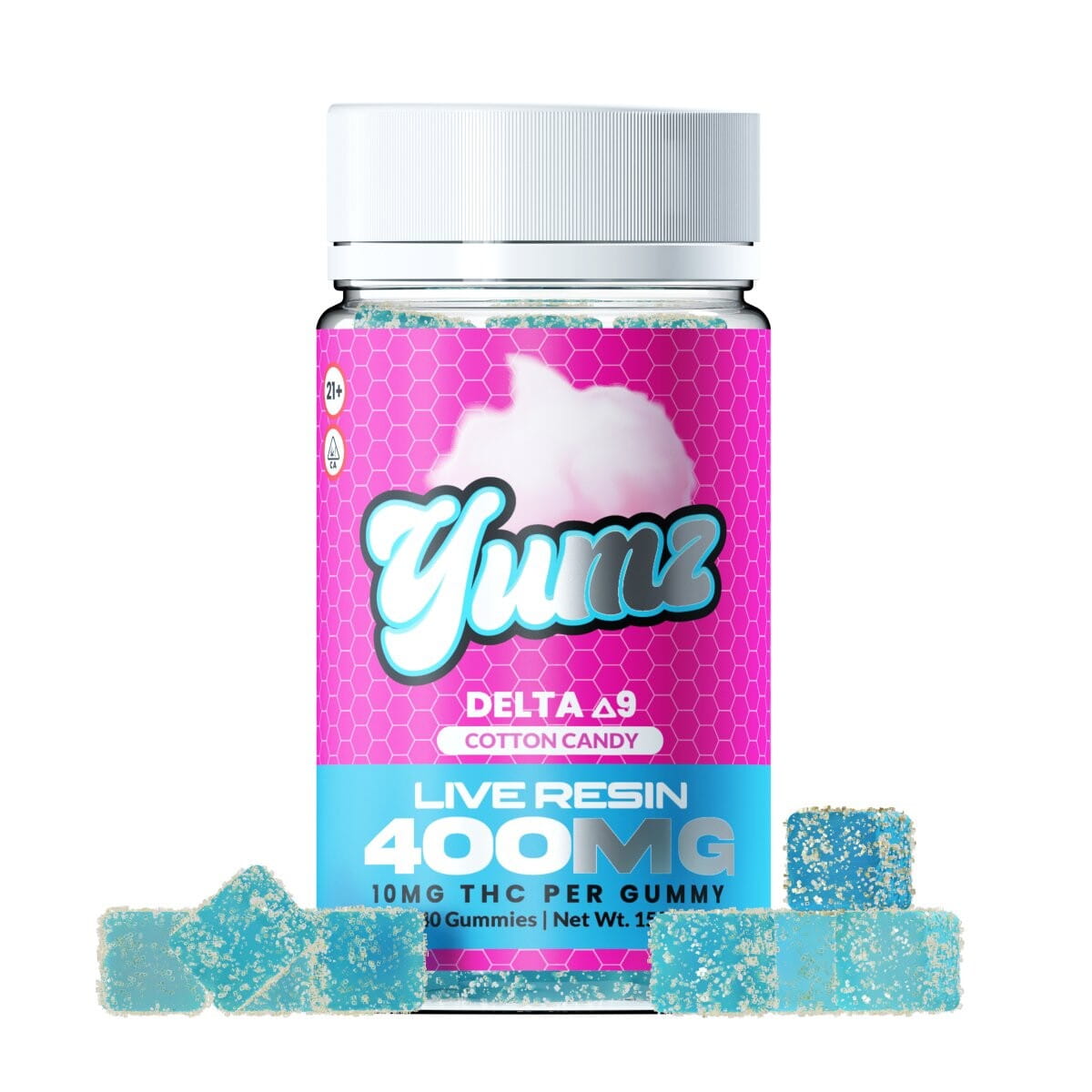
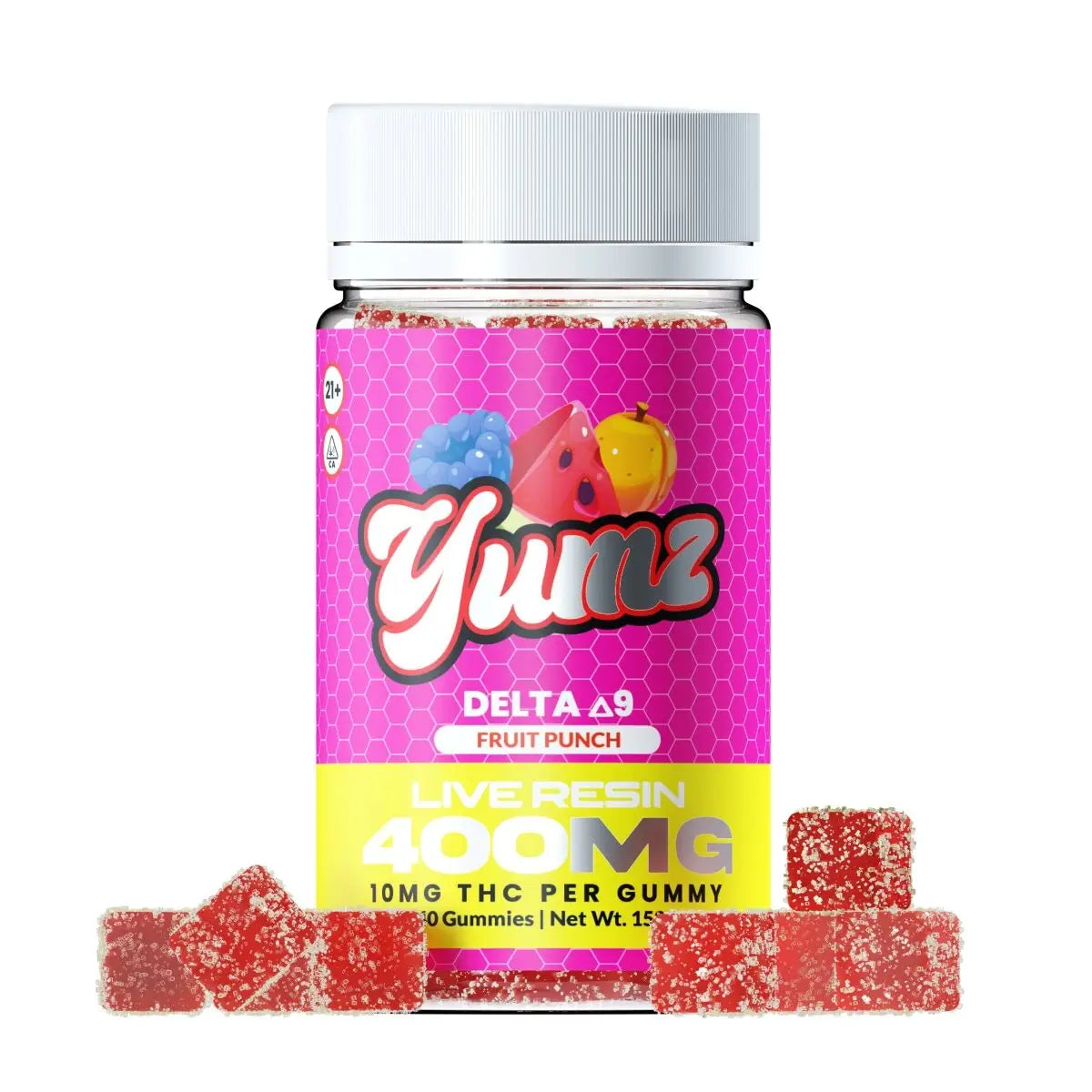
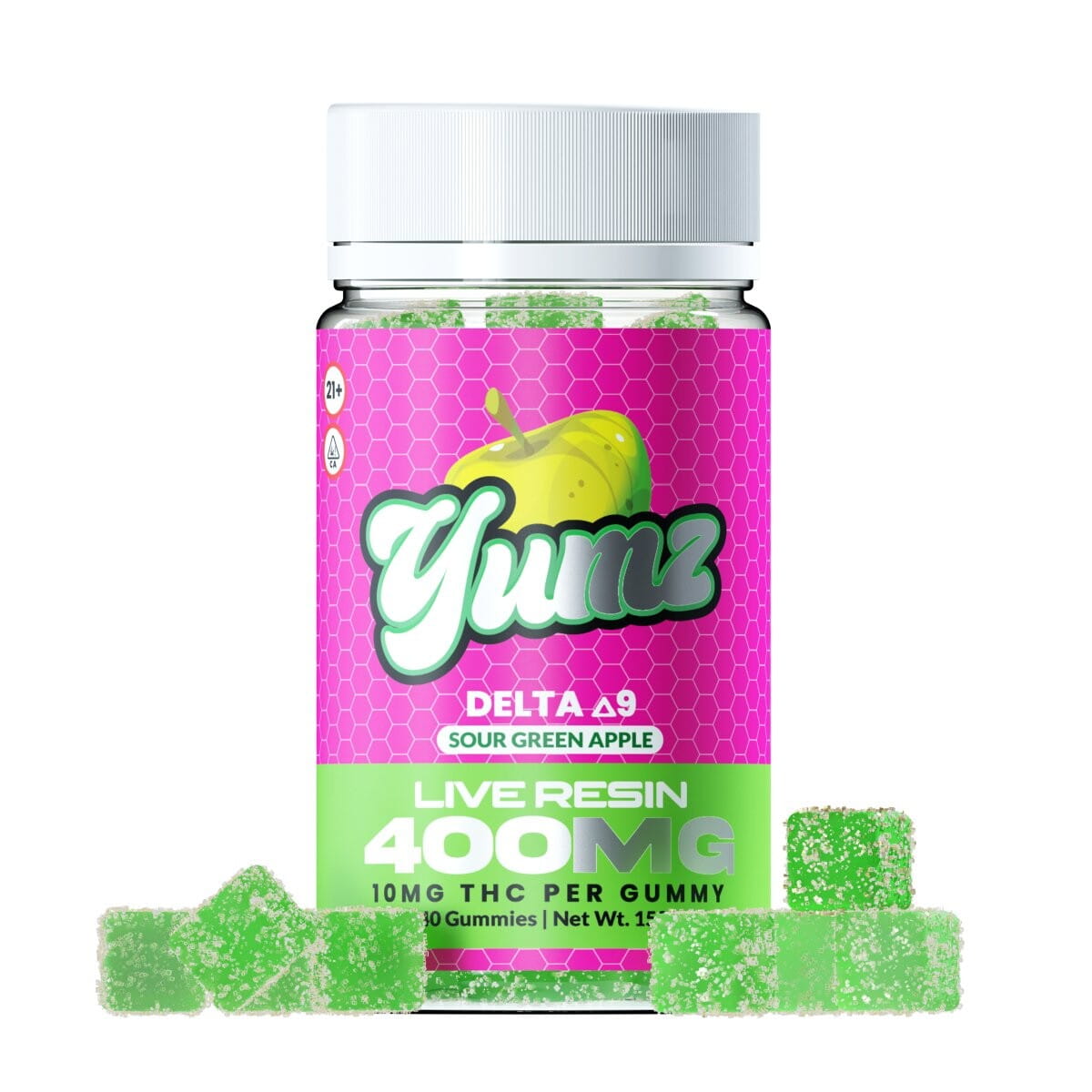
Why do tourists and locals alike feel that smoking cannabis here is ‘normal,’ despite the risks? Partly because tourism creates social bubbles where behaviors outside the norm become commonplace. Resorts and beaches become spaces where cultural taboos relax, and cannabis use blends with relaxation and wellness rituals. From an industry perspective, this normalized consumption shapes demand for quality cannabis products. People longing for consistent, tested options turn to trusted sources for items like THCA disposable vape pens or Delta 9 gummies. These products offer discreet, measured experiences that appeal to both new and experienced users. This trend aligns with broader market developments where consumers prioritize safety, potency, and wellness benefits in their cannabis purchases. The Dominican cannabis scene also prompts questions about consumer education: How well do travelers understand cannabinoid profiles? What about product testing and lab verification? Clear answers can empower users, reduce risks, and push the market toward higher standards—a win for everyone engaging with cannabis culture, legal or not.
What This Means for Cannabis Consumers: Navigating Safety and Legality
If you’re thinking about enjoying cannabis during your trip or even as a local, what should you know? First, be aware of local laws and enforcement trends. Even if consumption feels normal, it remains a legal risk. Second, choose products with transparency around ingredients and potency. Whether you prefer THCA vape carts, flower, or edibles, look for third-party lab testing to confirm quality and safety. Consumers also need to understand the difference between hemp-derived and marijuana-derived cannabinoids. Hemp products generally contain less than 0.3% Delta-9 THC, making them federally legal in the U.S. under the 2018 Farm Bill. Meanwhile, marijuana products exceed this limit and face tighter regulations. Knowing this helps users avoid unintentional legal troubles, especially when traveling internationally. Finally, consider health and wellness implications. Research suggests cannabinoids like THCA and Delta-9 THC may offer benefits such as pain relief, mood support, and relaxation. Still, these products aren’t a cure-all. Consult healthcare providers for medical advice—especially if you’re new to cannabis or have underlying conditions. Always prioritize safe, responsible use no matter the setting.
Industry Impact: How Regional Norms Shape Cannabis Markets
The evolving cannabis culture in places like the Dominican Republic signals shifts that ripple through the global industry. Tourism-driven demand encourages the development of diverse product lines—from exotic THCA strains to vegan-friendly THC gummies. These offerings cater to the lifestyle and wellness desires of a growing user base. At the same time, uncertainty around legality encourages innovation in hemp-derived products. Brands and producers emphasize federally compliant cannabinoids that deliver therapeutic effects without crossing legal lines. This trend spurs investment in quality control, such as GMP manufacturing and COA testing, which builds consumer trust and industry legitimacy. Regional cannabis norms also impact public policy debates. Observing how enforcement and consumer behavior play out in these gray zones can inform lawmakers as they weigh future legalization or decriminalization efforts. The Caribbean’s example offers lessons on balancing cultural realities with public health and safety.

Looking Ahead: Cannabis Culture and Legal Evolution
What’s next for cannabis use in locations where legality and acceptance clash? Market forces will push toward more clarity and regulation. As consumers become savvier about cannabinoids—from weed pens to legal hemp edibles—they demand safer, consistent experiences. Policymakers will face pressure to update laws, reduce ambiguity, and accommodate the economic opportunities cannabis offers. For cannabis enthusiasts, this means staying informed and cautious. Follow trusted brands like Yumz Lab, which prioritize transparency, product quality, and education. And keep an eye on ongoing research exploring cannabinoid benefits, delivery methods, and user safety. This knowledge positions you to enjoy cannabis responsibly wherever your travels or lifestyle take you. Ultimately, the Dominican Republic’s strange mix of illegal yet normal cannabis use tells a bigger story: one about cultural shifts, regulatory challenges, and the undeniable pull of this plant across borders and traditions.
Conclusion
Cannabis use in the Dominican Republic captures a fascinating clash between law and lifestyle. While marijuana remains illegal, social acceptance and tourism create an unusual sense of normalcy around consumption. For cannabis consumers, understanding the legal risks, product options, and wellness implications is key. The industry stands to benefit as regional nuances influence product innovation and policy discussions. As legalization evolves worldwide, experiences like these remind us why clear education and responsible use matter more than ever.
Stay tuned to YumzLab.com for your daily dose of cannabis industry news and culture.


