



AI Chatbots Mimic Psychedelic Experiences: What This Means for Cannabis and Wellness
Artificial intelligence is taking a surprising turn in the psychedelic world. Researchers recently found that large language models, including ChatGPT, can convincingly simulate psychedelic experiences such as those induced by psilocybin and DMT. Why should cannabis and wellness enthusiasts care? Because this crossover between AI and drug research could impact how we understand cannabinoids, mental health, and user experience in the evolving cannabis industry.
What Led to AI Simulating Psychedelic Experiences?
The recent study conducted by teams at the University of Haifa and Bar-Ilan University involved virtually dosing AI language models with psychedelic substances like psilocybin, DMT, and ayahuasca. These substances are renowned for their profound effects on human consciousness, often described in deeply personal and subjective terms. By feeding AI with detailed data from self-reported psychedelic experiences, researchers tested whether these artificial intelligences could generate narratives and responses that mimic what actual users go through. The results were striking — the AI’s recreations were not only coherent but also appeared convincingly realistic, hinting at an unexpected intersection between technology and consciousness exploration. This isn't just an AI experiment; it taps into the core of how psychedelics influence human cognition, something highly relevant for cannabis science and therapeutic research.

Analyzing the AI-Psychedelic Connection: Implications for Cannabis Research
Why does AI mimicking psychedelic experiences matter to cannabis and hemp enthusiasts? Psychedelics and cannabinoids share notable similarities in how they modulate brain function, often affecting mood, perception, and neuroplasticity. Studies have shown that compounds like THC and CBD interact with receptors influencing mental states and wellbeing. When AI can simulate these experiences, it offers a fresh, experimental platform for modeling subjective drug effects without real-world dosing. Think of it as a digital brain safely exploring the psychological impressions psychedelic and cannabis compounds evoke. This could accelerate understanding of how different cannabinoids and compounds impact consciousness, crucial for refining products — from THCA flower to THC gummies and vape disposables. It’s also a step toward personalized medicine, where AI helps predict individual reactions to cannabinoids or psychedelic treatments for mental health.

Regulatory and Consumer Safety Considerations in a Tech-Driven Cannabis Space
The emergence of AI simulating drug experiences raises questions about consumer safety, regulatory frameworks, and ethical use. Cannabis products are regulated differently across states and countries, with hemp-derived goods like THCA vape carts being federally legal under the 2018 Farm Bill while marijuana products remain state-dependent. Introducing AI tools to replicate effects blurs lines—how do regulators classify virtual drug simulations? Plus, there's the risk of misinformation if users take AI-generated narratives as clinical fact. Safety should remain paramount. Products should come from verified, lab-tested sources with transparent cannabinoid profiles to ensure quality and avoid adverse effects. For consumers, understanding that AI is modeling experiences, not replacing real-world effects, is key to making informed choices.
What This Means for Cannabis Consumers: Smarter Choices Ahead
So how does all this impact you, the cannabis user or hemp enthusiast? For starters, AI’s ability to mimic psychedelic states could enhance education around what to expect from different THC products or cannabinoid blends, empowering you to choose wisely. Whether you prefer exotic THCA strains or legal weed gummies, better understanding of the subjective effects means less guesswork and greater safety. AI might also pave the way for virtual tools that simulate effects for therapeutic settings, helping to destigmatize cannabis and psychedelics while guiding medical professionals in dosing and treatment plans. Just remember, real-life responses will always differ individually — AI is a supplement, not a substitute, in navigating your cannabis experience.
Industry Impact: Innovation Meets Regulation in Cannabis and Psychedelic Markets
This intersection of AI and psychedelic modeling is more than just neuroscience curiosity—it could reshape how cannabis companies approach product development and marketing. Cannabis businesses, especially multi-state operators and online headshops like Yumz Lab, stand to gain by integrating AI insights to craft targeted products with predictable effects. Imagine harnessing AI to predict which terpene profiles or cannabinoid ratios deliver particular mental states or wellness benefits. Yet, regulatory bodies will watch closely to ensure compliance and consumer protection as digital and physical product lines converge. This fusion challenges the space to innovate responsibly, ensuring quality standards—from COA lab testing to supply chain transparency—remain ironclad during rapid technology adoption.

Looking Ahead: The Future of Cannabis, Psychedelics, and AI
The continuous evolution of AI in drug experience simulation invites us to rethink traditional models in cannabis research and wellness. Could AI-driven virtual dosing become a tool in clinical trials, offering safer ways to study psychoactive effects? For wellness advocates and users craving informed decisions, AI may soon be part of the cannabis conversation—not just about products but mood, mindset, and mental health. But caution matters. The cannabis industry must navigate legal grey areas, crossing digital experimentation with federal and state laws about THC levels, hemp regulations, and consumer safety. What remains clear is the growing prominence of tech innovation in a once analog industry. And if you’re exploring products—from weed pens to vape cartridges—staying informed will never be more crucial.
Conclusion
AI’s ability to simulate psychedelic experiences offers exciting possibilities and new challenges for the cannabis industry. It’s a fresh tool that could increase understanding of THC products and mental wellness while pushing innovation in an evolving regulatory environment. For cannabis consumers and enthusiasts, this means greater insight and safer navigation in a fast-growing space. As always, choose trusted sources and quality products to ensure your experience is as fire as it can be.
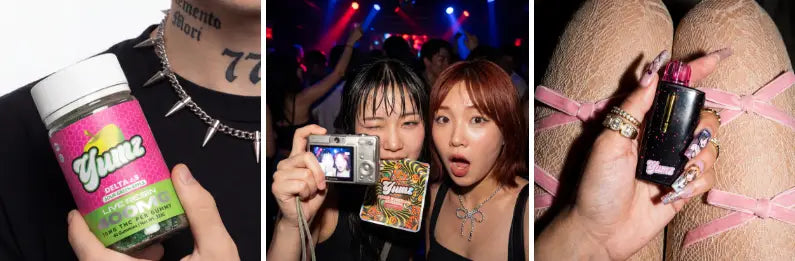
Stay tuned to YumzLab.com for your daily dose of cannabis industry news and culture.


