



Why Training Cannabis Plants Might Waste Time: What Truly Boosts Your Harvest
If you’ve spent hours bending and tying down your cannabis plants only to wonder if it’s all worth it, you’re not alone. Many growers swear by training techniques, but recent insights suggest these practices might not always deliver the best return on time investment. So what really works for more frequent, higher-quality harvests in cannabis cultivation?
Understanding Cannabis Plant Training: Origins and Popularity
Plant training has long been a go-to method for cannabis cultivators aiming to maximize light exposure and manage canopy size. Techniques such as topping, low-stress training (LST), and defoliation aim to manipulate plant shape to improve bud development. These training methods gained traction in the early days of cannabis horticulture, especially for small-scale growers who needed to control height and improve air circulation in limited grow spaces.
But here’s the kicker — while these approaches can boost canopy uniformity, their effect on overall harvest frequency and yield per year isn’t as straightforward as many assume. The time and labor spent on training may not always match up with proportional production gains. For commercial operations or serious home growers focused on efficiency, that’s a big deal. You want your efforts to translate directly into tangible results, like more pounds of premium hemp flower or robust THC gummies ingredients.

The Science Behind Yields: Why Training Falls Short of Expectations
Recent evaluations reveal that training doesn’t necessarily speed up the growth cycle or increase the total output annually. Studies from agricultural research groups reveal that time spent on corrective shaping often causes stress, which can slow down plant development or reduce the quality of cannabinoid profiles such as THC and CBD. In cannabis plants, stress triggers defense mechanisms that may siphon off energy from bud production.
Moreover, while training redistributes growth hormones to develop multiple colas, this can dilute the energy concentration per bud, leading to smaller flowers compared to untrained single cola plants grown under optimal conditions. This is key for growers chasing high potency flower, especially exotic THCA strains, where cannabinoid concentration drives market value. Less potent buds mean less fire in your weed pen or your THCA vape carts, which consumers quickly notice.


What Actually Works: The Sea of Green (SOG) Method Explained
Instead of intricate training, many cultivators find the Sea of Green (SOG) technique more effective. The SOG method involves planting many smaller cannabis clones closely together and allowing them to flower early, capitalizing on rapid, uniform growth without extensive manipulation. This approach results in quicker cycles and higher harvest turnover — exactly what cultivators aiming to maximize annual yields want.
By focusing on uniformity and minimal stress, SOG encourages plants to produce larger, denser buds in a shorter time frame. This is especially beneficial in regulated markets where timing and consistency impact profitability and compliance. Plus, SOG aligns well with producing hemp-derived products where federally legal cannabis must maintain below 0.3% Delta-9 THC, yet still deliver powerful cannabinoid profiles. For instance, growers can focus efforts on maximizing legal weed flower that meets quality and potency standards.
Regulatory and Consumer Implications of Growing Methods
Beyond cultivation efficiency, your chosen method impacts product consistency and consumer safety. High-quality cannabis, whether it’s full-spectrum CBD or Delta 9 gummies, hinges on standardized growth conditions and precise cannabinoid testing. Trained plants may introduce variability in cannabinoid concentrations, while uniform SOG harvests tend to produce consistent cannabinoid and terpene profiles backed by third-party lab certifications.
This matters because under the 2018 Farm Bill and pending FDA guidelines, hemp products must meet rigorous testing standards. Consumers expect reliable effects and safe products, especially when using edible or inhalable forms like hemp vape pens or gummies. Growers who adopt methods that favor repeatable, high-quality output not only comply better but also build trust with cannabis enthusiasts seeking dependable wellness benefits.
What This Means for Cannabis Consumers and Enthusiasts
If you’re a consumer of cannabis products, understanding how your flower or concentrates are grown gives you an edge. Methods like SOG mean you’re more likely to get buds and extracts from plants that were cultivated with minimal stress, resulting in higher cannabinoid potency and better flavor. That’s fire for anyone who values quality—whether you’re into THCA flower or crave the convenience of soft, tasty legal weed gummies.
Plus, as legalization expands and the market matures, products sourced from smart, science-backed growing methods are the ones set to stand out. More efficient cultivation also helps keep prices reasonable and availability steady. And for those invested in the wellness side of cannabis, reliable potency and quality ensure you get the benefits you seek without surprises. The best cannabis shopping experience comes when product quality meets transparent cultivation practices.

Industry Impact: How Cultivation Trends Shape the Cannabis Market
The shift away from labor-intensive training towards production methods like SOG is making waves in the cannabis industry. Multi-state operators (MSOs) and dispensaries increasingly demand consistent, scalable supply chains. Growers who adopt streamlined techniques not only reduce labor costs but also expedite their harvest cycles, boosting revenue and product availability.
This trend supports rapid growth in both recreational and medical segments. Legal cannabis shops offering products with verified cannabinoid profiles — from flower to vape cartridges — can meet consumer expectations while staying compliant with evolving regulations. It’s a win-win for the business and users alike. That’s why industry watchers see efficient cultivation as a crucial factor in thriving post-legalization markets.
Conclusion
In the cannabis world, more time spent on traditional plant training doesn’t always equal better results. Moving towards focused, low-stress methods like the Sea of Green offers a smarter path to higher yields, quality, and consistency—key for both consumers and businesses. As the industry evolves, staying informed about cultivation science helps you choose products with confidence from trusted names like Yumz Lab. Because in cannabis, how it’s grown absolutely matters.
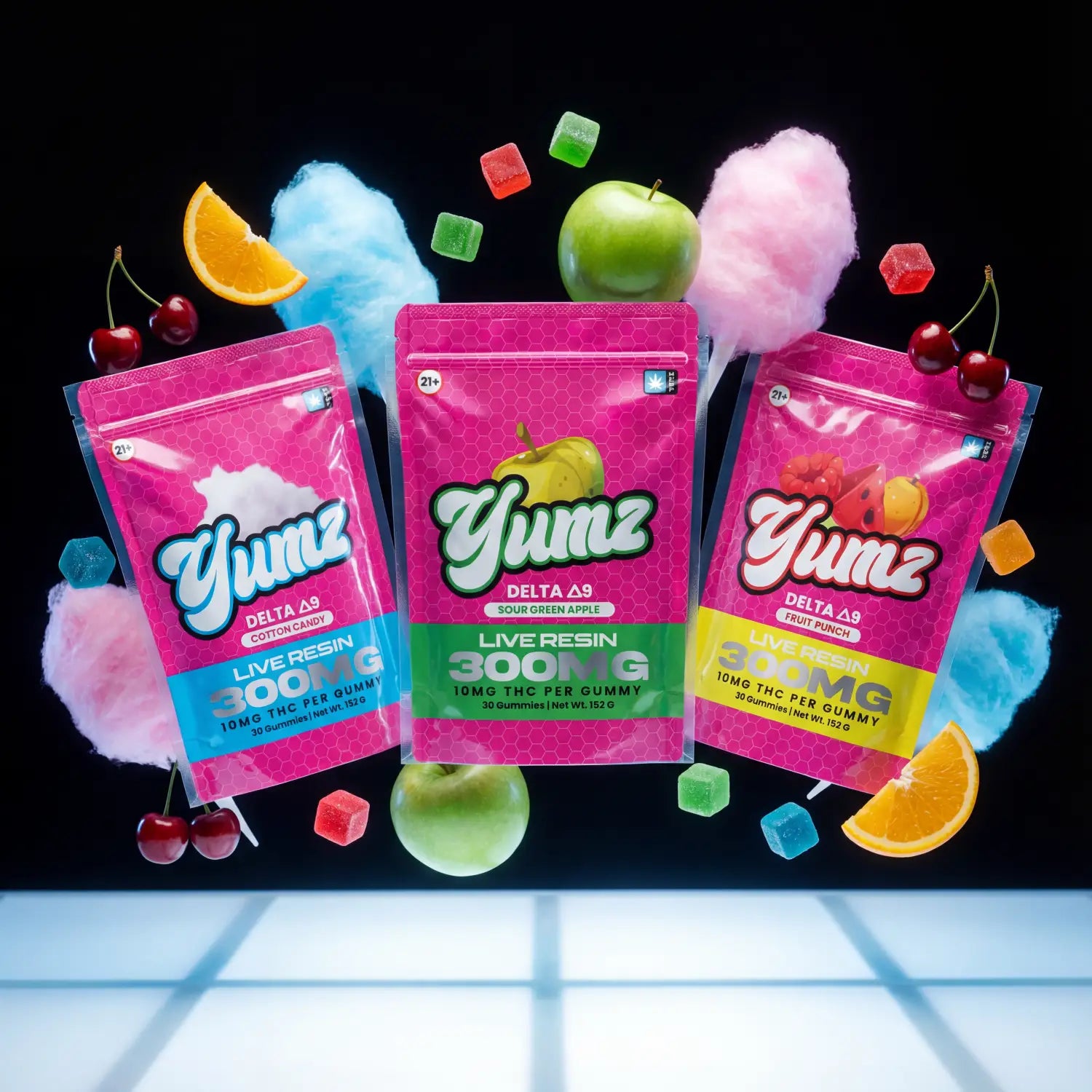

Stay tuned to YumzLab.com for your daily dose of cannabis industry news and culture.


