



The Legal Loophole: How THCA Hemp Products Stay Federally Legal
There's a legal gray area in the cannabis industry that's blowing up right now, and honestly, it's wild that more people don't know about it. THCA—the raw, unheated precursor to Delta-9 THC—exists in a legal loophole that allows it to be sold as a federally compliant hemp product, even though it converts to psychoactive THC the moment you light it up. This technicality has created a booming market for high-potency cannabis products that are legal in most states, and it's changing everything about how consumers access quality flower.
Understanding THCA vs THC: The Chemistry Behind the Loophole
Let's get one thing straight: THCA (tetrahydrocannabinolic acid) and THC (tetrahydrocannabinol) are not the same molecule. THCA is the raw, acidic form of THC that exists naturally in living cannabis plants. It's non-psychoactive in its natural state. You could eat raw THCA flower all day and you wouldn't get high because your body can't process it the same way it processes activated THC. But here's where it gets interesting. When you apply heat—whether that's through smoking, vaping, or cooking—THCA goes through a process called decarboxylation. The heat removes a carboxyl group from the molecule, converting it into Delta-9 THC, the compound that produces the psychoactive effects cannabis users are looking for. This chemical transformation is instant and happens at temperatures around 220-250°F. The legal system hasn't quite caught up with this chemistry. Current federal regulations, specifically the 2018 Farm Bill, define hemp as cannabis containing no more than 0.3% Delta-9 THC by dry weight. Notice the specificity: Delta-9 THC. The legislation doesn't mention THCA at all, which means hemp flower with 20% THCA and only 0.2% Delta-9 THC technically qualifies as legal hemp under federal law. Yeah, you read that right.
How the 2018 Farm Bill Created This Legal Window
The Agricultural Improvement Act of 2018—better known as the Farm Bill—was supposed to clarify hemp regulations and create a legal framework for CBD products. And it did. But lawmakers didn't account for the THCA loophole, probably because they weren't thinking about high-potency flower consumption when drafting agricultural policy. The Farm Bill explicitly removed hemp from the Controlled Substances Act, defining it separately from marijuana based solely on Delta-9 THC concentration. This was huge for the CBD industry, but it also accidentally opened the door for THCA flower sales. Since THCA isn't Delta-9 THC until it's heated, and since the law measures THC content in the raw plant material, cultivators can legally grow and sell cannabis flower that's incredibly potent once consumed. The Drug Enforcement Administration (DEA) has attempted to address this through interim final rules, but their guidance has been inconsistent. Some interpretations suggest that "total THC" (THCA + Delta-9 THC) should be the measure, but this hasn't been codified into law. As of now, the letter of the law still focuses on Delta-9 THC concentration in the raw product, which keeps the loophole wide open. State regulators are all over the place on this. Some states have explicitly banned THCA products or redefined hemp to include total THC. Others are operating under federal guidelines and allowing THCA sales. And many states simply haven't addressed it yet, creating a patchwork of regulations that varies wildly depending on where you live.
Why This Matters for Cannabis Consumers
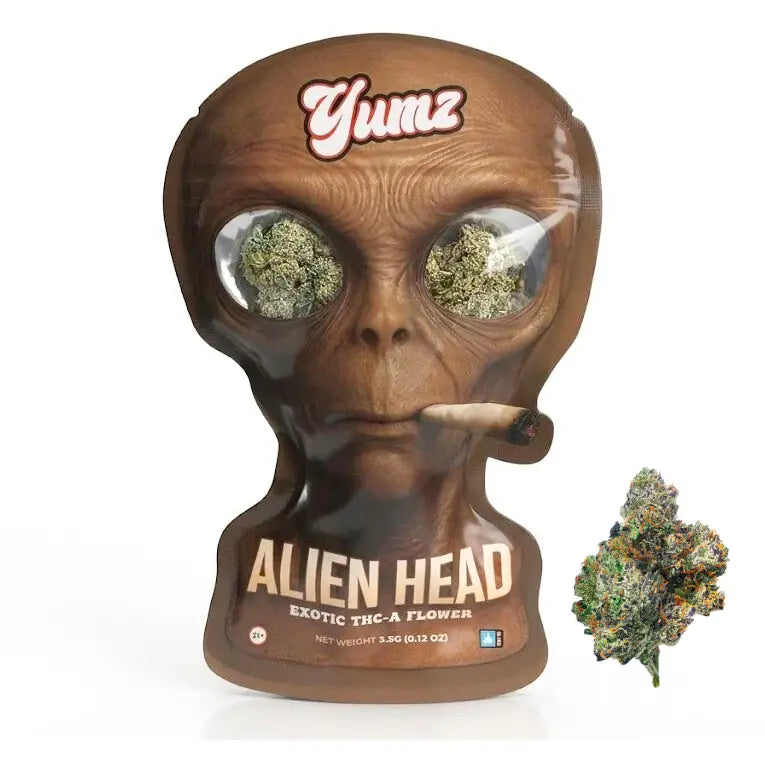
This isn't just legal trivia. It's a game-changer for access. In states where recreational marijuana is still illegal, THCA products offer consumers a legal pathway to high-quality cannabis flower that's virtually identical to what you'd find in a licensed dispensary. We're talking exotic strains, high terpene profiles, and potency levels that rival anything in the traditional market. The quality has gotten seriously impressive. Because hemp cultivation is federally legal, growers in non-legal states can now openly cultivate premium genetics without the legal risk associated with traditional marijuana cultivation. This has led to an explosion of craft hemp cultivators producing fire flower that tests at 15-25% THCA. When you smoke or vape that, you're getting the same effects as high-THC marijuana. Price and accessibility are major factors too. Yumz Lab and other online retailers can ship THCA products directly to consumers in states where marijuana is prohibited, often at lower prices than dispensary products because they're not subject to the same heavy taxation. You don't need a medical card. You don't need to live near a dispensary. You just need to be 21 and have an internet connection. But here's my hot take: this loophole won't last forever. Federal and state regulators are absolutely aware of what's happening, and we're already seeing movement toward closing this gap. Some states have moved quickly to ban THCA or redefine their hemp laws. The DEA has hinted at rescheduling cannabis, which could change everything. So if you're in a non-legal state and you've been curious about trying premium hemp flower that's actually potent, now's the time to explore your options before the regulatory environment shifts.
The Science of Decarboxylation: What Happens When You Heat THCA
Let's talk about what actually happens at the molecular level. THCA has a carboxyl group (COOH) attached to its molecular structure. This extra group makes the molecule too large to fit efficiently into your body's CB1 receptors, which are responsible for the psychoactive effects of cannabis. No receptor binding, no high. When you apply heat through smoking, vaping, or baking, that carboxyl group breaks off in a process called decarboxylation. What's left is Delta-9 THC—the exact same molecule found in marijuana—which is small enough to bind to those CB1 receptors in your brain and nervous system. The transformation is nearly complete when you're smoking or vaping, with conversion rates typically exceeding 95% at proper temperatures. This is why THCA disposable vapes and THCA vape carts work so effectively. Vaporizers heat cannabis to temperatures between 350-450°F, which is the sweet spot for decarboxylation. You're essentially performing a chemistry experiment every time you take a hit, converting the legal THCA into psychoactive THC in real-time. Interestingly, some research suggests that THCA itself may have therapeutic properties even without conversion to THC. Studies published in peer-reviewed journals indicate that raw THCA may have anti-inflammatory and neuroprotective properties, though this research is still in early stages. These statements have not been evaluated by the FDA, and these products are not intended to diagnose, treat, cure, or prevent any disease. Always consult with a healthcare provider before using cannabis products for medical purposes.
What Products Are Available and How to Choose Quality
The THCA market has exploded beyond just flower. You can now find THCA in almost every format imaginable, and the quality varies wildly. Let's break down what's out there. Flower remains the most popular format. When shopping for the best THCA flower for potency and effects, look for products with lab testing that shows both cannabinoid profiles and terpene content. Third-party lab results should be readily available through QR codes or COAs (Certificates of Analysis). You want to see high THCA percentages—15% or above is solid, 20%+ is premium—and make sure Delta-9 THC levels stay under 0.3% to maintain legal compliance. Vape products offer convenience and discretion. THCA vape cartridges and disposables use extracted THCA in various forms—distillate, live resin, or liquid diamonds. These products can be incredibly potent, often testing at 80-95% total cannabinoids. The advantage here is precise dosing and no combustion, though some users prefer the full-spectrum experience of smoking flower. Edibles are trickier with THCA. Remember, THCA needs heat to convert to THC. So raw THCA edibles won't get you high unless the product has been decarboxylated during production. That's why most THC gummies contain Delta-9 THC that's already been activated. Some manufacturers are creating THCA edibles designed to be heated before consumption, but these are less common. Quality markers matter. Look for brands that provide full-panel lab testing, use organic or pesticide-free cultivation methods, and are transparent about their sourcing. Hemp can be a bioaccumulator, meaning it absorbs whatever's in the soil, so knowing where and how your flower was grown is important. Reputable retailers will have this information readily available.

Navigating State Laws and Staying Compliant
Here's where things get complicated. Federal legality doesn't mean universal access. Several states have explicitly banned THCA or redefined hemp to include total THC rather than just Delta-9. As of early 2024, states like Idaho, Kansas, and Nebraska have some of the strictest hemp laws and don't allow THCA products. Other states such as Oregon, Colorado, and Washington have mature marijuana markets and have restricted hemp-derived intoxicating cannabinoids to protect their licensed cannabis industries. Meanwhile, states like Texas, Florida, and North Carolina have thriving THCA markets because they're operating under federal hemp definitions. Your responsibility as a consumer is to know your local laws. Just because a website will ship to your state doesn't automatically mean it's legal there. Most reputable retailers will have state-specific shipping restrictions, but it's worth doing your own research. Check your state's department of agriculture website or cannabis regulatory body for the most current information. Also worth noting: just because something is legal to possess doesn't mean you can consume it anywhere. Public consumption laws vary, and you can still face DUI charges if you're impaired while driving, regardless of whether the product is hemp-derived or marijuana-derived. Be smart, be discreet, and respect local regulations even when the law seems unclear.
Conclusion
The THCA loophole represents one of the most significant developments in cannabis access since the 2018 Farm Bill passed. It's given consumers in non-legal states access to quality cannabis products and created a booming market for hemp cultivators. But it's also a reminder of how complex cannabis law remains, with federal and state regulations often working at cross purposes. Whether you're exploring THCA products for the first time or you're a longtime cannabis enthusiast, understanding the legal and scientific nuances helps you make informed choices and stay compliant. Just remember: laws change, so stay informed about your state's current regulations.
Stay tuned to YumzLab.com for your daily dose of cannabis industry news and culture.


