



Cannabis Branding Evolution: From Grateful Dead to Luxury Aesthetics
Remember when cannabis branding meant tie-dye, dancing bears, and barely-readable psychedelic fonts? That world feels like ancient history now. Today's cannabis industry looks more like a luxury wellness boutique than a Grateful Dead parking lot—and that shift tells us everything about how far we've come.
The Counterculture Era: When Cannabis Branding Was Born
Let's be real: cannabis branding didn't really exist in the traditional sense until recently. For decades, marijuana lived in the shadows, passed around in unmarked baggies and whispered about in code. But the counterculture movement of the 1960s and 70s gave cannabis its first real visual identity—and the Grateful Dead became the unofficial logo of the entire scene. Those iconic dancing bears, steal-your-face skulls, and swirling psychedelic patterns weren't just concert merchandise. They became the visual language of cannabis culture itself. Head shops plastered their walls with these designs, and anyone sporting a tie-dye shirt was making a pretty clear statement about their lifestyle choices. The aesthetic was rebellious, anti-establishment, and intentionally alienating to mainstream America. This branding approach made perfect sense at the time. Cannabis was illegal everywhere, stigmatized heavily, and consumed primarily by people who identified with counterculture values. The branding reflected the reality: this was a product for rebels, not your suburban neighbors. But here's the thing—this visual identity also reinforced every negative stereotype about cannabis users and made it nearly impossible for the plant to be taken seriously as medicine or wellness.
Breaking the Stigma: Why Legalization Changed Everything
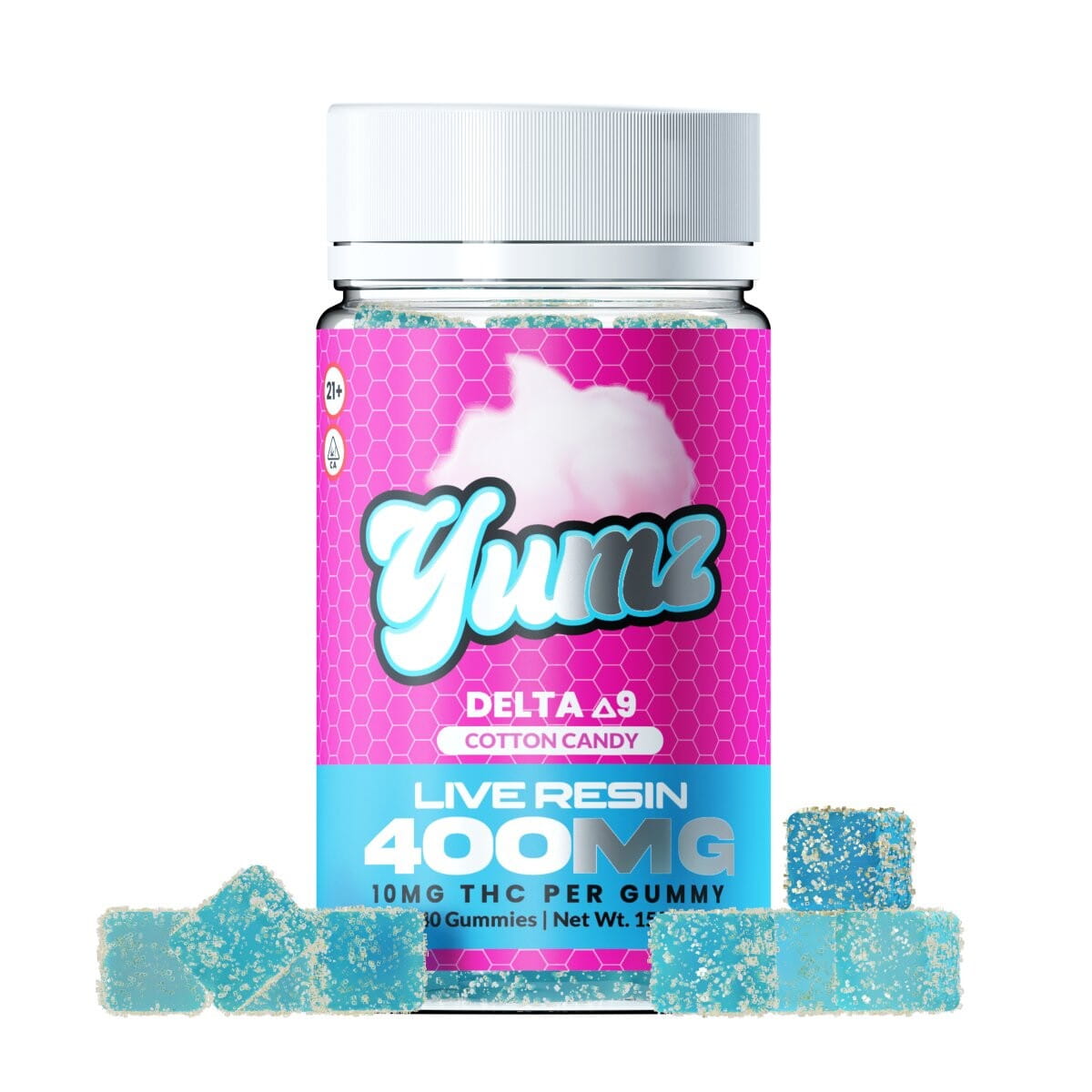
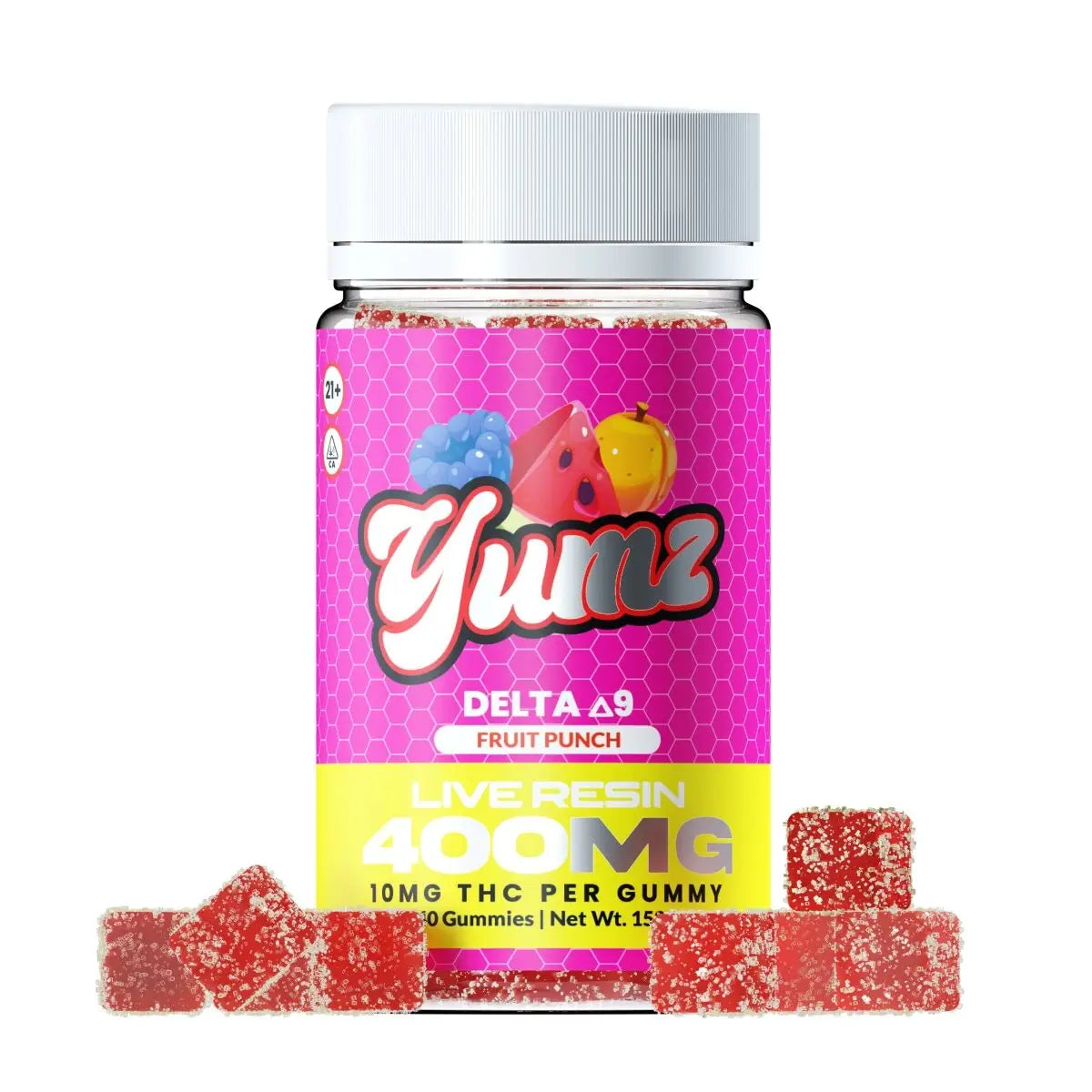
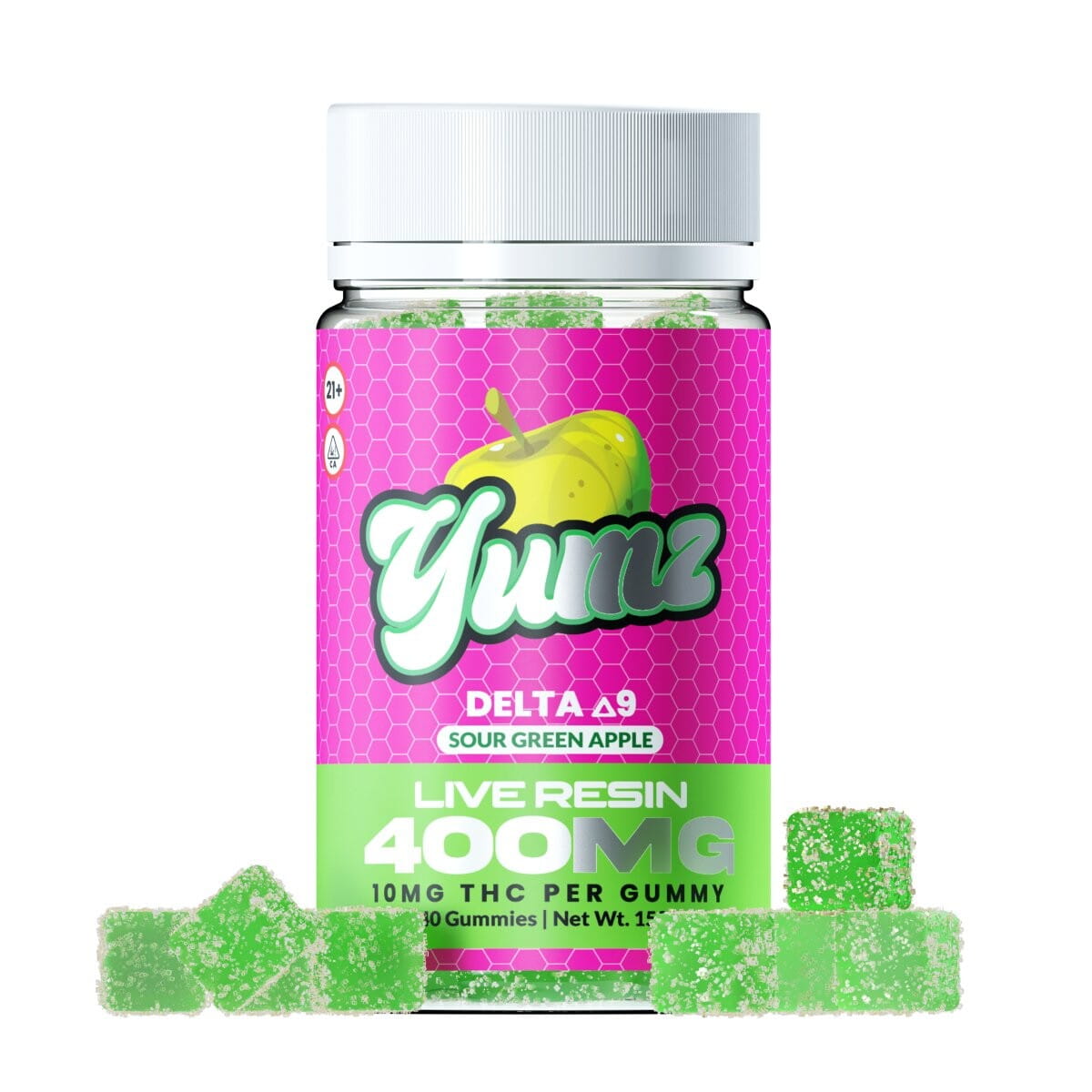
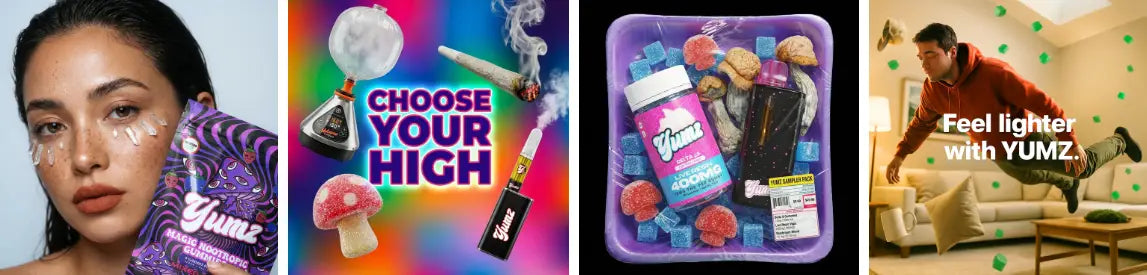
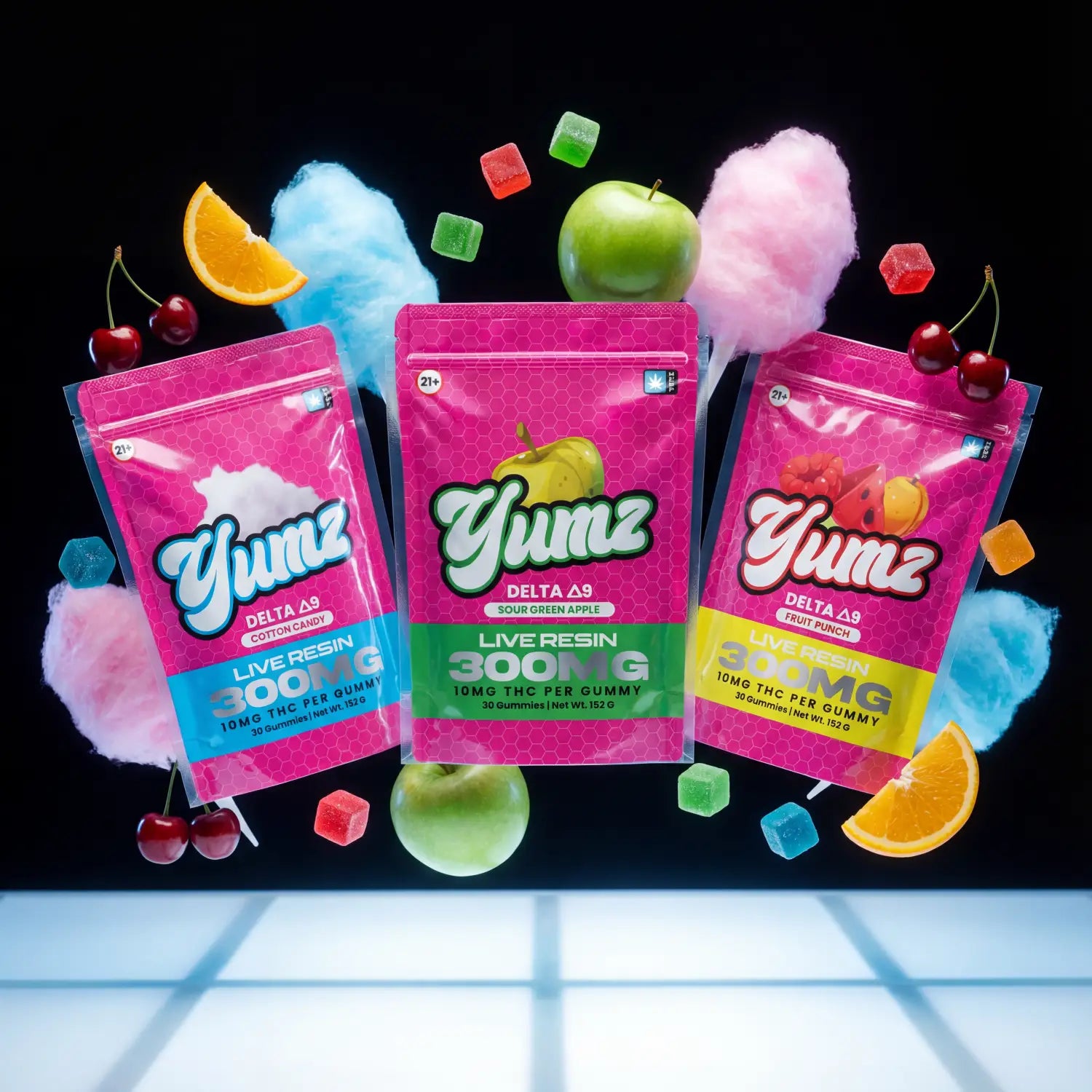
The 2018 Farm Bill changed the game completely. By legalizing hemp and hemp-derived cannabinoids containing less than 0.3% Delta-9 THC, federal law suddenly opened the door for legal cannabis businesses to operate openly. And with legitimacy came a crucial realization: the old branding wasn't going to cut it anymore. State-level marijuana legalization accelerated this shift even faster. When cannabis moved from illicit transactions to licensed dispensaries, brands needed to appeal to a much broader demographic. We're talking soccer moms dealing with anxiety, seniors managing chronic pain, and wellness-focused millennials looking for alternatives to alcohol. These consumers weren't interested in products that screamed "stoner culture." According to industry research, women now represent nearly 50% of cannabis consumers—a dramatic shift from the male-dominated culture of previous decades. That demographic change demanded a complete branding overhaul. Cannabis companies started hiring the same design firms that worked with beauty, wellness, and lifestyle brands. Out went the Rastafarian color schemes and cartoon characters. In came minimalist packaging, botanical illustrations, and sophisticated typography. The result? Cannabis branding today looks more like Glossier than Grateful Dead. And that's exactly the point. Brands like Yumz Lab understand that modern consumers want products that fit seamlessly into their wellness routines—not products that broadcast their cannabis use to everyone around them.
The Rise of Luxury Cannabis Aesthetics
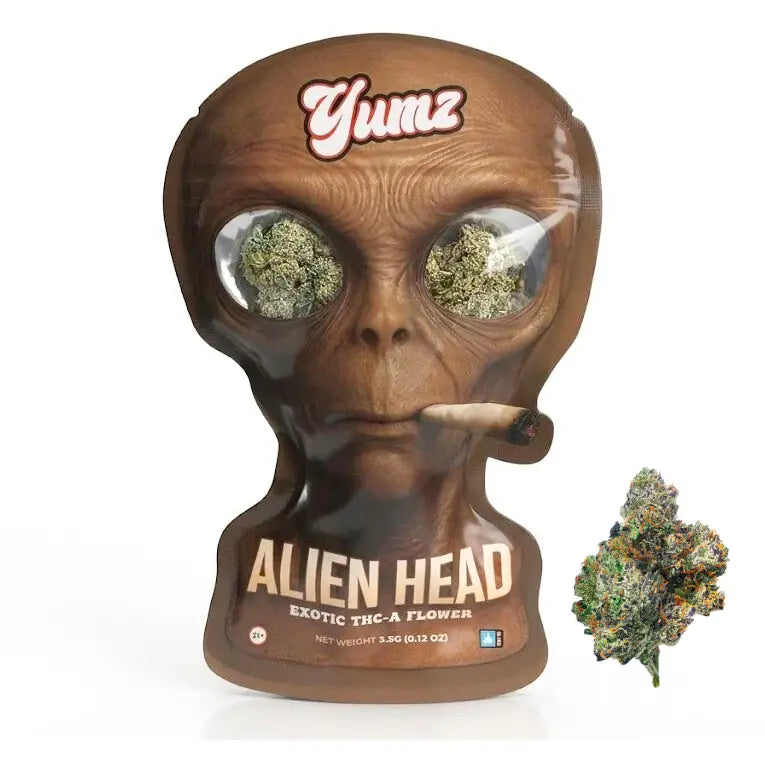
Walk into a high-end dispensary today, and you might mistake it for an Apple Store. Seriously. Clean lines, warm wood accents, knowledgeable staff in crisp uniforms, and product displays that look like art installations. This is luxury cannabis branding, and it's absolutely dominating the premium segment of the market. So what does luxury cannabis branding actually look like? Think muted color palettes—lots of sage green, dusty rose, cream, and gold. Packaging feels substantial, with heavy cardboard, embossed logos, and magnetic closures. The typography is clean and modern, often featuring serif fonts that communicate sophistication and tradition. Photography is lifestyle-focused, showing cannabis products alongside yoga mats, designer handbags, or gourmet food. Brands in this space position themselves more like wellness companies than cannabis companies. They talk about self-care, intentional living, and plant medicine. The messaging focuses on quality, purity, and craftsmanship. You'll see terms like "small-batch," "artisanal," "hand-selected," and "premium" everywhere—the same language used by craft spirits and specialty coffee brands. This approach makes total sense when you look at the numbers. Premium cannabis products can command significantly higher prices than value-tier offerings, and consumers are willing to pay for perceived quality and sophistication. Products like premium hemp flower and vegan THC gummies succeed in this market by combining quality ingredients with packaging and branding that signals luxury. But here's where it gets interesting—and a bit controversial. Some industry insiders argue that luxury cannabis branding has gone too far in distancing itself from cannabis culture and history. By erasing all references to the plant's counterculture roots, are brands abandoning the activists and advocates who fought for legalization in the first place? It's a valid question worth considering.
The Middle Ground: Authentic Cannabis Branding
Not every cannabis brand wants to look like a luxury skincare line, and that's totally fine. Some of the most successful companies in the space have found a middle ground—what we might call "authentic cannabis branding." These brands acknowledge the plant's history and culture while still appealing to modern, mainstream consumers. Authentic cannabis branding uses imagery that connects to the plant itself: trichome close-ups, botanical illustrations of cannabis leaves, earthy color palettes inspired by cultivation. The tone is knowledgeable but approachable, using some industry terminology without being exclusionary. These brands might reference strain names, terpene profiles, and cultivation methods—signaling expertise without pretension. You see this approach across product categories. THCA disposable vapes and vape cartridges often feature this style of branding—clean enough for discretion but cannabis-forward enough to appeal to enthusiasts who actually care about strain characteristics and cannabinoid profiles. This middle-ground approach recognizes something important: cannabis consumers aren't a monolith. Some want luxury aesthetics. Others want functional, no-nonsense packaging. And plenty want branding that celebrates cannabis as cannabis—not as some abstracted wellness ingredient. The most successful brands understand their specific audience and design accordingly rather than chasing trends that don't align with their customer base.
What Modern Cannabis Branding Means for Consumers
Here's what most articles about cannabis branding won't tell you: the packaging matters way less than what's inside. But the packaging does tell you something about the company's priorities and target market. Luxury branding usually signals premium pricing. That's not inherently bad—sometimes you're paying for better ingredients, more rigorous testing, and superior customer service. But sometimes you're just paying for fancier packaging. Learning to distinguish between the two is crucial for cannabis consumers who want value. The shift toward mainstream branding has also made cannabis products more accessible in a practical sense. Discreet packaging means consumers can receive deliveries without nosy neighbors making assumptions. Professional branding makes it easier to display products in your home without feeling like you're decorating with head shop posters. And sophisticated marketing helps reduce the stigma that still exists around cannabis use, particularly for medical patients and older consumers. At the same time, the corporatization of cannabis branding has its downsides. When every brand looks like every other wellness company, it becomes harder to identify companies with genuine expertise in cannabis. Some brands slap a clean logo on generic white-label products and call it premium. That's why consumers need to look beyond aesthetics to things that actually matter: third-party lab testing, transparent sourcing information, clear cannabinoid and terpene profiles, and authentic customer reviews. Whether you're shopping for the best THCA flower for your needs or exploring other hemp-derived products, smart consumers evaluate brands based on substance, not just style. Does the company provide detailed Certificates of Analysis? Do they clearly explain their extraction methods? Are they transparent about where their hemp is grown? These questions matter more than whether the packaging looks expensive.

How to Identify Quality Cannabis Brands Beyond the Aesthetic
Let's get practical. You're standing in a dispensary or scrolling through an online shop, looking at dozens of brands with varying aesthetics. How do you actually choose? First, look for transparency. Quality cannabis brands provide easy access to third-party lab results for every product. These Certificates of Analysis (COAs) should show cannabinoid potency, terpene profiles, and test results for contaminants like pesticides, heavy metals, and residual solvents. If a brand makes you hunt for this information or doesn't provide it at all, that's a red flag regardless of how pretty the packaging is. Second, read the ingredient list carefully. Premium brands keep it simple, especially for products like edibles. You should recognize most ingredients, and there shouldn't be a bunch of artificial colors, flavors, or fillers. For flower and concentrates, the product should be the product—no additives needed. Third, consider the company's expertise and focus. Brands that specialize in cannabis and hemp typically produce better products than companies that treat cannabis as just another product line. Look for evidence of real knowledge: detailed strain information, cultivation and extraction details, educational content that goes beyond marketing fluff. Finally, don't confuse branding sophistication with product quality. Some of the best cannabis products come in fairly basic packaging because the company invests in what matters—genetics, cultivation practices, and extraction technology—rather than expensive marketing campaigns. Conversely, some brands with gorgeous aesthetics and premium pricing deliver mediocre products. Trust verified lab results and authentic customer experiences over pretty pictures.
Conclusion
Cannabis branding has traveled an incredible distance from Grateful Dead parking lots to luxury boutiques. But here's what really matters: good branding should serve consumers, not just marketing departments. Whether you prefer sophisticated minimalism or authentic cannabis culture aesthetics, prioritize transparency, quality, and safety over appearances. The cannabis industry is still young, still evolving, and still figuring out its identity—and that's actually pretty exciting to watch.
Stay tuned to YumzLab.com for your daily dose of cannabis industry news and culture.


