



How to Make THC-Infused Butter (Cannabutter) in a Slow Cooker
Making cannabutter at home doesn't have to be complicated or stressful. Using a slow cooker takes the guesswork out of temperature control, prevents burning, and gives you consistently potent THC-infused butter that's perfect for brownies, cookies, or any recipe calling for regular butter.
Why Cannabutter Is the Foundation of Cannabis Cooking
Cannabutter remains the most popular way to create edibles at home, and for good reason. It's the base ingredient for thousands of recipes, from classic pot brownies to gourmet cannabis cuisine. But here's the thing: Raw cannabis flower won't get you high if you just toss it in your cookie dough. THC exists in its inactive form (THCA) in the plant and needs heat to convert into the psychoactive compound we're after. This process, called decarboxylation, is where most home cooks mess up. Too much heat destroys cannabinoids. Too little heat doesn't activate them. The slow cooker method solves this problem beautifully by maintaining a steady, low temperature for hours without babysitting. Studies from cannabis research institutions show that decarboxylation occurs optimally between 220-245°F, and most slow cookers on low settings hover right in that sweet spot. The science behind cannabutter is straightforward: THC is fat-soluble, not water-soluble. That means it binds to the fatty molecules in butter (or oils) but won't dissolve in water alone. When you infuse high potency flower into butter over several hours, you're extracting those valuable cannabinoids and terpenes into a cooking medium that's shelf-stable and incredibly versatile. The result? A potent ingredient you can measure, dose, and cook with just like regular butter.
What You'll Need: Ingredients and Equipment
Let's talk ingredients first. You'll need three things: quality cannabis flower, unsalted butter, and water. That's it. For flower, you'll want 7-14 grams (about a quarter to half ounce) depending on how strong you want your final product. The quality of your starting material directly impacts your end result, so don't skimp here. If you're looking for premium hemp flower that's legal, hemp-derived THCA flower offers potent effects while remaining compliant with the 2018 Farm Bill's 0.3% Delta-9 THC threshold. For butter, grab one to two pounds of unsalted butter. Unsalted gives you better control over flavor in your recipes. The water is crucial—it prevents burning and helps regulate temperature during the infusion process. You'll also need about 2-4 cups of water depending on your slow cooker size. Equipment-wise, you need a slow cooker (obviously), a fine-mesh strainer or cheesecloth, a baking sheet for decarboxylation, a grinder, and a storage container. A kitchen thermometer is optional but helpful for monitoring temperature. Some people skip the separate decarb step and let the slow cooker handle everything, but pre-decarbing your flower gives you way more control over potency and consistency.


The Decarboxylation Process: Don't Skip This Step
Here's where things get real. Decarboxylation is non-negotiable if you want potent cannabutter. Preheat your oven to 240°F—not 250°F, not 230°F. Precision matters. Break up your cannabis flower into small, even pieces using a grinder, but don't pulverize it into powder. You want a coarse grind. Spread your ground flower evenly on a baking sheet lined with parchment paper. Bake for 30-40 minutes, checking every 10 minutes. You're looking for a light golden-brown color, not dark brown or green. The smell will be strong, so ventilate your kitchen. This step converts THCA into THC through heat exposure, and research from major universities indicates this process preserves about 70-90% of total cannabinoid content when done correctly. Some cannabis enthusiasts argue you can skip this and let the slow cooker do all the work. Technically true. But splitting the process gives you better results because you're controlling each variable separately. Think of it like cooking: You could throw raw ingredients in a pot and hope for the best, or you could prep each component properly for a better meal. Your call.
The Slow Cooker Method: Step-by-Step Process
Now for the main event. Add your butter and water to the slow cooker. Use a 1:1 ratio—one cup of water per cup (two sticks) of butter. Turn it on low and let the butter melt completely. Once melted, add your decarboxylated cannabis. Stir it well to make sure everything's submerged. Set your slow cooker to low and let it work for 4-8 hours. Yes, that's a wide range. Four hours gives you decent infusion; eight hours extracts more cannabinoids and terpenes. I typically go for six hours as the sweet spot. Stir every hour or so to ensure even infusion and prevent any plant material from burning on the sides. Temperature is critical here. Your mixture should stay between 160-200°F. Too hot and you'll degrade THC into CBN, which is more sedative and less psychoactive. If your slow cooker runs hot, crack the lid slightly or use the "warm" setting instead of "low." Some newer slow cookers have built-in temperature controls—use them. After your infusion time is up, it's straining time. Place your fine-mesh strainer or cheesecloth over a bowl and pour the mixture through. Don't squeeze or press the plant material—this releases chlorophyll and gives your butter a harsh, grassy taste. Let gravity do the work. The liquid will separate as it cools: butter on top, water on bottom.
Cooling, Storage, and Dosing Your Cannabutter
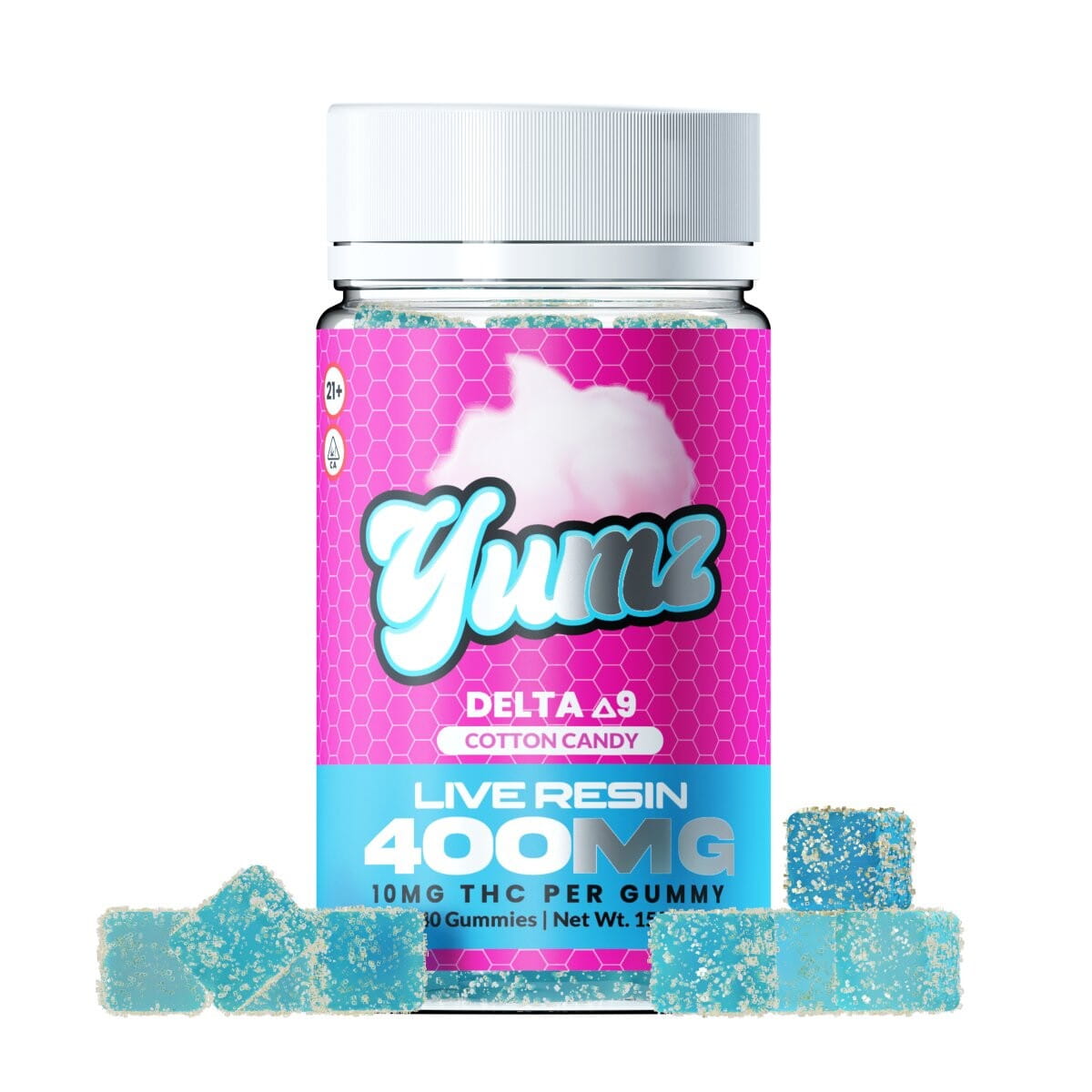
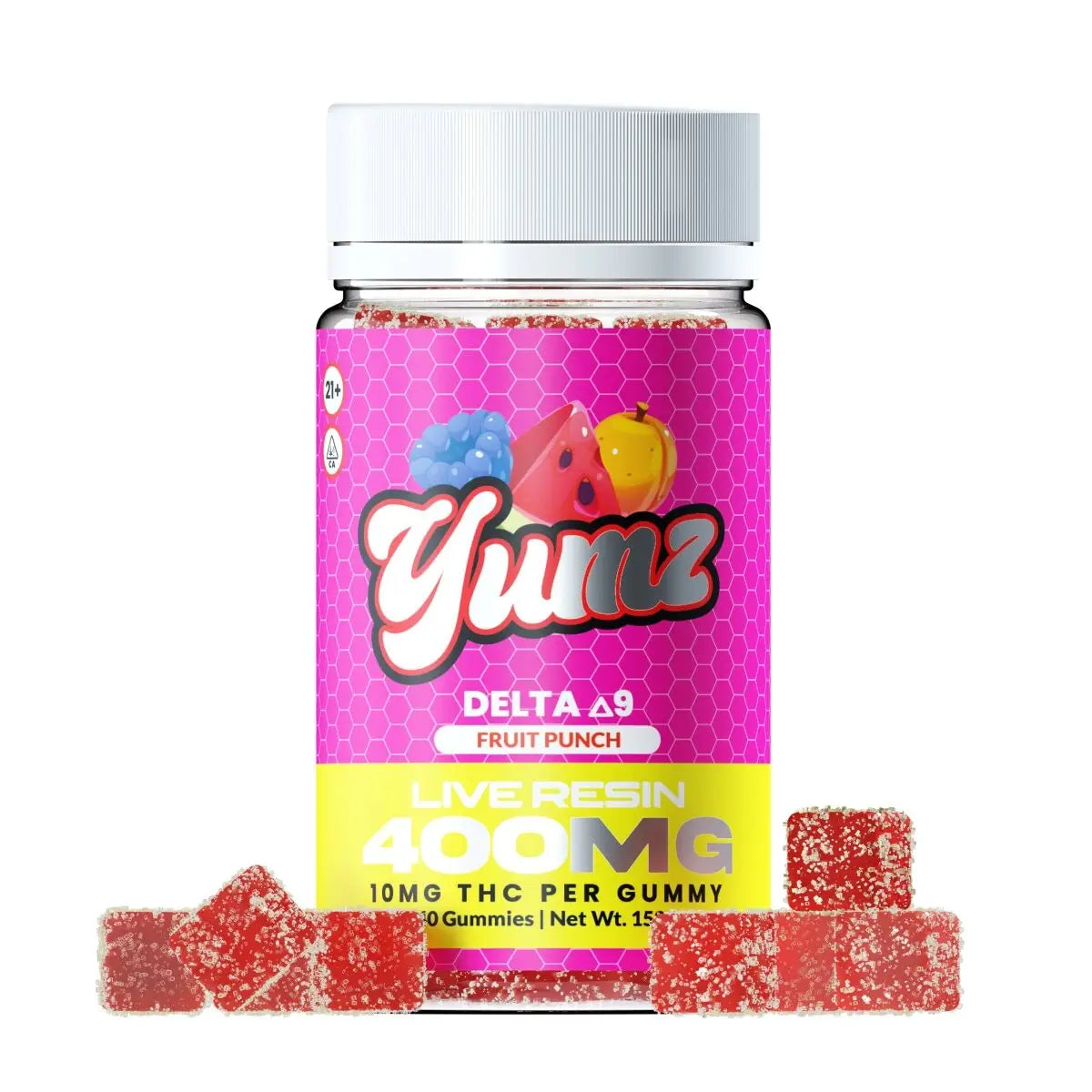
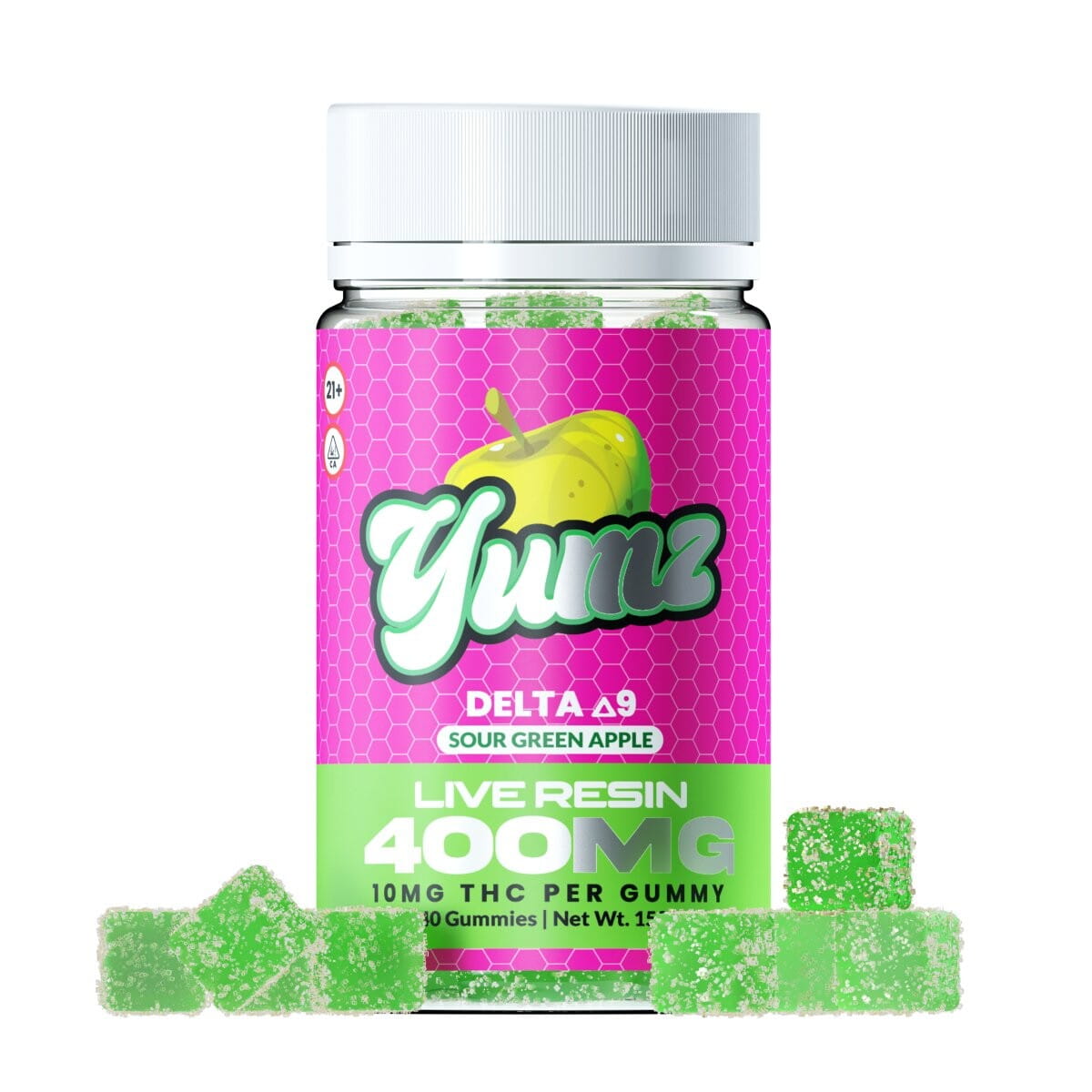
Let your strained mixture cool at room temperature for about 30 minutes, then refrigerate for at least 2 hours. The butter will solidify on top of the water layer. Once solid, carefully remove the butter disk and discard the water underneath. Pat the bottom of your butter dry with a paper towel to remove any excess moisture. Storage is simple: Keep your cannabutter in an airtight container in the fridge for up to 2 months, or freeze it for up to 6 months. Label it clearly with the date and strain used. Trust me on this—you don't want someone accidentally using your special butter for toast. Dosing is where most people get nervous, and rightfully so. Here's the math: If you used 10 grams of flower testing at 20% THC, you started with 2,000mg of THC. After decarboxylation (assuming 80% efficiency), you have about 1,600mg. Divided into one pound of butter (32 tablespoons), that's 50mg per tablespoon. Start with half a tablespoon in recipes and wait at least 2 hours before consuming more. Edibles hit differently than vaping with a weed pen—the effects take longer to kick in but last much longer. Consumer safety research consistently shows that low-and-slow is the best approach with edibles. The National Institute on Drug Abuse notes that edible cannabis effects can last 6-8 hours compared to 2-3 hours for inhalation. If you prefer consistent, pre-measured doses without the cooking hassle, hemp edibles like THC gummies offer reliable potency with third-party lab testing.

Using Your Cannabutter: Recipes and Applications
Now comes the fun part. Your cannabutter works in any recipe that calls for regular butter. Brownies and cookies are classics for a reason—the strong flavors mask the cannabis taste. But you can get creative: infused compound butter for steak, cannabis banana bread, or even THC-infused frosting. A few cooking tips: Don't use cannabutter for high-heat cooking like searing or frying. Temperatures above 350°F degrade THC. Baking at 325-350°F is fine because the butter inside baked goods doesn't reach oven temperature. For stovetop recipes, keep your heat medium-low. The onset time for edibles typically ranges from 45 minutes to 2 hours, depending on your metabolism, what you've eaten that day, and the potency of your butter. Effects peak around 2-3 hours and can last 6-8 hours total. Plan accordingly. This isn't like taking a few hits from a vape cartridge where effects hit in minutes. One hot take: Cannabutter tastes better than cannabis oil in baked goods. The dairy fat carries flavors differently than coconut or olive oil, giving you a richer, more traditional taste. But if you're dairy-free, the same slow cooker process works perfectly with coconut oil or ghee.
Conclusion
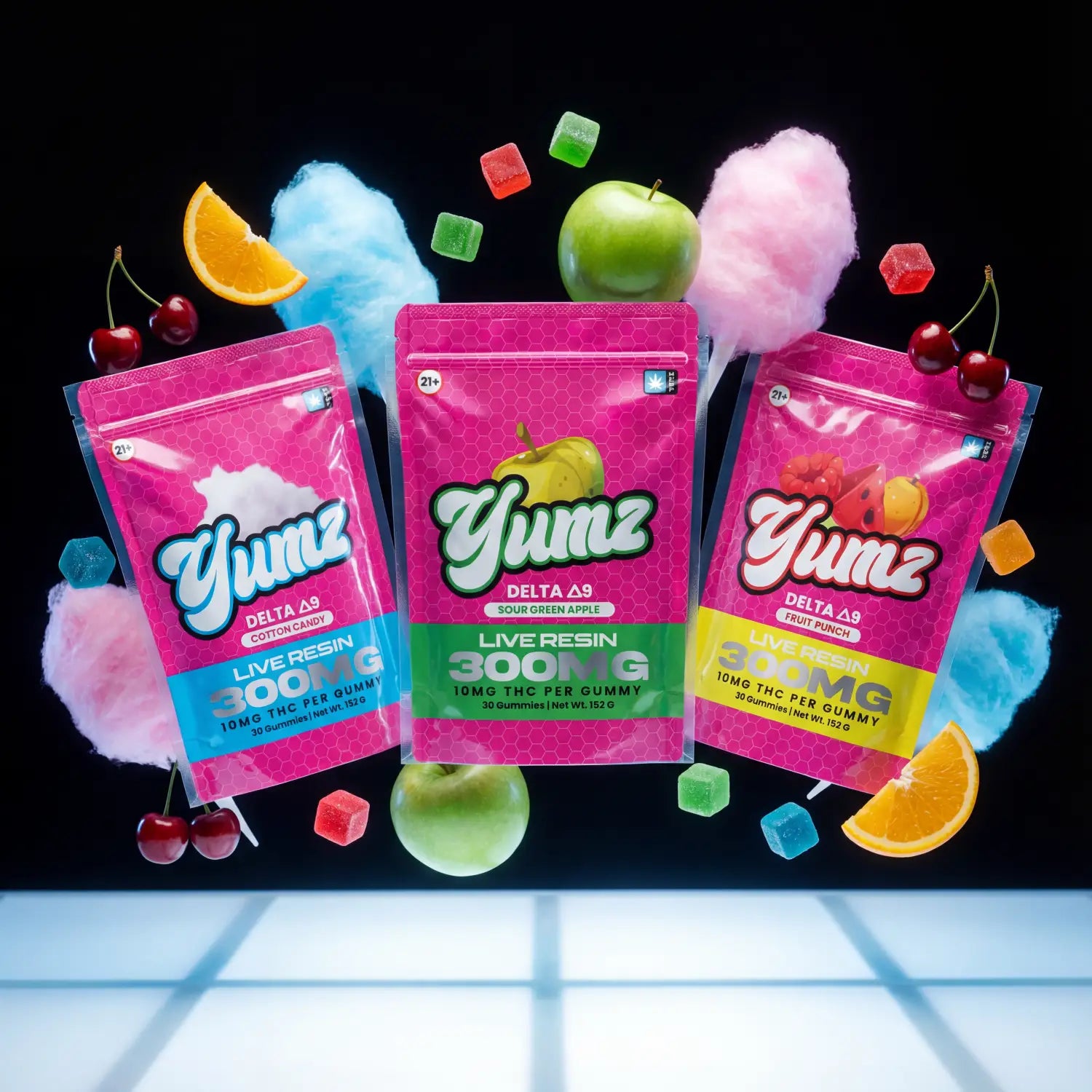
Making cannabutter in a slow cooker is one of the most foolproof methods for creating potent, consistent edibles at home. The low-and-slow approach prevents burning, extracts maximum cannabinoids, and gives you a versatile cooking ingredient that opens up endless recipe possibilities. Whether you're using legal cannabis from Yumz Lab or your own homegrown flower, this method delivers results every time. Start small, dose carefully, and enjoy the journey into cannabis cooking.
Stay tuned to YumzLab.com for your daily dose of cannabis industry news and culture.


