


Painting and Puffing: Best Cannabis Strains for Visual Creativity
Artists have been pairing cannabis with creative work for centuries, from jazz musicians to painters to modern digital creators. But not all strains hit the same when you're trying to nail that perfect brushstroke or see colors in a whole new way. The right cannabis can open up visual pathways, quiet your inner critic, and help you stay locked into your creative flow for hours.
The Science Behind Cannabis and Creative Flow
Let's talk about what's actually happening in your brain when you combine cannabis with creative work. Research from University College London found that THC increases cerebral blood flow to the frontal lobe, the area responsible for creativity and divergent thinking. That's the scientific way of saying cannabis can help you make connections you wouldn't normally see. But here's where it gets interesting. It's not just about THC levels. The entourage effect—how cannabinoids and terpenes work together—plays a huge role in the type of creative experience you'll have. According to studies published in peer-reviewed journals, certain terpene profiles can either energize your creative process or slow it down to a crawl. Limonene and pinene tend to promote alertness and focus, while myrcene can make you too relaxed to pick up a paintbrush. THC activates CB1 receptors in your brain's reward system, which can make colors appear more vibrant and patterns more noticeable. Artists report enhanced visual perception at doses between 2.5mg and 10mg of THC. Go beyond that? You might find yourself staring at your canvas for twenty minutes without actually painting anything. CBD also plays a supporting role here—it can take the edge off THC's anxiety-inducing effects while keeping you clearheaded enough to execute your vision. The 2018 Farm Bill legalized hemp-derived cannabinoids containing less than 0.3% Delta-9 THC by dry weight, which means products like THCA flower are federally legal while offering potent effects once heated. THCA converts to THC through decarboxylation, giving you the same creative benefits without the legal complications in many states.
Strain Characteristics That Support Visual Creativity
So what should you actually look for when choosing flower for your creative sessions? Sativa-dominant and hybrid strains typically work best for visual artists. They offer the mental clarity and energy you need while still providing enough of that shifted perspective that makes art exciting. Terpene profiles matter more than most people realize. Strains high in terpinolene (found in Jack Herer and Dutch Treat) offer uplifting, creative effects perfect for painting sessions. Limonene-dominant strains bring energy and mood elevation—think Durban Poison or Super Lemon Haze. These citrus-forward profiles can keep you engaged with your work for extended periods without the couch-lock that kills productivity. Honestly, this is where exotic THCA strains shine. Because THCA flower offers full cannabinoid and terpene profiles similar to traditional cannabis, you're getting the complete entourage effect. Look for strains testing between 15-22% total cannabinoids—high enough to shift your perception but not so strong you can't function. Some strain types consistently show up in artists' rotations. Sativas like Strawberry Cough and Green Crack (now often called Green Crush) offer clear-headed energy. Hybrids like Blue Dream and Wedding Cake balance relaxation with focus. And here's a hot take: sometimes a well-chosen indica hybrid works better than pure sativas, especially for detail-oriented work where you need to stay put for hours. The key is finding your sweet spot. CBG-rich strains are emerging as another option for creative work. Cannabigerol (CBG) may help with focus and clarity without the intense psychoactive effects of high-THC strains. Some users report CBG helps them stay present with their art while still experiencing subtle perceptual shifts that inform their creative decisions.

Best Consumption Methods for Your Creative Sessions
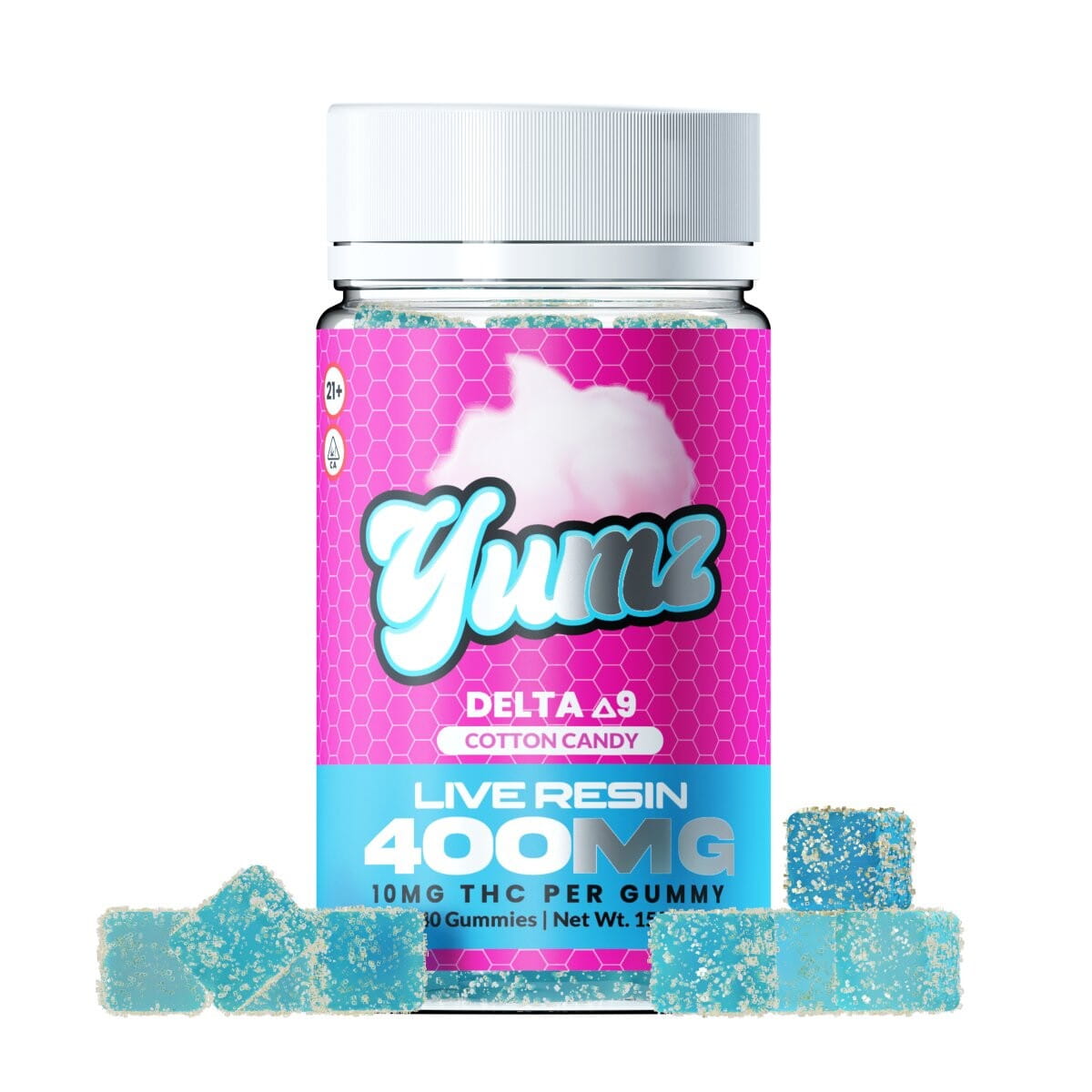
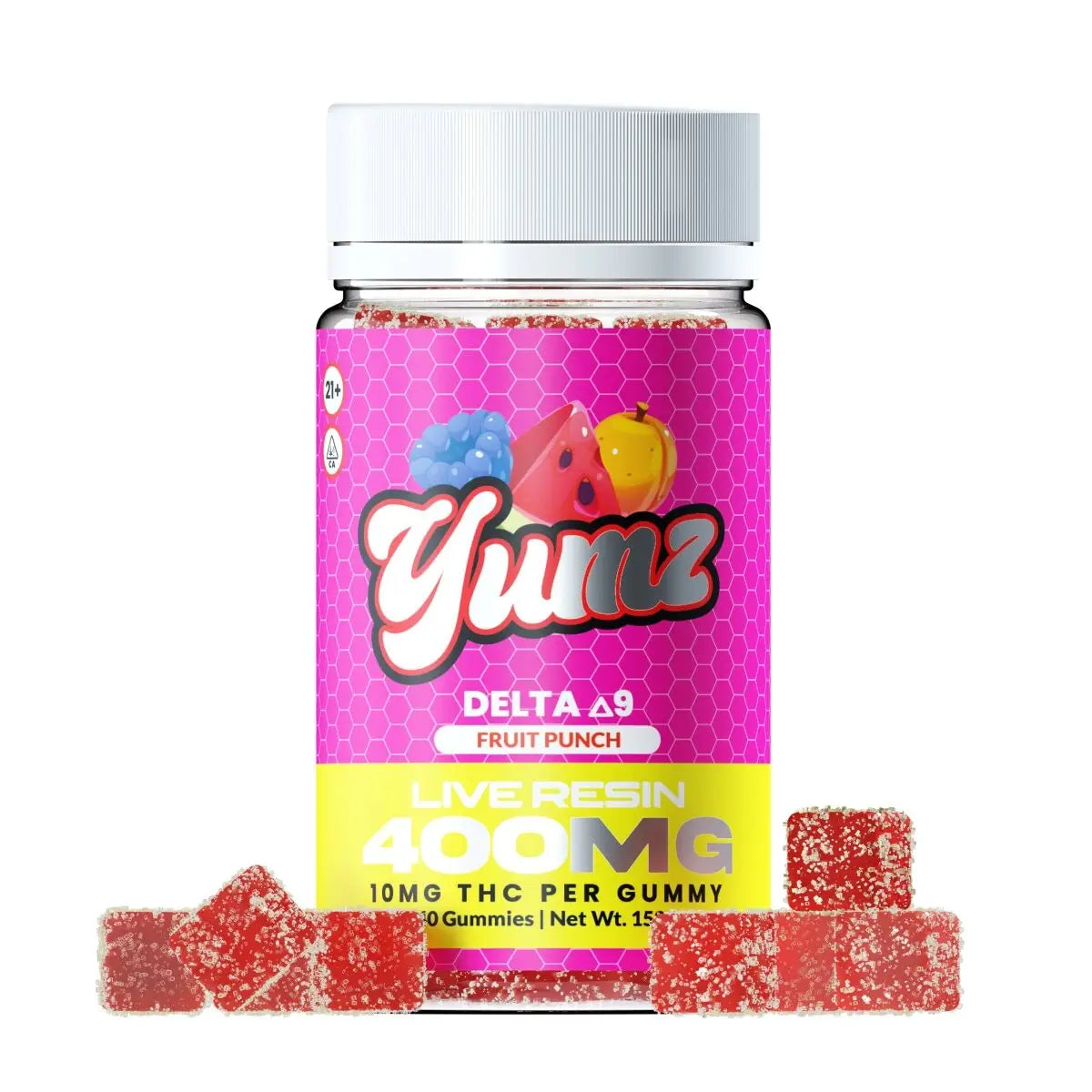
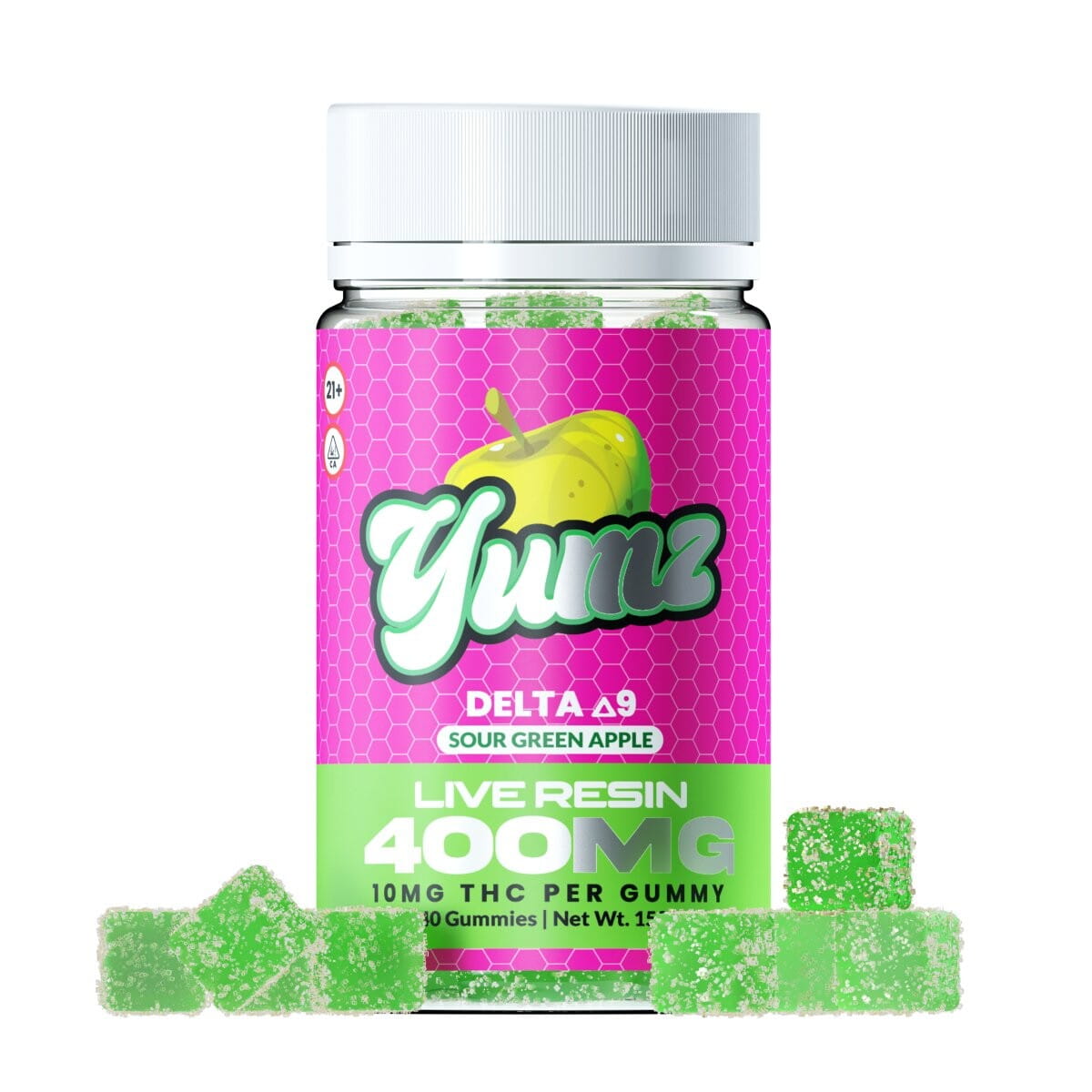
How you consume matters just as much as what you consume. Different delivery methods offer distinct onset times, duration, and intensity levels—all factors that impact your creative flow. Smoking or vaping flower gives you the most control. Effects hit within 5-10 minutes, and you can easily adjust your dose by taking one hit and waiting to see how you feel. A THCA disposable vape offers the same quick onset with better flavor preservation and more convenience. You're not dealing with lighters, ash, or strong odors that might bother studio neighbors. For artists who want longer-lasting effects, THC gummies can keep you in the zone for 4-6 hours. But there's a catch. Edibles take 45-90 minutes to kick in, and the effects can be more intense and less predictable. If you're working on commission or have a specific vision to execute, the delayed onset and stronger body effects might not be ideal. Save edibles for experimental sessions where you can afford to get weird with it. Vape cartridges offer a middle ground. THCA vape carts with 510 thread compatibility work with most standard batteries, making them perfect for artists who want potency and portability. You can keep one at your easel or drafting table and microdose throughout your session. Two or three small puffs every hour can maintain that creative headspace without pushing you past the point of productivity. Microdosing is actually the secret weapon most professional artists won't tell you about. Instead of getting fully blazed before you start, try taking minimal doses—just enough to shift your perspective slightly. Research suggests lower doses (2.5-5mg THC) may actually be better for creative tasks than higher doses, which can impair executive function and fine motor control.
Practical Tips for Cannabis-Enhanced Art Sessions
Let's get into the real-world application. You've got your supplies, your canvas, and your cannabis. Now what? Timing is everything. Start your session before consuming, not after. Get your workspace set up, lay out your materials, and have a clear idea (even if it's loose) of what you want to create. Then consume and give it 10-15 minutes before you start working. This prevents that thing where you spend an hour organizing brushes and never actually paint. Your environment matters more when you're elevated. Good lighting is essential—cannabis can affect pupil dilation and depth perception. Make sure your workspace is comfortable and you have water nearby. THC causes dry mouth, and getting up to get water every ten minutes breaks your flow. Here's something most guides won't tell you: have a sober editing session planned. Cannabis can make everything feel like genius-level work in the moment. What looks like a masterpiece at 9 PM might look questionable the next morning. That doesn't mean the cannabis session wasn't valuable—often, those elevated sessions produce ideas and compositions you'd never attempt sober. Just plan to refine the work later. Consider your tolerance honestly. If you're new to cannabis or have a low tolerance, start with the best THCA strains for creative projects that test on the lower end of the potency range. You can always consume more, but you can't unconsume. Many artists find their sweet spot is actually lower than they initially thought. Document your process. Keep notes about which strains or products worked well for different types of creative work. Some strains might be perfect for loose, experimental abstract work but terrible for detailed illustration. Building this personal knowledge base helps you choose the right tool for the right job.

Safety Considerations and Quality Standards
Let's talk about something crucial: product quality and safety. Not all cannabis products are created equal, and when you're using them regularly for creative work, quality matters. Always look for third-party lab testing certificates (COAs). Reputable brands like Yumz Lab provide testing results showing cannabinoid content, terpene profiles, and screening for pesticides, heavy metals, and residual solvents. This isn't just about safety—it's about consistency. If you find a strain that works perfectly for your creative process, you want to know the next batch will deliver the same experience. Under current FDA guidelines, hemp-derived products cannot make medical claims. These statements have not been evaluated by the FDA, and these products are not intended to diagnose, treat, cure, or prevent any disease. But that doesn't mean they can't be part of your creative wellness routine. Be aware of state laws. While hemp-derived THCA products are federally legal under the 2018 Farm Bill, some states have enacted additional restrictions. Check your local regulations, especially if you're traveling with products for art shows or residencies. If you have any underlying health conditions or take medications, consult your healthcare provider before using cannabis products. THC can interact with certain medications and may not be appropriate for everyone. Pregnant or nursing individuals should avoid THC products entirely. Start low and go slow—this applies to everyone, regardless of experience. When trying a new strain or product, begin with the minimum effective dose and wait at least two hours (for edibles) or 30 minutes (for inhalation) before consuming more. You can always take another puff. You can't un-take one.
Conclusion
Finding the right cannabis strains for your visual creative work takes experimentation and honest self-assessment. Pay attention to terpene profiles, start with lower doses than you think you need, and document what works for different types of projects. The goal isn't to be as elevated as possible—it's to find that sweet spot where your perception shifts just enough to see your work with fresh eyes while maintaining the technical skills to execute your vision.
Stay tuned to YumzLab.com for your daily dose of cannabis industry news and culture.


