



Trim vs. Shake: What's the Difference in Cannabis Flower?
Walk into any dispensary or browse an online headshop, and you'll spot products labeled "trim" or "shake" at prices way below premium flower. But what exactly are you getting? Understanding the difference between trim and shake isn't just cannabis trivia—it's essential knowledge that'll save you money and help you choose the right product for your needs.
What is Shake? The Basics of Broken-Down Flower
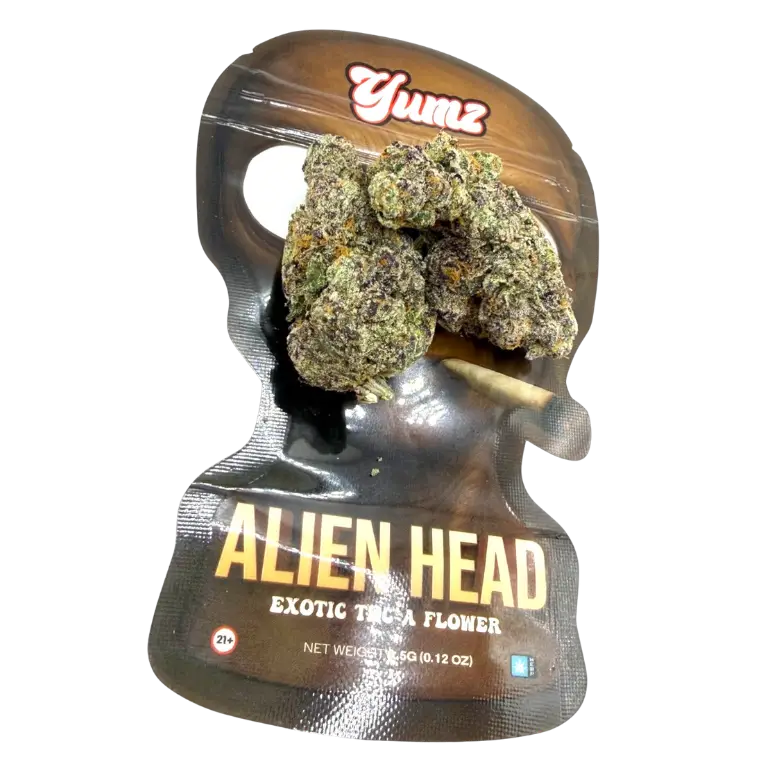
Shake refers to the small pieces of cannabis or hemp flower that naturally accumulate at the bottom of a container or bag. When whole buds get handled, transported, and stored, tiny fragments break off and settle. That's shake. It's not a separate part of the plant—it's literally just pieces of the same buds you'd buy at full price. Here's the thing: shake quality varies wildly depending on where it comes from. Premium shake from high-quality THCA flower strains can be absolutely fire. It contains the same cannabinoid profile as the full buds it came from, just in smaller pieces. You'll find trichomes, you'll get the terpene profile, and you'll experience similar effects. The main difference? Appearance. But not all shake is created equal. Low-quality shake might contain stems, seeds, or even leaf matter if it wasn't properly separated. Some retailers mix shake from multiple strains, creating an unpredictable experience. The worst offenders? They'll call trim "shake" to charge more for an inferior product. That's why buying from reputable sources matters—a lot. Shake typically sells for 30-50% less than whole buds. For budget-conscious consumers who care more about effects than Instagram-worthy nugs, it's a smart choice. But you've got to know what you're buying.
Understanding Trim: The Leftovers from Processing
Trim is completely different from shake, though people confuse them constantly. Trim consists of the sugar leaves and small leaf material that cultivators remove when manicuring cannabis or hemp buds. These are the small, trichome-covered leaves that grow closest to the flower. Growers trim them off to create those tight, dense buds consumers expect. The name "sugar leaves" isn't just cute marketing—these leaves are literally coated in trichome crystals that look like sugar. They do contain cannabinoids, just at lower concentrations than the flower itself. Research indicates that sugar leaf trim typically contains 30-50% of the cannabinoid content found in premium buds from the same plant. That's significant, but it's not the same. There are two types of trim: sugar trim and fan leaves. Sugar trim is valuable—it's what most legal cannabis processors use for making extracts, concentrates, edibles, and pre-rolls. Fan leaves are the large leaves that grow away from buds during cultivation. They contain minimal cannabinoids and terpenes. Honestly? Fan leaf trim is mostly good for composting. The 2018 Farm Bill legalized hemp and its derivatives containing less than 0.3% Delta-9 THC by dry weight, which means hemp trim falls under the same federal protections as hemp flower. But here's where it gets interesting: hemp trim from high-THCA strains can still pack a serious punch when used correctly. Some producers even sell "premium trim" from exotic genetics, and it's absolutely worth considering for certain applications.

The Head-to-Head: How Trim and Shake Actually Compare
Let's break down the real differences that matter when you're deciding what to buy. Potency is the first factor most people care about, and shake wins this round easily. Since shake is just broken-up flower, it maintains nearly identical cannabinoid levels to whole buds—often testing between 15-30% THCA in premium hemp strains. Trim typically ranges from 5-15% cannabinoid content, depending on the quality and strain genetics. Appearance tells the story before you even open the package. Shake looks like what it is: small pieces of recognizable flower with visible trichomes and structure. You can usually identify bud material. Trim looks more like leafy green matter—flatter, less dense, with fewer visible crystals even when it's high-quality sugar trim. Price differences reflect these quality gaps. Shake usually costs 40-60% of whole flower prices, while trim goes for about 20-40% of premium bud pricing. Here's my hot take: shake is often the better value unless you're specifically making extracts or edibles where you need bulk material at the lowest possible cost. For smoking or vaping, shake delivers a much better experience. It burns more evenly, tastes closer to premium flower, and produces comparable effects. Trim can be harsh when smoked directly due to higher chlorophyll content and plant material ratios. But for making THC gummies or cannabutter at home? Trim's lower price point makes it perfect when you're infusing fats or making extracts where you'll filter out plant material anyway. Shelf life is another consideration people sleep on. Shake dries out faster than whole buds because of increased surface area exposure to air. Trim stays stable longer but was never as fresh to begin with. Both need proper storage in airtight containers away from light and heat to maintain quality.
Quality Indicators: What to Look for When Buying
Not all shake or trim is worth your money, period. You need to know what separates the gas from the trash. For shake, visual inspection is critical. Look for vibrant color—greens, purples, or oranges depending on the strain. Avoid brown or excessively dry material that crumbles to dust. You should see trichome coverage, even on small pieces. Smell tells you everything about terpene preservation. Fresh shake from quality premium hemp flower should smell dank, with clear strain characteristics. If it smells like hay or lawn clippings, the terpenes have degraded. Pass on it. For trim, check the ratio of sugar leaves to fan leaves or stems. Premium trim should be mostly small, trichome-covered leaves with minimal stem content. Some vendors sell "trim" that's actually 70% stems and fan leaves. That's not just bad value—it's borderline fraudulent. Certificates of Analysis (COA) from third-party labs are non-negotiable for both products. Reputable vendors test their shake and trim just like they test whole flowers. You want to see cannabinoid profiles, terpene content, and contamination screenings for pesticides, heavy metals, and microbials. Under the 2018 Farm Bill provisions, hemp products must comply with these testing standards for legal sale. Moisture content matters more than people think. Shake that's too dry loses potency and terpenes. Shake that's too moist risks mold growth. Ideal moisture content sits around 10-12% for storage stability. You can't always verify this before buying, but reputable sellers maintain proper humidity control during storage and shipping.
Practical Applications: How to Use Trim and Shake
So you've decided to buy shake or trim—now what? The application determines which product makes sense. For rolling joints or packing bowls, shake is your friend. It's pre-broken and ready to use straight from the bag. No grinding necessary, though some people prefer to grind it finer for even burning. The experience closely matches smoking whole flower, especially if you're working with quality shake from exotic strains. Vaping works beautifully with shake too. Whether you're using a THCA disposable vape device or a dry herb vaporizer, shake's smaller particle size actually promotes more efficient vaporization. You'll extract cannabinoids and terpenes effectively without the premium whole-bud price tag. Trim shines for extraction and infusion projects. Making cannabutter? Decarboxylate your trim, simmer it in butter or oil, strain it, and you've got potent cooking material at a fraction of the cost. The same goes for tinctures, topicals, or any application where you're extracting cannabinoids into a carrier substance. Since you're filtering out plant material anyway, trim's lower cost makes perfect economic sense. For DIY edible makers, trim-based infusions work great. Just account for the lower cannabinoid content in your dosing calculations. If your recipe calls for flower with 20% THCA and your trim tests at 10%, you'll need roughly double the quantity to achieve similar potency. It's basic math, but it's important math. Pre-roll production is where commercial operators use both products strategically. Many pre-rolls combine whole flower with shake to reduce costs while maintaining quality. Some budget pre-rolls use all shake—they're perfectly fine if you're buying from trustworthy sources who aren't cutting corners. Here's something most people don't consider: shake and trim can be rehydrated if they've dried out. Add a food-grade humidity pack (like Boveda or Integra Boost) to your container for 24-48 hours. You'll restore moisture content and bring back some of that lost aromatic profile. It won't resurrect trash-tier product, but it'll significantly improve dried-out material that was quality to begin with.

Making Smart Purchasing Decisions
The cannabis market has matured significantly since federal hemp legalization, and that means more options—but also more room for confusion. When you're shopping online at retailers like Yumz Lab, transparency should be standard. Product descriptions should specify exactly what you're buying: Is this shake from a single strain or a mix? Is the trim primarily sugar leaves or includes other material? Price comparison helps, but only when you're comparing equivalent products. Premium single-strain shake from top-shelf genetics might cost more than mixed shake from lower-tier flower, and that's appropriate. The cheapest option isn't always the best value if you're getting poor quality that doesn't meet your needs. Consider your consumption method before buying. Heavy smokers who go through an ounce monthly might save $100+ per month by switching from whole buds to quality shake without any meaningful reduction in effects. But if you're a light user who values the ritual and presentation of premium flower, spending extra for whole buds might be worth it to you. For those wondering where to buy premium hemp flower for the best value, look for vendors who offer multiple formats including whole buds, shake, and trim. This flexibility suggests they understand their products and customer needs. They're not trying to hide low-quality material under misleading labels. One more thing: state laws vary considerably regarding hemp-derived cannabinoid products. While federally legal under the 2018 Farm Bill, some states have enacted restrictions on THCA flower, Delta-9 products, or other hemp derivatives. Always verify your local regulations before purchasing. Reputable vendors won't ship to states where their products face legal restrictions. These statements have not been evaluated by the FDA. These products are not intended to diagnose, treat, cure, or prevent any disease. Consult with a healthcare provider before using cannabis or hemp products, especially if you have underlying health conditions or take medications.
Conclusion
Understanding the difference between trim and shake empowers you to make smarter cannabis purchases that match your actual needs and budget. Shake offers near-identical effects to whole buds at significant savings, while trim provides cost-effective material for extraction and edible projects. Both have legitimate places in your cannabis routine when you buy quality products from transparent vendors who provide proper testing and honest descriptions.
Stay tuned to YumzLab.com for your daily dose of cannabis industry news and culture.


