



Virginia Just Approved Legal Marijuana Sales: What Happens Next
Virginia just took a massive step toward fully legal cannabis sales. On Wednesday, the state's Assembly Appropriations Committee approved legislation to legalize marijuana sales in a 16-6 vote, along with separate bills that would allow people with past cannabis convictions to seek resentencing. This isn't just another incremental policy tweak—it's the breakthrough Virginia's cannabis community has been waiting for since possession was legalized back in 2021.
Virginia's Long Road to Legal Cannabis Sales
Let's be real: Virginia's cannabis legalization has been messy. The state legalized possession and home cultivation of marijuana back in July 2021, but here's the catch—there was nowhere legal to actually buy it. Consumers could possess up to one ounce and grow up to four plants at home, but the retail infrastructure? Nonexistent. It's been nearly five years of legal limbo, where Virginians could legally have weed but couldn't legally purchase it unless they had a medical card. This created what industry experts call a "grow your own or go without" situation. Many cannabis enthusiasts turned to THCA flower and other hemp-derived products that remain federally legal under the 2018 Farm Bill. These products contain THCA (tetrahydrocannabinolic acid), which converts to Delta-9 THC when heated, offering effects similar to traditional marijuana while staying within the 0.3% Delta-9 THC threshold for hemp. The new legislation from Delegate Paul Krizek (D) aims to finally close this gap. If it passes through the remaining legislative hurdles and gets signed into law, Virginia would join the growing list of states with fully operational adult-use cannabis markets. The bill's passage through the Assembly Appropriations Committee with a 16-6 vote signals genuine momentum. But there's still work to do.
Breaking Down the Marijuana Sales Bill
So what exactly does this legislation do? The bill establishes a regulated framework for adult-use marijuana sales, creating licensed dispensaries where consumers 21 and older can purchase cannabis products legally. This means flower, concentrates, edibles—the whole spectrum. Virginia would transition from its current medical-only retail model to a dual-market system serving both medical patients and recreational consumers. The regulatory structure would likely mirror successful programs in states like Michigan and Illinois, with state oversight ensuring product safety through mandatory testing requirements. Every product would need to pass tests for potency, pesticides, heavy metals, and microbial contaminants before hitting shelves. This is exactly the kind of consumer protection that makes legal markets superior to unregulated sources. Tax revenue projections are substantial. Based on data from comparable states, Virginia could generate between $300-400 million annually once the market matures. Those funds would be allocated to education, substance abuse treatment, and social equity programs designed to repair harm caused by decades of prohibition. And here's the thing: this isn't just about economics. It's about ending the contradiction where possession is legal but purchasing isn't.


The Resentencing Component: Justice Delayed Is Justice Denied
Here's what makes this legislative package genuinely historic—the separate resentencing bills. These measures create pathways for people currently serving time for cannabis offenses that would be legal under the new framework. We're talking about real people whose lives were derailed by prohibition. The resentencing legislation would allow judges to review and potentially reduce or eliminate sentences for marijuana-related convictions. Individuals could petition for record expungement, removing the criminal stigma that blocks employment, housing, and educational opportunities. According to criminal justice reform organizations, thousands of Virginians are currently living with cannabis convictions on their records, even though possession is now legal. This is justice work. Period. States like Illinois and New York have demonstrated that legalization without expungement and resentencing is incomplete reform. Virginia appears to be learning from those examples, building social equity into the foundation rather than treating it as an afterthought. The resentencing bills passed alongside the sales legislation signal that lawmakers understand legalization must include repairing past harms.
What This Means for Cannabis Consumers in Virginia
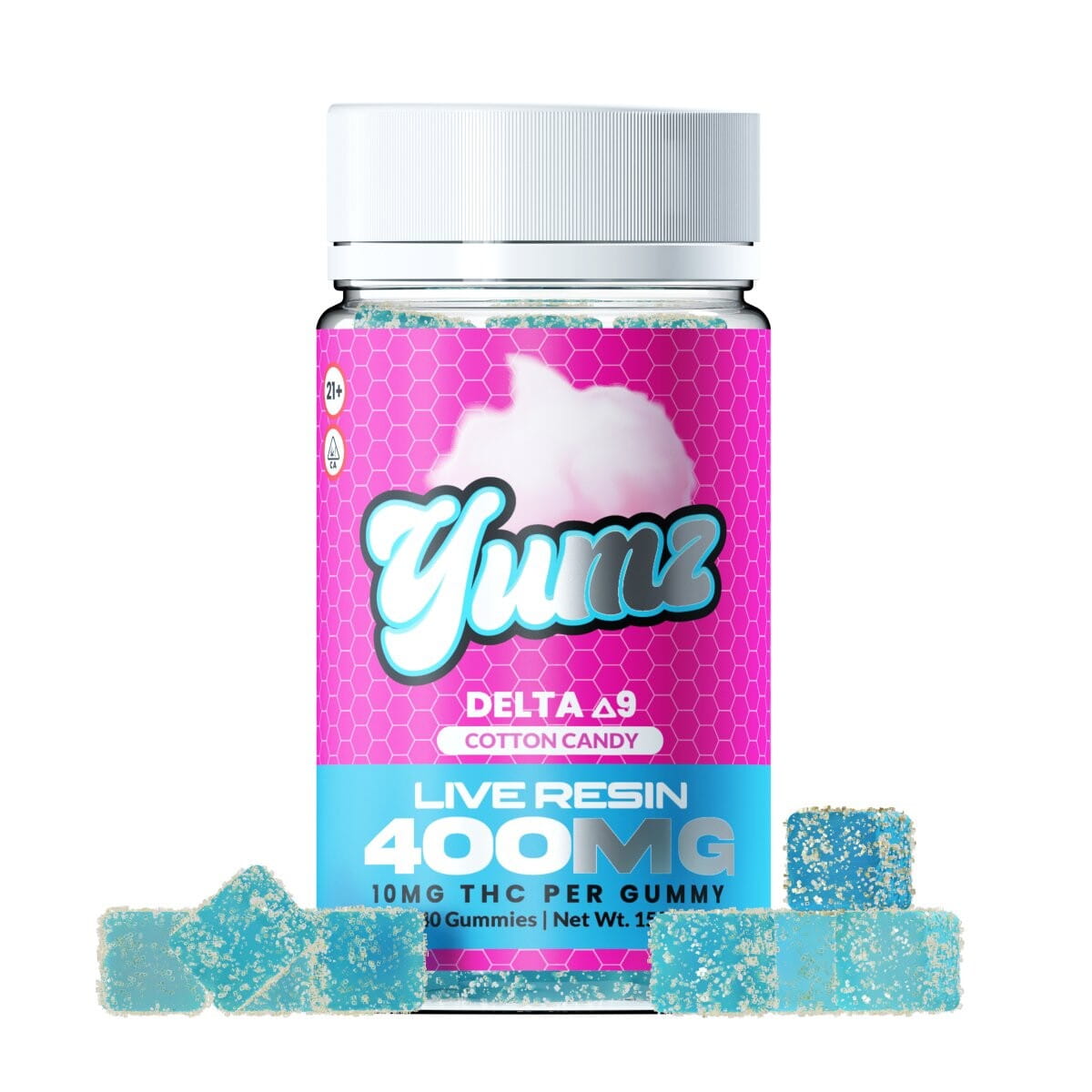
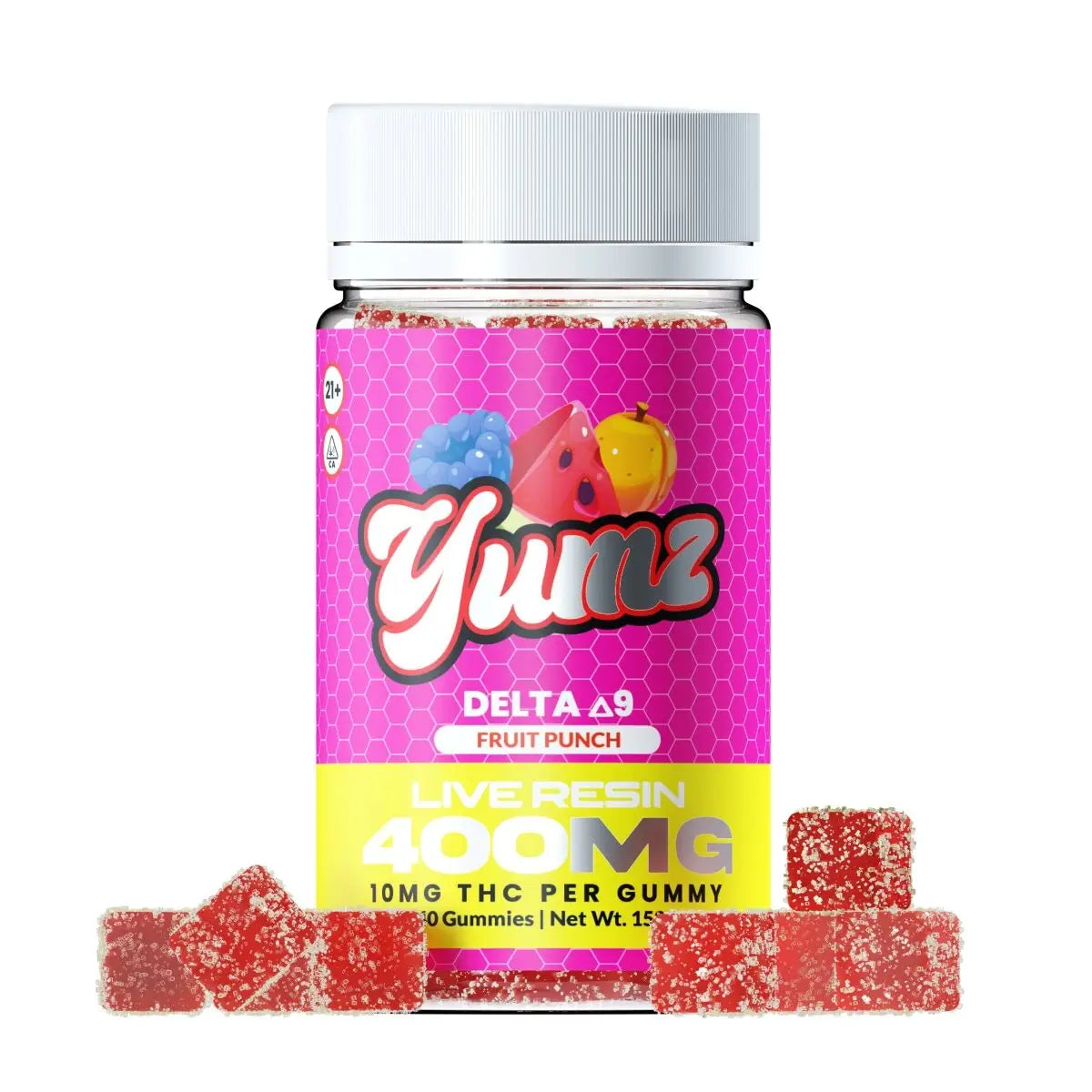
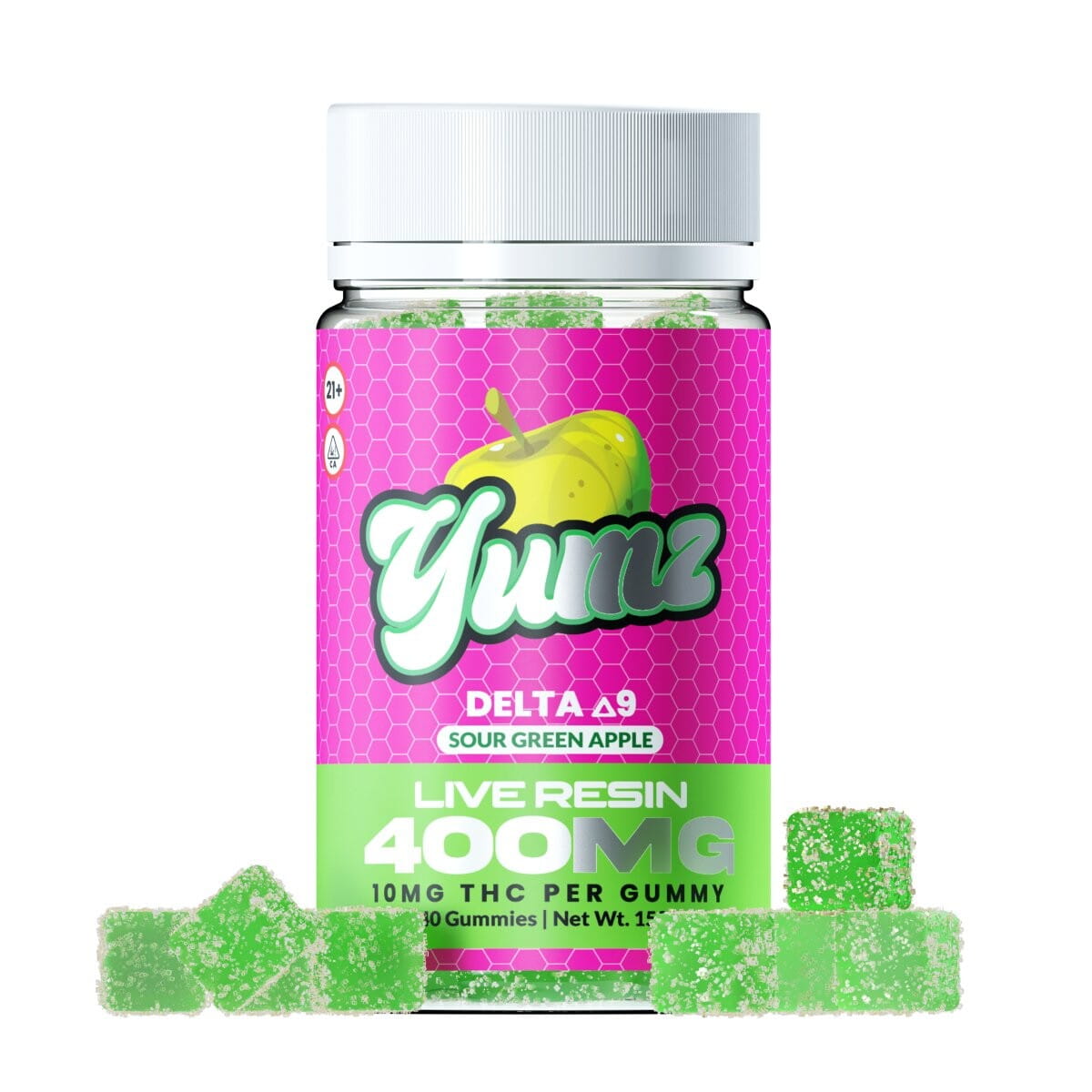
If you're a Virginia resident, this is huge. Once the legislation becomes law and dispensaries open, you'll have legal access to lab-tested, regulated cannabis products. No more gray areas or legal anxiety. You'll walk into a licensed store, show your ID, and purchase quality-controlled marijuana just like you would alcohol. But let's talk timeline. Even with legislative approval, retail operations won't launch overnight. States typically need 12-18 months to establish licensing systems, approve applications, and get dispensaries operational. In the meantime, hemp-derived products remain your best legal option. THC gummies made from hemp are already available and fully legal under federal law, offering consistent dosing and effects while you wait for retail marijuana stores to open. For medical patients, this expansion actually improves your access too. Dual-market states typically see increased product variety, more competitive pricing, and better availability as the industry scales up. Medical programs don't disappear—they get stronger. And for cannabis tourists? Virginia would become another East Coast destination joining New Jersey, New York, and Maryland in offering legal adult-use sales.
Industry and Market Implications
The business impact here is massive. Virginia represents a market of 8.6 million people, making it one of the larger state cannabis markets by population. Multi-state operators (MSOs) like Cresco Labs, Trulieve, and Curaleaf—already operating medical dispensaries in Virginia—stand to benefit immediately from expanded customer bases. But here's what's really interesting: Virginia's legislation will likely include social equity provisions favoring small businesses and applicants from communities disproportionately impacted by prohibition. This creates opportunities beyond the big MSOs. Local entrepreneurs, craft cultivators, and artisan product makers could carve out market share if the licensing structure supports diversity. The hemp and CBD industry will feel this too. Some consumers currently using THCA disposable vapes and other hemp products might transition to marijuana alternatives once they're available. But many will stick with hemp—it's often more affordable, widely available online, and doesn't require visiting a dispensary. The 2018 Farm Bill created a parallel cannabis economy that isn't going anywhere, even as states legalize marijuana. Real estate markets near proposed dispensary locations will see activity. Ancillary businesses—testing labs, packaging companies, security services, compliance software providers—will expand operations. And tax revenues will start flowing, funding everything from schools to infrastructure projects. The economic ripple effects of cannabis legalization are well-documented at this point, and Virginia is positioned to capitalize on them.

Navigating the Regulatory Landscape While You Wait
So what should Virginia cannabis consumers do right now? First, understand that until the governor signs this legislation and regulations take effect, the current rules still apply. You can possess up to one ounce and grow up to four plants at home (with restrictions on visibility and access). Purchasing marijuana outside medical channels remains illegal. Your best legal options are hemp-derived products. THCA vape carts offer potent, convenient consumption that's completely legal under federal law. These products are available for purchase online at legal cannabis shops and ship directly to Virginia addresses. The effects mirror traditional marijuana because THCA converts to Delta-9 THC through decarboxylation (heating). Stay informed about implementation timelines. Once the bill becomes law, the Virginia Cannabis Control Authority will need to establish rules for licensing, product standards, testing requirements, and retail operations. Public comment periods will allow consumer input. Get involved if you want your voice heard in shaping Virginia's cannabis market. And here's a pro tip: if you're someone with a past cannabis conviction, connect with legal aid organizations now. The resentencing provisions will require petitions and legal processes. Getting ahead of this could accelerate your path to relief.
Conclusion
Virginia's approval of marijuana sales legislation marks a turning point for cannabis policy on the East Coast. Combined with the resentencing bills, this package represents what modern cannabis reform should look like—expanding legal access while addressing past injustices. For consumers, patients, and entrepreneurs, Virginia's cannabis market is about to transform completely. The wait has been frustrating, but the finish line is finally in sight.

Stay tuned to YumzLab.com for your daily dose of cannabis industry news and culture.


