



California's Cannabis Crisis: Why the Legal Market Is Failing
California was supposed to be the shining example of how cannabis legalization could work. Instead, the state's legal market is hemorrhaging operators, bleeding revenue to the illicit market, and serving as a cautionary tale for every other state watching from the sidelines.
The Grand Experiment That Went Wrong
When California voters approved Proposition 64 in 2016, the promise was clear: regulated cannabis would crush the black market, generate billions in tax revenue, and create a safe, accessible system for consumers. Fast forward to 2026, and the reality is brutal. Legal cannabis operators are shutting down at alarming rates while unlicensed shops operate openly across Los Angeles, Oakland, and San Francisco. What happened? The short answer is that California managed to design a system so expensive, so complicated, and so punishing that it made the illegal market look like the smart choice. We're talking about tax rates that push products 30-40% higher than street prices, licensing fees that run into six figures, and regulatory requirements that favor corporate players over the small cultivators who built California's cannabis culture. The state essentially created a two-tier system: one for deep-pocketed corporations who can absorb losses for years, and one for everyone else who can't compete. And here's the thing—this isn't just a California problem. Every state watching this mess unfold is taking notes. Some are learning the right lessons. Others are repeating the same mistakes.


The Tax Problem That's Killing Legal Operators
Let's talk numbers. California hits cannabis with a 15% excise tax, plus state sales tax, plus local taxes that can reach another 10-15% depending on the city. That means a consumer can easily pay 35-40% in taxes on a legal purchase. By contrast, your neighborhood unlicensed dealer pays exactly zero percent in taxes and passes those savings directly to customers. Research from the California Department of Tax and Fee Administration shows that tax revenue from legal cannabis has consistently missed projections by hundreds of millions of dollars annually. Why? Because consumers aren't stupid. When you can get the same product for 40% less by walking two blocks to an unlicensed shop, that's what most people do. The legal market is pricing itself out of existence. But wait—it gets worse. Those taxes hit at the wholesale level too, meaning cultivators and manufacturers are paying taxes before they even make a sale. Small operators are going bankrupt while sitting on inventory they can't move at competitive prices. Meanwhile, consumers who want to support legal businesses find themselves choosing between doing the right thing and paying their rent. That's not a choice most people can afford to make.


Regulatory Theater: When Compliance Becomes Punishment
California's cannabis regulations read like they were written by people who've never actually run a business. You need different licenses to cultivate, manufacture, distribute, and sell. Each license costs tens of thousands of dollars annually. Each requires separate inspections, compliance checks, and mountains of paperwork. Track-and-trace systems monitor every plant from seed to sale, which sounds great until you realize the software crashes regularly and small operators spend more time troubleshooting tech problems than growing plants. Local jurisdictions add another layer of chaos. Cities and counties can ban cannabis businesses entirely, limit the number of licenses, or create their own additional requirements. The result? Large swaths of California are legal cannabis deserts, forcing consumers to drive hours to reach a licensed dispensary or—more likely—just buy from the illicit market that's right there in their neighborhood. Meanwhile, unlicensed operators face minimal enforcement. Cities don't have the resources or political will to shut down thousands of illegal shops. The state agencies responsible for enforcement are overwhelmed and underfunded. So legal operators follow every rule, pay every fee, and watch illegal competitors thrive without consequences. How's that for justice?
The Illicit Market Is Winning—and It's Not Even Close
Industry analysts estimate that California's illicit cannabis market is worth three to four times more than the legal market. Think about that. Years after legalization, three-quarters of cannabis sales in California still happen outside the legal system. That's an absolute policy failure, and it's creating real harm. Illicit products don't get tested for pesticides, heavy metals, or dangerous additives. Consumers have no way to verify potency or purity. And every dollar spent on illegal cannabis is a dollar that doesn't fund schools, roads, or public health programs that legalization was supposed to support. The people getting hurt are consumers who can't afford premium prices and communities that were promised tax revenue that never materialized. Some consumers are turning to federally legal alternatives instead. THCA flower and other hemp-derived products offer legal options that ship directly to your door without the California tax burden. These products fall under the 2018 Farm Bill provisions that legalized hemp and hemp-derived cannabinoids containing less than 0.3% Delta-9 THC. For consumers frustrated with California's broken system, hemp products represent a legal workaround that's both accessible and affordable.
What This Means for Cannabis Consumers
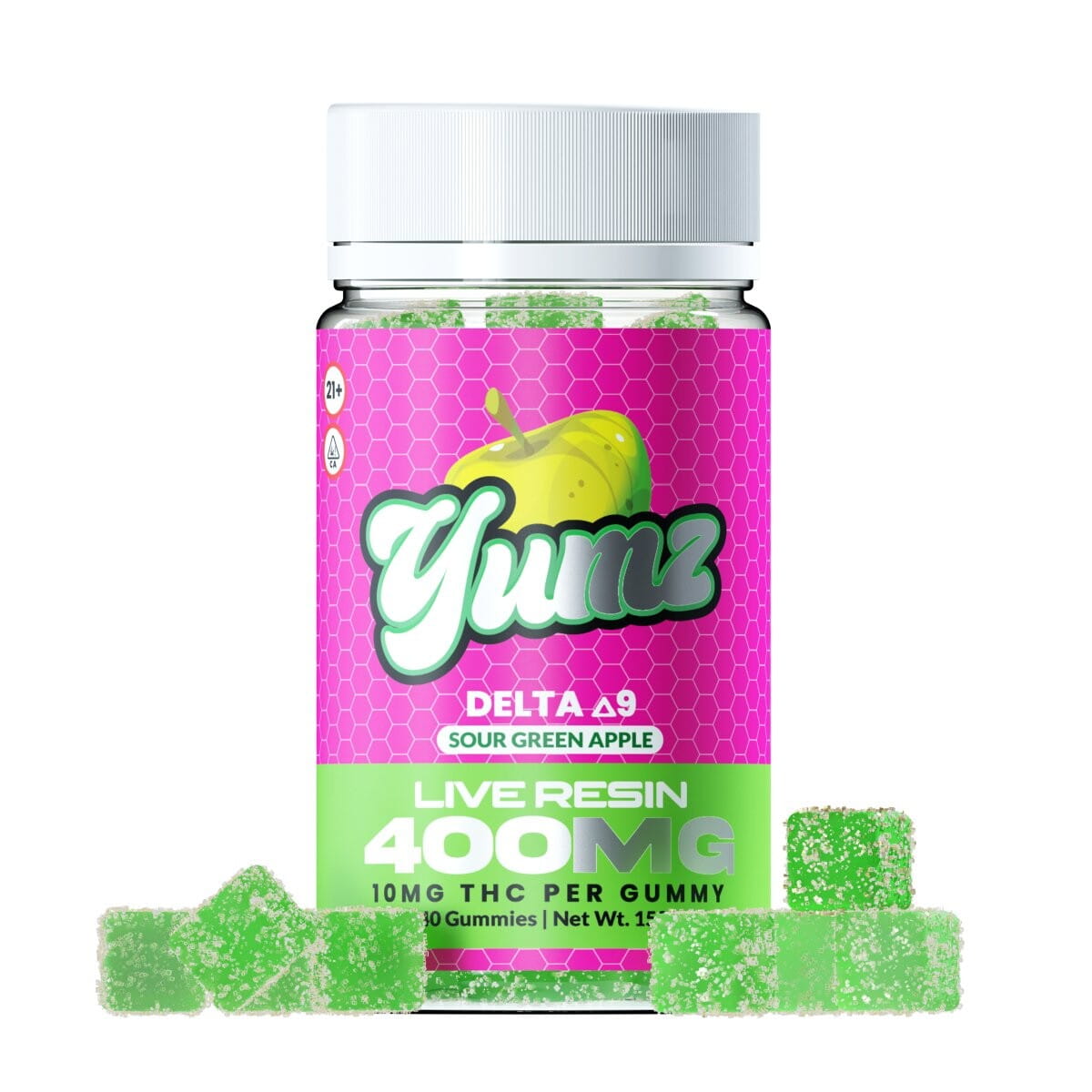
If you're a California cannabis consumer, you're caught in an impossible situation. You want to support legal businesses and buy tested, safe products. But you're being asked to pay significantly more for the privilege. Many consumers are making hard choices: pay bills or buy legal weed? For consumers outside California, this matters because your state is probably watching and learning. Some states like Michigan and Illinois have implemented more reasonable tax structures and are seeing stronger legal markets as a result. Others are copying California's mistakes and wondering why their legal markets aren't growing. If you care about cannabis policy, pay attention to what's happening in California—it's a preview of what could happen in your state. There's also a growing awareness that hemp-derived products might be the better option for many users. Delta 9 gummies made from hemp are federally legal and available online, often at lower prices than dispensary products. THCA disposable vape products deliver similar effects to traditional THC vapes but operate within federal hemp guidelines. When you're looking for where to buy legal THC products with reliable shipping, hemp-derived options from trusted brands like Yumz Lab often make more sense than dealing with California's dysfunctional dispensary system. These statements have not been evaluated by the FDA. These products are not intended to diagnose, treat, cure, or prevent any disease. Consumers should consult with healthcare providers before using any cannabis or hemp products, especially if they have underlying health conditions or take medications.

What Happens Next: Can California Save Its Cannabis Industry?
The honest answer? It's not looking good. California would need to cut taxes dramatically, simplify licensing, and actually enforce laws against illicit operators. That requires political will that doesn't seem to exist. The boardroom executives and policy makers who designed this system are still in charge, still giving the same speeches at the same conferences, still insisting that just one more tweak will fix everything. Some local jurisdictions are trying to help. A few cities have lowered local taxes or streamlined licensing. But without statewide reform, these efforts are band-aids on a gunshot wound. Legal operators continue to close. Illicit operators continue to thrive. Consumers continue to get squeezed. The silver lining? Other states are learning what not to do. They're watching California's cautionary tale and implementing smarter policies. And consumers have more options than ever, including federally legal hemp products that offer quality and convenience without the California chaos. The cannabis industry will survive—it just might not look the way California planned.
Conclusion
California's cannabis industry is failing not because legalization was a bad idea, but because the state designed a system that makes illegal cannabis the smarter choice for consumers and operators alike. High taxes, excessive regulations, and minimal enforcement have created a situation where the black market thrives while legal businesses struggle to survive. For consumers nationwide, this serves as both a warning and an opportunity—a warning about what bad policy looks like, and an opportunity to explore federally legal hemp alternatives that offer quality, affordability, and convenience without the dysfunction.


Stay tuned to YumzLab.com for your daily dose of cannabis industry news and culture.


