



Utah's New Marijuana Bill: Ending Jail Time for Low-Level Possession
Utah is poised for a major shift in cannabis law with a new bill aiming to decriminalize marijuana possession for small amounts. This development eliminates jail time risks for first-time offenders and signals changing attitudes toward cannabis regulation in the state. Here’s what you need to know about this important update and why it matters.
The Context Behind Utah’s Marijuana Decriminalization Effort
Utah’s move to decriminalize marijuana possession didn’t come out of nowhere. For years, advocates and lawmakers alike have pushed for reforms to reduce harsh penalties that disproportionately affect individuals caught with small amounts of cannabis. Currently, Utah law classifies marijuana possession as a misdemeanor with the potential for jail time, which can carry long-lasting consequences for users, ranging from economic hardship to barriers in employment.
The bill, introduced by Representative Grant Amjad Miller (D), is set for consideration in the 2026 legislative session. It reflects a broader national trend where states are reexamining cannabis laws in light of changing public opinion and increased awareness about the medical and recreational use of marijuana. According to national polls, more than two-thirds of Americans now support cannabis legalization, and Utah's legislation fits into this growing wave. The bill seeks to lower penalties for possession of small amounts, prioritizing education and treatment over incarceration for first-time offenses.


Why Decriminalization Matters: Beyond Jail Time
You might wonder why removing jail time for minor marijuana possession is such a big deal. The truth is, criminal records for small cannabis offenses carry ripple effects beyond just a night behind bars. A conviction can haunt users with trouble finding jobs, housing, or qualifying for loans — issues that can escalate poverty and social disparities.
Decriminalization means these low-level offenses would be handled more like a traffic ticket, usually a fine or diversion program, rather than a criminal case. This change aligns with harm reduction principles, aiming to treat cannabis use without the stigma or penalties that can affect mental health and social standing. Research from the American Civil Liberties Union (ACLU) states that Black Americans are 3.73 times more likely to be arrested for marijuana possession than white Americans, despite similar usage rates — something reforms like this are trying to mitigate.
So, this legislation isn’t just about legal technicalities; it has the power to change lives, especially among marginalized communities.


Impact on Cannabis Consumers and Market Access
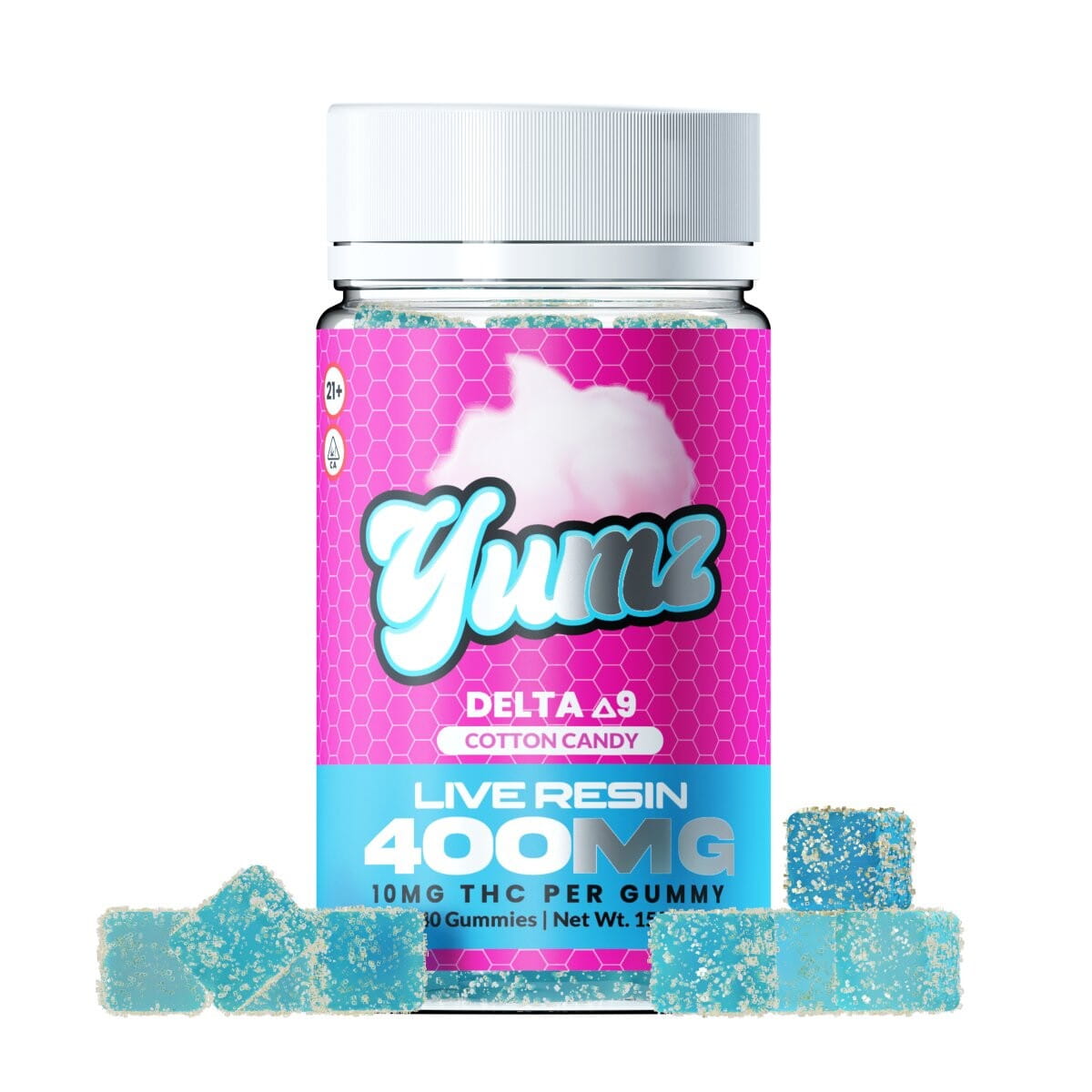
For Utah’s cannabis users and enthusiasts, this bill can shift how they access and consume THC products safely and legally. Removing the threat of jail time for possessing small amounts encourages a more open, less fearful environment for using legal cannabis. Imagine being able to explore premium weed options without paranoia — from THCA flower to potent Delta 9 gummies — knowing your first offense won't involve criminal charges.
Consumers across the board benefit from less restrictive policies, as it often pushes markets toward safer, lab-tested products rather than unregulated black-market sources. This also supports growth in hemp-derived items compliant with the 2018 Farm Bill’s federal limits on Delta-9 THC (0.3%) like hemp vape pens and THCA vape carts. Safety and quality are paramount—third-party lab testing and COAs (Certificates of Analysis) help ensure consumers get what’s advertised without contaminants or inaccurate potency claims.
That’s crucial in Utah where cannabis rules can be tricky, merging uncertainty with strict past penalties.
Regulatory and Industry Implications for Utah and Beyond
The proposed bill isn’t just a win for users—it could also impact the cannabis industry’s evolution in Utah and signal priorities for state regulators. Decriminalization can pave the way for more expansive medical cannabis programs or even broader legalization prospects. States like Colorado and Oregon showed that easing possession rules often leads to a boom in legal dispensaries, cultivation sites, and ancillary businesses, creating jobs and tax revenues.
For industry players, clarity in policy reduces risks related to enforcement unpredictability and helps legitimize business operations. This is especially true for enterprises focusing on THC products—whether it's exotic premium hemp flower or crafted hemp edibles. It also signals to multi-state operators (MSOs) and local startups that the market is moving toward normalization rather than punitive measures.
Of course, Utah’s unique regulatory environment means federal conflicts remain; marijuana’s Schedule I status at the federal level keeps legal ambiguities. Still, progress at the state level often drives shifts in federal discussions and policy reforms.
What This Means for Cannabis Consumers in Practical Terms
So what does all this mean if you’re a cannabis user or curious about incorporating cannabinoids into your wellness routine? First off, it reduces fear and risk. If you live in or visit Utah, you can expect lower chances of harsh penalties for small possession. This frees consumers to focus on finding quality products tailored to their needs, such as vegan THC gummies for discreet, controlled dosing or discreet weed pens for on-the-go use.
It also encourages more open conversations between users and healthcare providers about medical cannabis benefits. Research backed by clinical trials from institutions like UCLA and Harvard suggests cannabinoids can support conditions like chronic pain, anxiety, and sleep disorders—especially when users have access to clean, tested products rather than street sources. Finally, it might inspire safer, normalized use practices instead of risky behaviors prompted by legal concerns.
Remember though, while Utah may relax possession penalties, it’s still crucial to stay informed about local laws, product quality, and federal regulations. Your wellness journey starts with knowledge and smart choices, always.
Looking Ahead: The Future of Cannabis Legalization and Wellness
Utah’s bill is a clear nod to where the cannabis industry and cultural attitudes are headed: toward acceptance and regulation rather than prohibition. This has big implications beyond just one state. As more Americans grow comfortable with cannabis’s benefits and normalize its recreational and medical use, expect ongoing policy shifts in many states aiming to harmonize laws, reduce inequities, and boost consumer protections.
For cannabis businesses, this means a more predictable environment and opportunities to innovate with products like THCA vape carts or high potency flower. Consumers gain better access to safe, enjoyable cannabinoids, fueling wellness trends that complement traditional health approaches.
We’re at a moment where cannabis can take its rightful place not only as a source of relief and recreation but as a carefully regulated industry that values quality, transparency, and consumer empowerment. Utah’s new bill may be a small step legally, but it’s a giant leap culturally and economically.
Conclusion
This upcoming Utah legislation signals a critical shift in cannabis policy by removing jail time for first-time possession of small amounts. It reflects evolving public attitudes, addresses social justice concerns, and encourages safer consumer choices with regulated products. For cannabis users, the bill means less risk and more freedom to explore quality options like premium THC flower and legal weed gummies. As these changes roll out, expect the cannabis industry and wellness community to grow in tandem, promising a future where cannabis is truly part of everyday life.


Stay tuned to YumzLab.com for your daily dose of cannabis industry news and culture.


