


Ibogaine’s Role in Mental Wellness and Cannabis Industry Trends
Ibogaine is often seen as a last-resort for addiction recovery. But what if its real power lies deeper—in mental clarity, integration, and intentional wellness? This article explores how ibogaine’s effects intersect with cannabis culture, especially as THC products and hemp regulations evolve.
Understanding Ibogaine: More Than Just Addiction Therapy
Ibogaine is a naturally occurring psychoactive substance from the iboga plant, used traditionally in African spiritual rituals. In modern contexts, it’s gained attention mainly for its potential in interrupting addiction cycles, especially opioid dependence. Yet, recent discussions suggest its value might stretch well beyond emergency rehab. It’s about clarity and a journey back to self-awareness, qualities that echo what many cannabis users seek through cannabinoids like THC and CBD. While ibogaine is not federally legal in the U.S., its unique psychotropic effects are pushing the envelope on how we think about mental wellness and healing. Research from institutions such as Johns Hopkins University highlights the promising therapeutic effects of ibogaine but also emphasizes careful clinical supervision due to risks like cardiac complications.
The Bigger Picture: Cannabis, Mental Wellness, and Legal THC Products
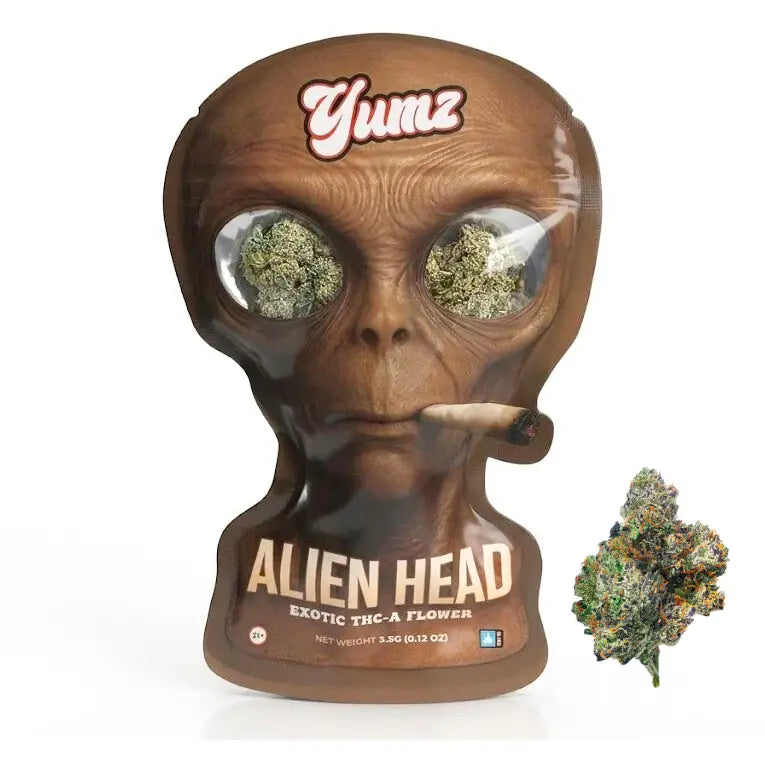
How does ibogaine’s role in mental health tie into the booming cannabis industry? More people are turning to natural plant-based remedies for mood support, stress relief, and overall balance. Legal weed flower, like premium hemp flower and exotic THCA strains, offers consumers plant-powered alternatives that interact with the endocannabinoid system to promote homeostasis. Unlike ibogaine’s intense, often disorienting trips, products such as THCA flower provide a gentler, legally accessible pathway to feeling centered. Hemp regulations under the 2018 Farm Bill allow for THC content up to 0.3% Delta-9, letting consumers enjoy effects without crossing into federally prohibited territory. This regulatory clarity has fueled a surge in high potency flower and other legal cannabinoids, shaping how consumers approach wellness.

Ibogaine and Cannabis: Complementary Approaches to Mental Clarity
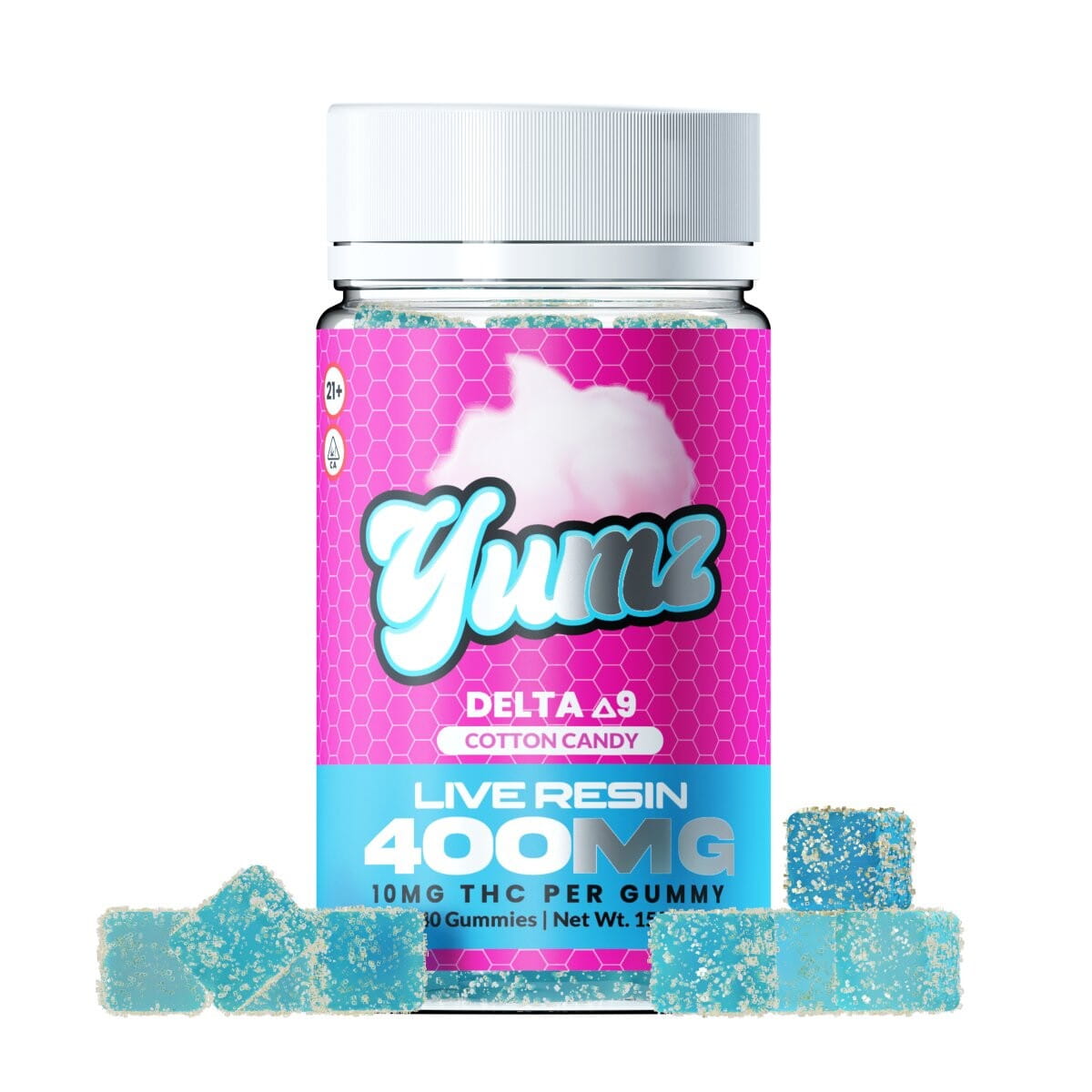
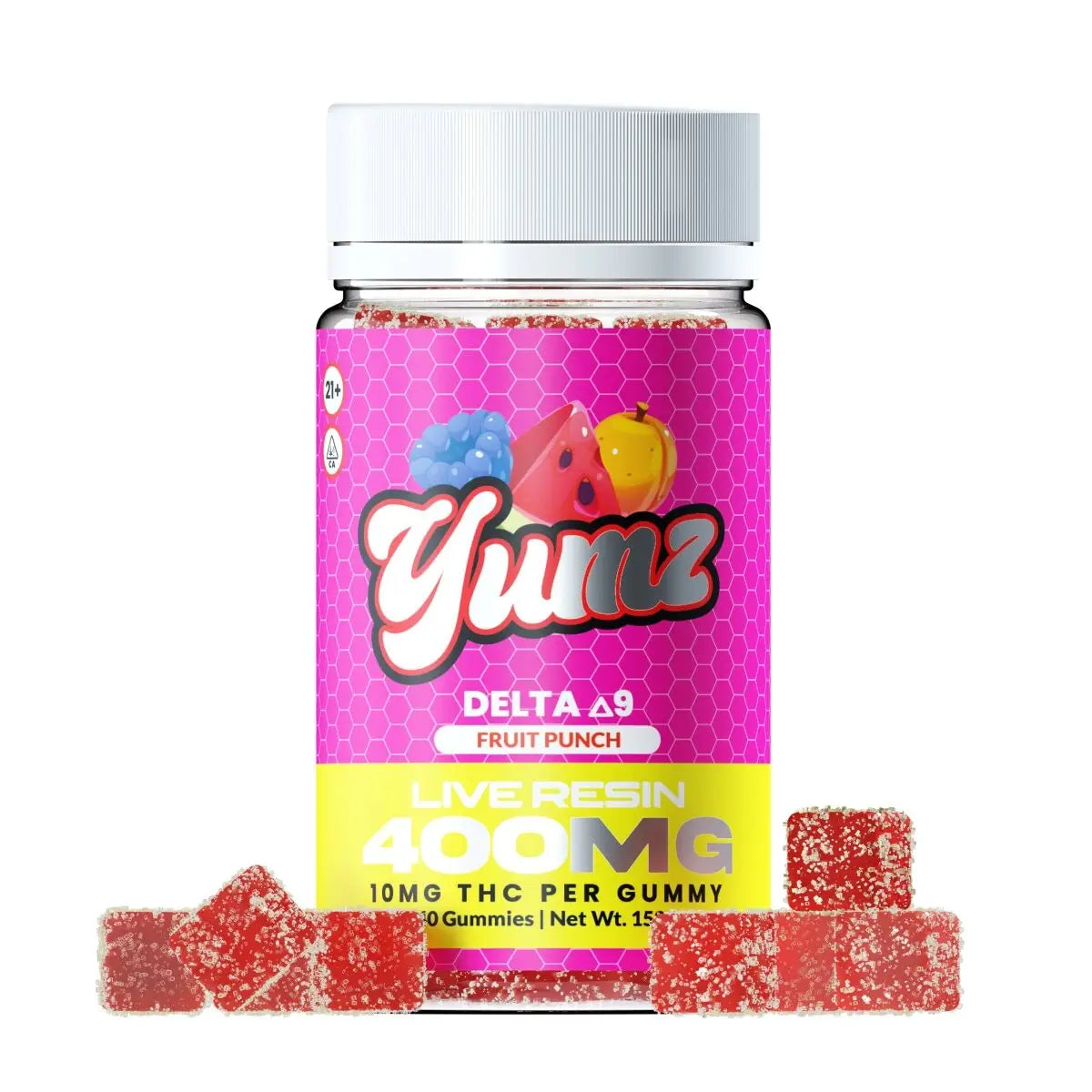
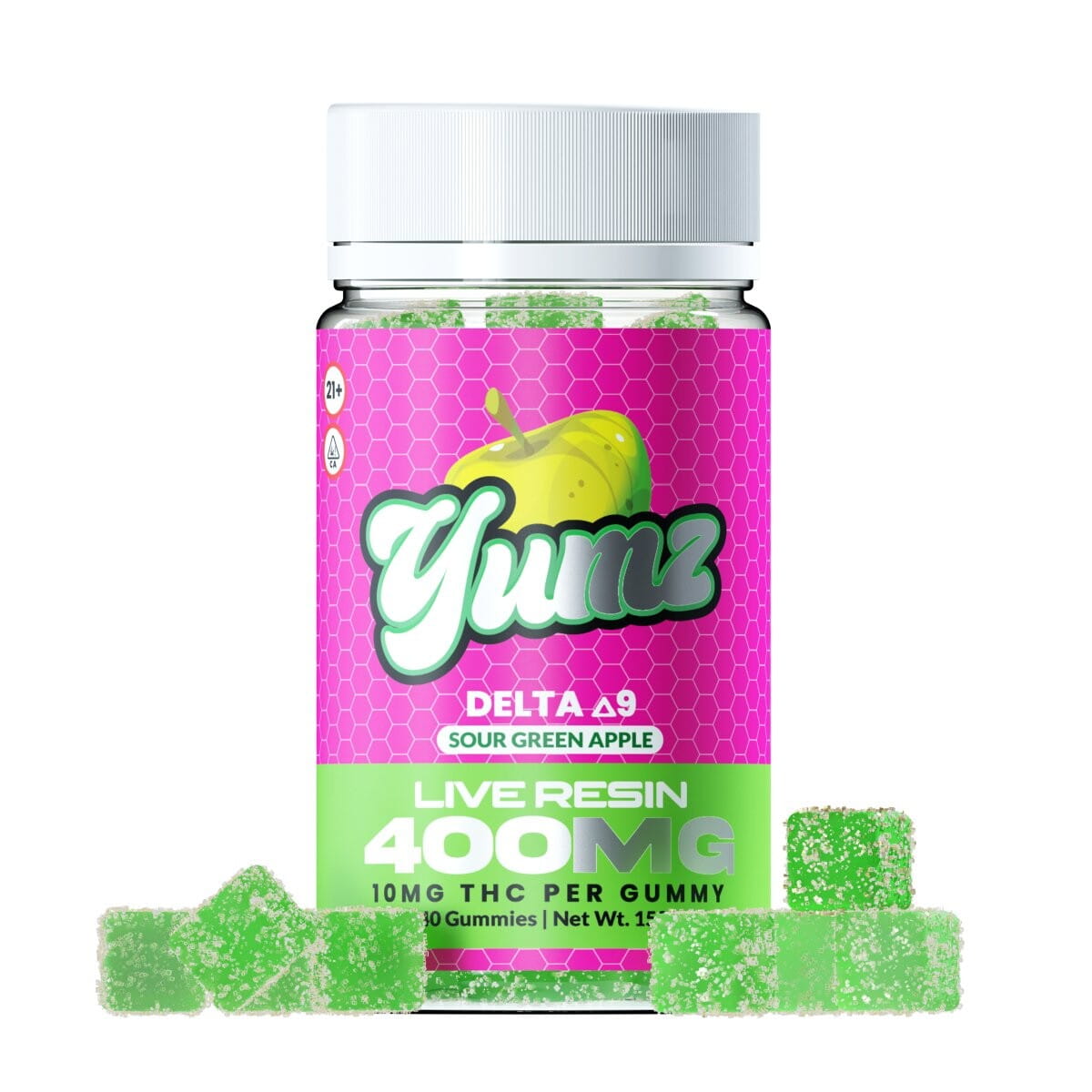
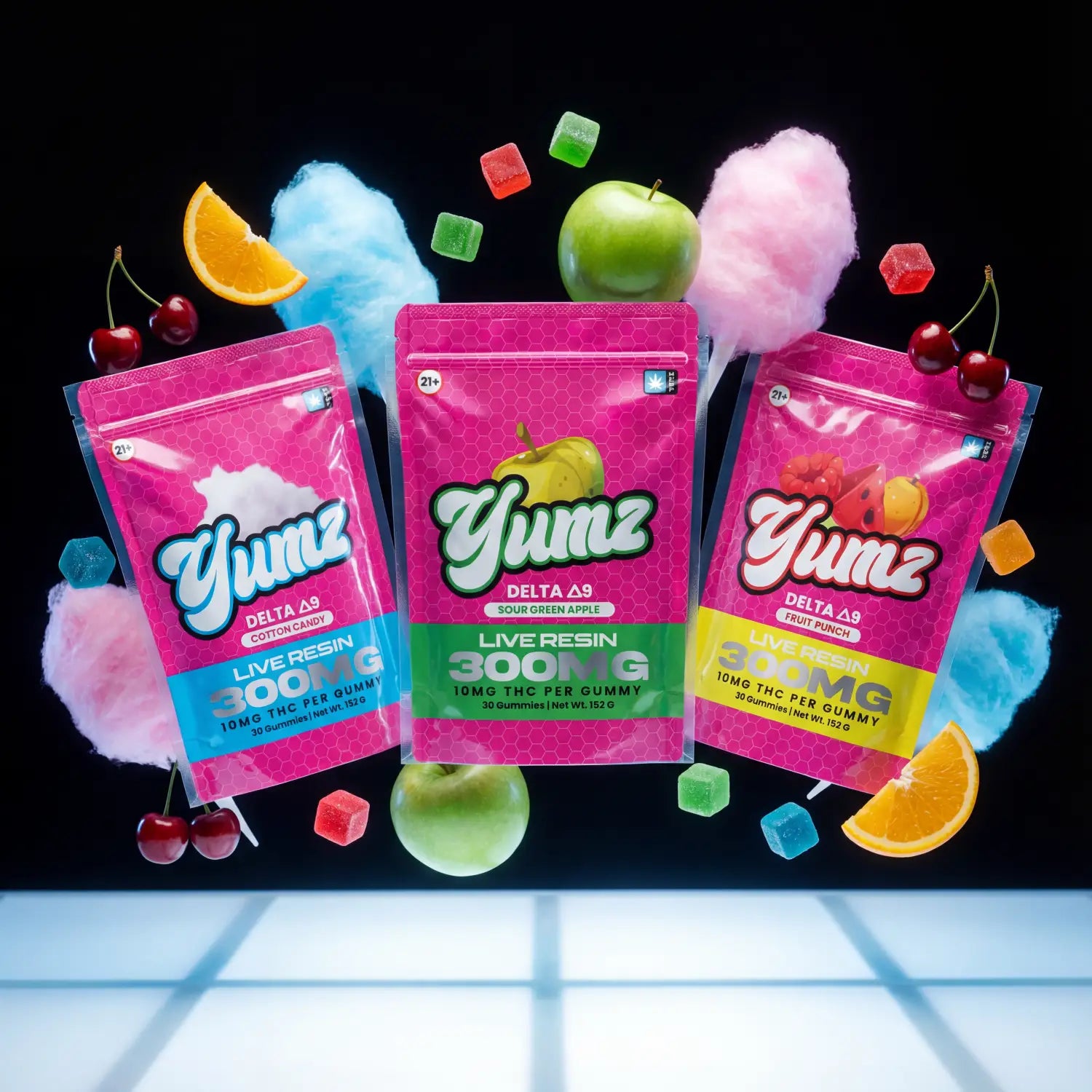
Ibogaine’s potential for introspection shares common ground with some cannabis users’ experiences, particularly those who use mind-expanding products consciously. For example, microdosing with THC gummies or hemp edibles like vegan THC gummies can support mood and focus without the intensity of psychedelic therapy. Both plants activate neurological pathways linked to mood regulation, but ibogaine’s powerful and often single-session approach contrasts with the ongoing day-to-day consumption of cannabis products for functional wellness. There’s a growing curiosity among wellness advocates about how these substances might complement each other or serve different roles in mental health journeys. Still, ibogaine requires clinical settings due to its unsupervised risks, while cannabis users enjoy a broad spectrum of safe, lab-tested options available at trusted outlets like Yumz Lab, a leading legal cannabis shop.
Regulatory and Consumer Safety Considerations for Hemp and Psychedelic Use
Navigating legal boundaries is tricky. Ibogaine remains illegal federally due to the Controlled Substances Act but is under investigation in some states and countries for potential medical uses. Meanwhile, cannabis products have clearer pathways thanks to hemp-derived rules and increasing state-level legalization. Consumers need to understand these differences deeply — hemp products, including hemp vape pens and vape cartridges, are subject to third-party lab testing and COA (Certificate of Analysis) transparency to ensure safety and potency. This is essential since the cannabis industry is still evolving, and consistent product quality drives consumer trust. Legal cannabis markets focus on GMP standards and regulatory compliance, while ibogaine use demands clinical monitoring, highlighting the importance of responsible use in both spheres.
What This Means for Cannabis Consumers and Wellness Seekers
So what does this mean for you as a cannabis or CBD user? Understanding the nuance between plant medicines helps you make smarter choices for mental wellness. While ibogaine represents a high-risk, high-reward intervention under strict supervision, cannabis presents a broad toolkit for everyday balance and support. Whether you’re exploring high potency flower or legal weed gummies, the key is informed consumption, backed by safety and quality standards. Consumers should stay aware of evolving hemp regulations and seek products with transparent lab results. Always keep medical advice front and center—these substances affect everyone differently.

Industry Impact: Expanding Horizons from Psychedelics to Cannabis Innovation
The discussion around ibogaine underscores an expanding openness in the broader cannabis and wellness industries to plant-based mental health solutions. As cannabis legalization continues, the market is seeing more sophisticated products that merge functional benefits with consumer experience. Companies like Yumz Lab set a standard by offering a curated selection of the best legal weed flower, hemp edibles, and THC disposable vapes that meet strict regulatory and quality criteria. This trend may hint at future integration where cannabinoids and psychedelics could complement mainstream wellness regimens, pending regulatory shifts and safety research.
Conclusion
Ibogaine challenges us to rethink addiction treatment and mental health through deeper self-integration. Meanwhile, the cannabis industry grows stronger with legal, safe, and diverse products that offer everyday wellness support. Together, these developments push natural medicine forward. Staying informed and choosing responsibly is your best bet for navigating this evolving space.
Stay tuned to YumzLab.com for your daily dose of cannabis industry news and culture.


