

Texas Marijuana Legalization Ballot Measure: What Voters Need to Know
Texas voters are making history this primary season. For the first time, marijuana legalization is appearing on a statewide ballot—but there's a catch that every cannabis enthusiast in the Lone Star State needs to understand.
Texas Cannabis Laws: Where Things Stand Right Now
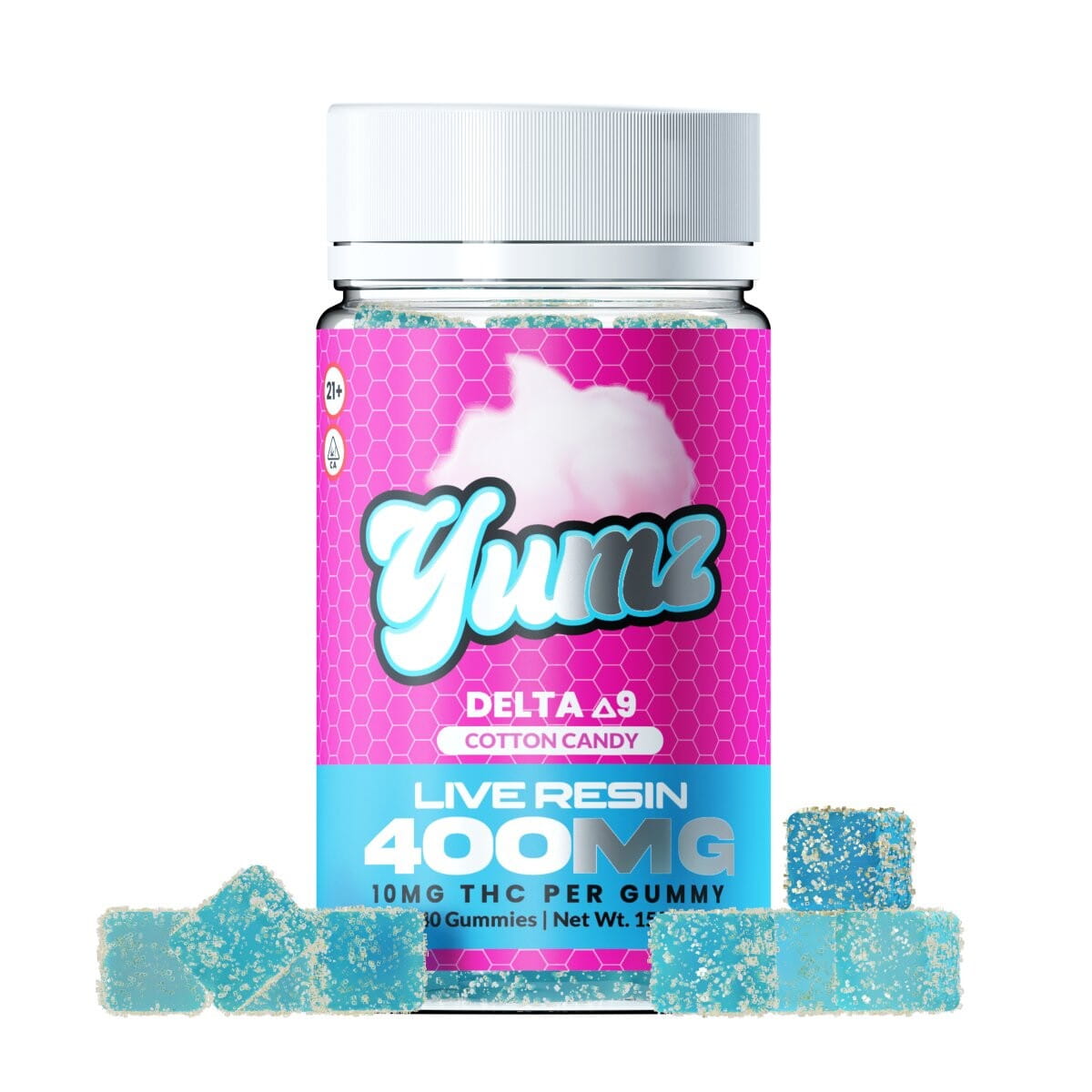
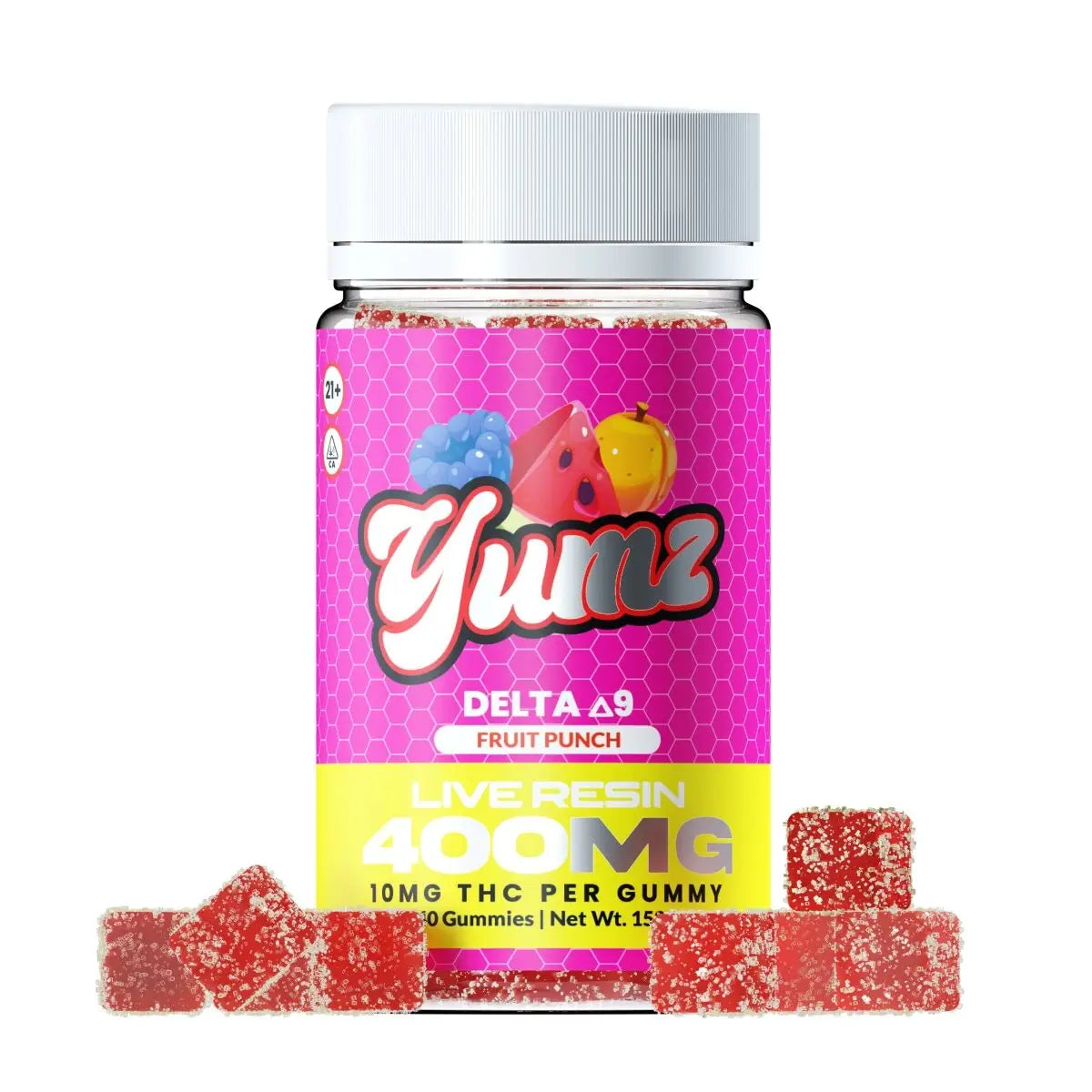
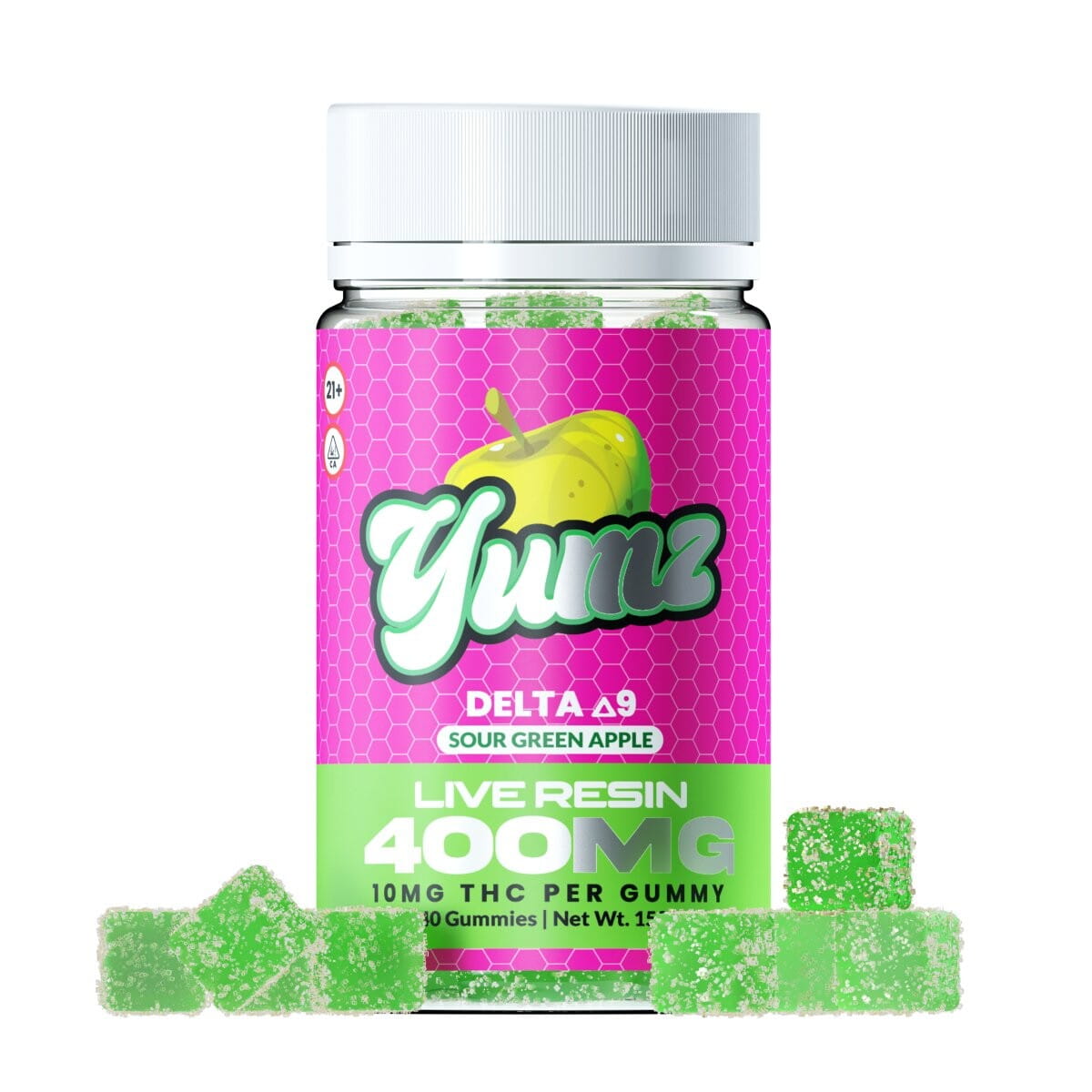
Texas has some of the strictest cannabis laws in the nation. Possession of any amount under two ounces is a Class B misdemeanor, punishable by up to 180 days in jail and a $2,000 fine. That's right—even a small amount can land you in serious legal trouble. But here's where it gets interesting. While marijuana remains illegal, hemp-derived products have exploded across Texas since the 2018 Farm Bill changed everything. You can legally purchase THCA flower, THC gummies, and other hemp products containing up to 0.3% Delta-9 THC by dry weight. This creates a strange legal paradox where Texans can't possess marijuana, but they can access legal hemp products that deliver similar experiences. The state's medical cannabis program is also extremely limited. Texas allows low-THC cannabis oil only for patients with specific conditions like epilepsy, PTSD, and terminal cancer. The program serves fewer patients than almost any other medical state, with restrictive qualifying conditions and limited access points. For most Texas residents seeking cannabis for wellness or recreation, the options are either the underground market or legal hemp alternatives available through retailers like Yumz Lab.
What's Actually on the Ballot This March
The March 3 primary election includes a cannabis legalization question—but only for voters who select a Democratic ballot. Early voting has already started, giving Texas Democrats a chance to voice their opinion on whether marijuana should be legal in the state. But let's be clear about what this really is. This isn't a binding referendum that will change state law. It's an advisory question, essentially a large-scale opinion poll conducted through the electoral process. Think of it as the Democratic Party taking the temperature of their base on cannabis policy. The results won't automatically trigger legislation or force lawmakers to act. So why does this matter? Because it sends a powerful political signal. When thousands of voters across Texas show up and vote "yes" on legalization, it demonstrates to state legislators that cannabis reform isn't a fringe issue—it's a mainstream priority. Politicians pay attention to these numbers, especially when they're deciding whether to sponsor or support cannabis legislation in future sessions. The question appears alongside other policy priorities on the Democratic primary ballot, forcing the party to acknowledge that cannabis legalization has become a core progressive issue. It's also a smart organizing tool, potentially driving younger and more progressive voters to the polls who might otherwise skip a primary election.


Why Texas Cannabis Reform Matters on a National Scale
Texas isn't just another state—it's the second-largest by population and a cultural trendsetter. If Texas moves toward legalization, it would fundamentally reshape the national conversation about cannabis policy. Currently, 24 states have legalized adult-use marijuana, creating a patchwork of legal markets across the country. But most Southern states remain firmly in prohibition territory. Texas joining the legalization movement would crack open the South in a way no other state could. It would put enormous pressure on neighboring states like Louisiana, Oklahoma, and Arkansas to reconsider their own policies. More importantly, it would send a message to federal lawmakers that cannabis prohibition is becoming politically untenable, even in traditionally conservative states. The economic implications are staggering. Analysis from cannabis industry groups suggests that a legal Texas market could generate over $1 billion in annual sales within the first few years. That's a massive economic opportunity for cultivators, manufacturers, retailers, and ancillary businesses. For consumers, it would mean access to regulated, lab-tested products instead of relying on the uncertainty of the illicit market or the legal hemp alternatives currently available. But let's pump the brakes a bit. Texas remains a politically complex state, and the Republican-controlled legislature has shown little appetite for full legalization. Even modest reforms like decriminalization have stalled in recent sessions. This ballot measure is happening on the Democratic side only, which tells you everything about where the political divide currently sits.
What This Means for Texas Cannabis Consumers Right Now
If you're a Texas resident hoping to celebrate legal weed next month, we need to manage expectations. This ballot measure won't change state law, even if it passes with overwhelming support. The Texas legislature won't be in regular session again until 2027, meaning any actual policy changes are still years away at minimum. However, strong support for legalization does create momentum that can influence future legislative sessions. It gives cannabis reform advocates concrete data to present to lawmakers, and it emboldens politicians who might be on the fence about supporting legalization bills. Political change rarely happens overnight—it's built through sustained pressure and demonstrated public support. In the meantime, Texas consumers have options that many don't realize exist. The hemp industry has created a legal pathway to access cannabinoid products that would have been impossible just a few years ago. Products containing Delta-8 THC, Delta-9 THC (within legal limits), THCA, and other hemp-derived cannabinoids are widely available both in-store and online. These products exist in a legal gray area that the 2018 Farm Bill inadvertently created, allowing consumers to purchase what many describe as "legal weed" without violating state marijuana laws. For those looking for where to buy legal hemp flower in Texas, online retailers offer shipping directly to your door. THCA vape carts, edibles, and other products provide legal alternatives while the state slowly moves toward broader reform. It's not perfect, but it's a bridge between prohibition and full legalization that's helping millions of Americans access cannabis legally.

The Hemp Market: Texas's Current Legal Cannabis Alternative
Here's something most people miss: Texas already has a thriving legal cannabinoid market. Thanks to the 2018 Farm Bill's definition of hemp as cannabis containing no more than 0.3% Delta-9 THC by dry weight, manufacturers have found creative ways to produce legal products that deliver psychoactive effects similar to traditional marijuana. THCA flower is the perfect example. THCA (tetrahydrocannabinolic acid) is the non-psychoactive precursor to THC found in raw cannabis plants. When you heat it through smoking or vaping, THCA converts to Delta-9 THC—the same compound found in marijuana. Because THCA flower contains less than 0.3% Delta-9 THC in its raw form, it meets the federal definition of legal hemp. But once you light it up, you're getting the same experience as traditional cannabis. Texas consumers can also access legal hemp edibles, including gummies containing compliant levels of Delta-9 THC. A 10mg Delta-9 gummy made from hemp extract is federally legal and ships to all 50 states, including Texas. Vape products, tinctures, and concentrates made from hemp-derived cannabinoids are also widely available through online retailers and local shops. This creates a strange situation where Texas hasn't legalized marijuana, but residents can legally purchase and consume products that are functionally equivalent. It's a testament to how federal hemp legalization has outpaced state marijuana reform in many places. However, it's worth noting that this legal framework could change. State legislators could move to ban specific hemp-derived cannabinoids, as some states have already done with Delta-8 THC. For now, Texas consumers enjoy access to a wide range of legal options while waiting for full cannabis reform.
Conclusion
Texas voters are sending a message this primary season, even if that message won't immediately change state law. Strong support for cannabis legalization demonstrates that prohibition is increasingly out of step with public opinion, even in conservative states. While full legalization remains years away, Texas consumers can access legal hemp-derived alternatives that provide similar benefits. The future of cannabis in Texas is coming—it's just taking the scenic route.


Stay tuned to YumzLab.com for your daily dose of cannabis industry news and culture.


