



Hawaii's Limited Cannabis Legalization: What Low-Potency Weed Means
Hawaii just took a step toward cannabis legalization—but it's more of a baby step than a giant leap. The state Senate approved SB 3275 on Wednesday, a bill that would legalize low-dose, low-potency marijuana products, even as the House of Representatives made it clear that full prohibition won't end this year.
Hawaii's Half-Measure Approach to Cannabis Reform
Senator Joy San Buenaventura introduced SB 3275, which passed through the Senate Health and Human Services Committee this week. But here's the thing—this isn't the full adult-use legalization that cannabis advocates have been pushing for. It's a limited framework focused specifically on low-dose and low-potency marijuana products. Think microdose edibles and products with significantly reduced THC levels compared to what you'd find in states like Colorado or California. Why the cautious approach? Hawaii lawmakers have been dancing around full legalization for years, citing concerns about public health, impaired driving, and youth access. This compromise bill seems designed to test the waters without fully committing to recreational cannabis. And honestly, it's frustrating for consumers who've been waiting for real reform. The Senate's move stands in stark contrast to the House's position. House leadership has already signaled they won't end cannabis prohibition in 2026, creating a legislative standoff that could drag this process out for another year or more. So even if the Senate passes this limited bill, it faces an uphill battle in the other chamber.
What Low-Dose, Low-Potency Actually Means for Products
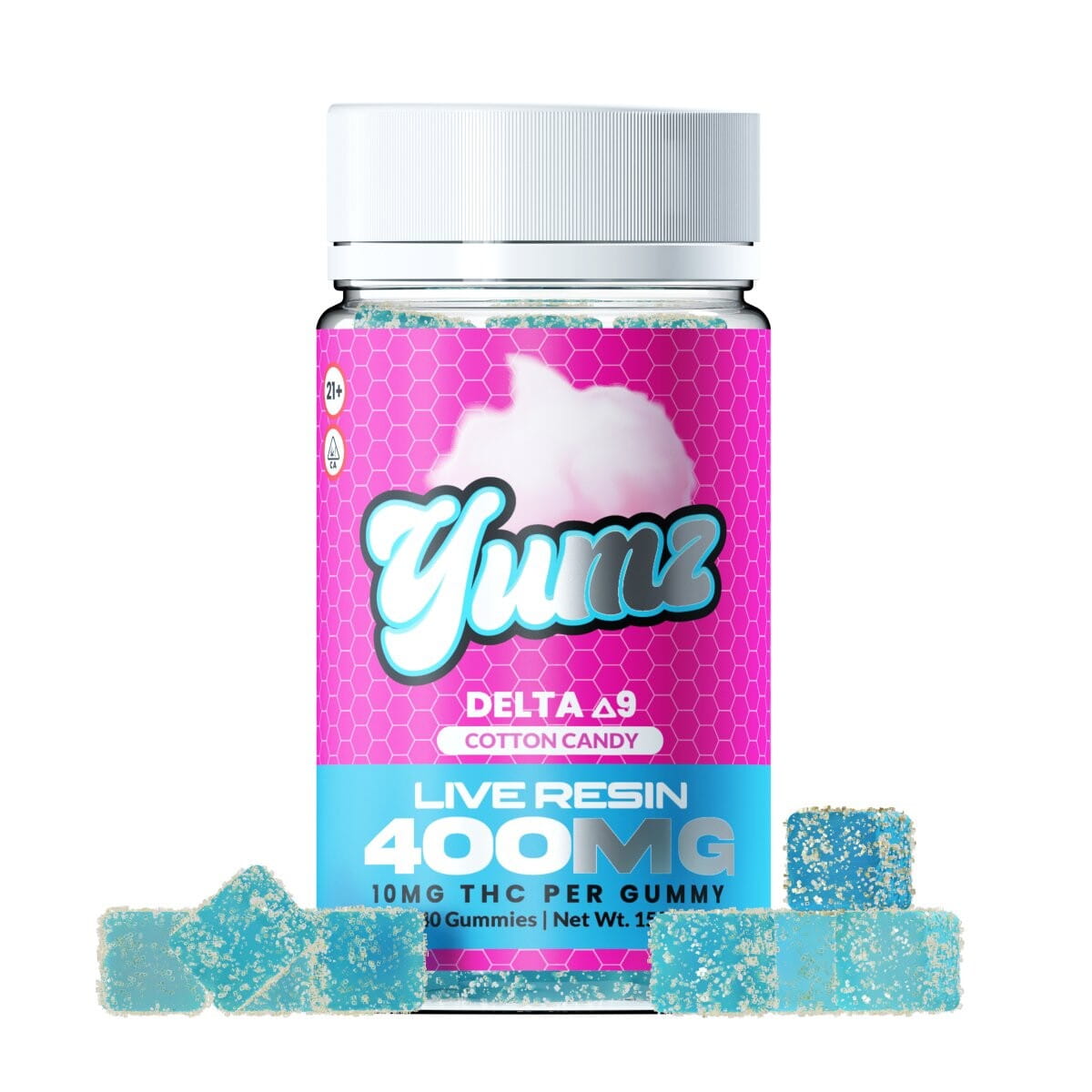
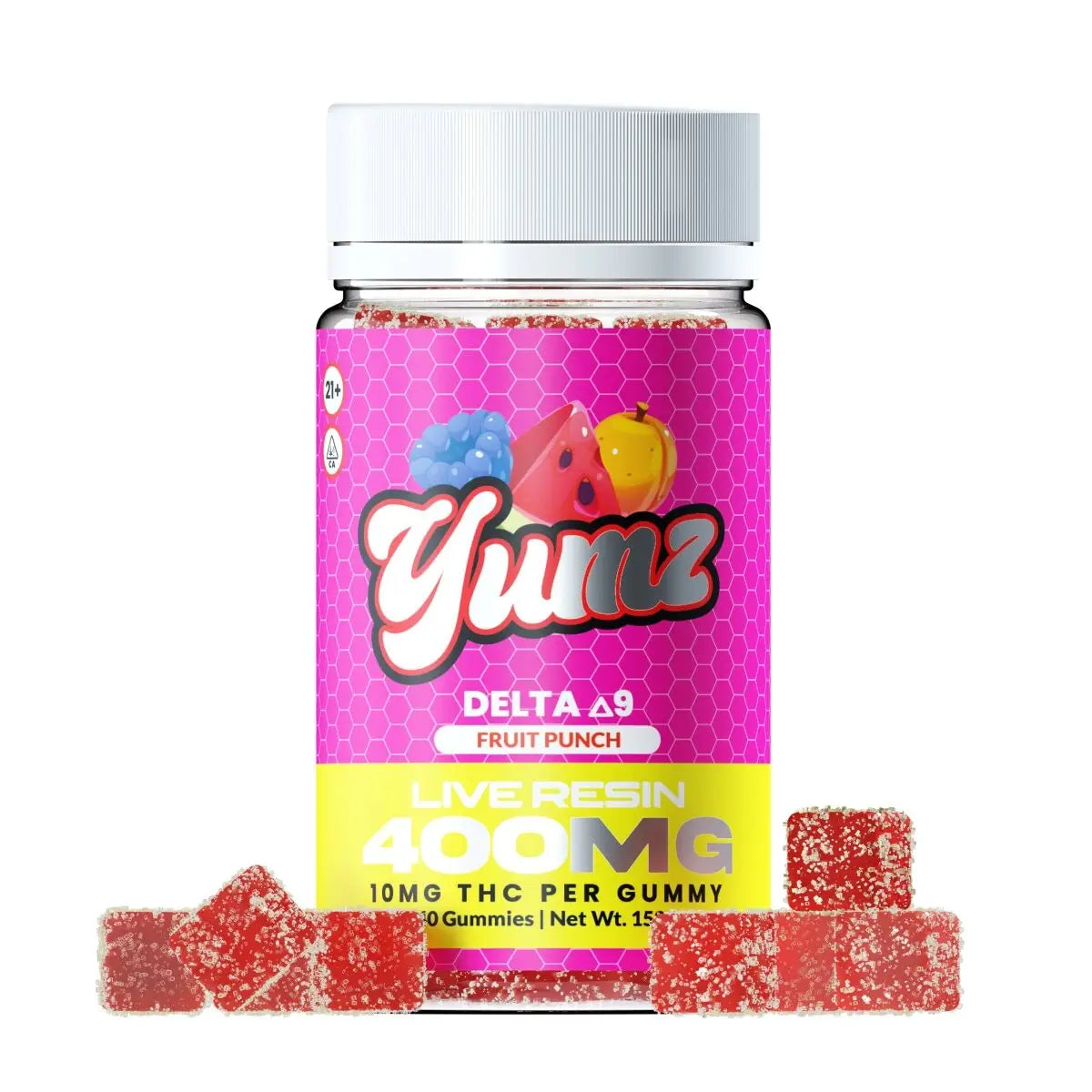
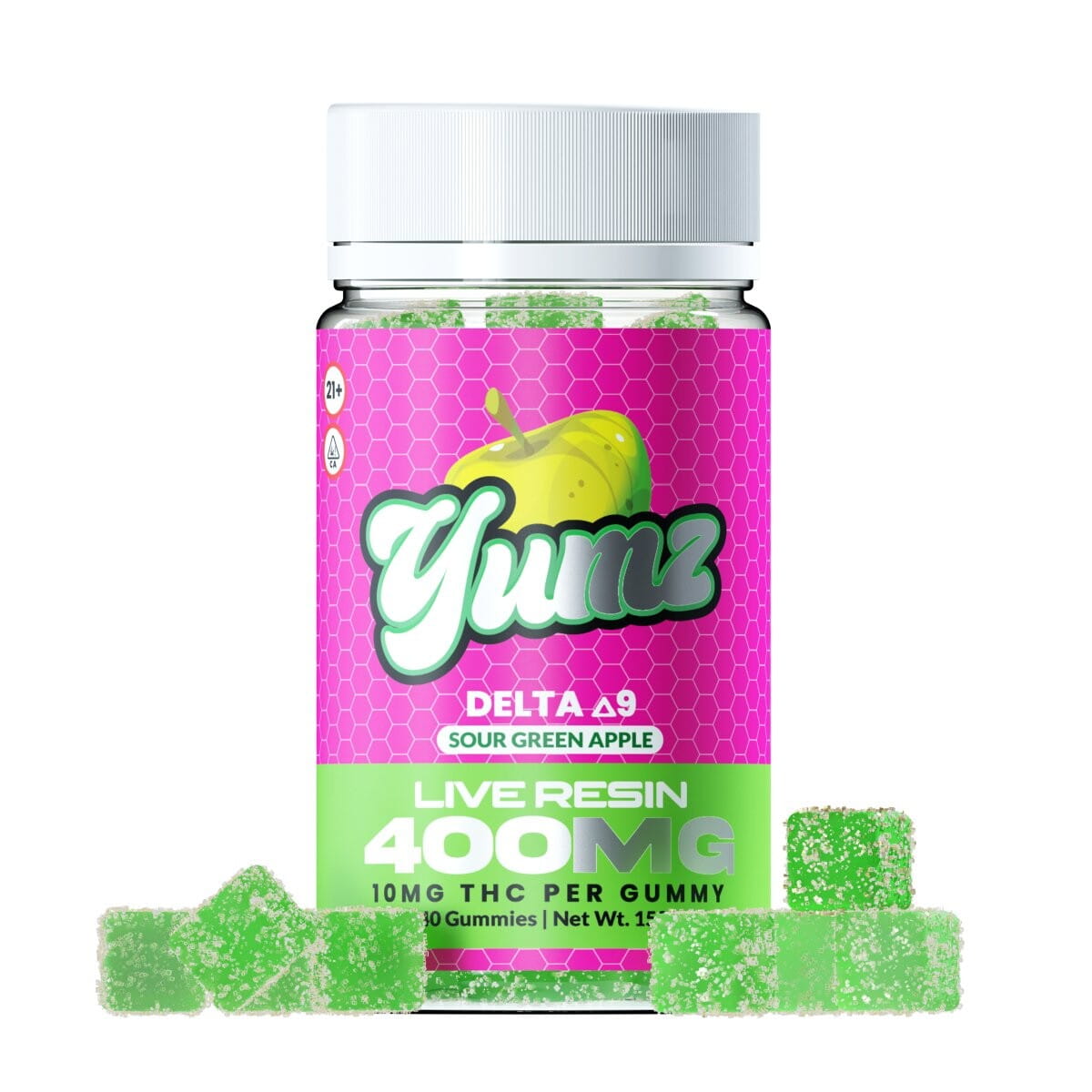
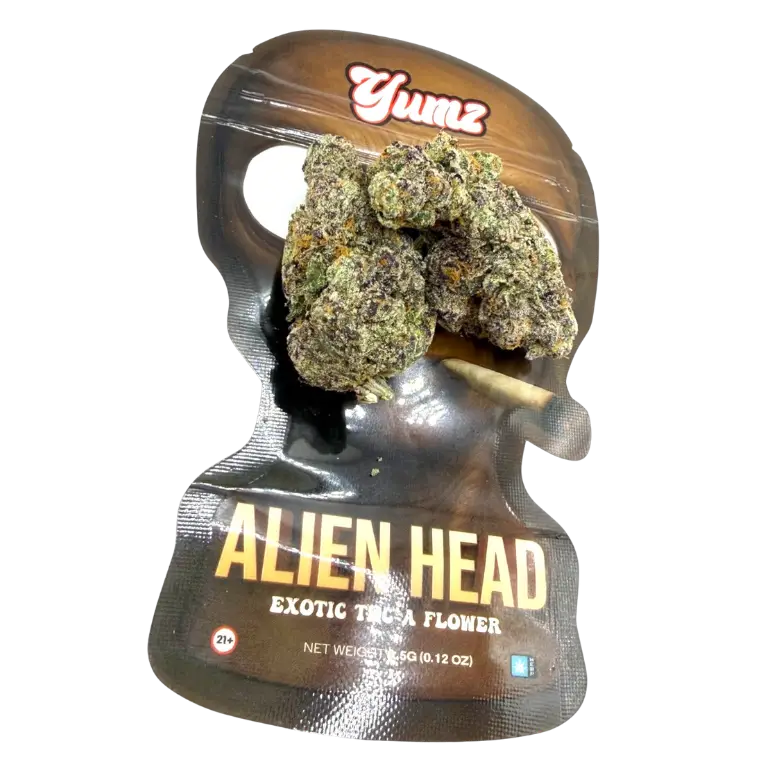
Let's break down what "limited legalization" really means. We're talking about marijuana products with significantly restricted THC content—likely in the range of 2-5mg per serving for edibles, compared to the 10mg standard in most legal states. Low-potency flower would probably max out around 10-15% THC, far below the 20-30% concentrations common in today's cannabis market. This approach mirrors strategies we've seen in other cautious states. Minnesota, for example, legalized low-dose THC gummies and beverages before moving to full adult-use legalization. The idea is to introduce cannabis gradually, monitor outcomes, and build public confidence. But for experienced cannabis consumers, these products might feel underwhelming. Here's where it gets interesting for Hawaii residents. While lawmakers debate limited marijuana legalization, federally legal hemp-derived products are already available. Under the 2018 Farm Bill, hemp products containing less than 0.3% Delta-9 THC by dry weight are legal nationwide. That means THCA flower, Delta-8 products, and compliant Delta-9 edibles can be shipped directly to Hawaiian consumers right now. The irony? These hemp products often deliver stronger effects than the low-potency marijuana Hawaii's Senate is considering legalizing.
Hawaii's Current Cannabis Landscape and Medical Program
Hawaii has operated a medical marijuana program since 2000, making it one of the earlier adopters of medical cannabis. The program serves thousands of registered patients with qualifying conditions like chronic pain, PTSD, cancer, and epilepsy. But it's been plagued by limited dispensary access, high prices, and restrictive regulations that have left many patients frustrated. The state's geography creates unique challenges. With dispensaries scattered across multiple islands, rural patients often face serious access issues. This has created a thriving black market and driven many consumers toward federally legal hemp alternatives that can be ordered online and delivered directly. Recreational legalization efforts have repeatedly stalled in Hawaii's legislature despite growing public support. Polls consistently show that a majority of Hawaiian residents favor full adult-use legalization, yet lawmakers have remained cautious. This limited legalization bill represents the closest Hawaii has come to reform in recent years, even if it falls short of what advocates want.
What This Means for Cannabis Consumers in Hawaii
If you're a Hawaiian resident wondering what this bill means for you, the answer is complicated. First, SB 3275 still needs to pass the full Senate, navigate the hostile House environment, and get signed by the governor. That's a tough road. Even if it succeeds, implementation could take a year or more, meaning you won't see legal low-potency products on shelves immediately. In the meantime, your best options remain the medical program (if you qualify) or federally legal hemp products. Yumz Lab and other online retailers ship compliant hemp-derived cannabis products to all 50 states, including Hawaii. These products use legal loopholes to deliver real cannabis experiences—THCA flower that converts to Delta-9 THC when heated, Delta-9 edibles dosed within federal limits, and THCA disposable vapes that provide potent effects. Here's the real talk: if you're looking for where to buy legal THC products online right now, don't wait for Hawaii's slow-moving legislature. Hemp-derived options give you immediate access to quality cannabis products without the legal risk or medical card requirements. Just make sure you're buying from reputable brands that provide third-party lab testing and certificates of analysis (COAs) to verify potency and purity.

The Bigger Picture: Incremental vs. Full Legalization
Hawaii's approach reflects a broader trend in cannabis policy. Some states jump straight to full adult-use legalization, while others inch forward with medical programs, decriminalization, or limited frameworks like this one. Is the cautious approach better? That depends on who you ask. Proponents argue that starting small allows states to build regulatory infrastructure, train law enforcement, and address public concerns before opening the floodgates. Critics counter that half-measures create confusing legal gray areas, limit tax revenue, and keep criminal penalties in place for many users. They've got a point. The cannabis industry has matured significantly since Colorado and Washington legalized in 2012. We now have years of data showing that legalization doesn't lead to increased youth use, traffic fatalities haven't spiked as predicted, and tax revenues have exceeded expectations in most legal states. Given this evidence, Hawaii's ultra-cautious stance feels outdated. But political realities don't always align with data. For businesses, limited legalization creates uncertainty. Will major multi-state operators (MSOs) enter Hawaii's market for low-potency products alone? Probably not. This could create opportunities for local entrepreneurs and smaller businesses to establish themselves before big players arrive—assuming full legalization eventually happens.
Conclusion
Hawaii's limited marijuana legalization bill represents progress, even if it's frustratingly slow. While the Senate moves forward with low-potency options, the House remains a roadblock to real reform. For Hawaiian cannabis consumers, the message is clear: don't hold your breath waiting for lawmakers. Federally legal hemp-derived products offer immediate access to quality THC experiences without the wait or legal complications.
Stay tuned to YumzLab.com for your daily dose of cannabis industry news and culture.


