


Rhode Island Cannabis Licensing Lottery Creates Tension for May 2026
Rhode Island's cannabis market is about to get a lot bigger—or at least, it's supposed to. State regulators are wrestling with how to award up to 20 new retail dispensary licenses through a lottery system that could happen as early as May 2026, but delays and procedural questions have applicants frustrated and consumers wondering when they'll actually see more options hit their neighborhoods.
Rhode Island's Adult-Use Cannabis Market: Where We Stand
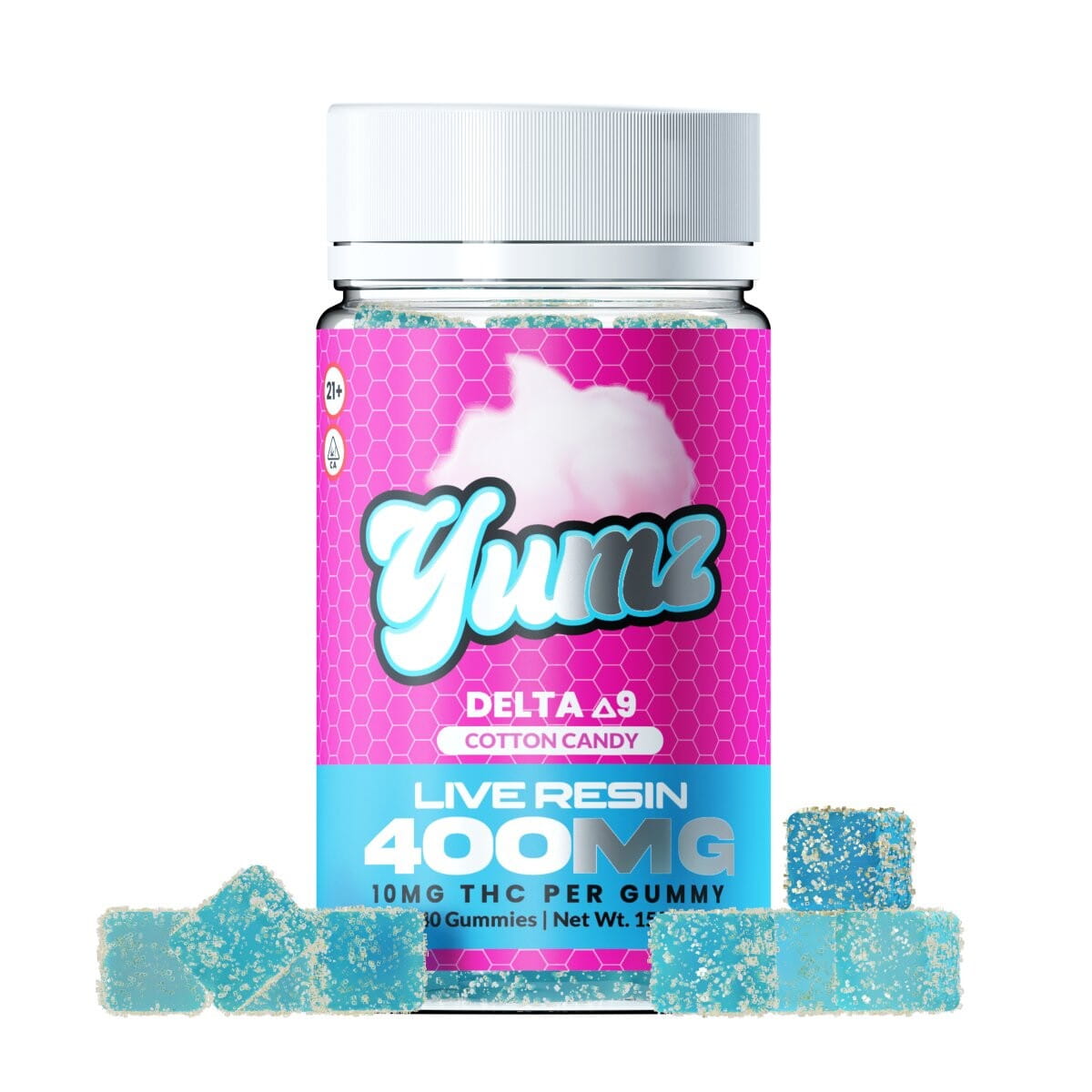
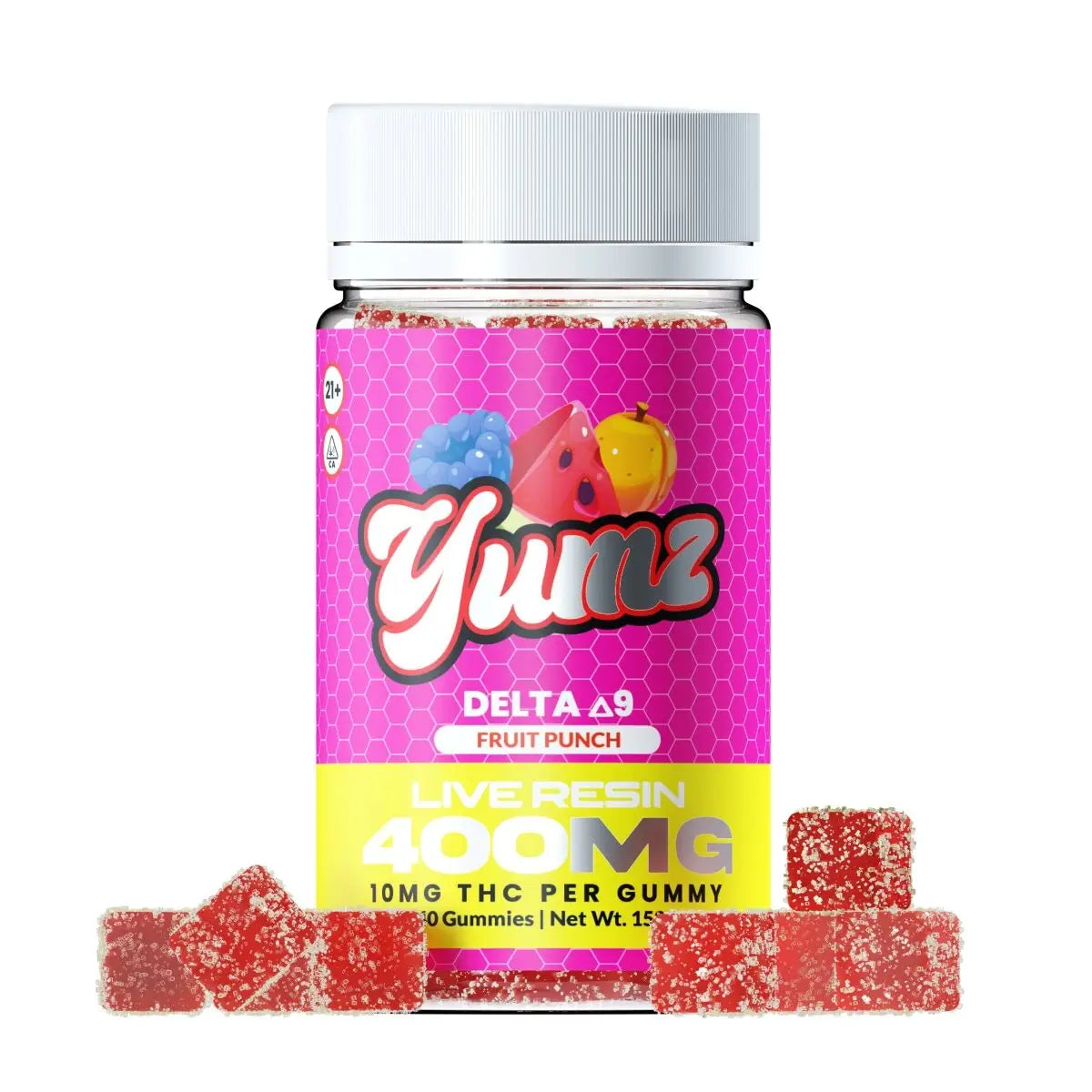
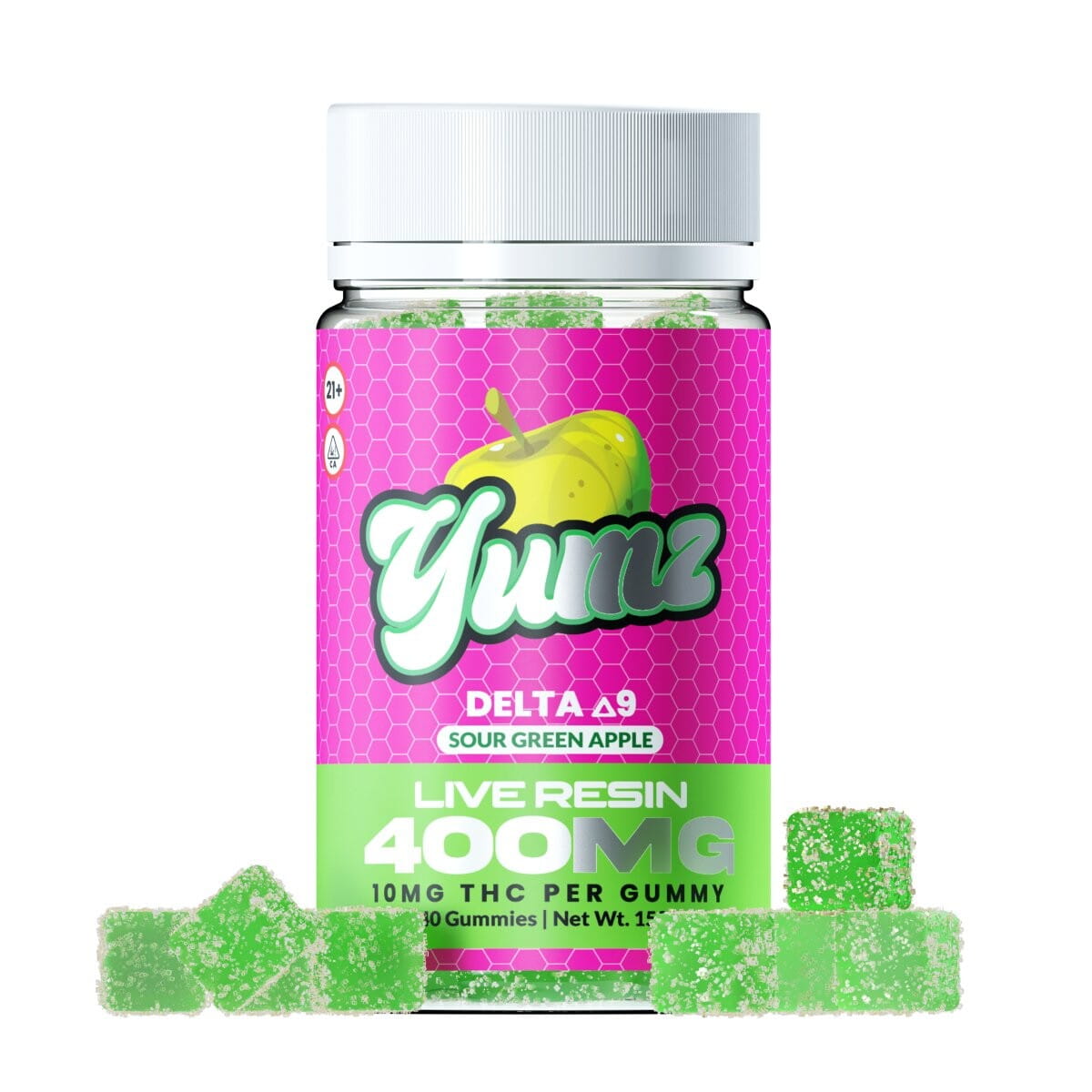
Rhode Island legalized adult-use cannabis in May 2022, making it one of the later East Coast states to join the recreational market. But here's the thing—the rollout has been slower than many expected. The state currently operates with a limited number of dispensaries, most of which transitioned from the medical program that's been running since 2006. That's nearly two decades of medical cannabis infrastructure, but the adult-use expansion has been cautious. The Rhode Island Cannabis Control Commission has been tasked with building out a fair, equitable retail system that prioritizes social equity applicants—people from communities most harmed by cannabis prohibition. It's a noble goal. But as anyone in the cannabis space knows, turning policy goals into functioning dispensaries takes time, money, and a whole lot of patience. Currently, consumers in Rhode Island face limited retail options, which means longer lines, higher prices, and less product variety than you'd find in more mature markets like Massachusetts or California. For consumers who can't access Rhode Island's limited dispensaries, many have turned to federally legal hemp-derived products. Options like THCA flower and Delta 9 gummies have filled the gap, offering legal alternatives that ship directly to your door. These products, compliant with the 2018 Farm Bill's 0.3% Delta-9 THC threshold, have become lifelines for consumers in states with limited dispensary access.
The Lottery System: How Rhode Island Plans to Pick Winners
So how exactly will Rhode Island decide who gets these coveted 20 licenses? Lottery. That's right—after all the applications, business plans, financial documentation, and community impact statements, it comes down to chance. This approach has become popular in states trying to avoid the appearance of favoritism or corruption in cannabis licensing. Massachusetts, Illinois, and New York have all experimented with lottery systems, with mixed results. The idea is simple: qualified applicants get entered into a random drawing. Winners get the opportunity to open dispensaries. Losers go home empty-handed, often after investing tens of thousands of dollars in application fees, legal counsel, and real estate planning. It's brutal, honestly. And it's why tensions are running so high as May approaches. According to statements from applicants at recent Cannabis Control Commission meetings, many have already invested significant time and money preparing for this moment. One applicant captured the frustration perfectly: "It's unfair to everyone that's invested time, money and attention to this process. We ask there not be any delay." When you've spent months scouting locations, building relationships with local communities, and assembling cultivation partnerships, delays feel like death by a thousand cuts. The cannabis industry moves fast, and every month of delay means competitors gain ground, market conditions shift, and investors get nervous.


What's Causing the Holdup?
Great question. The Cannabis Control Commission hasn't been totally clear about what's causing the hesitation on finalizing the lottery procedures. Several factors appear to be in play, based on recent public meetings and industry speculation. First, there's the social equity component. Rhode Island's cannabis law explicitly prioritizes applicants from communities disproportionately impacted by drug enforcement. The commission needs to verify which applicants qualify for social equity status, and that verification process has proven more complex than anticipated. Do you count arrest records? Zip codes? Income levels? Family history? Each metric requires documentation, review, and inevitable appeals when applicants disagree with determinations. Second, legal challenges are always lurking in cannabis licensing. We've seen this play out in other states—disappointed applicants file lawsuits claiming the process was unfair, biased, or technically flawed. Regulators know that any procedural mistake now could mean months of court battles later. So they're moving carefully, triple-checking every detail before pulling names from the proverbial hat. Third, there's pressure from existing dispensaries. Let's be real—the current license holders aren't exactly thrilled about 20 new competitors entering the market. While they can't openly oppose expansion, they can raise concerns about market saturation, regulatory oversight capacity, and consumer safety. These concerns, whether genuine or strategic, create additional questions for regulators to address. And questions mean delays.
What This Means for Rhode Island Cannabis Consumers
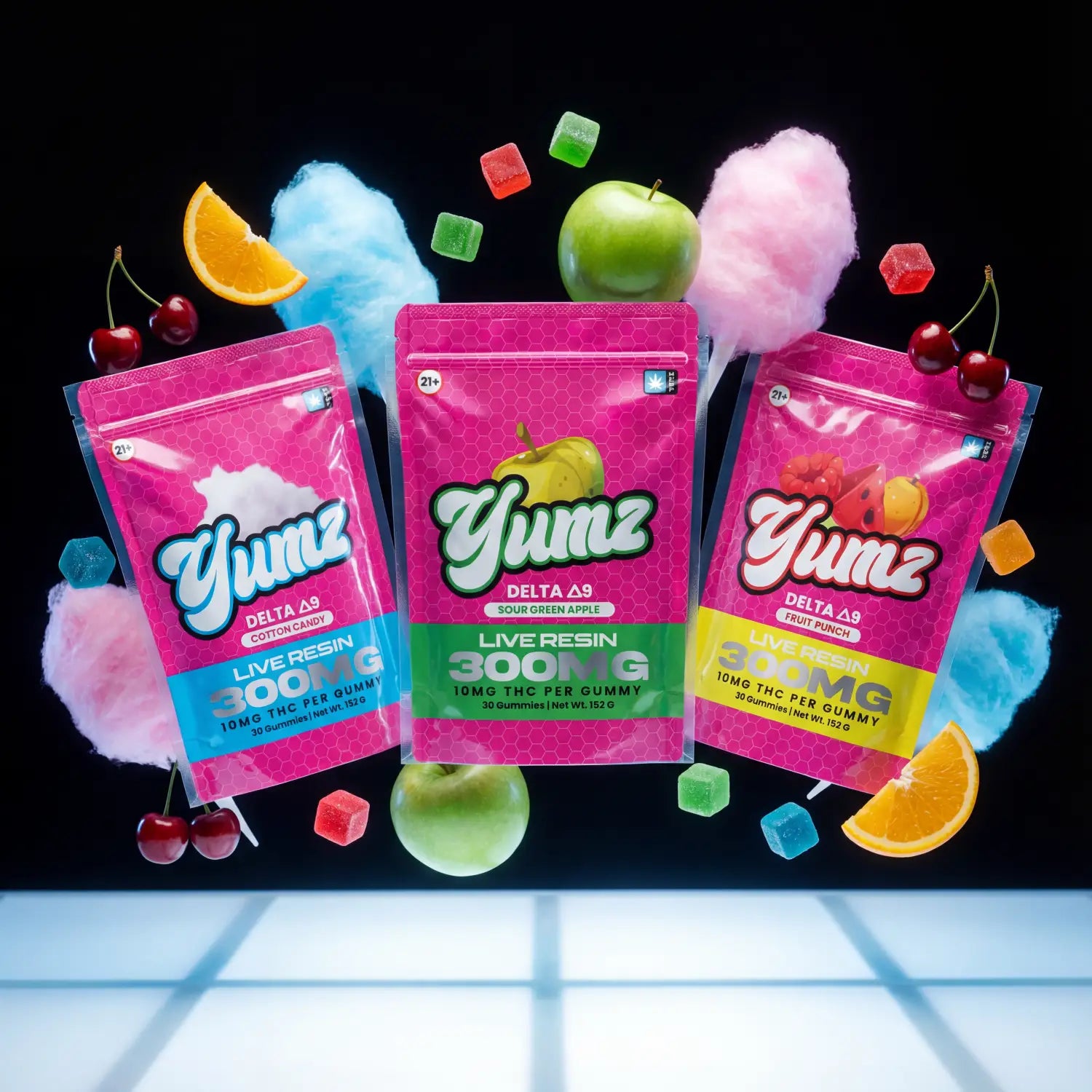
If you're a Rhode Island resident who consumes cannabis, you're probably wondering: what does this actually mean for me? The answer depends on how quickly these licenses get awarded and how fast winners can get operational. More dispensaries should mean better prices. Basic economics. When supply increases and competition intensifies, prices typically drop. Right now, Rhode Island's limited retail options mean consumers pay premium prices—often $50-60 for an eighth of quality flower, compared to $30-40 in more saturated markets. Twenty new dispensaries won't transform Rhode Island into Oregon overnight, but they should create downward price pressure over time. Product variety will improve dramatically. Small markets mean limited shelf space for experimental products. You get the basics: flower, pre-rolls, carts, edibles. But niche products like high-CBD strains, specific terpene profiles, or craft concentrates? Those require retailers willing to take risks on less proven products. More dispensaries mean more experimentation, which means more options for consumers with specific needs or preferences. Geographic access matters too. If you're in Providence, you've got options. If you're in rural Rhode Island? Not so much. These 20 licenses should spread retail access across the state, reducing drive times and making legal cannabis accessible to communities currently underserved. That's huge for medical patients, seniors, and anyone without reliable transportation. But here's the reality check: even if the lottery happens in May 2026, don't expect dispensaries to open immediately. Winners still need to secure real estate, build out facilities, pass inspections, and stock inventory. We're talking six months to a year after license award before doors open. In the meantime, consumers can explore federally legal alternatives from retailers like Yumz Lab, which offers THCA disposable vapes and other hemp-derived products that provide effects similar to traditional cannabis.
The Business Side: High Stakes for Applicants
Let's talk about what's on the line for the people actually applying for these licenses. A Rhode Island dispensary license isn't just a piece of paper—it's potentially worth millions of dollars. In mature cannabis markets, existing licenses have sold for $5-10 million or more. Even in smaller markets, a well-run dispensary can generate $3-5 million in annual revenue. That's why applicants are so stressed about delays. Many have assembled investor groups, secured preliminary financing, and put deposits on real estate. Every month of delay costs money—loan interest, opportunity costs, and the risk that investors lose confidence and pull out. Cannabis banking restrictions make this even harder, since many applicants can't rely on traditional business loans and instead depend on private investors or personal wealth. The social equity focus adds another layer of complexity. Many social equity applicants don't have the same access to capital as traditional business applicants. They're relying on state support programs, incubator arrangements with larger operators, or creative financing structures. Delays jeopardize these often fragile arrangements. An investor willing to wait three months might not be willing to wait nine months. There's also the human element. For social equity applicants from communities harmed by prohibition, these licenses represent more than business opportunities—they're a form of restorative justice. The chance to build wealth in an industry that once criminalized their communities. Delays feel like broken promises, another example of the system moving the goalposts after convincing people to play the game. Interestingly, understanding how cannabis licensing affects consumer prices reveals why these regulatory decisions matter so much. Licensing bottlenecks create artificial scarcity, keeping prices high and limiting consumer access—exactly what legalization was supposed to solve.

What Happens Next: Timeline and Expectations
So where do we go from here? The Cannabis Control Commission needs to finalize lottery procedures, ideally before May 2026. That means publishing clear rules, conducting final social equity verification, and setting an actual date. Assuming no major legal challenges, we could see the lottery happen in late spring or early summer 2026. Once winners are selected, expect immediate media coverage and probably some controversy. Lottery systems always generate complaints from those who didn't win—that's inevitable when chance determines millions of dollars in opportunity. Some disappointed applicants will likely explore legal options, though courts have generally upheld lottery systems as long as procedures were followed correctly. Winners will then enter a 6-12 month development phase. They'll need to finalize real estate, complete build-outs, hire staff, establish supply chain relationships with cultivators, and pass all necessary inspections. Rhode Island's regulators will likely be overwhelmed trying to process 20 new license applications simultaneously, which could slow the process. Realistically, expect the first new dispensaries to open in late 2026 or early 2027. Some will take longer—especially if they're in municipalities with additional local approval requirements. By 2028, Rhode Island should have a much more mature retail market with significantly better consumer access and competitive pricing. In the meantime, consumers aren't without options. The hemp-derived cannabinoid market has exploded since the 2018 Farm Bill, offering legal alternatives that ship nationwide. Products from trusted brands provide quality alternatives while Rhode Island's retail market develops.
Conclusion
Rhode Island's upcoming cannabis lottery represents a critical moment for the state's adult-use market. Twenty new dispensaries could transform consumer access, lower prices, and finally deliver on the promises of legalization. But as applicants anxiously await final procedures and consumers wonder when they'll see real change, one thing is clear: building a functional cannabis market takes time, patience, and persistence. The delays are frustrating, but the potential payoff—a more accessible, competitive, and equitable cannabis industry—makes it worth the wait.

Stay tuned to YumzLab.com for your daily dose of cannabis industry news and culture.


