



The Ultimate Guide to Understanding Delta-8 THC: Benefits, Risks, and Legal Status
Delta-8 THC has emerged as a popular cannabinoid alternative, captivating the cannabis community with its unique effects and perceived benefits. As interest in Delta-8 grows, it's essential for consumers to understand what it is, how it differs from Delta-9 THC, its potential benefits and risks, and the evolving legal status surrounding it. This guide dives deep into everything you need to know about Delta-8 THC.
What is Delta-8 THC?
Delta-8 Tetrahydrocannabinol (Delta-8 THC) is a naturally occurring cannabinoid found in cannabis plants but typically at much lower concentrations than the more familiar Delta-9 THC. Chemically, Delta-8 is an isomer of Delta-9 THC, meaning it has a slightly different molecular structure that influences how it interacts with the body’s endocannabinoid system. This subtle difference generally results in Delta-8 producing milder psychoactive effects compared to Delta-9.
Benefits of Delta-8 THC
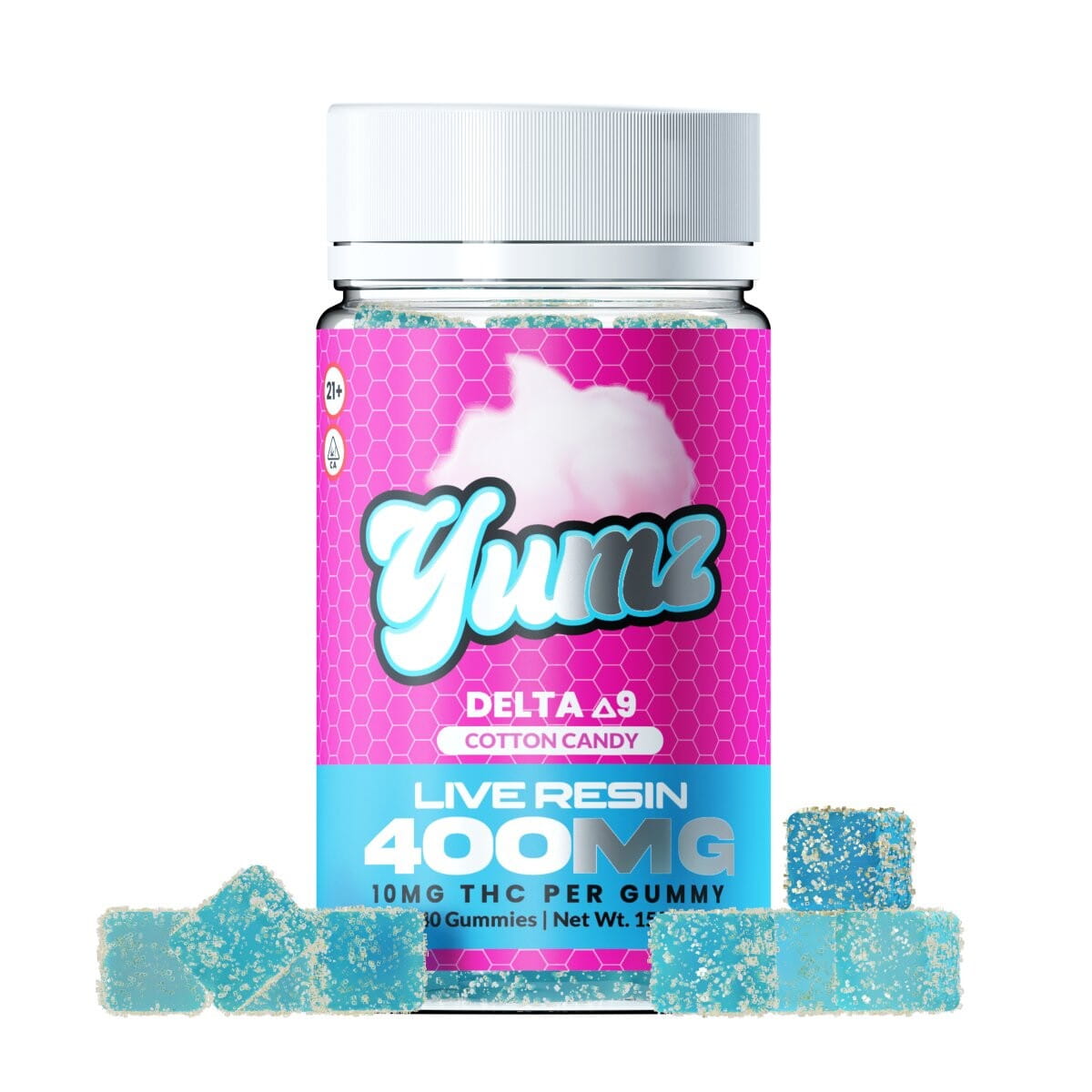
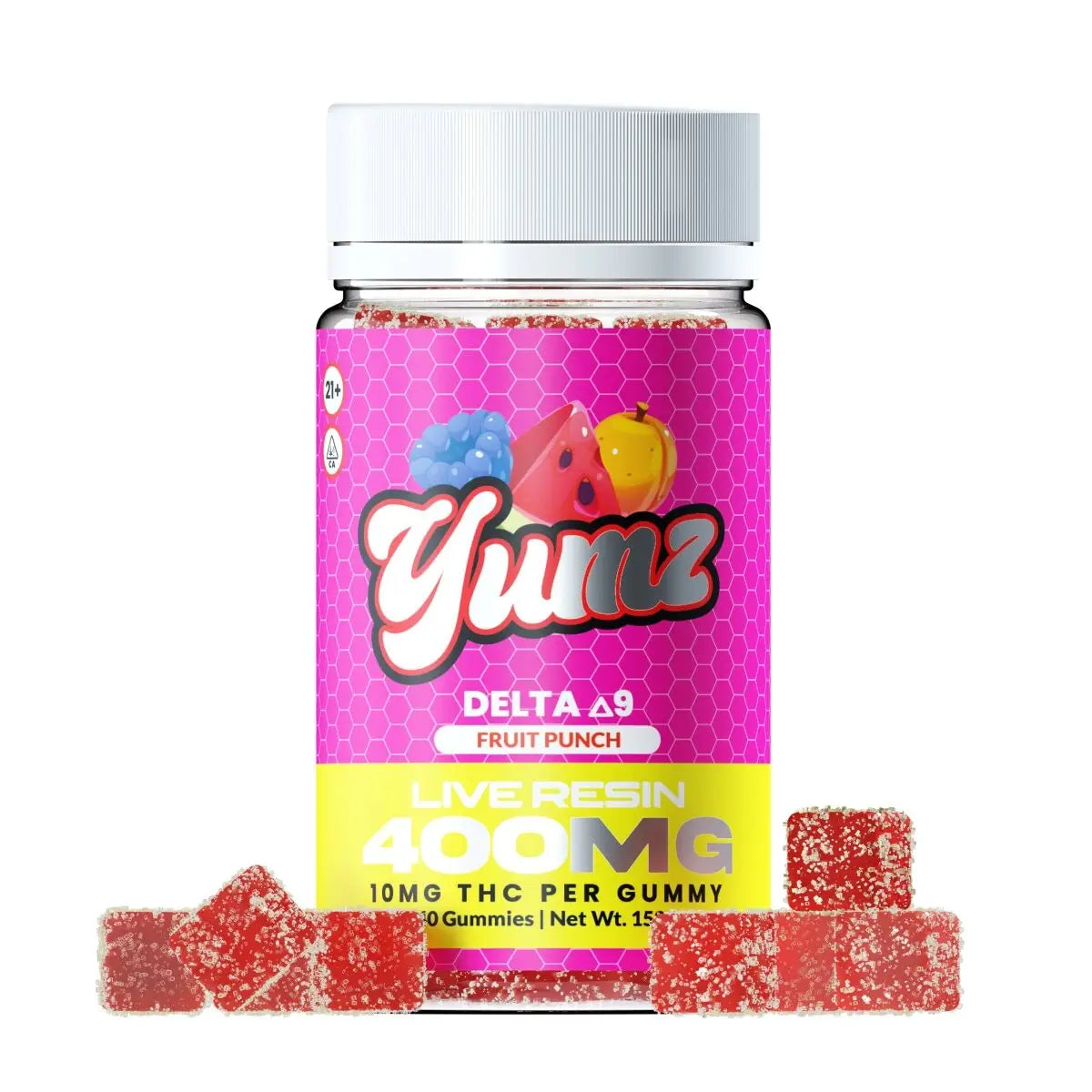
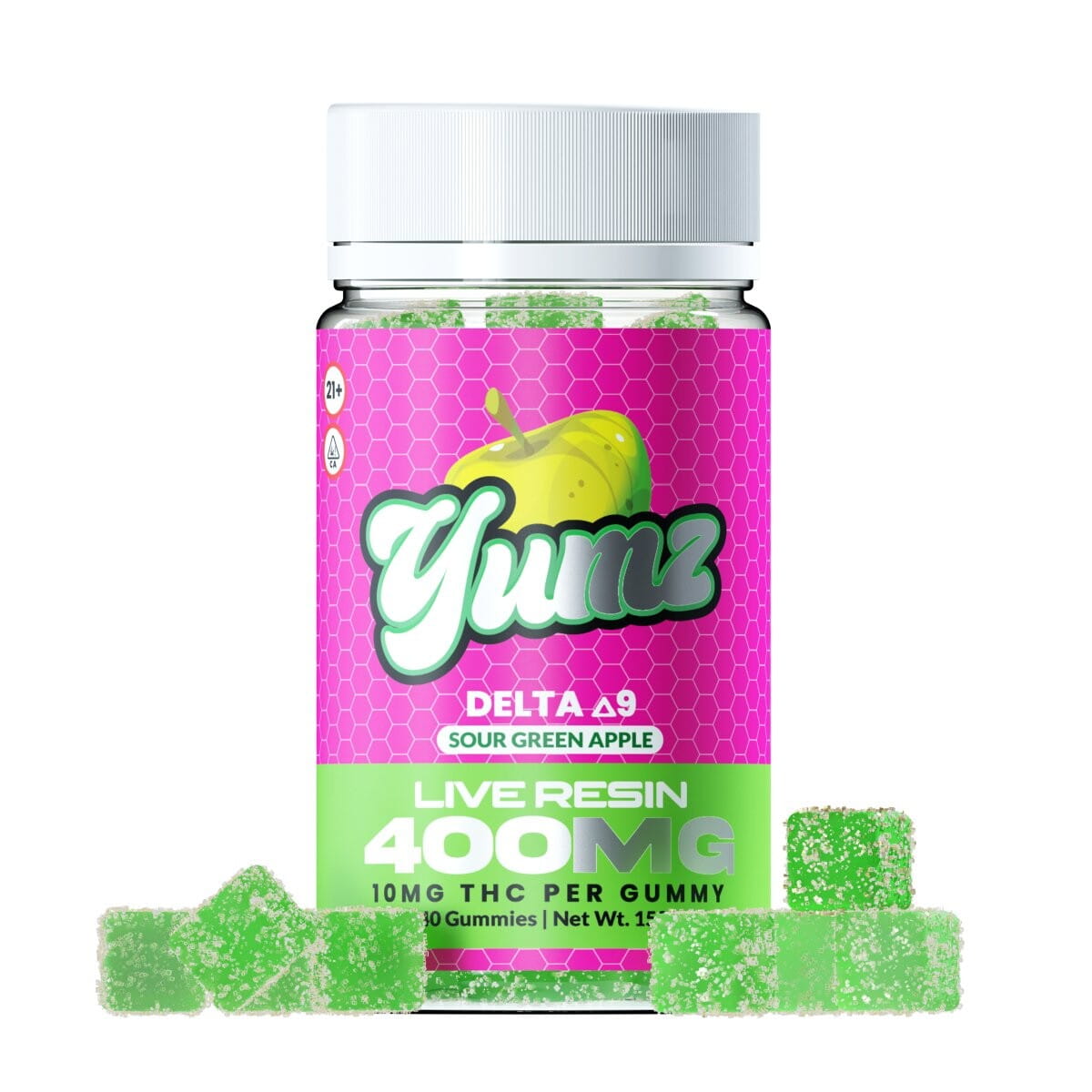
Many users report that Delta-8 THC offers several benefits, including reduced anxiety, mild pain relief, and anti-nausea effects. Some prefer Delta-8 for its smoother, less intense high, which can aid relaxation without overwhelming psychoactivity. Early studies and anecdotal evidence suggest Delta-8 may help with appetite stimulation, neuroprotection, and even mood improvement, but further research is needed to confirm these potential benefits.


Potential Risks and Side Effects
While Delta-8 THC is generally considered to have a favorable safety profile, users should be aware of possible side effects such as dry mouth, red eyes, dizziness, and mild cognitive impairment. Because Delta-8 products are often synthesized from hemp-derived CBD, the quality and purity can vary significantly, leading to risks of contamination or inconsistent potency. Consumers should source Delta-8 from reputable suppliers who provide third-party lab testing to ensure safety.
The Legal Landscape of Delta-8 THC
The legal status of Delta-8 THC remains complex and varies by jurisdiction. Federally in the United States, the 2018 Farm Bill legalized hemp and derivatives containing less than 0.3% Delta-9 THC, leading to a gray area for Delta-8 products derived from hemp CBD. However, some states have explicitly banned Delta-8 THC. It’s crucial for consumers to stay informed about local laws and regulations as authorities continue to adjust legislation related to this cannabinoid.

How to Use Delta-8 THC Safely
To use Delta-8 THC responsibly, start with a low dose to understand how it affects your body. Avoid combining it with alcohol or other substances that may increase impairment. Always purchase from trusted vendors that provide clear labeling and third-party lab results. Consulting with a healthcare professional is advisable, especially for individuals with underlying health conditions or those taking other medications.
Conclusion
Delta-8 THC is an intriguing cannabinoid offering a unique blend of effects that appeal to many consumers seeking alternatives to Delta-9 THC. While it presents promising benefits, users must navigate potential risks and an evolving legal framework. Staying informed and choosing high-quality products ensures a safer and more enjoyable experience with Delta-8 THC. At Yumzlab.com, we’re committed to providing you with the latest updates and trustworthy information to guide your cannabis journey.


Stay tuned to YumzLab.com for your daily dose of cannabis industry news and culture.


