



The Ultimate Guide to Cannabis Extraction Methods
Cannabis extraction is a pivotal process in the cannabis industry, allowing producers to concentrate cannabinoids and terpenes to create potent, pure products. Whether you're an industry professional or an enthusiast, understanding the various extraction methods can help you appreciate the craftsmanship behind your favorite concentrates. This guide delves into the most common and effective cannabis extraction techniques, highlighting their advantages, challenges, and suitable applications.
1. What is Cannabis Extraction?
Cannabis extraction involves separating cannabinoids, terpenes, and other valuable compounds from the cannabis plant material. The goal is to produce a concentrated extract that offers enhanced potency and flavor profiles compared to raw flower.
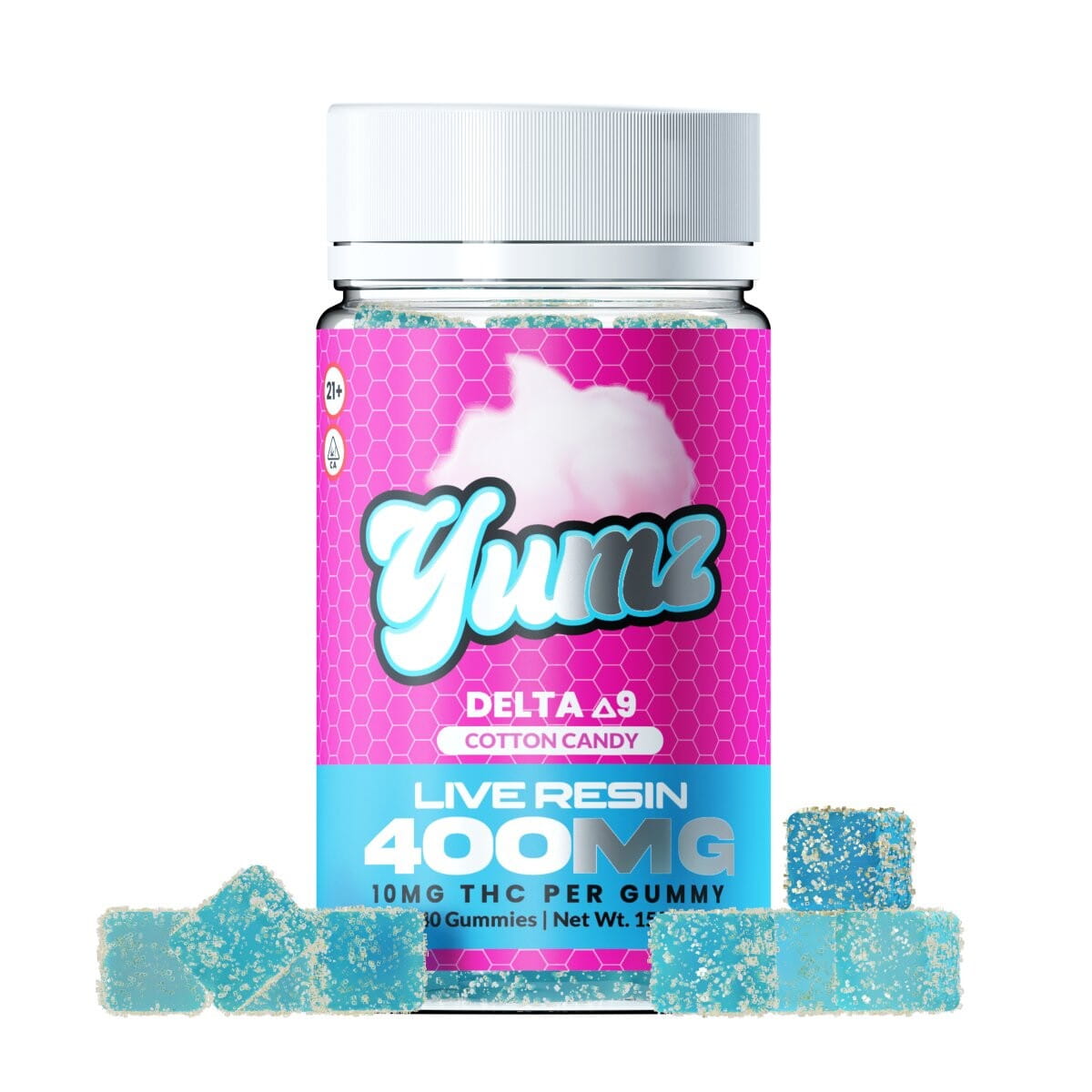

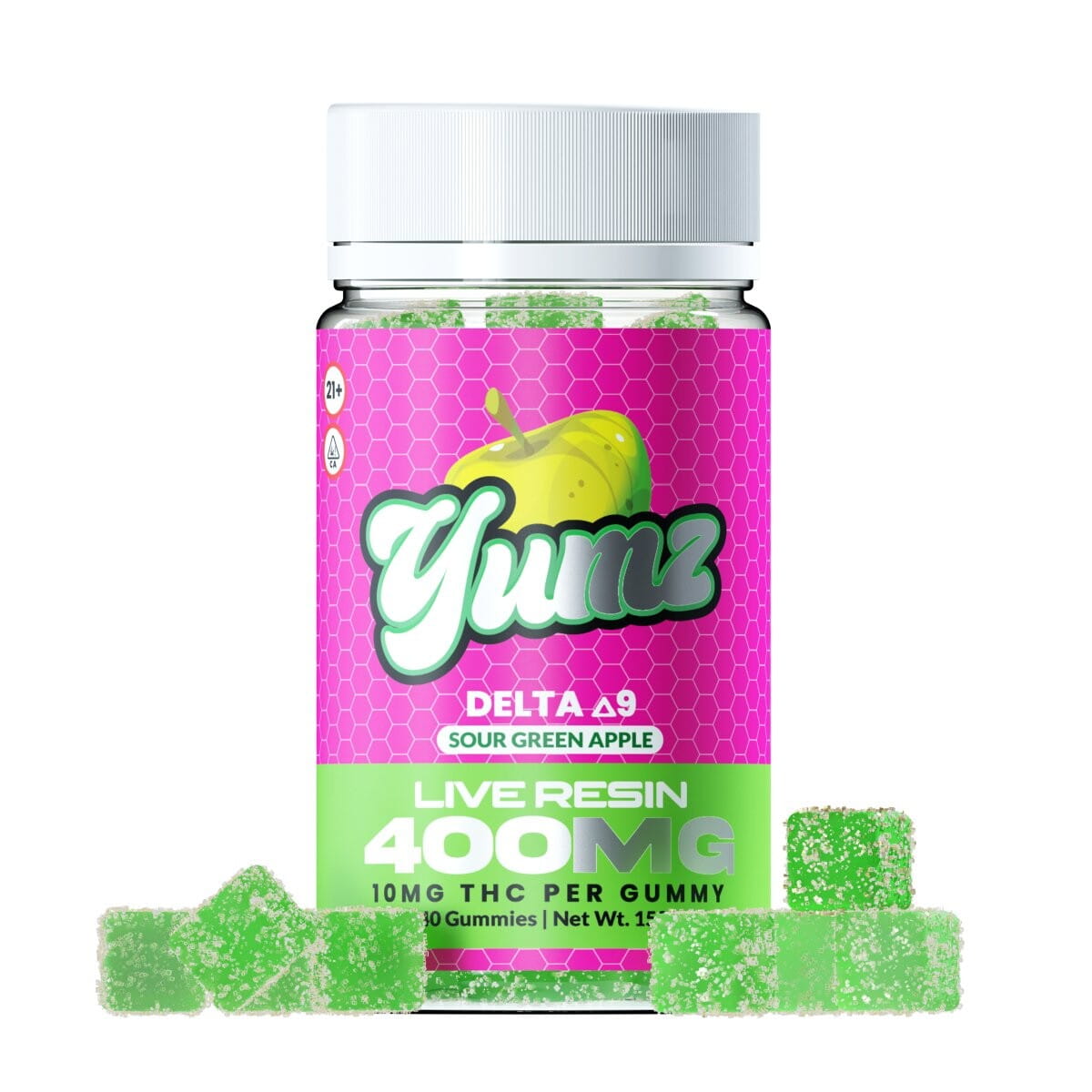
2. Solvent-Based Extraction Methods
Solvent-based extractions use chemicals to dissolve the active compounds. Popular solvents include butane, propane, ethanol, and supercritical CO2. - Butane Hash Oil (BHO): Uses butane to dissolve cannabinoids and terpenes, resulting in highly potent concentrates like shatter and wax. - Ethanol Extraction: A versatile, food-safe solvent that can extract a broad spectrum of cannabinoids and terpenes. - CO2 Extraction: Utilizes supercritical carbon dioxide under high pressure and temperature for a clean, chemical-free extract favored in medical cannabis.


3. Solventless Extraction Methods
Solventless methods rely on mechanical and physical processes without the use of solvents, appealing to consumers seeking natural extracts. - Rosin Pressing: Uses heat and pressure to squeeze resinous sap directly from cannabis flower or hash. - Ice Water Extraction (Bubble Hash): Agitates plant material in ice water to separate resin glands, producing bubble hash. These methods preserve terpene profiles and avoid potential solvent residuals.
4. Comparing Extraction Techniques
Each extraction method has benefits and drawbacks: - Solvent-based methods generally yield higher potency and purity but require careful handling of chemicals. - Solventless methods are safer and natural but may yield lower concentrate volumes. Producers often choose based on desired product type, safety considerations, and market demand.

5. Best Practices for Quality and Safety
Maintaining quality and safety during extraction is paramount. This includes: - Using food-grade solvents and equipment - Ensuring proper ventilation and explosion-proof facilities for volatile solvents - Performing rigorous testing for residual solvents and contaminants - Following regulatory guidelines to ensure consumer safety
Conclusion
Understanding cannabis extraction methods empowers both producers and consumers to make informed decisions about the products they create and use. Whether through solvent-based or solventless techniques, high-quality extraction enhances the cannabis experience by delivering potency, flavor, and safety. As technology evolves, expect even more innovative methods to emerge, driving the industry forward.


Stay tuned to YumzLab.com for your daily dose of cannabis industry news and culture.


