



The Psychology of the Bad Trip and How to Pivot During Cannabis Anxiety
Let's talk about something most cannabis enthusiasts don't want to admit: bad trips happen, even with weed. Whether you took one too many hits from a THCA disposable vape or accidentally overdid it with Delta 9 gummies, that spiral of anxiety, paranoia, and racing thoughts is real—and it's rooted in some fascinating brain chemistry that you can actually work with once you understand what's happening.
What Actually Happens in Your Brain During a Cannabis-Induced Panic Response
Here's the thing about THC and your brain: it doesn't just make you feel good. When delta-9-tetrahydrocannabinol floods your endocannabinoid system, it binds to CB1 receptors concentrated heavily in your amygdala—the brain's fear and emotion processing center. Research published in neuropsychopharmacology journals shows that while low to moderate doses of THC can reduce anxiety for many users, higher doses can actually trigger the opposite effect, activating your amygdala and kicking your fight-or-flight response into overdrive. This isn't weakness or "doing it wrong." It's neurochemistry. The dose-response curve for THC is biphasic, meaning the same compound that calms you at 5mg can send you spiraling at 25mg. Your brain's cannabinoid receptors become oversaturated, and suddenly your internal threat-detection system goes haywire. Heart rate increases. Time distortion intensifies. Your thoughts start looping. This feedback loop—where you're anxious about being anxious—is what transforms a pleasant high into a full-blown bad trip. And honestly? It's happened to more people than you think. What makes cannabis anxiety particularly tricky is the duration. Unlike a panic attack that might last 10-20 minutes, THC remains active in your system for hours. If you consumed hemp edibles, you could be riding that wave for 4-8 hours depending on your metabolism and dose. That's why understanding how to pivot—not just endure—becomes critical knowledge for any cannabis consumer. The good news? Your brain has built-in mechanisms you can activate to counteract this response.
Set, Setting, and the Psychological Architecture of a Bad Trip
The legendary psychologist Timothy Leary wasn't wrong about "set and setting," even if his research methods were questionable. Your mindset going into a cannabis experience and your physical environment during it account for roughly 70% of whether you'll have a positive or negative experience, according to contemporary harm reduction research. Walk into a session stressed about work, in an uncomfortable environment, around people you don't trust? You're basically inviting anxiety to the party. Your psychological "set" includes your current mood, expectations, previous experiences, and underlying mental state. If you're already dealing with untreated anxiety or depression, THC can amplify those feelings rather than suppress them. One study from the University of Washington found that individuals with pre-existing anxiety disorders were 3.2 times more likely to report negative cannabis experiences compared to those without anxiety diagnoses. This doesn't mean you can't use cannabis—it means you need to be more intentional about when and how you do. "Setting" is everything around you: lighting, noise levels, who's present, whether you feel safe. A crowded party where you don't know anyone? High-risk setting. Your comfortable living room with a trusted friend and good music? Low-risk setting. This matters even more when you're experimenting with high potency flower or trying a new consumption method. The environment doesn't just influence your experience—it can determine it. And if you're already in that spiral, changing your setting is often the fastest pivot strategy available to you.

The Neurochemical Feedback Loop: Why Bad Trips Spiral
Let me break down what's actually happening when a bad trip starts snowballing. THC triggers your brain to release more glutamate, an excitatory neurotransmitter that can create racing thoughts and heightened sensory input. Simultaneously, it affects your prefrontal cortex—the part of your brain responsible for rational thinking and emotional regulation. So you're getting MORE stimulation while your ability to rationally process that stimulation DECREASES. See the problem? This creates what psychologists call a "catastrophic misinterpretation cycle." You notice your heart beating faster (a normal THC effect). Your impaired prefrontal cortex can't rationalize this, so your amygdala interprets it as danger. This triggers more adrenaline. Your heart beats even faster. You notice this and panic more. Round and round you go. Clinical research from Johns Hopkins has documented this exact pattern in controlled THC administration studies, noting that participants who understood this mechanism beforehand were 40% less likely to experience severe anxiety even at the same doses. The time distortion THC causes makes this worse. Five minutes feels like an hour, so you start thinking "this will never end," which amps up the panic. Your working memory gets wonky, so you might forget that you even took cannabis, which can create existential confusion on top of the anxiety. But here's what your panicking brain won't tell you: this IS temporary, you ARE safe, and no one has ever died from a cannabis overdose. Those are facts, even when your brain is screaming otherwise.
Immediate Pivot Strategies: What to Do When You're Already Spiraling
Okay, so you're in it. Your heart's racing, your thoughts won't stop, and you're convinced everyone can tell you're too high. What now? First: change your environment immediately. Move to a different room. Go outside (if safe). Switch the lighting. Your brain associates your current environment with danger right now, and sometimes just breaking that physical association can interrupt the panic cycle. Seriously, this works. Second: the 5-4-3-2-1 grounding technique is your best friend. Name 5 things you can see, 4 things you can touch, 3 things you can hear, 2 things you can smell, and 1 thing you can taste. This forces your prefrontal cortex to re-engage with rational observation instead of spiraling in abstract fear. It's been used in clinical settings for panic disorders for decades, and it works just as well for cannabis-induced anxiety. Pair this with deep breathing—4 counts in, hold for 4, 4 counts out. This activates your parasympathetic nervous system and physiologically counteracts the fight-or-flight response. Third, and this might sound weird: smell or chew black peppercorns. Not kidding. Black pepper contains beta-caryophyllene, a terpene that binds to the same CB2 receptors as cannabinoids and has been reported in both anecdotal accounts and preliminary research to reduce THC-induced anxiety. CBD can also help if you have it on hand—it's a negative allosteric modulator of CB1 receptors, meaning it literally changes how THC binds to those receptors and can tone down the psychoactive effects. Some experienced cannabis users keep CBD tincture around specifically for this purpose. And if you're someone who's learning how to manage anxiety from THC gummies, having a backup plan isn't paranoia—it's smart harm reduction. Finally: tell someone you trust what's happening. Say it out loud: "I'm too high and I'm feeling anxious, but I know I'm safe and this will pass." Verbalizing the experience externally can break the internal thought loop, and having someone reassure you that you're okay provides the social safety cue your amygdala desperately needs right now.

Prevention Over Pivot: Minimizing Your Risk Before You Consume
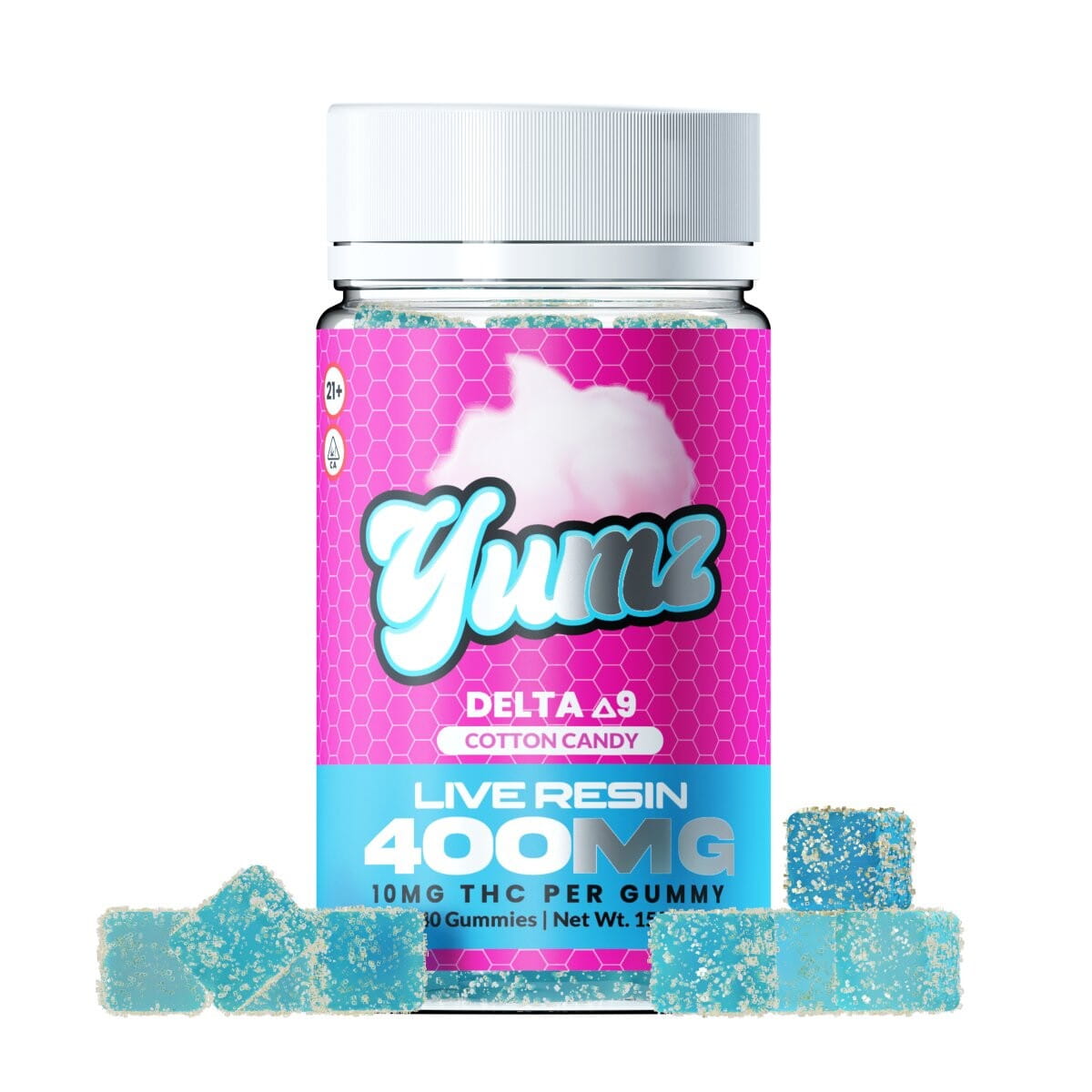
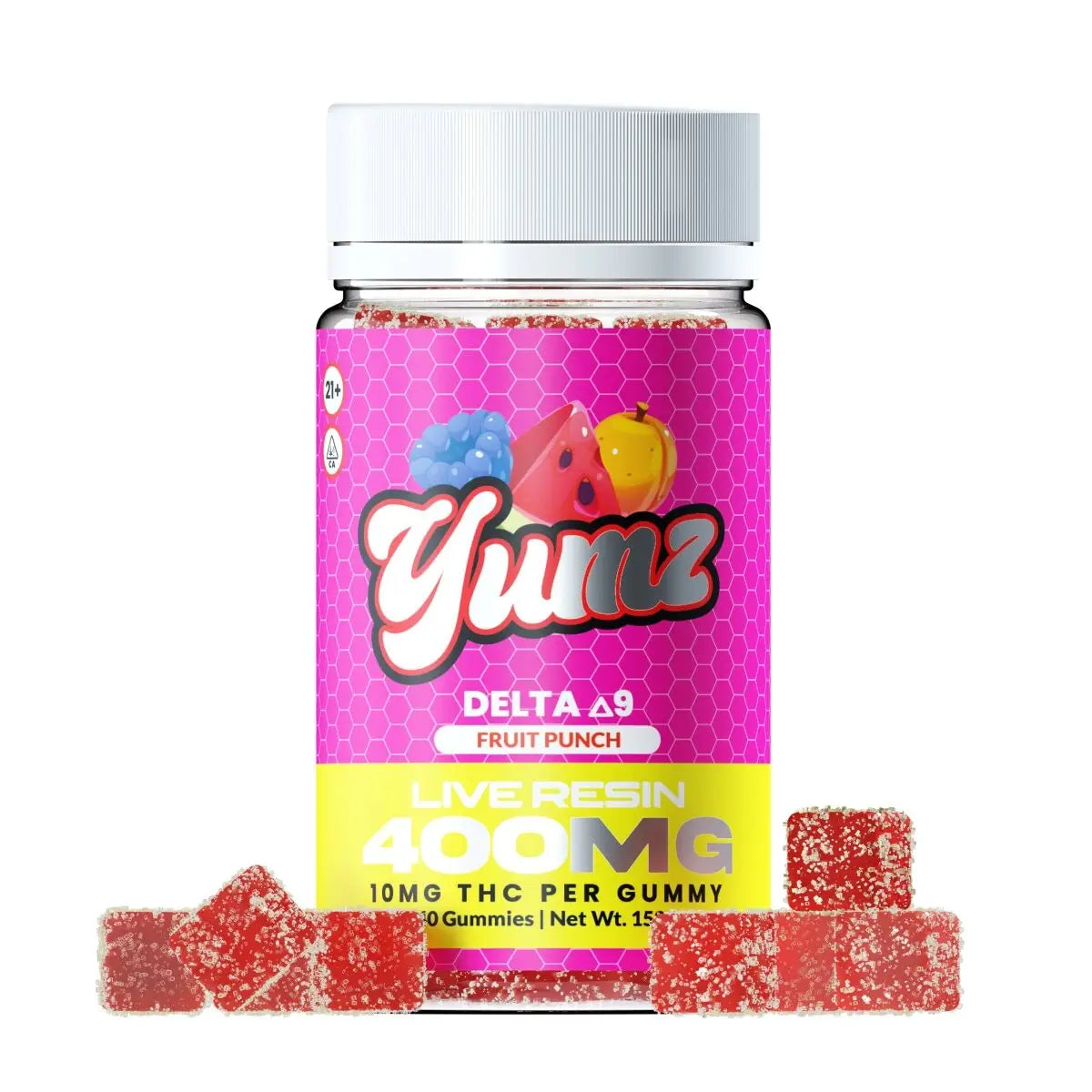
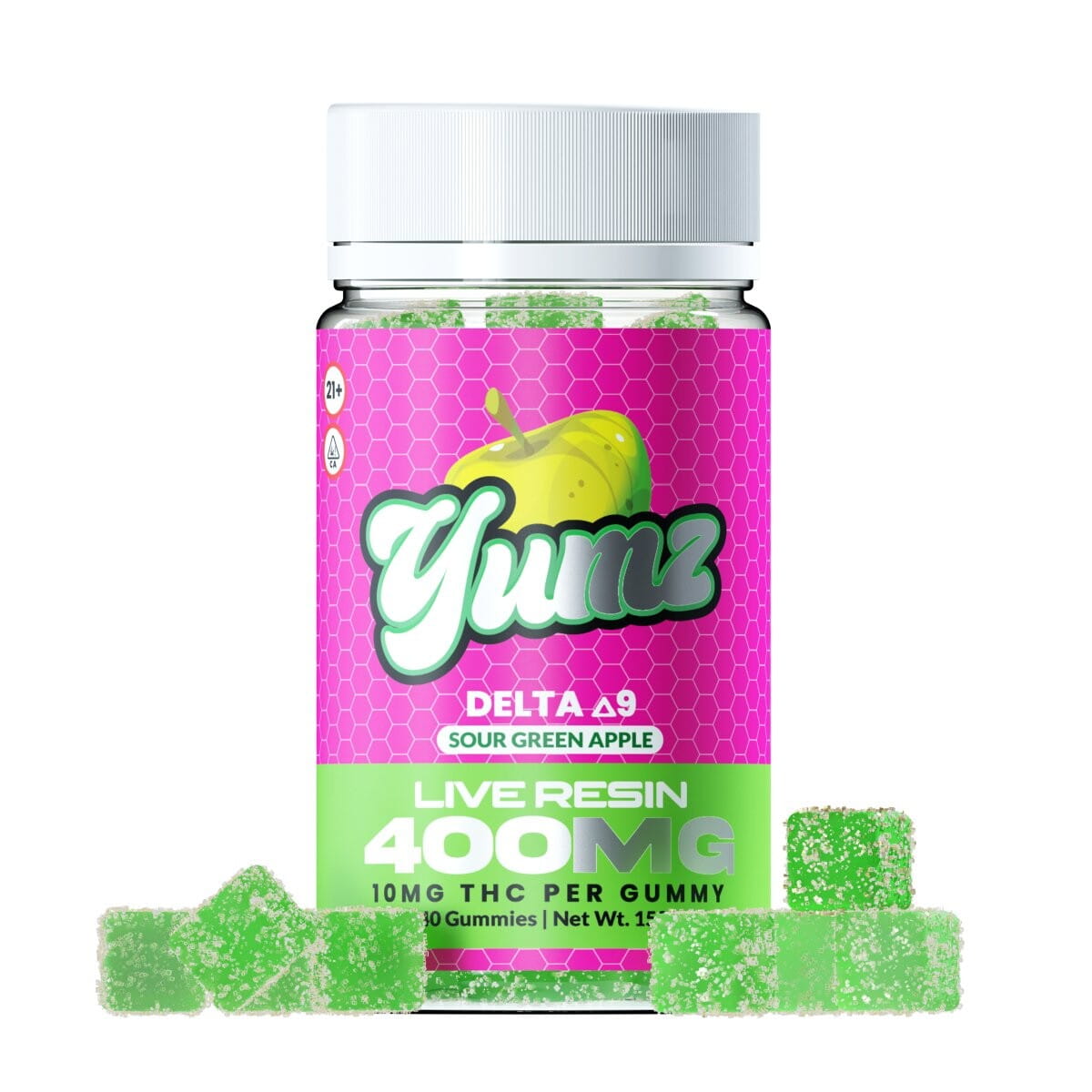
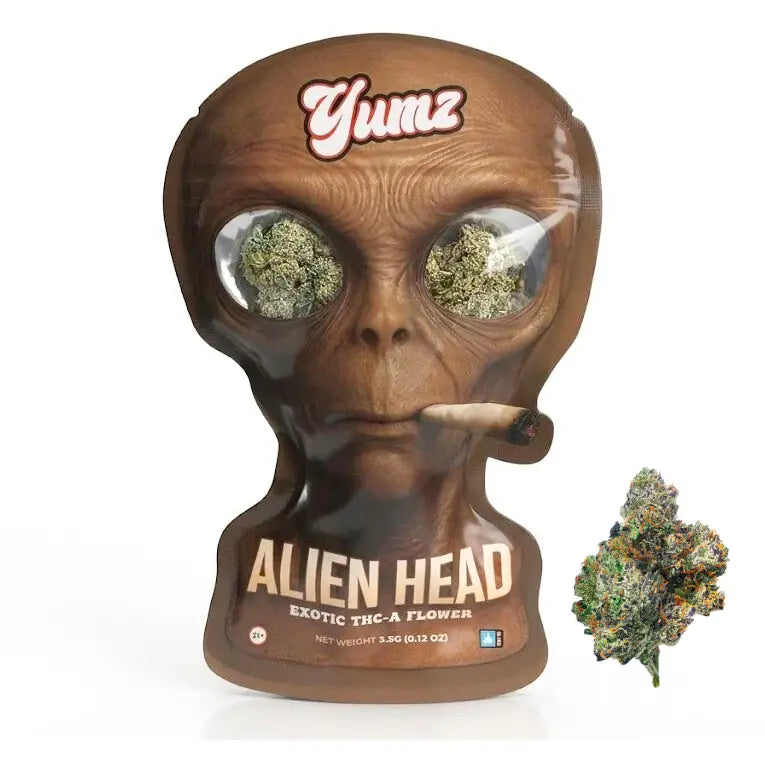
Look, the best way to handle a bad trip is not to have one in the first place. Start low, go slow—it's cliché because it's true. If you're new to THC gummies, 5-10mg is a solid starting point, not the 25-50mg some people jump into. With premium hemp flower or concentrates, take one hit and wait 15 minutes before deciding if you want more. You can always add more; you can't subtract what you've already consumed. Strain selection matters more than most people realize. THC percentage isn't everything—terpene profiles and cannabinoid ratios play huge roles in the experience. Strains high in limonene and linalool tend to be more calming, while pure high-THC products with no CBD or other cannabinoids can hit harder and harsher. When shopping at Yumz Lab or any quality retailer, check the lab reports (COAs) and look for full cannabinoid and terpene profiles, not just THC percentage. A 15% THC flower with good terpenes might give you a better experience than a 30% THC product with nothing else. Timing and context are everything. Don't experiment with new products or higher doses when you have somewhere to be in a few hours, when you're already stressed, or when you're alone and unfamiliar with how you'll react. Plan your sessions like you'd plan any other significant experience—with intention and respect for what you're putting in your body. Cannabis deserves that level of mindfulness, and so do you.
Conclusion
Bad trips aren't a sign you're "doing cannabis wrong"—they're a natural psychological response to a powerful psychoactive compound interacting with your unique brain chemistry. Understanding the neuroscience behind the spiral gives you power over it, and having practical pivot strategies in your back pocket transforms panic into something manageable. Start low, choose your setting wisely, and remember that this too shall pass—because it always does.
Stay tuned to YumzLab.com for your daily dose of cannabis industry news and culture.


