



Sleep Stacking: Mixing CBN, CBD, and THC for Better Rest
If you've spent another night staring at the ceiling, you're not alone—roughly 30% of adults struggle with insomnia symptoms, and the numbers keep climbing. Sleep stacking, the practice of combining CBN, CBD, and THC in specific ratios, has become one of the most talked-about strategies in the cannabis wellness space for tackling sleep issues naturally.
What Is Sleep Stacking and Why Does It Work?
Sleep stacking isn't some trendy wellness fad. It's a targeted approach to using multiple cannabinoids together to address different aspects of sleep problems. Instead of relying on a single compound, you're combining CBN (cannabinol), CBD (cannabidiol), and THC (tetrahydrocannabinol) to create what researchers call the "entourage effect"—where cannabinoids work synergistically to produce better results than any single compound alone. Here's the thing: your sleep problems probably aren't one-dimensional. Maybe anxiety keeps your mind racing at 2 AM. Or physical discomfort wakes you up every few hours. Perhaps you can't fall asleep in the first place, or you wake up too early and can't get back to rest. Sleep stacking addresses these multiple issues simultaneously by targeting different receptors in your endocannabinoid system—the biological network that regulates sleep, mood, pain, and countless other functions. The science backs this up. Research published in peer-reviewed journals suggests that cannabinoids interact with CB1 and CB2 receptors throughout your body, influencing sleep-wake cycles, inflammation, anxiety responses, and pain perception. When you combine cannabinoids with complementary effects, you're essentially creating a personalized sleep protocol that works on multiple levels. And honestly? This is exactly why so many cannabis enthusiasts are ditching prescription sleep meds for hemp-derived alternatives.
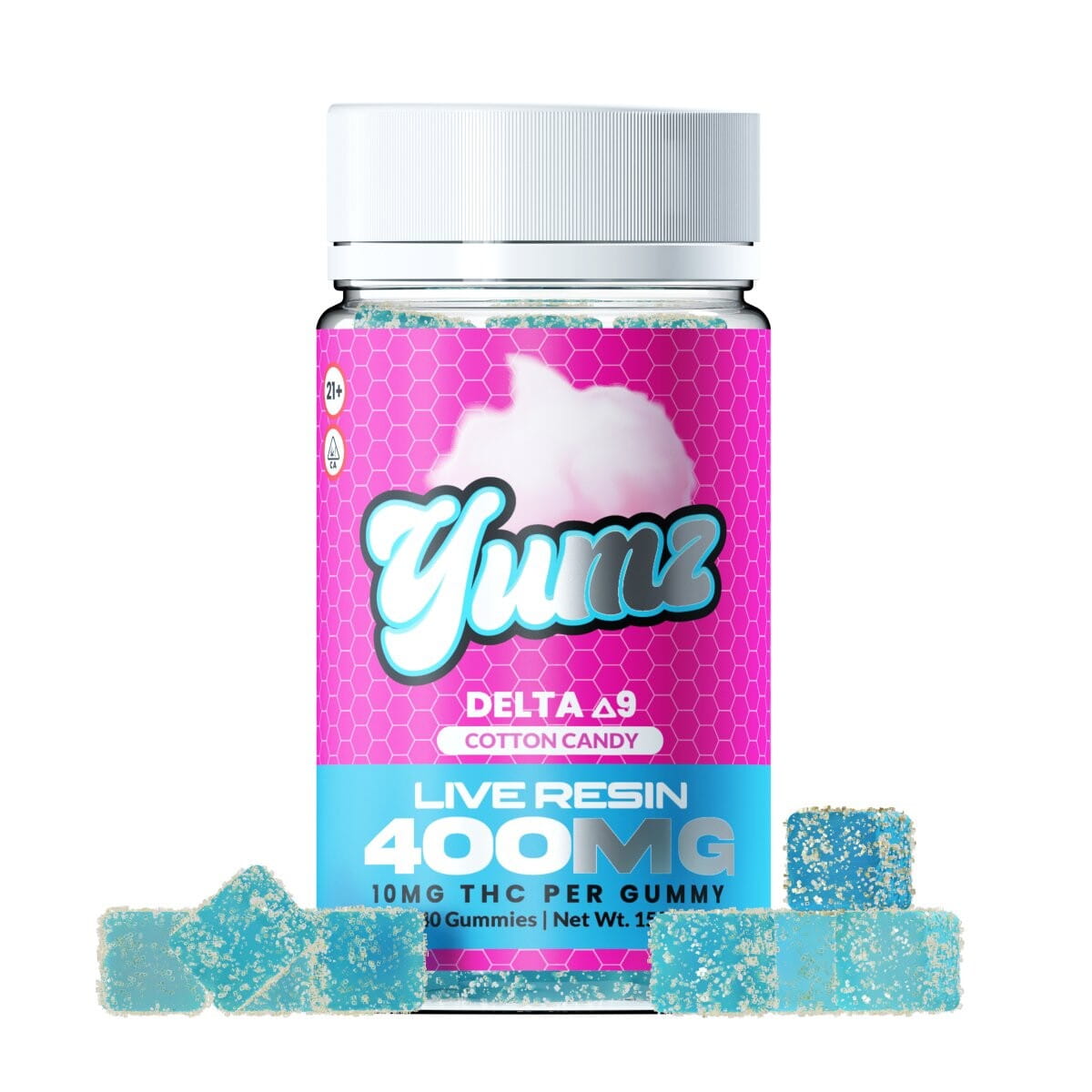

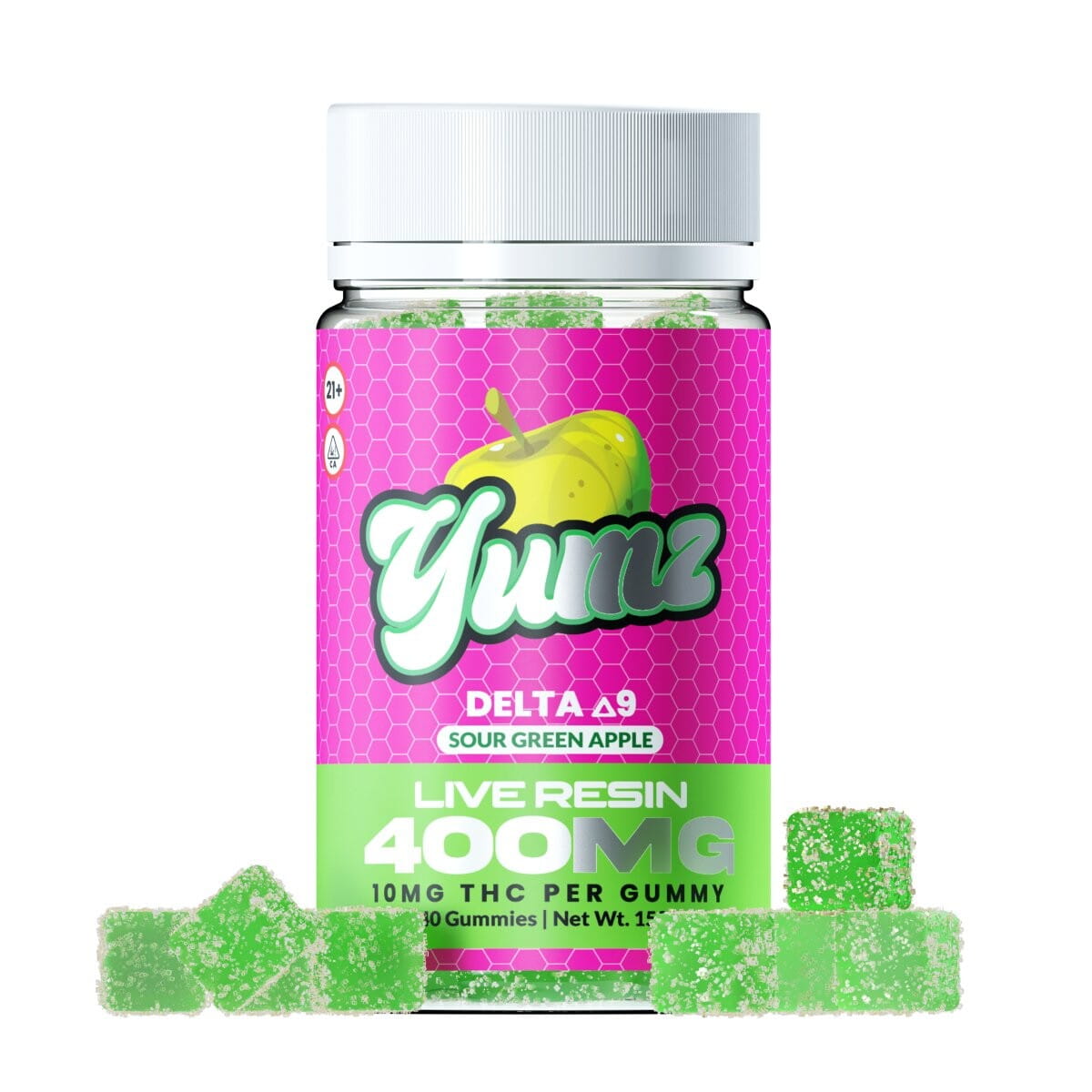
CBN: The Sleepy Cannabinoid Everyone's Talking About
CBN has earned its reputation as the "sleepy cannabinoid," and for good reason. This compound forms when THC breaks down through oxidation—which is why older cannabis flower tends to have higher CBN content and more sedative effects. While CBN research is still emerging, preliminary studies indicate it may have stronger sedative properties than other cannabinoids, particularly when combined with THC. What makes CBN special? It appears to have a unique mechanism of action. Unlike CBD, which doesn't bind strongly to cannabinoid receptors, CBN shows mild affinity for CB1 receptors in the brain—similar to THC but with much less psychoactive intensity. Some research suggests CBN may extend sleep time and reduce nighttime wakefulness, making it valuable for sleep maintenance rather than just sleep initiation. But here's where it gets interesting. CBN on its own might not be the magic bullet. Studies from major university research programs suggest that CBN's sedative effects are significantly stronger when combined with other cannabinoids and terpenes—particularly myrcene and linalool. This is precisely why sleep stacking makes so much sense. The CBN provides that heavy, drowsy feeling, while other cannabinoids handle the anxiety, pain, or racing thoughts that keep you up. Many consumers report that THC gummies formulated with CBN deliver noticeably better sleep outcomes than single-cannabinoid products.


CBD's Role: Calming the Noise Without the High
CBD brings something totally different to the sleep stacking equation. Non-intoxicating and federally legal under the 2018 Farm Bill (when derived from hemp containing less than 0.3% Delta-9 THC), CBD primarily works by reducing anxiety and promoting relaxation rather than directly causing drowsiness. Clinical trials have shown that CBD may help with sleep indirectly by addressing root causes of insomnia. A study published in The Permanente Journal found that 79.2% of patients experienced decreased anxiety scores within the first month of CBD use, and 66.7% reported improved sleep scores. CBD appears to interact with serotonin receptors, GABA receptors, and other neural pathways involved in stress response and anxiety regulation. For sleep stacking purposes, CBD serves as the foundation. It won't knock you out, but it creates the calm mental state necessary for sleep to happen naturally. Think of it as turning down the volume on that internal chatter that keeps you awake. CBD also appears to have biphasic effects—lower doses (15-30mg) may promote alertness, while higher doses (50-150mg) tend to be more relaxing. This is why dosing matters so much in sleep formulations. Another underrated benefit? CBD may help regulate your sleep-wake cycle over time rather than just being a one-night fix. Research suggests that consistent CBD use might support more balanced circadian rhythms, which means better sleep quality even on nights when you don't take it. When combined with the sedative properties of CBN and THC, CBD creates a more complete sleep solution that addresses both the psychological and physiological barriers to rest.
THC: The Controversial Sleep Aid That Actually Works
Let's talk about THC and sleep. Yes, it's the compound that gets you high, but it's also one of the most effective natural sleep aids available—when used correctly. Clinical research shows that THC can reduce the time it takes to fall asleep (sleep latency), increase total sleep time, and may even reduce nightmares in patients with PTSD. THC primarily binds to CB1 receptors in the brain, producing both psychoactive effects and sedative properties. Small doses (2.5-5mg for most people) can help you drift off without significant intoxication, especially when combined with CBN and CBD. But here's where experience matters: too much THC can actually backfire, causing anxiety, racing thoughts, or grogginess the next day. Finding your sweet spot is crucial. Under the 2018 Farm Bill provisions, hemp-derived Delta-9 THC products are federally legal as long as they contain no more than 0.3% THC by dry weight. This legal framework has opened up access to legal weed gummies that deliver effective doses of THC for sleep without requiring a medical card or dispensary access in most states. The math works out: a 10g gummy can legally contain up to 30mg of Delta-9 THC, which is more than enough for sleep purposes. One consideration: regular THC use may reduce REM sleep (the dreaming stage), which isn't necessarily bad for everyone but is worth knowing. Some users report fewer dreams or dream recall when using THC regularly. However, research also indicates that THC may increase deep sleep (slow-wave sleep), which is the most restorative sleep stage. For many people dealing with chronic insomnia, this trade-off is absolutely worth it. The key is using THC as part of a balanced cannabinoid stack rather than relying on it alone.
How to Stack: Dosing Ratios and Timing Strategies
So what's the actual formula? While individual responses vary, research and anecdotal evidence suggest some starting points. A common sleep stacking ratio looks like this: 5-10mg THC, 10-20mg CBN, and 25-50mg CBD. This combination provides THC's sleep initiation effects, CBN's sedative properties, and CBD's anxiety reduction—all working together through the entourage effect. Timing matters too. Take your sleep stack 45-90 minutes before bed, depending on the delivery method. Edibles and vegan THC gummies take longer to kick in (60-120 minutes) but last longer (6-8 hours), making them ideal for all-night sleep support. Tinctures and oils act faster (15-45 minutes) but may have shorter duration. Some people find that vaping or using a THCA disposable vape before bed provides quick relief for immediate sleep needs, though the effects wear off faster. Here's my honest take: start lower than you think you need. You can always take more tomorrow, but you can't un-take an uncomfortable dose tonight. Begin with something like 2.5mg THC, 5mg CBN, and 25mg CBD for the first few nights. Pay attention to how you feel—both when falling asleep and the next morning. Grogginess or brain fog means you went too high. Still lying awake after an hour? You need more. Keep notes for the first week or two until you dial in your personal formula. Consistency counts more than single-dose heroics. Some cannabinoids (particularly CBD) may work better with consistent daily use as they build up in your system. Consider taking your full sleep stack nightly for at least two weeks before judging effectiveness. Many users report that their sleep continues to improve over the first month as their endocannabinoid system reaches a better balance.

Safety, Legality, and What to Look For in Products
Let's get real about safety. While cannabinoids are generally well-tolerated, they're not for everyone. You shouldn't use THC-containing products if you're pregnant, breastfeeding, taking certain medications, or have a history of psychosis or severe anxiety disorders. Always consult your healthcare provider before starting any cannabinoid regimen, especially if you're on prescription medications—cannabinoids can interact with blood thinners, sedatives, and other drugs metabolized by the liver. Legality is straightforward but state-dependent. Hemp-derived products containing less than 0.3% Delta-9 THC by dry weight are federally legal under the 2018 Farm Bill. However, some states have enacted their own restrictions. Before you buy THC online, verify your state's current hemp laws. Most states allow hemp-derived cannabinoids, but a handful have specific restrictions or outright bans. Product quality is absolutely critical for sleep stacking. You need to know exactly what you're taking and in what amounts. Only purchase from brands that provide complete third-party lab testing (Certificate of Analysis or COA) for every batch. These lab reports should verify cannabinoid content, confirm the product is under the legal THC limit, and test for contaminants like pesticides, heavy metals, and residual solvents. Yumz Lab provides full transparency with accessible lab results for all products, which is exactly what you should demand from any cannabis brand. Watch out for synthetic cannabinoids and mystery formulations. Stick with naturally derived cannabinoids from hemp or cannabis. Read ingredient lists carefully—quality sleep products should contain cannabinoids, carrier oils or food-grade ingredients, and maybe natural terpenes or melatonin. If you see a bunch of chemicals you can't pronounce, that's a red flag. The best hemp-derived sleep products online keep it simple and transparent. **Important Disclaimer:** These statements have not been evaluated by the FDA. Hemp-derived cannabinoid products are not intended to diagnose, treat, cure, or prevent any disease, including insomnia or sleep disorders. Always consult with a qualified healthcare provider before using cannabinoid products, especially if you have underlying health conditions or take prescription medications.
Conclusion
Sleep stacking with CBN, CBD, and THC offers a science-backed, natural approach to tackling insomnia by addressing multiple sleep barriers simultaneously. Start with conservative doses, prioritize quality products with third-party testing, and give your body time to find its rhythm—better sleep is absolutely within reach when you stack smart.


Stay tuned to YumzLab.com for your daily dose of cannabis industry news and culture.


