



Durban Poison: Pure Sativa Energy for Focus and Productivity
If you're looking for cannabis that actually gets things done, Durban Poison is the strain that changed the game for daytime users. This legendary pure sativa from South Africa delivers clean energy, razor-sharp focus, and zero couch-lock—making it the go-to choice for cannabis enthusiasts who refuse to compromise productivity for their wellness routine.
The South African Legacy: What Makes Durban Poison Special
Durban Poison didn't come from a breeder's lab or a California greenhouse. It's a landrace strain, meaning it evolved naturally in the port city of Durban, South Africa, over centuries of adaptation to that specific climate and soil. In the 1970s, cannabis breeder Ed Rosenthal brought seeds back to the United States, and American cultivator Mel Frank stabilized the genetics for indoor growing. The result? One of the purest sativa experiences you can find. What sets Durban Poison apart from hybrid-heavy modern genetics is its untouched lineage. While most strains today are complex crosses of multiple genetics, Durban Poison remains true to its roots—100% sativa with no indica influence whatsoever. This genetic purity translates to consistent, predictable effects that sativa lovers can count on. The strain typically tests between 15-25% THC, though some phenotypes push even higher with proper cultivation. Here's what makes this strain legendary: it's been the parent genetics for countless popular strains including Girl Scout Cookies and Cherry Pie. But honestly, the original often outshines its descendants when you're after that pure, uplifting sativa buzz. The plant itself grows tall and lanky with chunky, resin-covered buds that smell like sweet licorice and pine. Flowering time runs about 8-9 weeks, relatively quick for a pure sativa, which made it attractive for both commercial growers and home cultivators throughout the 1980s and 90s.
The Experience: Why Users Choose Durban Poison for Daytime
Let's talk about what really matters—how Durban Poison actually feels. Users consistently report an immediate cerebral rush that hits within minutes of consumption. Your thoughts become clearer, not cloudier. Creativity flows. Tasks that felt overwhelming suddenly seem manageable. This isn't the giggly, spacey high of some sativas—it's focused, functional energy that keeps you engaged with whatever you're doing. The effects typically last 2-3 hours, making it perfect for a morning session or midday reset. You won't find yourself fighting through brain fog or reaching for caffeine to compensate. Many cannabis enthusiasts compare the experience to a strong cup of coffee, but without the jitters or anxiety that caffeine can trigger in sensitive individuals. Research from patient surveys indicates that sativa-dominant strains are preferred by approximately 60% of daytime cannabis users specifically for their energizing and focus-enhancing properties. What about the comedown? That's where Durban Poison really shines. There's no crash, no sudden wall of fatigue that ruins your afternoon. The effects gradually taper off, leaving you feeling normal—not depleted. This makes it absolutely perfect for professionals, artists, students, or anyone who needs to maintain productivity while incorporating cannabis into their wellness routine. Some users report mild appetite stimulation, but nothing like the intense munchies associated with indica strains. One thing to watch: if you're prone to anxiety or have a low THC tolerance, start slow with this strain. That energizing effect can tip into overstimulation if you overdo it. But for most users, especially those with some cannabis experience, Durban Poison hits the sweet spot between therapeutic and functional.


The Science: Terpene Profile and Cannabinoid Content
The magic of Durban Poison isn't just about THC content—it's about the complete chemical profile working together. This strain is typically dominated by terpinolene, a terpene that's actually relatively rare as a primary terpene in cannabis. Terpinolene contributes fresh, piney, and slightly floral notes, and research published in peer-reviewed journals suggests it may have uplifting and potentially anti-anxiety properties when combined with cannabinoids. Beyond terpinolene, you'll find myrcene (which can be sedating in high amounts but appears in lower concentrations here), ocimene (sweet and herbaceous), and beta-caryophyllene (peppery and potentially anti-inflammatory). This specific combination creates what cannabis scientists call the "entourage effect"—where cannabinoids and terpenes work synergistically to produce effects greater than any single compound could achieve alone. The cannabinoid profile is straightforward: high THC (15-25% on average), negligible CBD (typically under 1%), and trace amounts of other minor cannabinoids like CBG and THCV. Some phenotypes of Durban Poison actually show elevated THCV levels, which is significant because THCV is known for providing energy and appetite suppression—exactly the opposite of typical THC effects. This might partially explain why Durban Poison feels so different from other high-THC strains. For those exploring legal hemp alternatives, understanding this terpene profile is crucial. When you're shopping for THCA flower or other hemp products, looking for similar terpene ratios can help you find that energizing sativa experience within federal legal limits. THCA converts to THC when heated, offering effects nearly identical to traditional cannabis while remaining compliant with the 2018 Farm Bill provisions that legalized hemp-derived products containing less than 0.3% Delta-9 THC by dry weight.
Medical and Wellness Applications: Beyond Recreation
While Durban Poison has earned its reputation in recreational circles, medical cannabis patients and wellness-focused users have discovered significant therapeutic applications. The strain's energizing properties make it particularly valuable for managing fatigue-related conditions. Patients dealing with chronic fatigue syndrome, depression, or the exhausting side effects of certain medical treatments often report that sativa strains like Durban Poison help them maintain daily function without pharmaceutical stimulants. For mental health applications, the picture is more complex. Some users with depression and ADHD report that Durban Poison helps them focus and maintain motivation throughout the day. The strain's ability to promote mental clarity without sedation can be genuinely life-changing for people who struggle with focus and executive function. However, it's critical to note that individuals with anxiety disorders or panic conditions should approach high-THC sativas with caution, as the stimulating effects can sometimes worsen anxiety symptoms in susceptible individuals. Clinical observations suggest that the strain may also help with pain management, particularly when pain is accompanied by fatigue or depression. Unlike indica-dominant strains that provide pain relief through heavy sedation, Durban Poison allows patients to address discomfort while remaining active and engaged. Some users report success using it for migraines, arthritis, and neuropathic pain, though individual responses vary significantly. These statements have not been evaluated by the FDA, and cannabis products are not intended to diagnose, treat, cure, or prevent any disease. Always consult with a qualified healthcare provider before using cannabis for medical purposes, especially if you're taking other medications or have underlying health conditions. The interaction between cannabis and prescription medications can be complex, and professional medical guidance is essential for safe, effective use.
Finding Similar Experiences in Legal Hemp Products
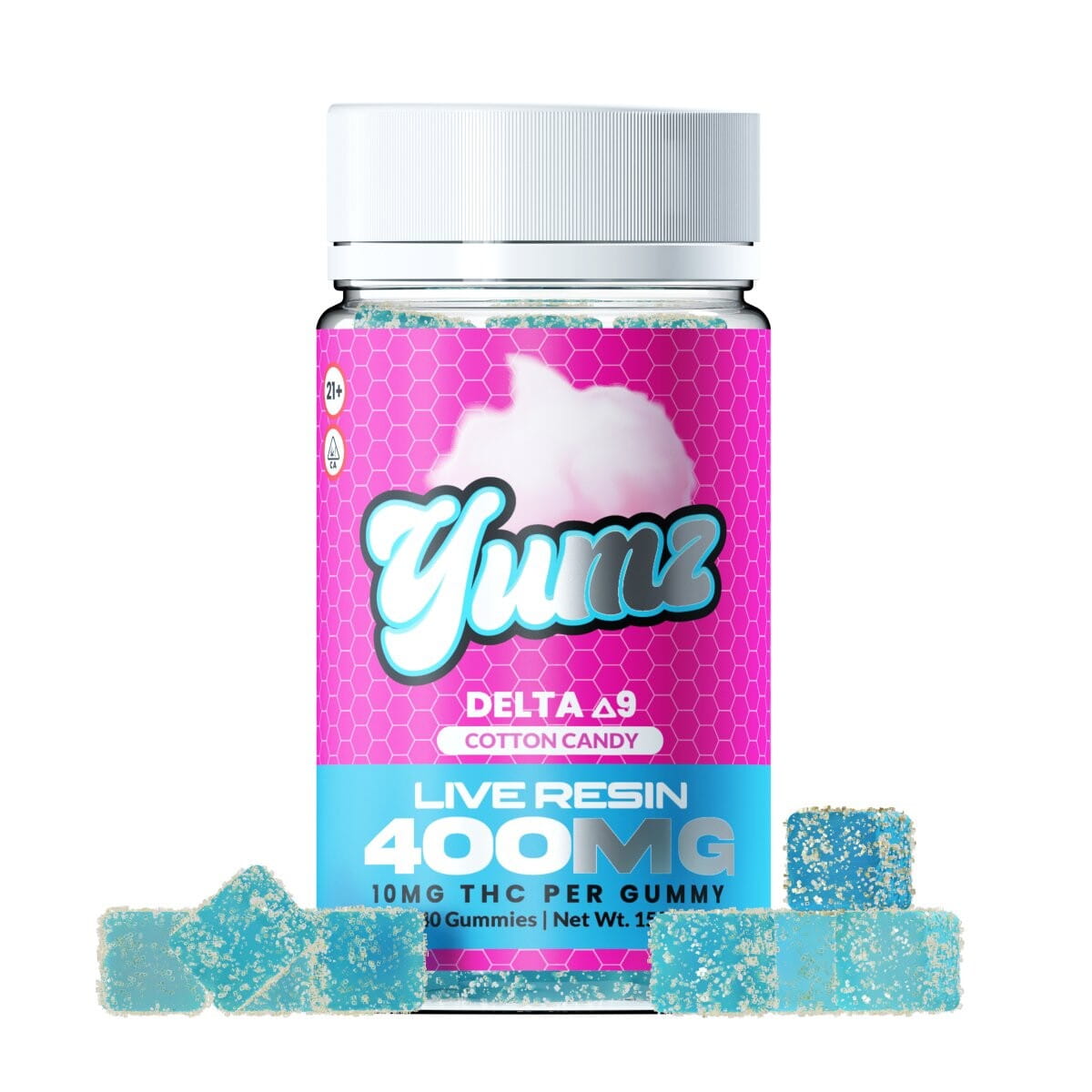
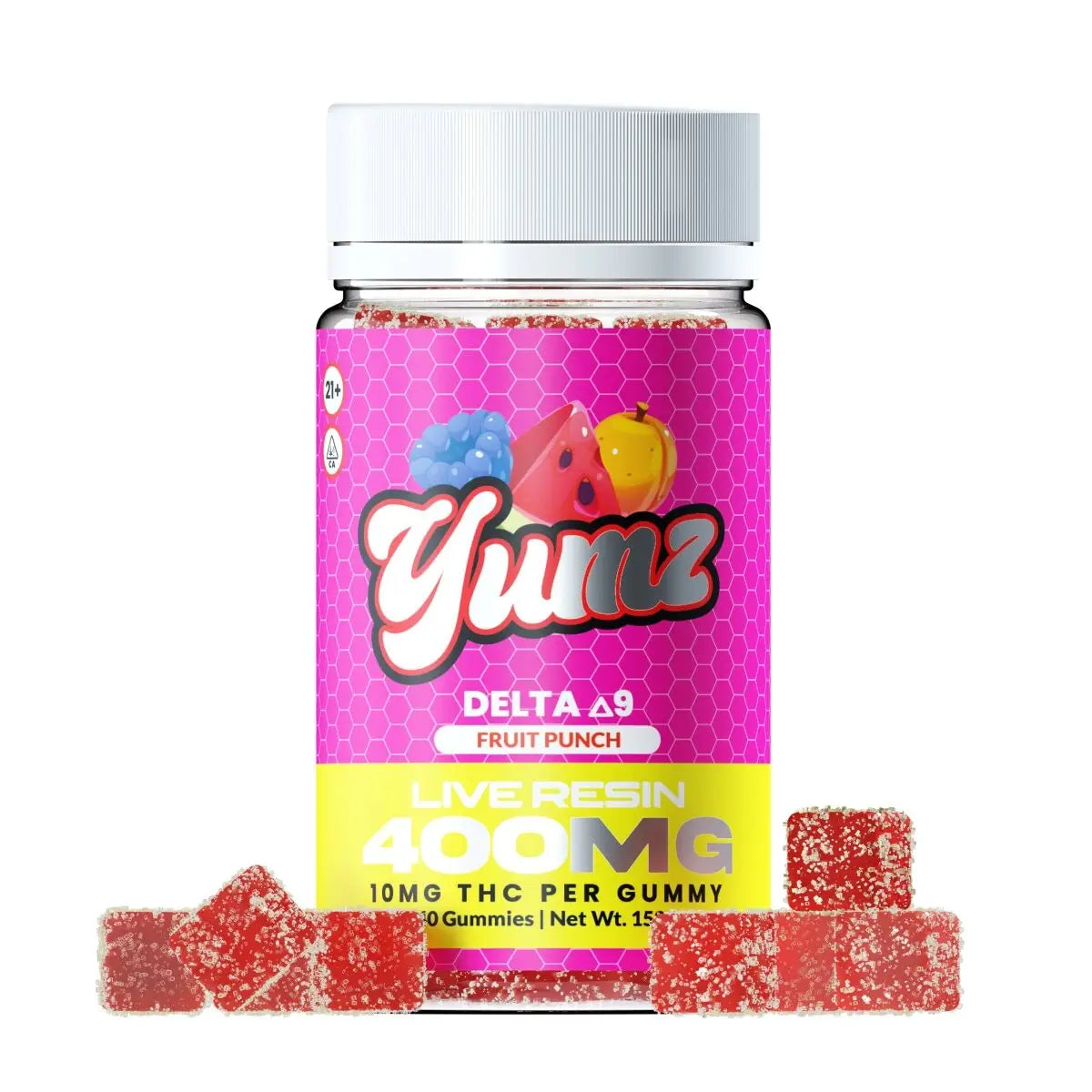
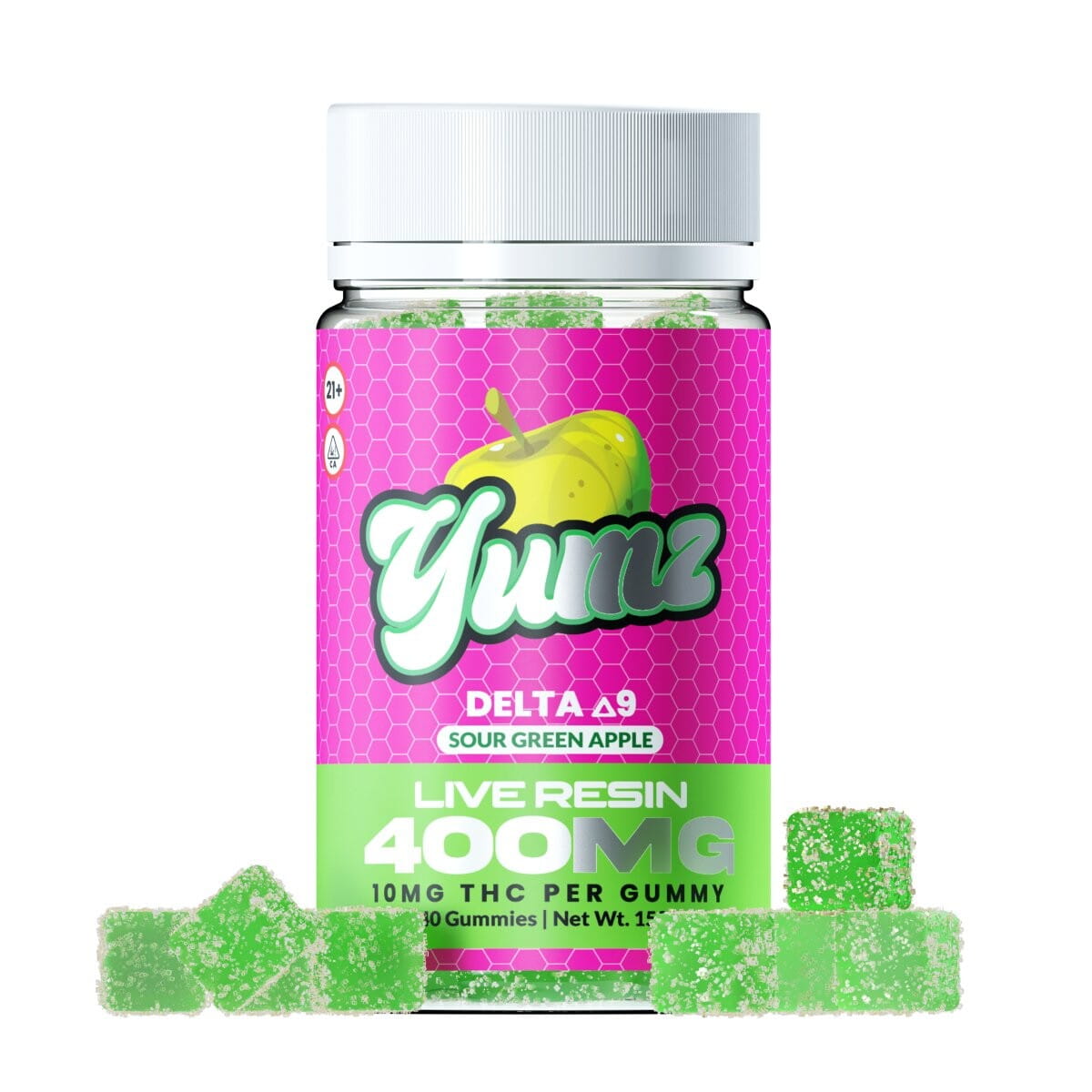
So you're sold on the Durban Poison experience, but you live in a state where traditional cannabis isn't legal yet. Here's the good news: the explosion of legal hemp products means you can find remarkably similar effects without visiting a dispensary. The key is understanding what to look for and where to find quality products. First, consider hemp-derived THCA products. THCA (tetrahydrocannabinolic acid) is the precursor to THC found in raw cannabis plants. When you heat it through smoking, vaping, or cooking, THCA converts to THC through a process called decarboxylation. Since THCA itself isn't psychoactive and meets federal hemp requirements, you can legally purchase premium hemp flower that delivers effects virtually identical to traditional cannabis. Look for sativa-dominant strains with terpinolene-heavy profiles to match that Durban Poison energy. For those who prefer not to smoke, THC gummies made from hemp-derived Delta-9 THC offer a legal, convenient alternative. The 2018 Farm Bill legalized hemp products containing less than 0.3% Delta-9 THC by dry weight, which means a 10mg gummy derived from hemp extract is federally legal. The effects take longer to kick in (45-90 minutes) compared to smoking, but they last longer too—perfect for all-day productivity. Vaping provides the fastest onset and most control over dosing. THCA disposable vapes deliver that instant cerebral rush Durban Poison is known for, and they're incredibly discreet for on-the-go use. Just remember that quality matters tremendously in the hemp space—you want products with third-party lab testing (Certificates of Analysis) that verify cannabinoid content and confirm the absence of heavy metals, pesticides, and residual solvents. At Yumz Lab, we've built our reputation on providing exactly these kinds of products: lab-tested, hemp-derived cannabinoids that deliver real effects without the legal complications. Whether you're looking for the best sativa THCA strains for daytime energy or exploring other consumption methods, the legal hemp market now offers options that would've been unimaginable just a few years ago.

Consumption Methods and Dosing Recommendations
How you consume Durban Poison—or similar sativa strains—dramatically affects your experience. Smoking flower remains the classic method, offering immediate effects and easy dose control. You feel the impact within minutes, which lets you adjust your intake in real-time. One or two hits might be perfect for focus, while a full bowl delivers more pronounced effects. The downside? Smoking can be harsh on lungs, and the smell isn't always practical for discreet use. Vaporizing has become increasingly popular, and for good reason. Whether you're using a dry herb vaporizer with actual flower or consuming THCA vape carts, vaping heats cannabis to temperatures that release cannabinoids and terpenes without combustion. This preserves more of those valuable terpenes we discussed earlier, potentially delivering a more complete entourage effect. Plus, it's gentler on your respiratory system and produces less odor than smoking. Edibles present a different experience entirely. When you consume cannabis orally, your liver converts THC to 11-hydroxy-THC, a more potent metabolite that produces stronger, longer-lasting effects. For Durban Poison specifically, this means the energizing sativa qualities might feel more intense and last 4-6 hours instead of 2-3. Start with a low dose (5-10mg for beginners, 10-20mg for experienced users) and wait at least 90 minutes before considering more. Edibles are unforgiving if you overdo it. Dosing considerations depend heavily on your tolerance and experience. New users should start with one small hit or a 5mg edible and wait to assess effects. Experienced cannabis consumers might find their sweet spot at 15-25mg or several inhalations. Remember that sativa strains like Durban Poison can feel more intense than indica varieties at the same THC percentage due to their stimulating terpene profiles. When in doubt, go low and slow—you can always consume more, but you can't take it back once it's in your system.
Conclusion
Durban Poison remains the gold standard for functional, energizing cannabis experiences—and now you understand exactly why. Whether you're accessing it through traditional dispensaries or exploring legal hemp alternatives like high-quality THCA flower and hemp-derived edibles, that pure sativa energy is more available than ever. Start low, pay attention to how your body responds, and don't be afraid to experiment with different consumption methods until you find what works for your lifestyle and wellness goals.
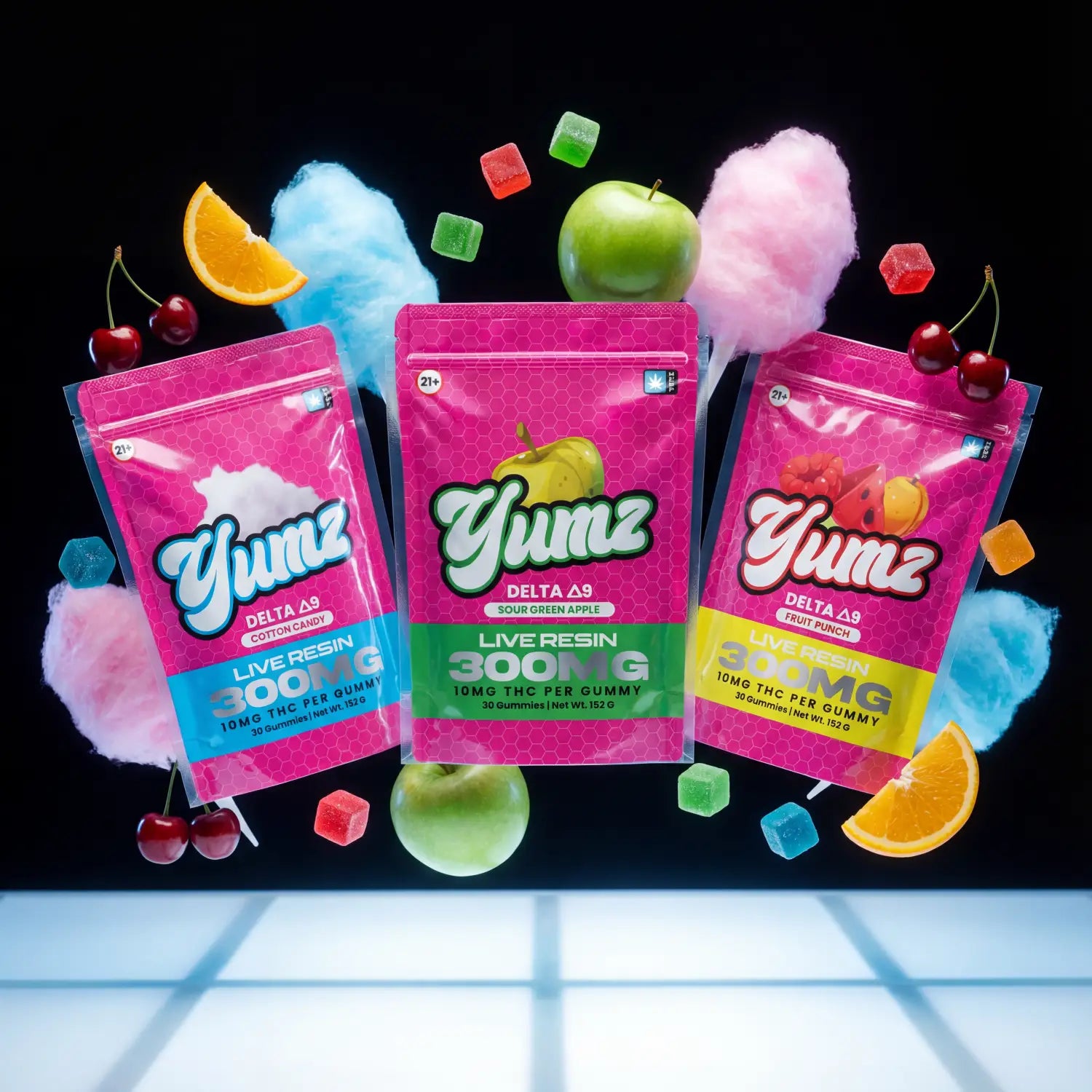
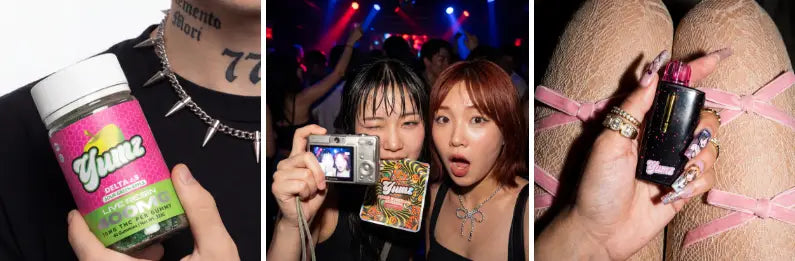
Stay tuned to YumzLab.com for your daily dose of cannabis industry news and culture.


