



Delta-8 vs Delta-9 vs THCA: The Molecular Shell Game Explained
Walk into any hemp shop or browse online, and you'll see Delta-8, Delta-9, and THCA products everywhere—all claiming to be legal, all promising different experiences. It's like a molecular shell game where consumers are left guessing which cannabinoid does what and why some are legal while others aren't. Let's cut through the confusion and break down what these cannabinoids actually are, how they differ, and why the legal landscape around them is so damn complicated.
The Chemistry Lesson Nobody Asked For (But Everyone Needs)
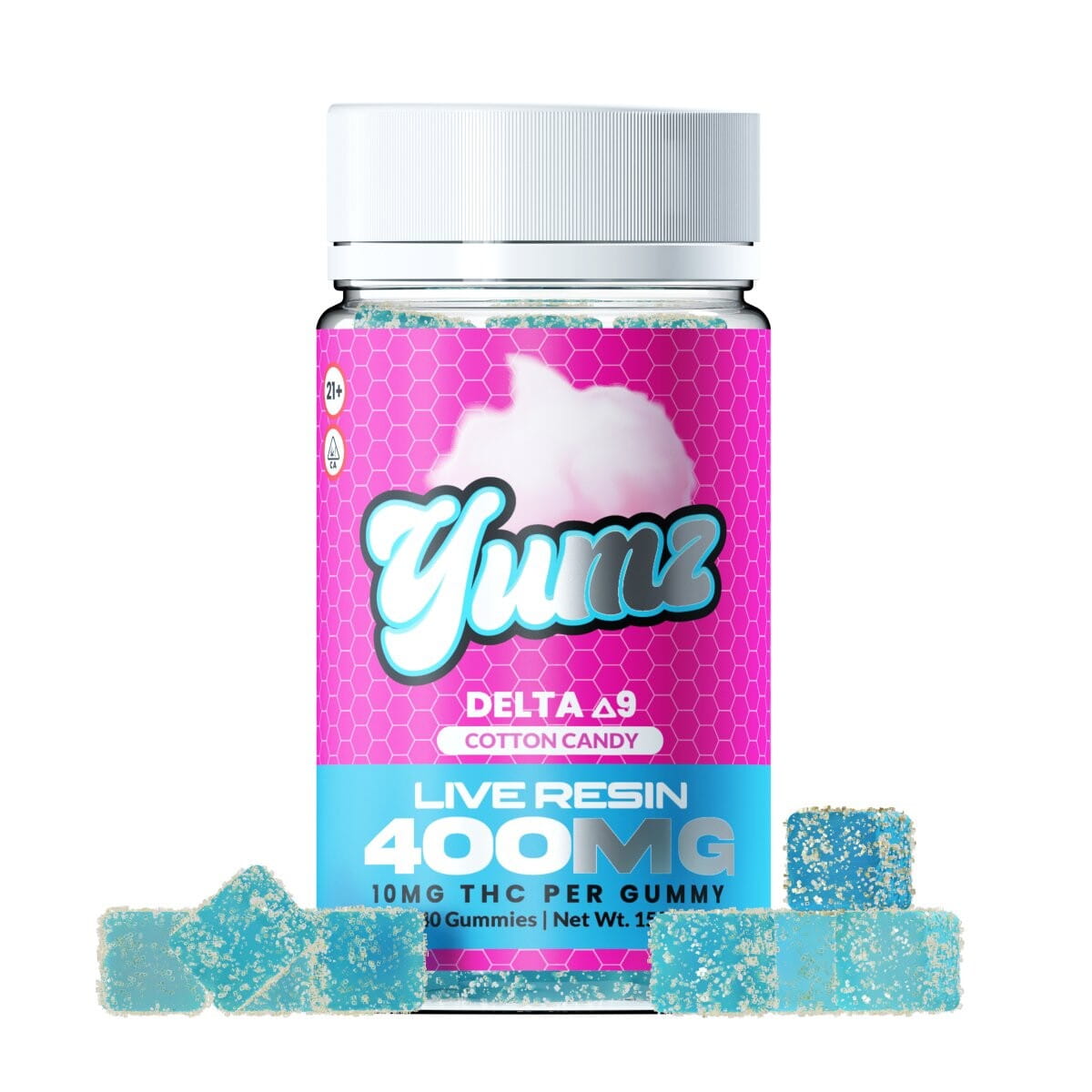
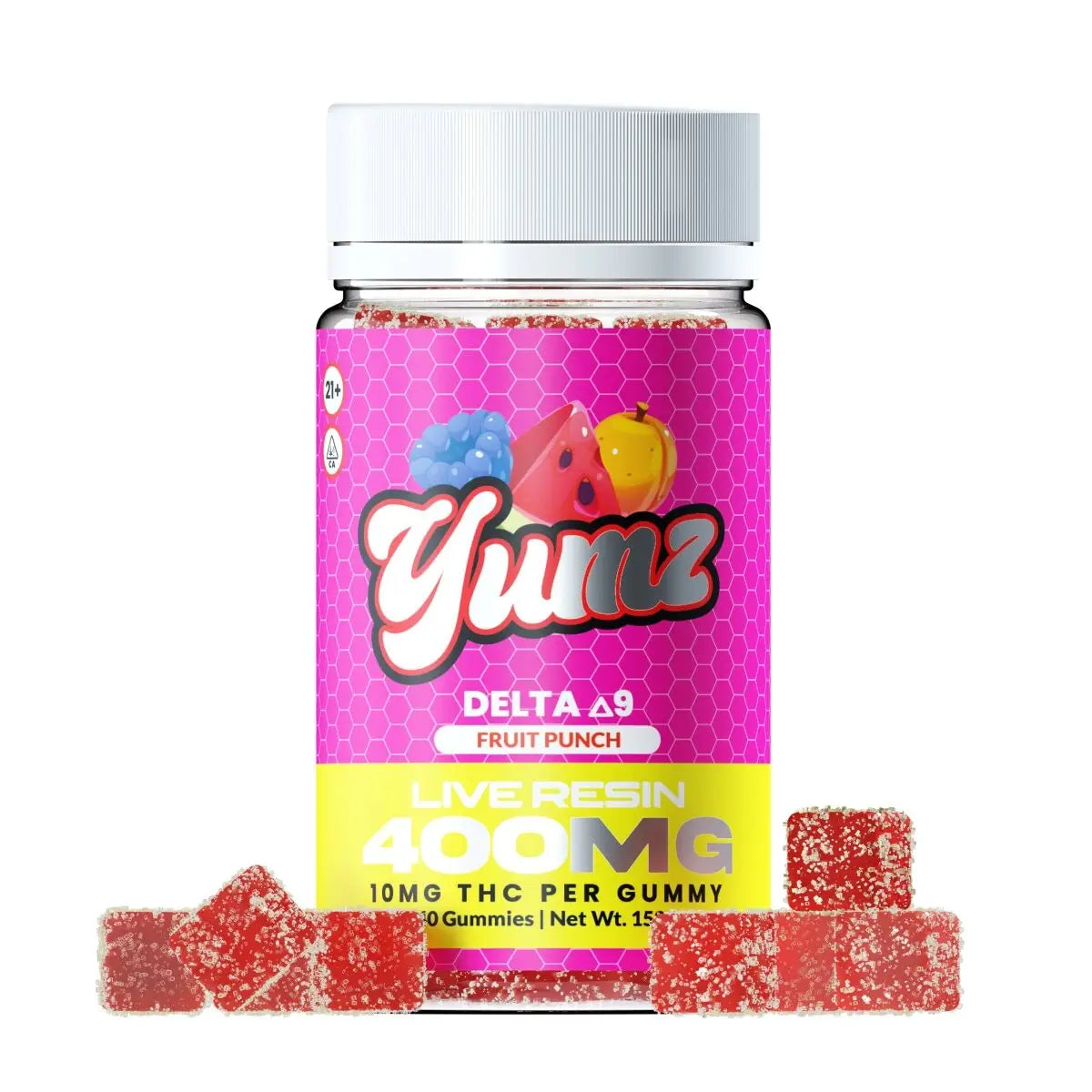
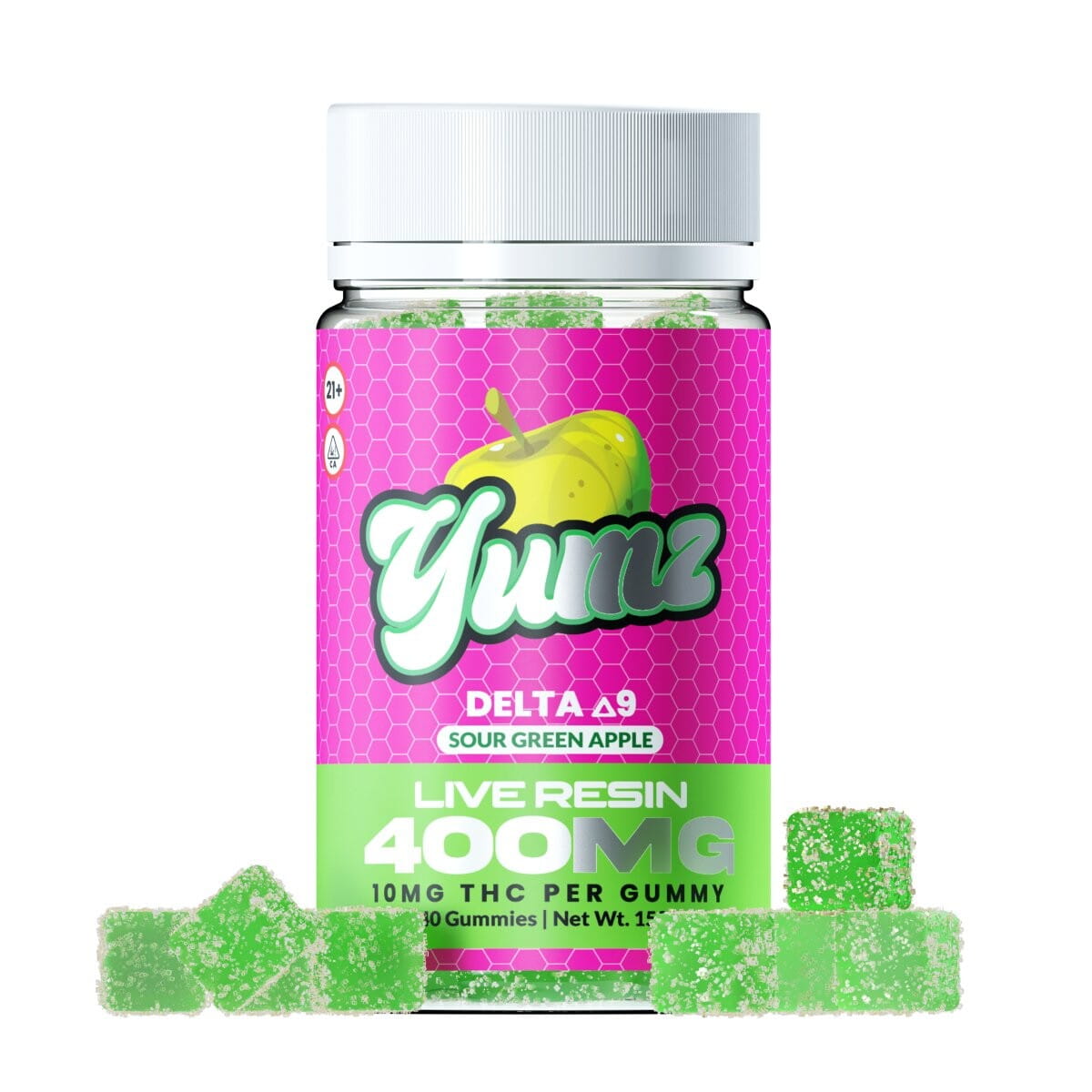
Here's the thing: Delta-8 THC, Delta-9 THC, and THCA are all cannabinoids found in cannabis plants, but they're not the same molecule. Not even close. Delta-9 THC is what most people think of as "regular THC"—the primary psychoactive compound in marijuana that's been getting people high since, well, forever. It binds strongly to CB1 receptors in your brain and central nervous system, creating that classic cannabis experience. Delta-8 THC is Delta-9's quirky cousin. Chemically, they're almost identical—the difference is literally just where a double bond sits on the carbon chain (eighth position for Delta-8, ninth position for Delta-9). That tiny molecular shift changes everything. Research suggests Delta-8 produces a milder, less anxiety-inducing high than Delta-9, though studies are still emerging. Most Delta-8 products on the market are synthesized from CBD extracted from hemp, which is where things get legally interesting. THCA (tetrahydrocannabinolic acid) is the wild card in this game. It's the raw, non-psychoactive precursor to Delta-9 THC that exists in living cannabis plants. THCA doesn't get you high. Period. But apply heat—through smoking, vaping, or cooking—and THCA converts to Delta-9 THC through a process called decarboxylation. This is why raw cannabis won't do anything if you eat it straight, but THCA flower becomes psychoactive the moment you light it up. The conversion rate is typically around 87.7%, meaning 1 gram of THCA becomes roughly 0.877 grams of Delta-9 THC when heated.
The Legal Shell Game: Why These Products Exist
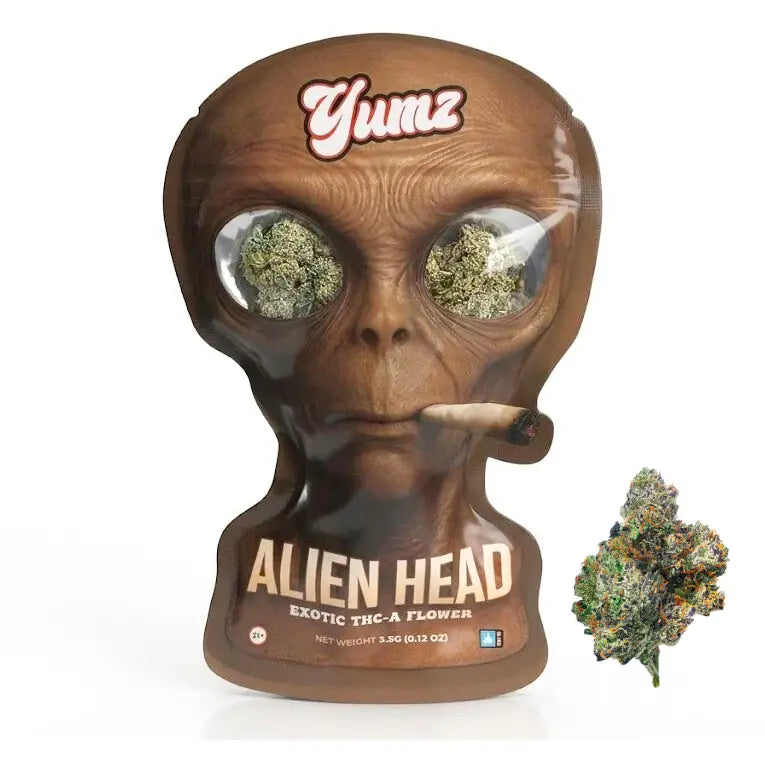
This is where things get spicy. The 2018 Farm Bill federally legalized hemp, defined as cannabis containing no more than 0.3% Delta-9 THC by dry weight. That one sentence created a massive legal gray area that the cannabis industry drove a truck through. Delta-8 and THCA products exist specifically because of this loophole. Delta-8 manufacturers argue their products are legal because they're derived from hemp-sourced CBD, not marijuana. The DEA has issued guidance suggesting synthetic cannabinoids are still controlled substances, but enforcement has been inconsistent. Some states have explicitly banned Delta-8 (including Alaska, Colorado, Delaware, and others), while it remains available in many others. It's a state-by-state patchwork that changes constantly. THCA is even more interesting from a legal standpoint. Because the 2018 Farm Bill specifically limits Delta-9 THC content, not THCA, hemp flower can be bred to contain massive amounts of THCA (often 20-30% by weight) while technically staying under the 0.3% Delta-9 threshold in its raw form. Once you heat that flower, you're essentially smoking marijuana-strength cannabis that started as legal hemp. Several states have caught on and updated their laws to include "total THC" (THCA + Delta-9), but federal law hasn't changed yet. Honestly, this is both brilliant and messy. Hemp farmers and retailers found a way to offer cannabis experiences in places where marijuana remains illegal, but the lack of clear federal guidance creates confusion and potential legal risk. And here's a hot take: the legal gymnastics around these cannabinoids actually help normalize cannabis consumption and push us closer to full federal legalization.

Effects and Experience: How They Actually Feel
Let's talk about what matters to consumers: how do these cannabinoids actually feel? Delta-9 THC is the standard everyone compares against. It produces the classic cannabis high—euphoria, relaxation, altered perception, increased appetite, and sometimes anxiety or paranoia at higher doses. The effects typically kick in within 5-15 minutes when smoked or vaped, or 30-90 minutes with THC gummies and other edibles. Intensity and duration vary based on dose, tolerance, and consumption method. Delta-8 is often described as "weed lite." Users report a clearer, more functional high with less anxiety and paranoia than Delta-9. Anecdotal evidence suggests it's about 50-70% as potent as Delta-9, though individual experiences vary widely. Some consumers love Delta-8 for daytime use or situations where they want mild relaxation without getting too blasted. Others find it underwhelming. The milder effects might be due to Delta-8's slightly lower binding affinity for CB1 receptors, though more research is needed to fully understand the mechanism. THCA in its raw form produces no psychoactive effects at all. Some preliminary research suggests raw THCA may have anti-inflammatory and neuroprotective properties, but these claims need more clinical study. The real story happens when you heat THCA—it converts to Delta-9 and produces identical effects. Smoking or vaping high-quality premium hemp flower with 25% THCA content is functionally identical to smoking marijuana with 25% Delta-9 THC. Same high, same duration, same everything. It's worth noting that individual cannabinoid tolerance, body chemistry, and the presence of other compounds (terpenes, minor cannabinoids) all influence the experience. Two people can take the same dose and have completely different reactions.
Safety, Testing, and Quality Control Concerns
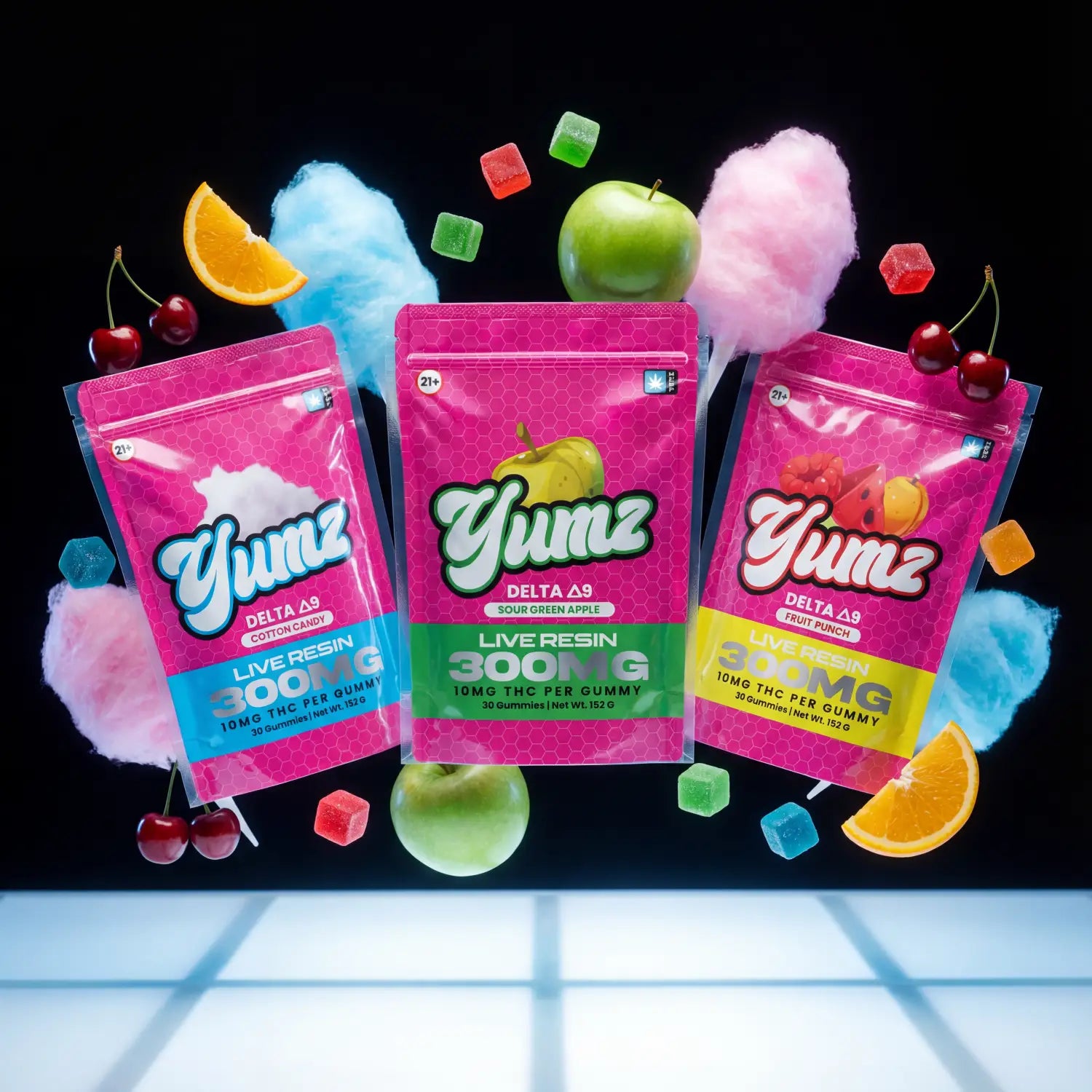
Here's where consumers need to pay serious attention. The regulatory vacuum around Delta-8 and THCA products creates real quality control issues. Unlike state-licensed marijuana dispensaries that must comply with strict testing requirements, hemp-derived products often face less oversight. Delta-8 production is particularly concerning. Most Delta-8 is synthesized from CBD using chemical processes that can leave behind potentially harmful residues if not done properly. Reports have found products contaminated with heavy metals, residual solvents, and unlabeled cannabinoids. A 2022 study published in the Journal of Cannabis Research tested 27 Delta-8 products and found significant variation in labeled versus actual cannabinoid content, with some containing illegal amounts of Delta-9 THC. THCA products generally have fewer safety concerns since they're extracted directly from hemp flower rather than synthesized. But quality still varies dramatically. Reputable vendors provide third-party lab testing (Certificates of Analysis or COAs) showing cannabinoid content, terpene profiles, and screening for pesticides, heavy metals, and microbial contaminants. Here's the bottom line: only buy from vendors who provide recent, third-party lab results for every batch. If a company doesn't offer COAs, walk away. The best products come from brands that treat testing as a baseline expectation, not a marketing gimmick. Yumz Lab provides full lab testing on all products because this stuff actually matters—your safety isn't negotiable.

Choosing the Right Cannabinoid for Your Needs
So which one should you choose? It depends entirely on what you're looking for and where you live. If you're in a legal marijuana state and want the full cannabis experience, Delta-9 products from licensed dispensaries offer the most variety, quality control, and potency options. You'll find everything from low-dose edibles to high-potency concentrates with predictable effects. If marijuana is illegal in your state but you want a milder cannabis experience, Delta-8 might be worth trying—assuming it's legal where you are. Start with low doses (5-10mg for edibles) and buy only from vendors with solid reputations and third-party testing. The effects are more subtle, making Delta-8 potentially better for beginners or those sensitive to Delta-9's intensity. THCA products offer the closest thing to traditional marijuana in places where weed is still illegal. When you smoke or vape THCA flower or use THCA disposable vape pens, you're getting a full-strength cannabis experience. This makes THCA ideal for experienced consumers who know what they want but live in prohibition states. Just remember that once heated, THCA becomes Delta-9, so treat it with the same respect. Consumption method matters too. Smoking and vaping offer faster onset and easier dose control. Edibles provide longer-lasting effects but take longer to kick in and can be harder to dose accurately. THCA vape carts and other vaporizer options offer a middle ground—relatively fast onset with less harshness than smoking. One more thing: always start low and go slow, regardless of which cannabinoid you choose. You can always take more, but you can't untake what you've already consumed. And if you're new to cannabinoids or looking for the best legal THC products for your situation, do your research and ask questions before buying.
Conclusion
The shell game between Delta-8, Delta-9, and THCA isn't about deception—it's about chemistry, law, and consumer choice in a rapidly changing industry. Each cannabinoid offers different experiences and legal status, and understanding those differences helps you make informed decisions. As regulations continue to shift and research expands, staying educated is your best protection. Whether you're exploring these cannabinoids for wellness, recreation, or curiosity, choose quality products from trusted sources and always respect your local laws.
Stay tuned to YumzLab.com for your daily dose of cannabis industry news and culture.


