



Why ‘Craft Cannabis’ Has Fallen Short: Big Policy Favoring Big Cannabis
For over a decade, the U.S. cannabis industry was expected to be a haven for small, craft producers. Yet, reality has sided with large corporations. This shift profoundly affects the diversity and quality of cannabis products, including hemp and THC offerings.
Tracing the Origins: The Hopes for a Craft Cannabis Industry
The buzz around cannabis legalization initially brought hope for a vibrant craft cannabis sector, spotlighting small growers and unique local brands. These early expectations were fueled by visions of boutique-style cultivation, diverse strains, and artisanal products that would stand apart from mass-produced offerings. This narrative leveraged the idea that cannabis could emulate craft beer’s success — where individuality and quality craftsmanship attract loyal enthusiasts. However, as legalization advanced state-by-state, policy frameworks frequently favored large multi-state operators (MSOs) with their deep pockets and industrial-scale operations. Smaller players found it difficult to compete against big companies benefiting from easier access to capital, vertically integrated licensing, and economies of scale. This systemic preference stunted the growth of a truly decentralized cannabis market. While consumers increasingly seek premium products like THCA flower or THC gummies, the infrastructure often skews toward commodity-style products rather than craft varieties.
How Policy Choices Tilt the Playing Field toward Big Corporations
A key reason craft cannabis hasn’t flourished is policy design. Regulations in many states impose costly licensing fees, stringent compliance mandates, and extensive testing requirements. While these rules aim to ensure consumer safety and product quality—critical goals—they also create high financial barriers that favor well-funded companies. Additionally, limits on licenses per entity and restrictions on vertical integration have paradoxically encouraged market consolidation. Instead of supporting numerous small farms and boutique businesses, regulations often drive acquisitions and mergers. Large companies gain from streamlined supply chains and broader retail reach, leaving small growers fighting for survival. To make matters more complex, the federal stance on cannabis remains unclear. While hemp-derived products containing less than 0.3% Delta-9 THC are federally legal under the 2018 Farm Bill, marijuana products vary widely by state law. This disconnect adds layers of legal risk and uncertainty, disproportionately affecting smaller operators less equipped to navigate the complexities. These hurdles also affect the diversity of available products, including the quality spectrum seen in THCA disposable vape and THCA vape carts markets.


What This Means for Cannabis Consumers: Quality, Variety, and Access
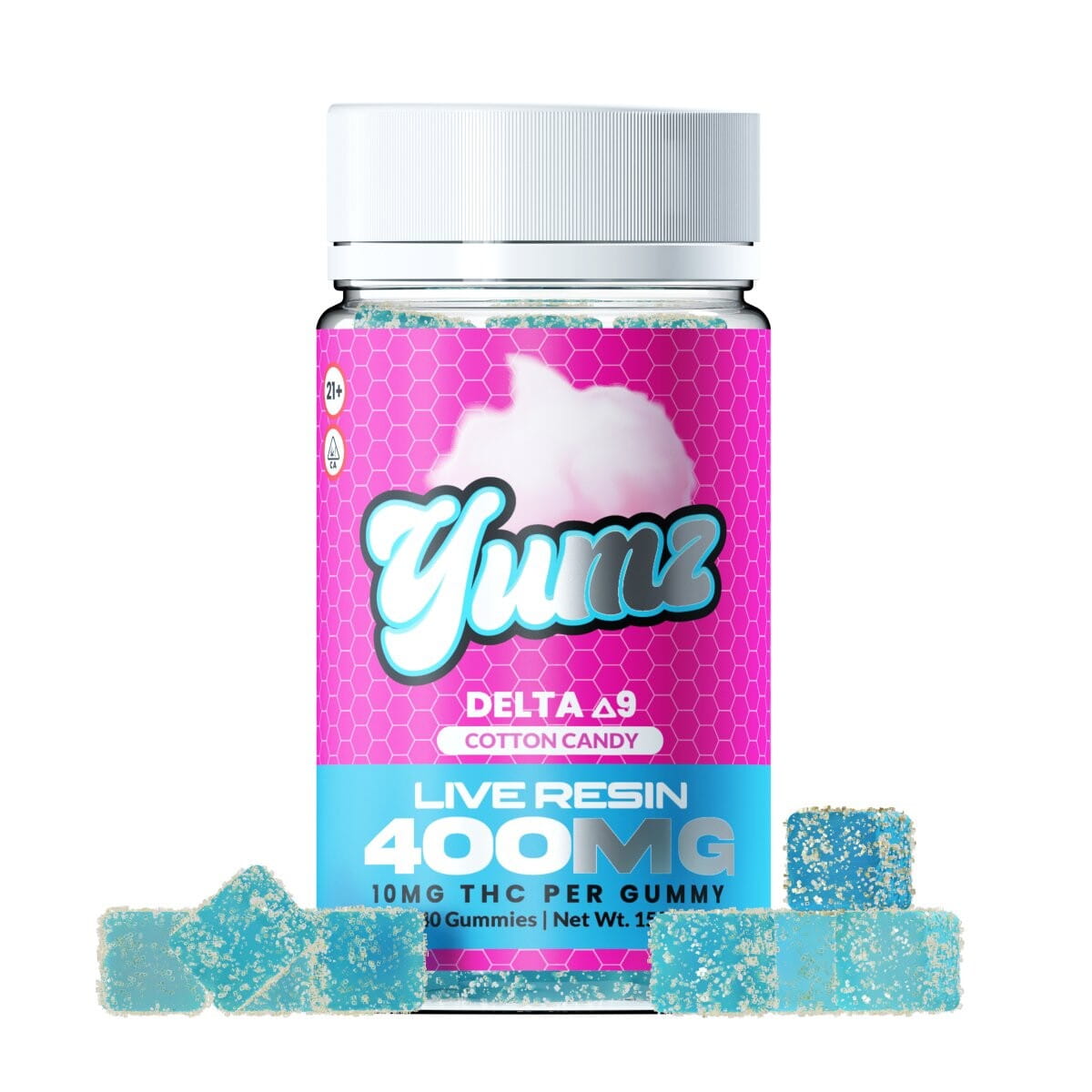
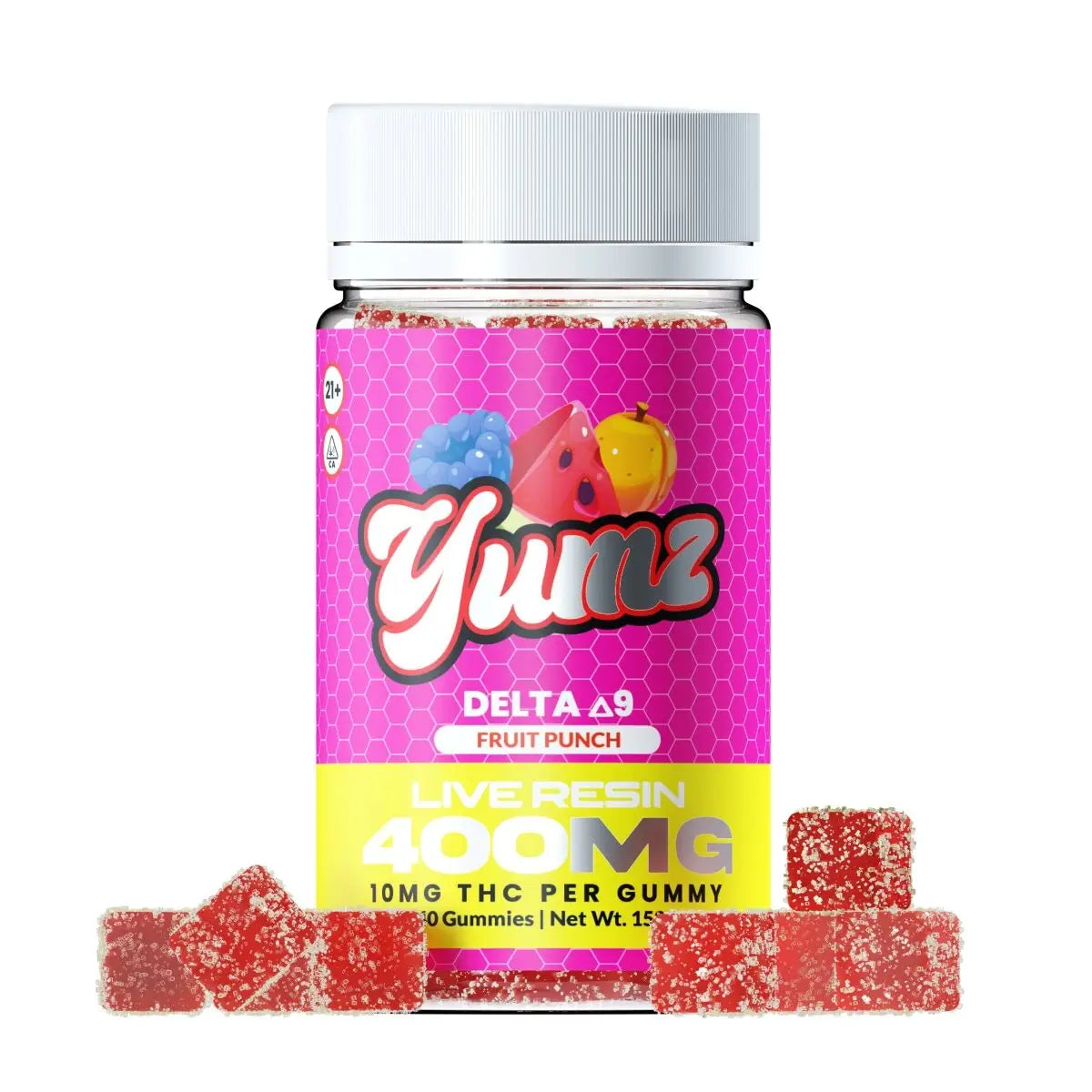
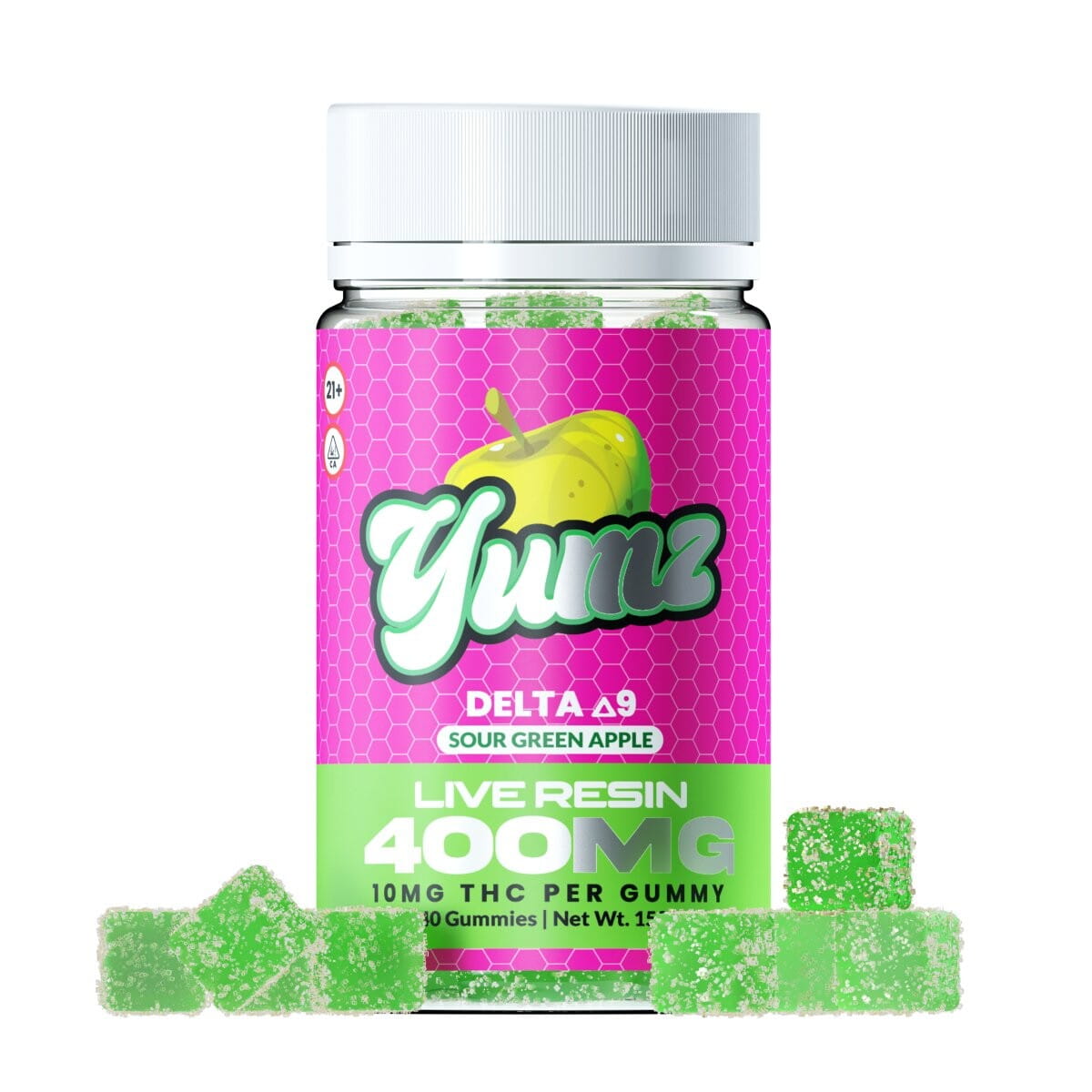
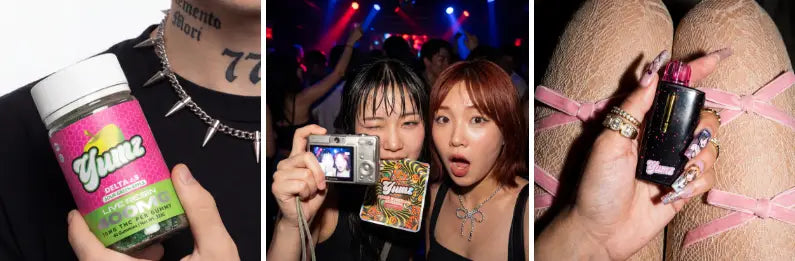
You might wonder, so what does this all mean in real terms for people who love cannabis? For starters, the promise of diverse, small-batch strains crafted by passionate growers is fading. The dominance of big players tends to standardize products, focusing on consistent volume and shelf life over unique flavor profiles or potency variations. This dynamic affects access to premium hemp and marijuana products. While the market offers numerous options, the rare, exotic varieties and high potency flower prized by connoisseurs can be harder to find. For example, if you’re searching for truly unique exotic THCA strains or vegan THC gummies crafted with care, the selection might not be as rich as initially hoped. Nonetheless, wellness-focused consumers can still benefit from carefully crafted hemp-derived products tested for quality and safety. Understanding the regulations behind these goods helps you spot trusted brands and avoid low-quality alternatives. Yumz Lab, for example, emphasizes certified lab testing and purity, ensuring you get top-shelf products whether you want legal weed gummies or clean weed pens. This transparency is key as the market matures.
Industry Impact: Big Cannabis Growth and the Future of Small Growers
From a business perspective, the cannabis industry is booming along lines favoring scale and integration. Large multi-state operators dominate cultivation, processing, and retail distribution, driving prices down and shaping consumer expectations. This trend promises steady product availability but risks eroding the cultural and artisanal roots foundational to cannabis enthusiasm. Small growers and craft brands face critical choices—either compete in niche markets by emphasizing quality and uniqueness or struggle within regulatory frameworks tilted heavily toward big companies. Some are exploring direct-to-consumer models or online channels, but this requires marketing savvy and capital. Meanwhile, innovations in hemp cultivation and cannabinoid extraction keep opening fresh paths. For instance, products made with isolated cannabinoids like CBD, THCA, or novel formulations in vape cartridges offer new ways to target wellness or recreational use. As consumer education deepens around these options, demand for distinctive, craft-style products could regain momentum—if policy makers rethink barriers and support smaller producers.

Understanding Regulatory Nuances and Why They Matter to You
Navigating cannabis legality can feel like walking a minefield. Hemp-derived products must contain less than 0.3% Delta-9 THC federally, but states may have stricter rules. Marijuana-derived THC products remain illegal federally but are legal in several states for medical or recreational use. This dual framework causes confusion and uneven market opportunities. You should know that policy impacts not just availability but product safety. High standards for lab testing—checking for contaminants like pesticides, heavy metals, and potency consistency—are vital. Trusted vendors, like Yumz Lab, uphold these benchmarks to protect consumer health. The regulatory patchwork also influences product innovation. For example, hemp-based hemp vape pens and hemp edibles can legally enter many markets, often with fewer restrictions than marijuana-derived counterparts. This shapes your choices and where you might find the best deals on high-quality cannabis products.
Conclusion
The promise of a thriving craft cannabis industry remains elusive, primarily due to policies that favor large corporations over small growers. This matters because it impacts product diversity, quality, and how you experience cannabis wellness and recreation. Yet, there’s still room to support boutique producers and demand better laws. As the market evolves, staying informed helps you find true gems—whether it’s premium legal weed flower or specialized THC products. The future can still be bright for craft cannabis, but change starts with awareness.
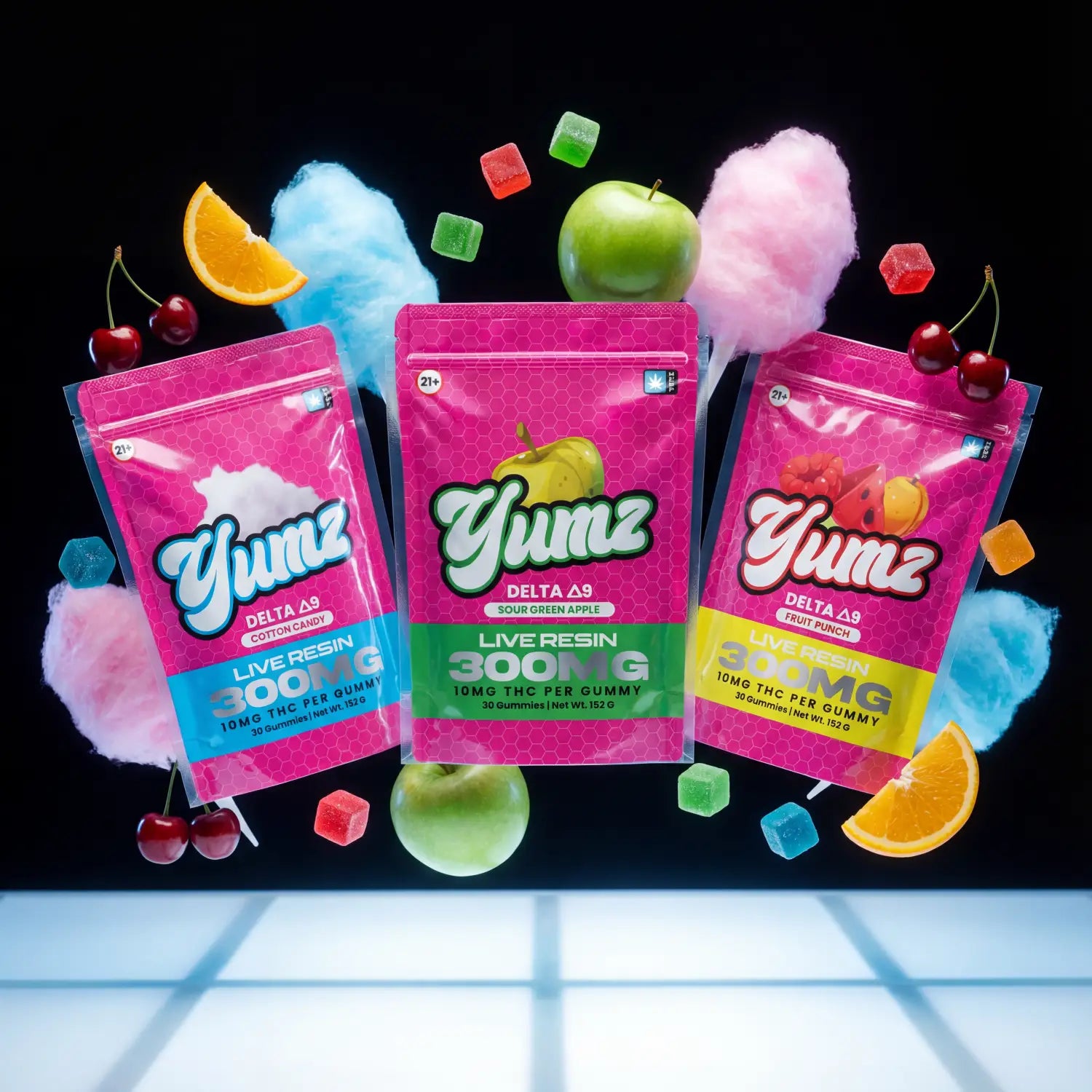
Stay tuned to YumzLab.com for your daily dose of cannabis industry news and culture.


