



The 7-OH Kratom Battle: What It Means for Cannabis and Hemp Industries
A growing rift is shaking the kratom community as federal regulators move toward scheduling 7-OH, a potent kratom compound. This fight draws sharp lines between advocates, scientists, and lobbyists, raising tough questions about drug policy’s role in public health and individual rights. But why should cannabis and hemp consumers care about this controversy? Let’s break down what’s really at stake.
Understanding the Roots of the 7-OH Controversy
The story begins with 7-hydroxymitragynine (7-OH), a powerful alkaloid found in kratom leaves. Unlike the more abundant mitragynine, 7-OH binds more strongly to opioid receptors, causing intense effects that have sparked concern among federal regulators. In recent years, authorities have pushed to classify 7-OH under the Controlled Substances Act, effectively banning it. This move has ignited fierce debate throughout the kratom world — from users who depend on it for wellness to scientists examining its potential benefits and risks. The complexity here mirrors challenges the cannabis industry has faced: balancing safety, regulation, and consumer access with evolving science.
The Science Behind 7-OH and Cannabis Cannabinoids
Research into 7-OH is still emerging, but early studies indicate it has opioid-like effects that justify cautious regulatory attention. Still, kratom advocates argue that banning 7-OH overlooks the plant’s broader context — similar to how cannabis cannabinoids like THC, CBD, and THCA provide therapeutic benefits when properly regulated. Clinical research from universities such as the University of Florida suggests compounds like 7-OH or THC must be evaluated through product quality, dosage, and lab testing to ensure consumer safety. At Yumz Lab, we emphasize verified third-party testing for all our THCA flower and THCA vape carts, recognizing that not all products are created equal. This split between potential benefits and risks underlines the need for nuanced regulation versus blanket prohibition.


Ethics and Enforcement: What’s at Stake for Consumers
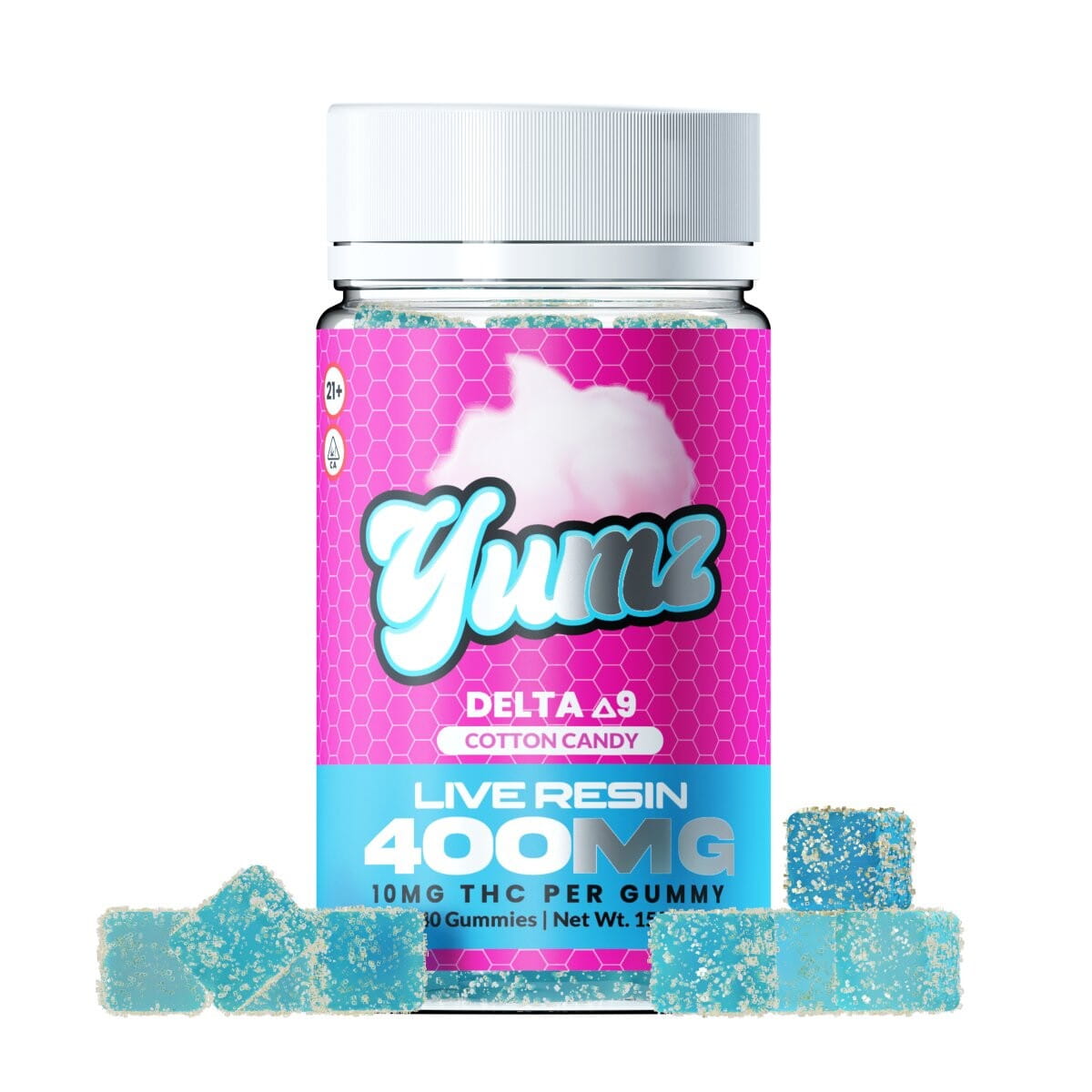
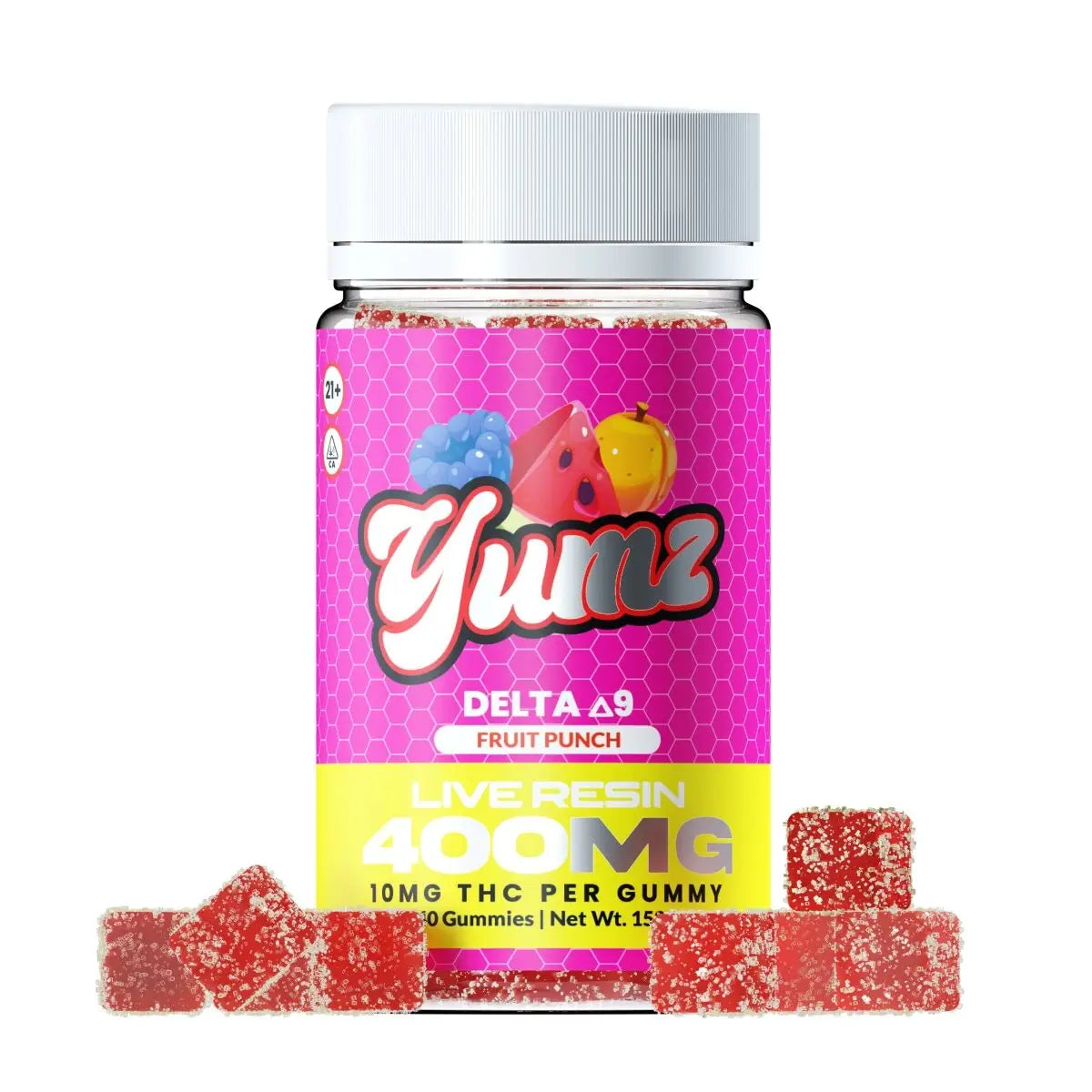
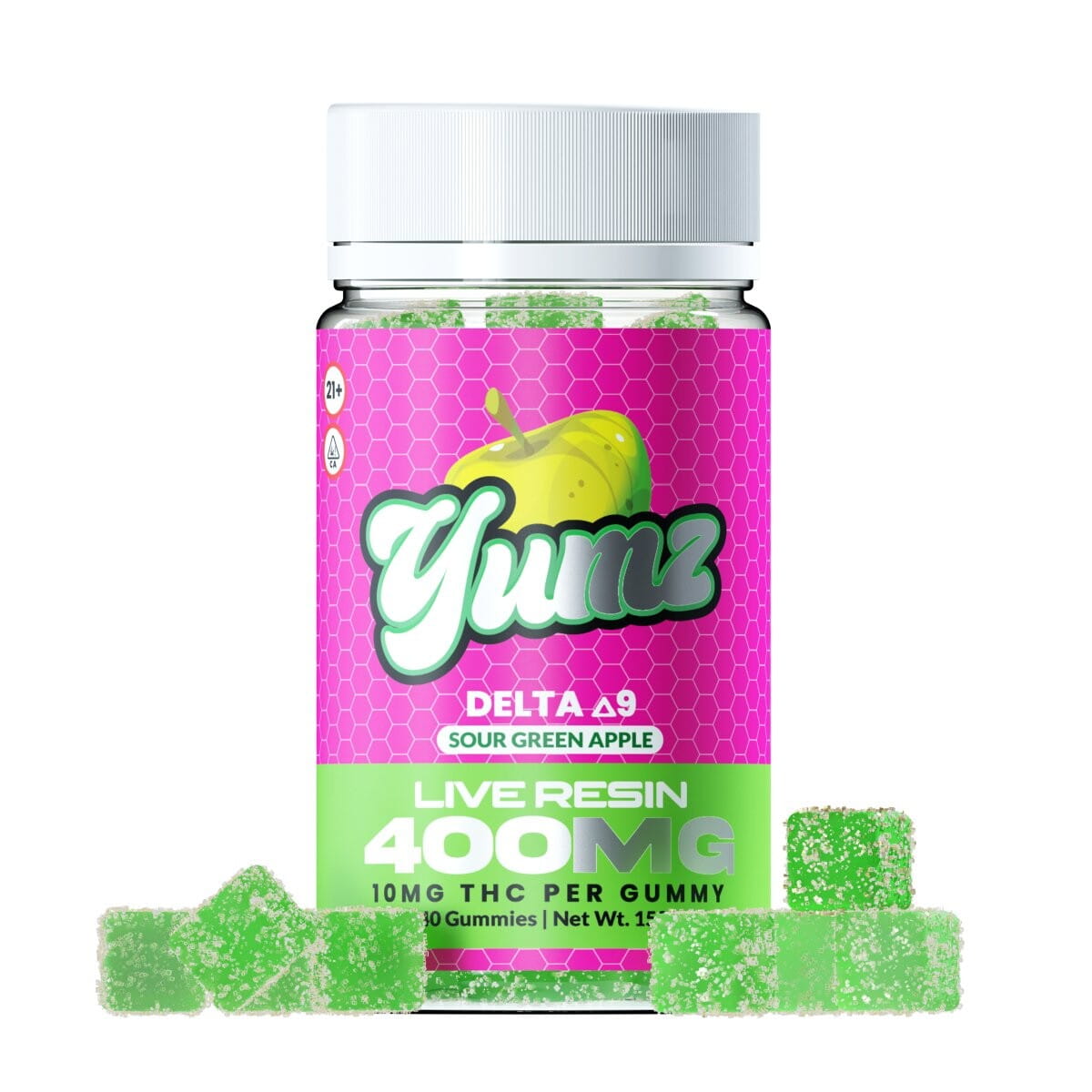
This debate isn’t just about science. It’s deeply ethical. Users relying on kratom for pain management or opioid withdrawal fear losing access to a vital option. This echoes cannabis consumers’ experiences when laws shift unexpectedly. Inconsistent regulations create black markets and unsafe products. Consider the parallel: hemp-derived THC products legally sold online, such as legal weed gummies and THCA disposable vape pens, are held to strict lab testing standards to protect users. But 7-OH’s potential scheduling threatens to push consumers back into unregulated spaces. Advocates argue that responsible regulation—not prohibition—better protects health and supports wellness, emphasizing harm reduction over fear-based policy.
Regulatory Ripple Effects on Cannabis and Hemp Markets
How might the 7-OH scheduling push impact the broader cannabis industry? Though kratom and cannabis differ chemically and legally, this fight highlights ongoing tensions around plant-based wellness products in federal law. The 2018 Farm Bill legalized hemp with up to 0.3% Delta-9 THC, allowing a booming market of premium hemp flower and other cannabinoids. However, states still vary widely on legalization, leading to conflicts and consumer confusion. If regulators take a hardline stance on kratom’s alkaloids, could hemp and novel cannabinoids face tighter restrictions? Industry stakeholders watch closely. They know consumer trust depends on clear, science-driven rules that differentiate safe, lab-tested products from those that pose risks.
What This Means for Cannabis Consumers Navigating Legal and Wellness Choices
For cannabis enthusiasts, CBD users, and hemp lovers, the 7-OH controversy underscores a bigger question: how do evolving drug policies affect your safety and access? When policymakers react to emerging substances, it can create uncertainty. That’s why buying from reputable vendors like Yumz Lab, an online headshop with rigorous standards, matters. Whether you seek Delta 9 gummies, THCA vape cartridges, or weed pens, understanding what’s in your product is key. The split in the kratom community is a reminder: regulations shape what’s safe, available, and legal. Stay informed, demand transparency, and remember that not all cannabinoids carry the same legal or health risks.
Looking Ahead: Industry Challenges and Opportunities
This dispute over 7-OH is a bellwether for the future of plant-based cannabinoids. Businesses in cannabis and hemp face pressure to advocate for fair, clear regulations that prioritize science and consumer protection. It also opens doors for new research collaborations to clarify how cannabinoids and compounds like 7-OH interact with the human body. For MSOs, dispensaries, and cultivators, this means staying agile amid shifting policies and investing heavily in quality assurance. For consumers, it highlights the importance of education and cautious experimentation. The fight isn't just legal — it’s about building trust and ensuring access to effective, safe wellness options in a rapidly growing market.
Conclusion
The 7-OH kratom scheduling battle reveals the complexities at the intersection of science, ethics, and regulation in plant-based wellness. Cannabis consumers and hemp enthusiasts should watch this space closely, as the outcomes will influence how cannabinoids and similar substances are treated federally and locally. For now, sticking with trusted products like those from Yumz Lab—which prioritize lab testing and transparency—remains the smartest move. Change is coming, but informed consumers will navigate it best.


Stay tuned to YumzLab.com for your daily dose of cannabis industry news and culture.


