

Colorado's Hemp Conundrum: Intoxicating Products & Regulation Gaps
Colorado, a pioneer in legal cannabis, faces a serious challenge: intoxicating hemp-derived products are slipping into its regulated market. A recent ProPublica investigation exposed how a supposed ban on chemically converted hemp fell short. This isn't just a regulatory hiccup; it's a critical issue impacting consumer safety and the integrity of the entire cannabis industry.
The Rise of Hemp-Derived Cannabinoids and the Regulatory Gray Area
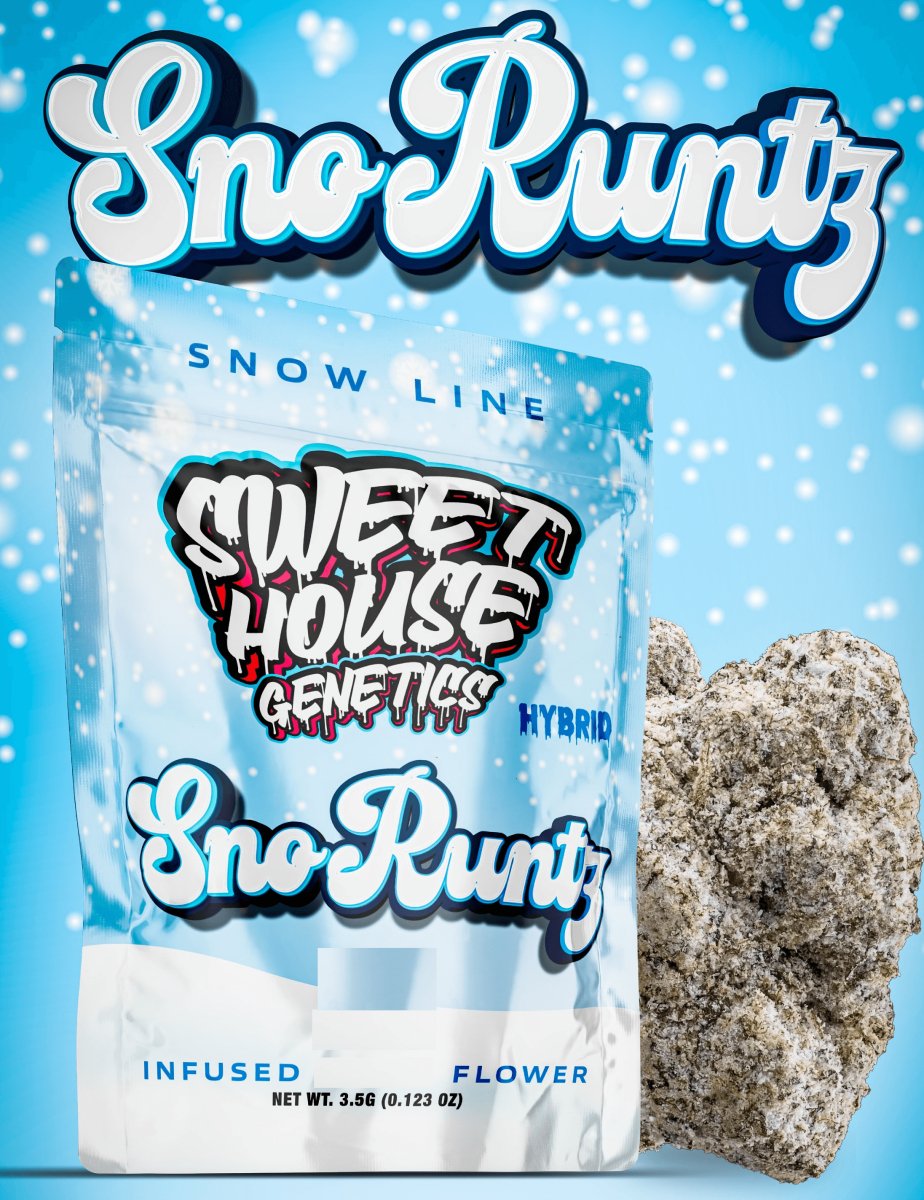
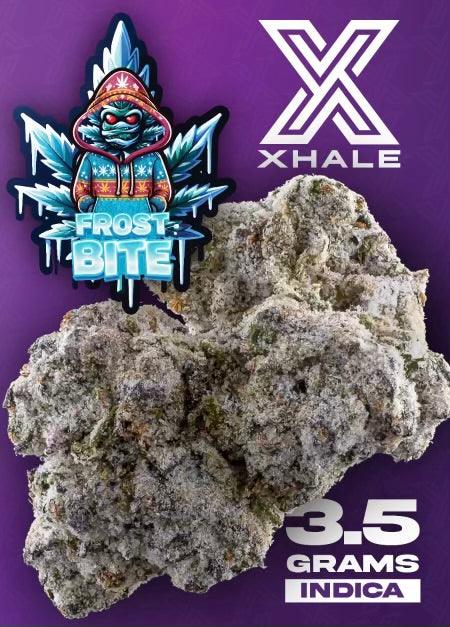
To truly understand Colorado’s current struggle, we have to rewind a bit, all the way back to the 2018 Farm Bill. This landmark legislation legalized hemp federally, defining it as cannabis with less than 0.3% Delta-9 THC on a dry weight basis. The intent was clear: allow for industrial hemp, CBD products, and other non-intoxicating derivatives. But here's the thing: the bill inadvertently opened a Pandora's box. Smart chemists and entrepreneurs quickly realized that other cannabinoids naturally present in hemp, like CBD or THCA, could be chemically converted into intoxicating compounds such as Delta-8 THC, HHC, or even synthetic Delta-9 THC. These 'alternative cannabinoids' exploded onto the market, often sold in gas stations or convenience stores, completely bypassing the strict regulations governing state-legal marijuana. This created a wild west scenario, where products with intoxicating effects were available with minimal oversight, blurring the lines between federally legal hemp and state-prohibited marijuana. It's a complex interplay of science and law, and frankly, states like Colorado have been playing catch-up ever since.


Colorado's Attempted Ban: A Case of Good Intentions, Weak Execution
Colorado, recognizing the potential public health risks, tried to put the brakes on. In 2021, the state passed legislation aimed at banning chemically converted intoxicating hemp products from its licensed marijuana dispensaries and hemp retailers. The idea was solid: keep these unregulated, intoxicating compounds out of consumers' hands, especially within a market known for its stringent testing. But as the ProPublica investigation revealed, good intentions aren't always enough. The ban, on paper, looked promising. Yet, the investigation unearthed a series of critical failures. Weak testing rules meant that products could sometimes slip through the cracks, not undergoing the same rigorous scrutiny as traditional marijuana products. Enforcement gaps were another major issue; without consistent and robust oversight, some companies found ways around the restrictions. And then there were the 'industry carve-outs' – specific allowances or interpretations that, perhaps unintentionally, provided loopholes for certain products to remain on shelves. This confluence of factors meant that despite the legislative effort, intoxicating hemp products, often of questionable origin and potency, continued to make their way into what consumers believed to be a fully regulated and safe market. It really begs the question: if one of the most mature legal cannabis markets can't get this right, what does that mean for the rest of us?


The Perilous Path: Consumer Safety and Product Quality Concerns
When unregulated or poorly regulated intoxicating hemp products enter the market, consumers are the ones who pay the price. The primary concern is safety. Unlike products in regulated marijuana dispensaries, which undergo rigorous third-party lab testing for everything from pesticides and heavy metals to residual solvents and accurate cannabinoid potency, many intoxicating hemp products lack this critical oversight. This means a consumer could be purchasing a product that contains harmful contaminants, or one whose advertised potency is wildly inaccurate, leading to unpredictable and potentially dangerous experiences. Think about it: you expect a certain standard when you walk into a licensed dispensary. You trust that the THCA flower or THCA disposable vape you buy has been tested and verified. But if products are skirting these rules, that trust is eroded. The lack of transparency around manufacturing processes for these chemically converted cannabinoids is also troubling. Are good manufacturing practices (GMP) being followed? Are the conversion chemicals fully purged from the final product? Without comprehensive, standardized testing and clear regulatory guidelines, consumers are essentially flying blind. This isn't just about getting 'too high'; it's about ingesting potentially harmful substances, and that's a huge deal for the wellness-focused consumer.
A National Challenge: The Future of Cannabis Regulation and Consumer Trust
Colorado's experience isn't an isolated incident; it's a microcosm of a much larger national challenge. The rapid evolution of the hemp-derived cannabinoid market has outpaced the ability of federal and most state governments to regulate it effectively. This creates a confusing and often contradictory legal landscape, where what's permissible in one state might be strictly forbidden in another, even for similar products. The federal government, particularly the FDA, has been slow to provide clear guidance on these products, leaving states to grapple with complex scientific and legal questions on their own. This regulatory patchwork makes it incredibly difficult for legitimate businesses to operate and for consumers to make informed choices. What we're seeing is a critical need for consistent, clear, and science-backed regulations for all cannabis and hemp-derived intoxicating products. This doesn't mean a blanket ban, but rather establishing standards for manufacturing, labeling, and third-party testing that protect consumers, regardless of where they purchase their products. Without this, the perception of the entire cannabis industry – both the highly regulated marijuana side and the burgeoning hemp sector – suffers. It jeopardizes the hard-won legitimacy of legal cannabis and undermines consumer trust in products that could otherwise offer significant wellness benefits. Honestly, this changes everything for brands committed to quality and transparency, like Yumz Lab.
Navigating the Market: How to Ensure Your Safety and Quality Choices
So, how can you, the discerning cannabis enthusiast, navigate this increasingly complex market? The key lies in education and vigilance. First and foremost, always prioritize products from reputable brands that openly provide third-party lab testing results, also known as Certificates of Analysis (COAs). These COAs should be easily accessible, ideally via a QR code on the product packaging, and should confirm not only the cannabinoid potency (including Delta-9 THC levels below 0.3% for hemp products) but also the absence of harmful contaminants like pesticides, heavy metals, and residual solvents. Don't be afraid to ask for these; it's your right as a consumer. Secondly, understand the difference between regulated state-licensed dispensaries and the broader hemp market. While hemp products are federally legal, the level of state-specific oversight varies wildly. When looking for products like THC gummies or even a THCA vape cart, choosing a vendor that adheres to high manufacturing standards, even if they operate in the hemp space, is crucial. For consumers wondering where to find safe and tested THC gummies online, always check for comprehensive lab results and positive customer reviews. Opt for brands that are transparent about their sourcing and production methods. Remember, informed choices are safe choices, especially in an evolving market where regulatory frameworks are still catching up.

Yumzlab's Commitment to Quality and Transparency in the Evolving Cannabis Market
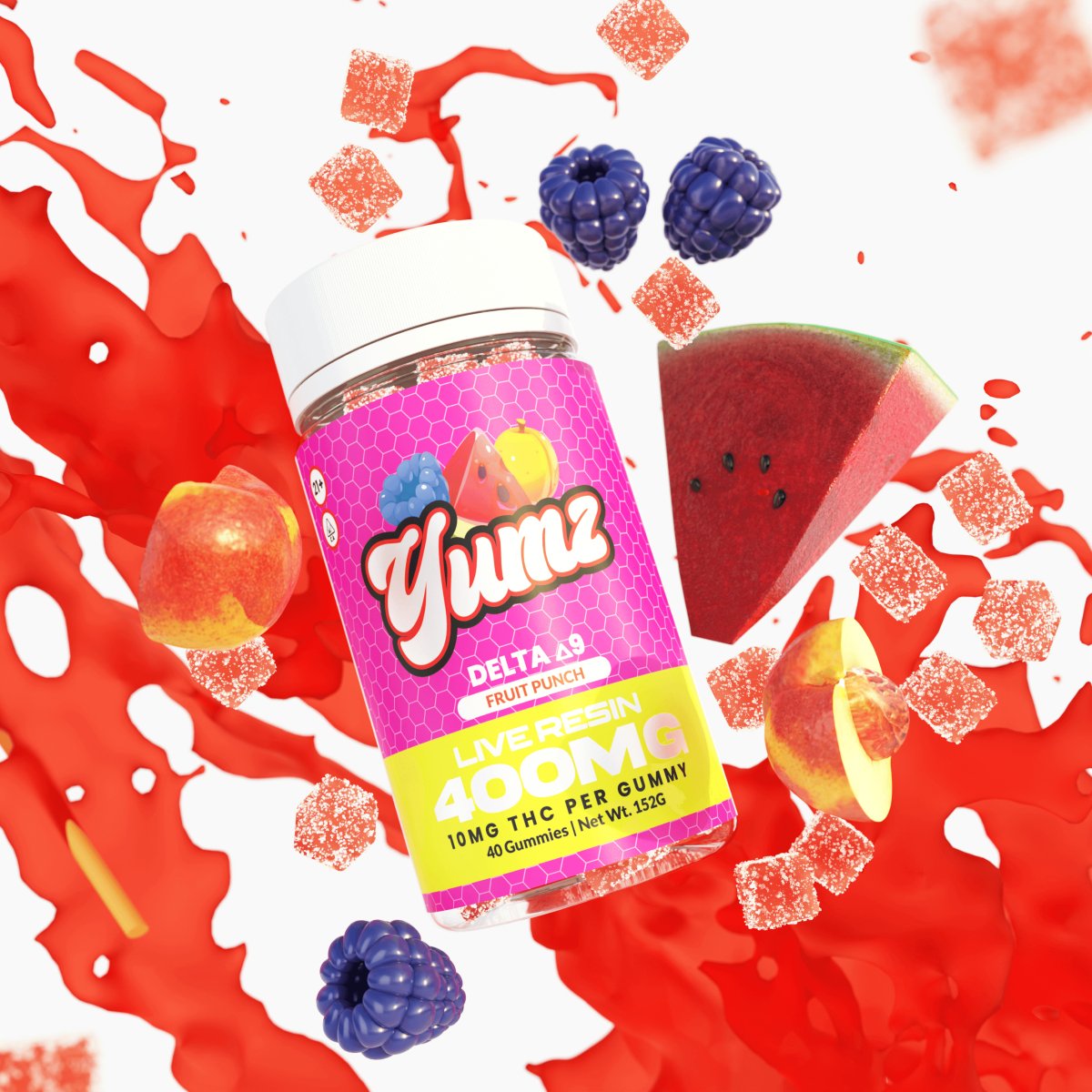
At Yumzlab, we believe that every consumer deserves access to safe, high-quality, and accurately labeled cannabis and hemp-derived products. The challenges highlighted by Colorado's experience only reinforce our dedication to transparency and rigorous standards. We understand the confusion that can arise from a fragmented regulatory environment, and that's why we go above and beyond to ensure our products, from our premium hemp flower to our potent edibles, are thoroughly third-party tested. We provide readily available COAs for all our offerings, so you can verify exactly what you're consuming. Our mission is to empower you with knowledge and provide products you can trust, fostering a wellness journey built on confidence and clarity. We're here to help you navigate this space safely and effectively, ensuring you get the authentic, quality experience you expect and deserve from your Yumz Lab products.
Conclusion
Colorado’s ongoing challenge with intoxicating hemp products isn't just a local issue; it’s a vivid reminder of the complexities in regulating a rapidly evolving cannabis landscape. For consumers, this highlights the critical importance of informed choices and demanding transparency from brands. At Yumzlab, our commitment to rigorous testing and clear information remains unwavering, ensuring you always receive premium, safe, and legal cannabis experiences.


Stay tuned to YumzLab.com for your daily dose of cannabis industry news and culture.