



Wiz Khalifa and Latin America’s Biggest Rap Star Spark Cannabis Culture Crossover
At Puerto Rico’s Sauce Boyz Fest, a landmark moment unfolded when cannabis icon Wiz Khalifa joined forces with Latin America’s rap sensation Duki to share a joint that sparked viral attention. This crossover event highlights the growing fusion of cannabis culture with global hip-hop scenes and underscores the expanding market and regulatory landscape for THC products worldwide.
The Rise of Cannabis Culture in Latin American Hip-Hop
Latin America’s cannabis scene has seen rapid growth paralleling its vibrant music culture, notably within the hip-hop and trap genres. Artists like Argentine star Duki have become cultural icons representing youth trends embracing cannabis not only as recreation but also as a symbol of creative liberty and wellness. This movement mirrors the longstanding cannabis advocacy in the U.S. where figures like Wiz Khalifa have championed marijuana through both music and entrepreneurship. Their moment at Sauce Boyz Fest symbolizes a bridging of hemispheres, blending distinct cultural influences to broaden cannabis acceptance.
One key factor driving this evolution is the increasing legalization and decriminalization efforts in parts of Latin America and the Caribbean, which complement the expanding legal cannabis markets in the United States. Countries such as Uruguay have paved the way with full adult-use legalization, while others like Argentina and Mexico are moving towards regulated frameworks, creating opportunities for cross-regional collaborations and consumer education.

Why the Wiz Khalifa-Duki Collaboration Matters for Cannabis Consumers
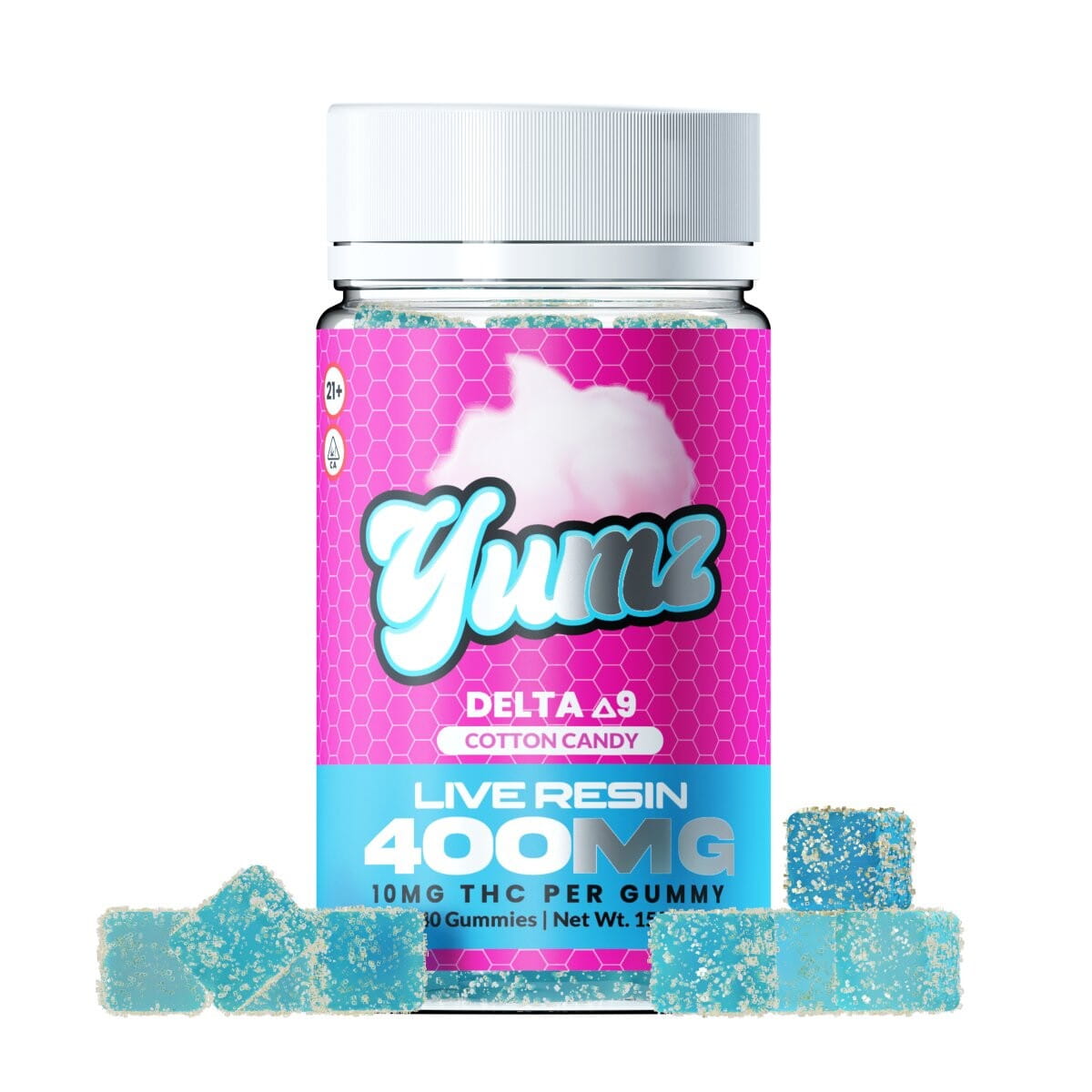
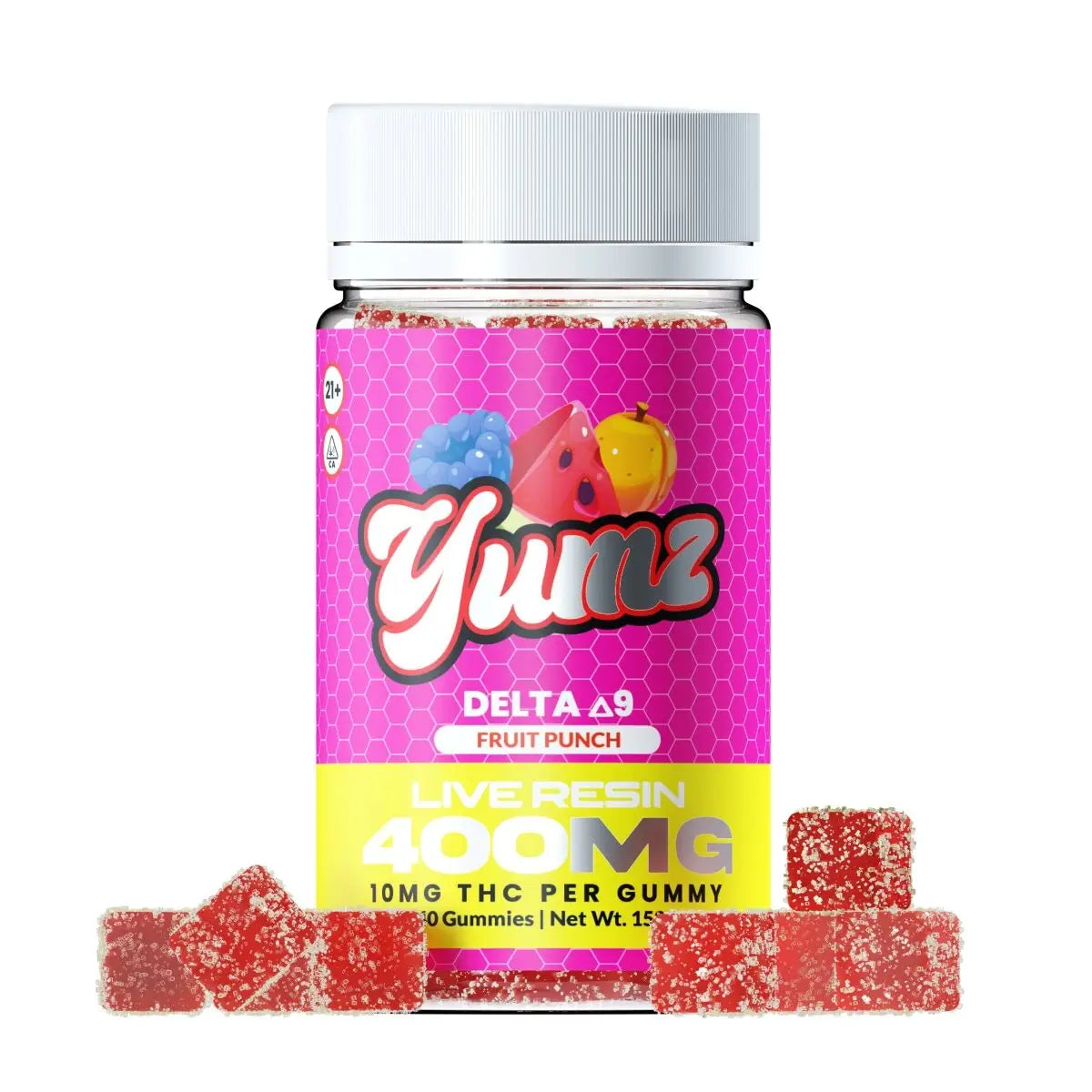
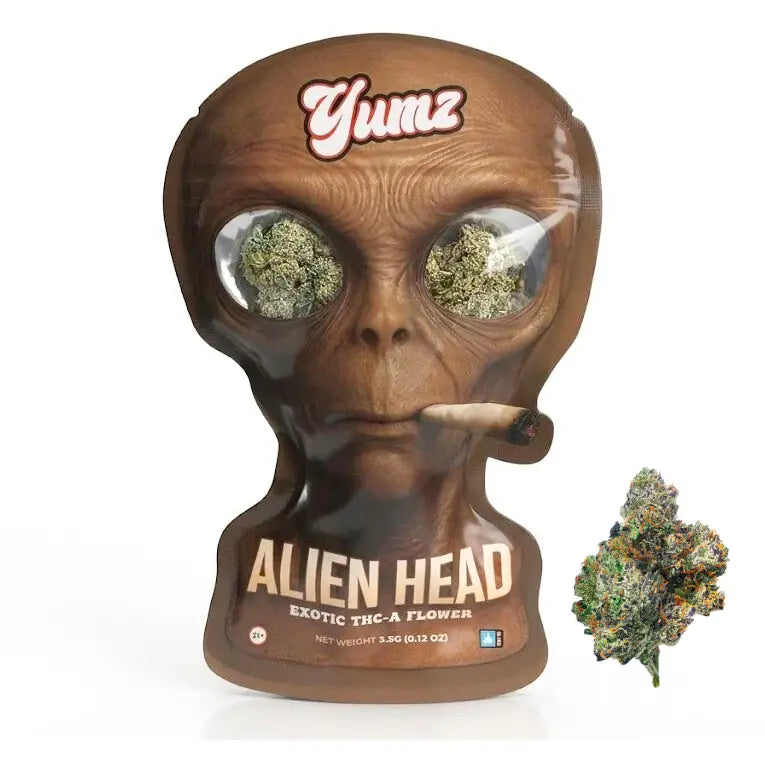
The visual and viral moment of Wiz Khalifa smoking a joint with Duki is more than celebrity theatrics—it reflects deeper shifts in cannabis normalization and consumption habits. Consumers today are looking beyond traditional joints to innovative THC delivery methods and product forms. For instance, the growing demand for legal weed flower like THCA flower and THC gummies highlights preferences for controlled dosages and diverse wellness applications.
Moreover, the event exemplifies how cannabis serves as a cultural and social connector across markets, influencing product trends from hemp-derived THCA disposable vapes to more potent THCA vape cartridges. Consumers can better appreciate the nuances and benefits of various cannabinoids, including how legal cannabis shop regulations impact availability and quality assurance. As such, this crossover moment educates users about broader possibilities in cannabis consumption beyond traditional stereotypes.

Regulatory Landscape and Its Impact on International Cannabis Collaborations
This high-profile interaction also draws attention to the complex patchwork of cannabis laws affecting cross-border cultural and commercial exchanges. In the United States, cannabis remains federally illegal but is legalized recreationally or medicinally in many states, allowing a flourishing industry centered on both marijuana and hemp-derived products. The latter category, regulated under the 2018 Farm Bill, restricts Delta-9 THC content in hemp products to 0.3%, which has fueled innovation around cannabinoids like THCA and Delta-9 THC alternatives.
Meanwhile, Latin American countries vary widely in their legal approaches. Uruguay’s full adult-use legalization contrasts with countries where cannabis remains strictly controlled or illegal. These disparities affect how artists and brands collaborate and how products are marketed or sold. Nevertheless, global figures like Wiz Khalifa and Duki leveraging their platform underscore growing cultural acceptance and may indirectly influence regulatory reforms by highlighting the public and economic benefits of cannabis legalization.
Innovations in Cannabis Products Inspired by Cultural Trends
Cultural intersections such as this one often trigger new product trends that cater to evolving consumer needs. The cannabis community’s shift towards wellness-oriented formulations is reflected in the rise of premium, lab-tested products like exotic THCA strains known for their high potency and purity. Similarly, demand for convenient and discreet options is met with innovations such as vegan THC gummies and high-quality hemp vape pens that appeal to a broader demographic concerned with dosing precision and wellness effects.
Research into cannabinoid science continues to reveal the therapeutic potential of minor cannabinoids and terpene profiles, adding depth to product development. These enhancements support not just recreational use but medical cannabis applications, including symptom management for anxiety, chronic pain, and inflammation. As cultural icons spotlight cannabis use, consumer awareness of these benefits and regulatory distinctions grows, fostering a more informed and responsible market.
What This Means for Cannabis Consumers
For cannabis consumers, the Wiz Khalifa and Duki interaction offers valuable insight into the expanding, diverse cannabis landscape. It highlights how global cultural influences are shaping product innovation and legal acceptance. Consumers navigating this space benefit from understanding how to choose products that align with their wellness goals, legal compliance, and quality concerns.
Specifically, savvy buyers should look for products verified with third-party lab testing and comply with hemp regulations to ensure safety and efficacy. Exploring various THC products, such as premium hemp flower or 510 thread vape cartridges, empowers consumers to tailor their experience. This cultural moment encourages consumers to engage with cannabis responsibly while embracing the therapeutic and recreational potentials of cannabinoids.
Industry Impact: Market Growth and Global Cannabis Trends
From a market perspective, collaborations between international cannabis advocates and artists amplify awareness and acceptance, stimulating demand that transcends borders. The U.S. cannabis industry, projected to surpass $40 billion by 2025 according to market research firms, can leverage the Latin American market’s growth, predicted to expand with ongoing legalization efforts. These developments foster opportunities for multi-state operators and hemp cultivators to refine cultivation, quality control, and distribution strategies.
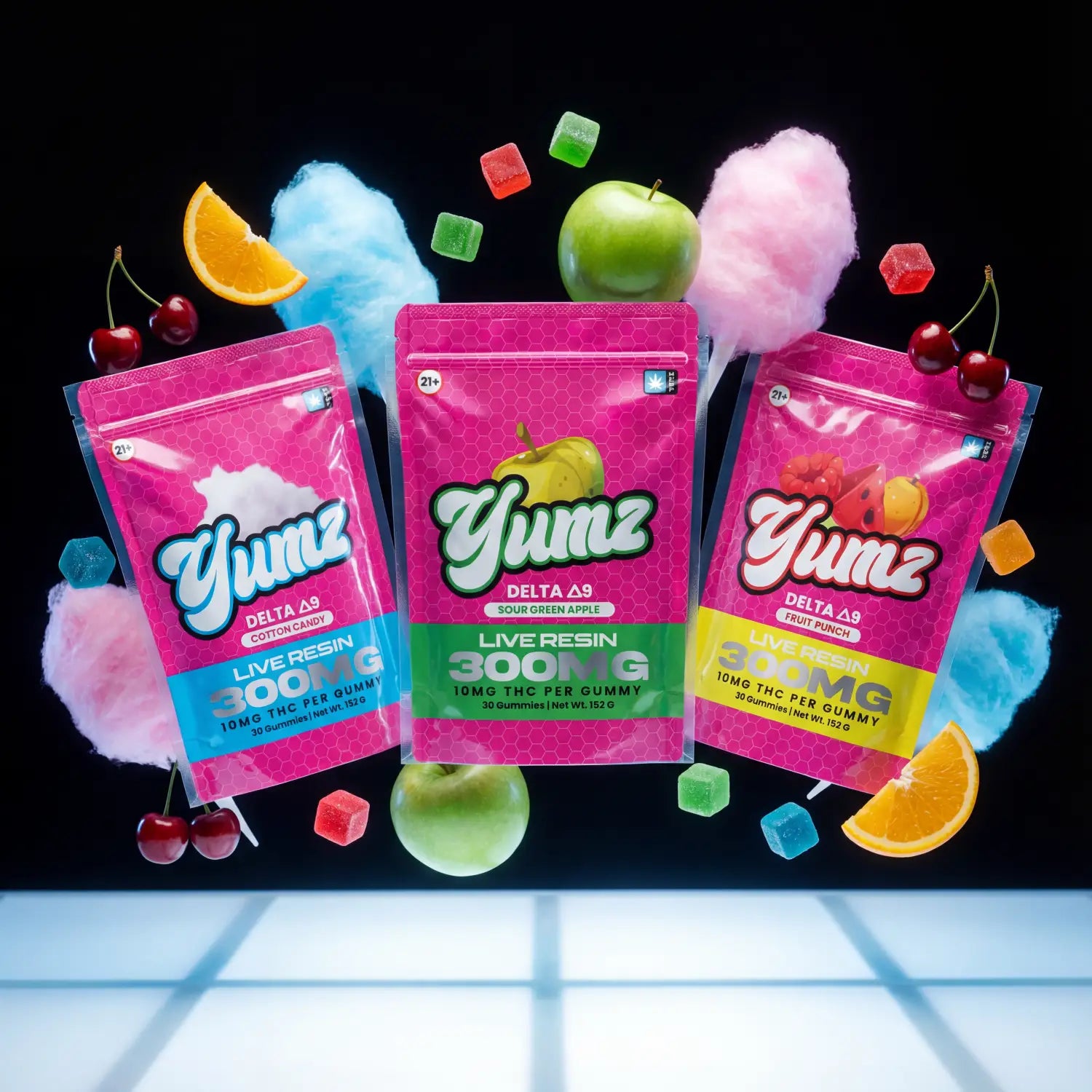
Furthermore, industry stakeholders are adopting more robust compliance and quality standards to meet consumer expectations shaped by such high-profile cultural endorsements. The integration of regulatory foresight and product innovation strengthens the position of trusted brands like Yumz Lab, an online headshop and legal cannabis shop known for offering diverse, lab-verified products ranging from hemp edibles to weed pens. As the cannabis industry evolves, such synergy between culture and commerce will continue shaping its trajectory.
Conclusion
The collaboration between Wiz Khalifa and Latin America’s rap legend Duki symbolizes more than a viral cannabis moment—it marks the convergence of culture, legal progress, and evolving consumer preferences within the global cannabis market. For consumers and industry alike, understanding these dynamics is crucial to navigating the burgeoning world of cannabinoids responsibly and with empowerment. As cannabis legalization and product innovation advance worldwide, moments like this offer a glimpse into the future of an inclusive, informed cannabis culture.
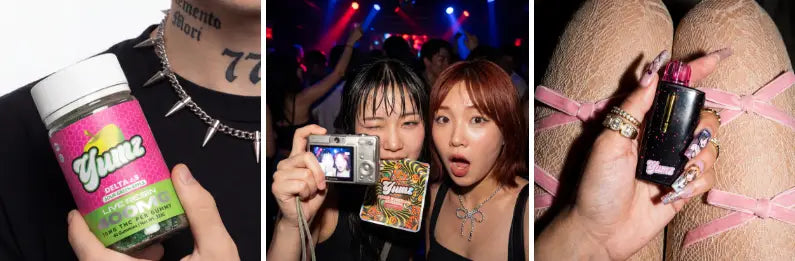
Stay tuned to YumzLab.com for your daily dose of cannabis industry news and culture.


